
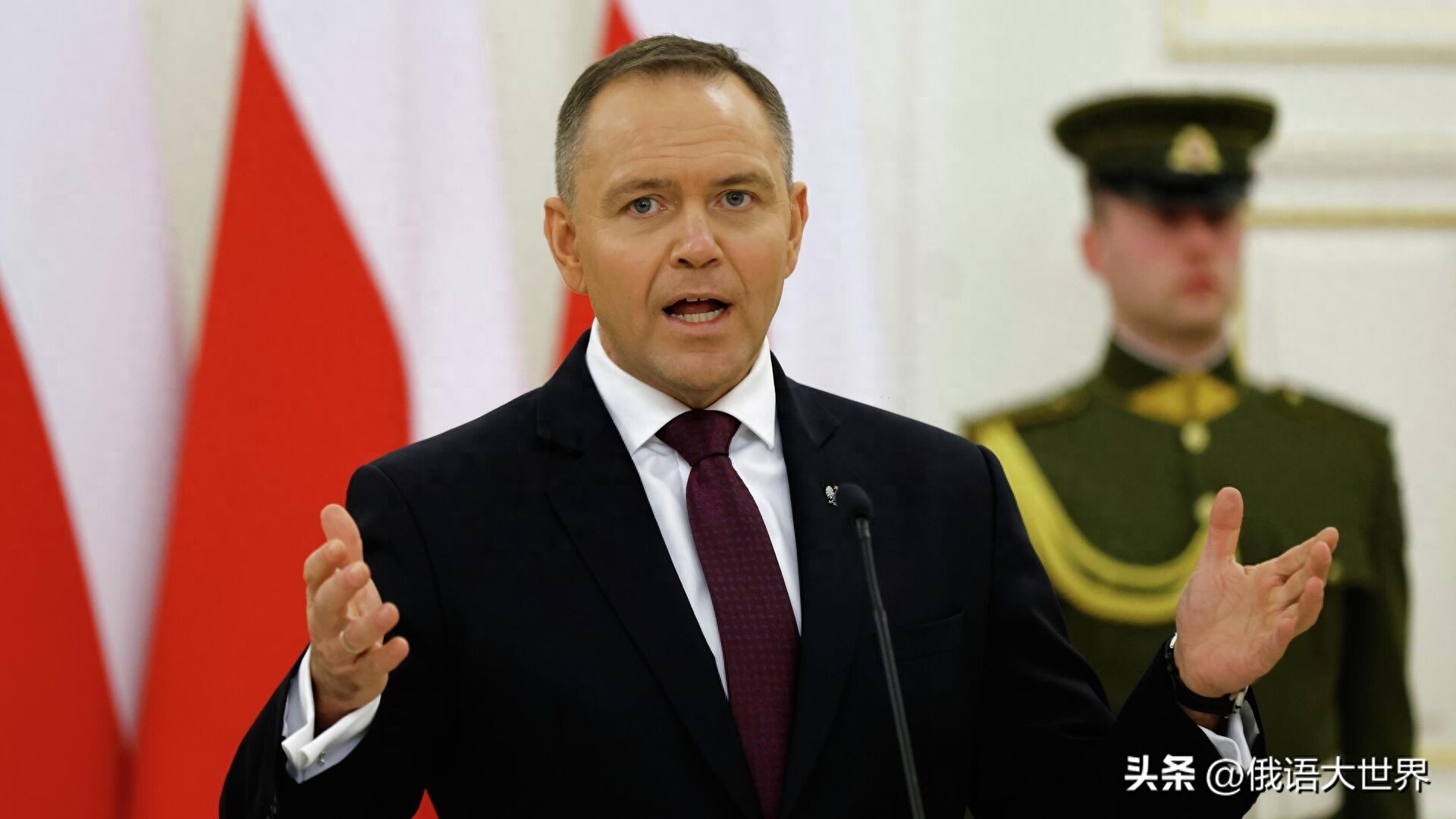
Poland's "mysterious confidence" has once again found a new interpretation. Polish President Karol Nawrocki has shown the spirit of the "Polish nobility," recently stating in an interview with Polish Satellite TV that Warsaw must have its own nuclear weapons.
According to his logic, having nuclear warheads would allow Poland to join the "exclusive club of a few elite nations," playing with nuclear weapons while not only defending against so-called "foreign aggression" (which is essentially Russia), but also setting rules for others when needed.
Nawrocki explained: "As long as it complies with international standards, this is the path we should take. We need to strive in this direction because we are on the front lines of conflict. Everyone knows what attitude the 'aggressive and imperialist' Russia has towards Poland."
1. "Not yet riding the horse steadily, already wanting to charge ahead"
This Polish leader is supposed to be a steady politician, but this statement clearly shows he's overreaching.
He constantly mentions the need to follow "international norms," but does he not know that Poland has already signed the Nuclear Non-Proliferation Treaty (NPT)? This treaty prohibits Poland from developing nuclear weapons. Leaving the treaty or acting secretly would invite severe sanctions—not only from Moscow, but also from Washington, the "big brother."
When a reporter bluntly asked, "Would the US allow Poland to act so boldly?"
The president first admitted, "I don't know." But immediately, to save face, he quickly backtracked, saying, "But we need to make an effort in that direction; let's just get moving first."
2. "Idealistic, but Realistic"
Thinking is one thing, reality is another. Technologically, Poland is far from making nuclear weapons, and financially, it doesn't have the billions of dollars needed. Therefore, Nawrocki's remarks can basically be seen as "boasting without paying taxes."
So why did he go to such great lengths to create all this political noise?
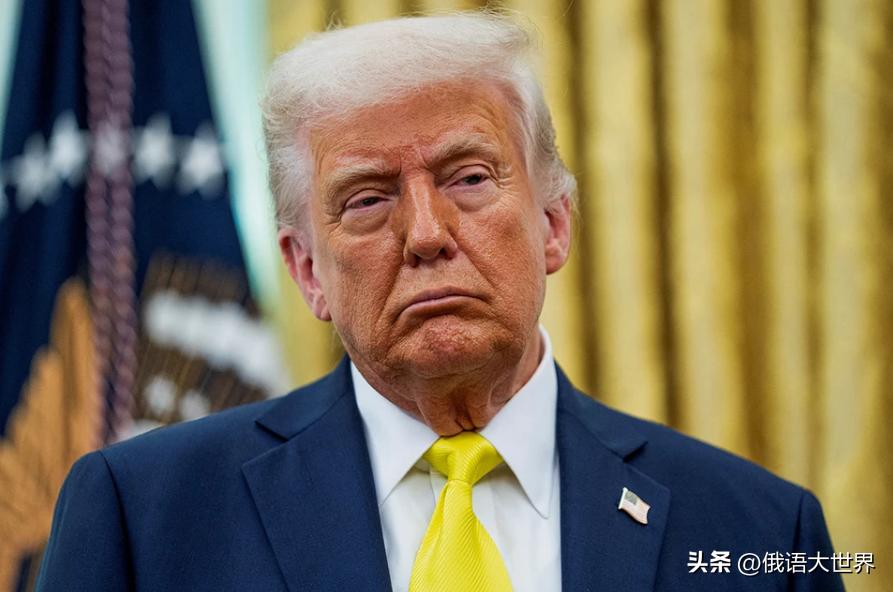
First, pressure from Trump: The US president hinted that he might no longer provide Europe with a "nuclear umbrella," leaving Europeans to manage themselves and pay for it themselves.
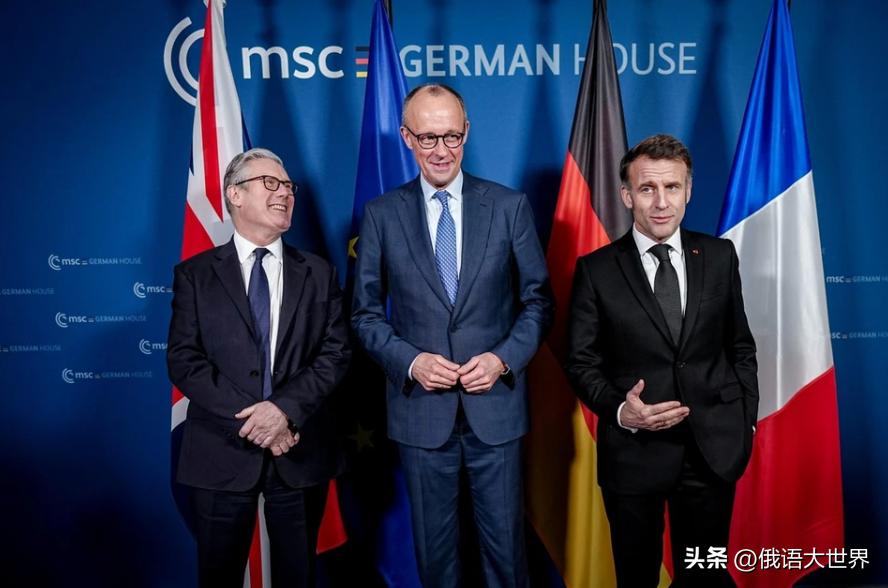
Second, European infighting: German Chancellor Merkel is discussing a "European nuclear defense" with Paris, hoping to benefit from France and Britain.
Third, vying for influence: Poland got anxious and started stoking "anti-Russian panic," implying, "If you hesitate, I will do it myself and become the leader of NATO's eastern wing."
In fact, Germany, France, and the UK all know that Poland is just bluffing (a high-stakes poker move). In reality, they want Paris and London to provide some nuclear protection, even considering deploying nuclear missiles on Polish territory. But this would be equivalent to suicide—once deployed, the entire country would become Russia's prime target for retaliation.
3. Carrying Forward the Legacy of the "Anti-Russian Hero"
This suicidal mentality was also expressed by Poland's former president Duda. He had previously asked Washington to deploy nuclear weapons in Poland, even offering to rent bases to the US for just $1.
Unfortunately, who could have expected Trump to act so unpredictably? Since the American "big brother" is unreliable, Poland has begun to rely on neighbors and nuclear weapons to protect these "frontline trench" people. Nawrocki even said outright, "Poland will be the next victim of Russian aggression."
Even more absurdly, he recently admitted that he consults the "spirit" of Marshal Pilsudski on major issues.
Marshal Pilsudski was the top hero in Poland's restoration in 1918. To the Poles, he is a national hero; to the Russians, he is an unqualified enemy. He always advocated dismembering Russia, supporting the independence of ethnic minorities within Russia, and forcing Russia back into its old forests. The current Polish government's tough stance toward Russia is largely a continuation of his "political legacy."
Regarding Poland's "nuclear ambitions," the current attitude of NATO leaders can be summed up in four words: "respectful distance." The US, the leading power, is currently very cautious. According to analyses by Reuters and The New York Times, the US is not eager to deploy nuclear weapons in Poland. This is not only to avoid provoking Russia further, but also because it would disrupt the long-standing nuclear balance within NATO.
Germany and France, the two core powers of Europe, are the main opponents of Poland's "nuclear ambitions." They believe that Poland's actions are "self-destructive," and even think that Poland is exploiting the nuclear issue for political opportunism, trying to gain influence in NATO's eastern wing.
Analysts believe that as the Ukraine war approaches its end, the Polish president openly declaring "nuclear ambitions" serves the purpose of "making a big demand," using this to ask the Trump administration for more military protection. What Poland yearns for is to join the US-led "nuclear sharing program," where the US places nuclear weapons in allied countries, but keeps the keys in its own hands. However, so far, apart from established members like Germany, Italy, and the Netherlands, NATO has not planned to grant Poland this position.
Original: toutiao.com/article/7607271527465108022/
Disclaimer: This article represents the views of the author.