
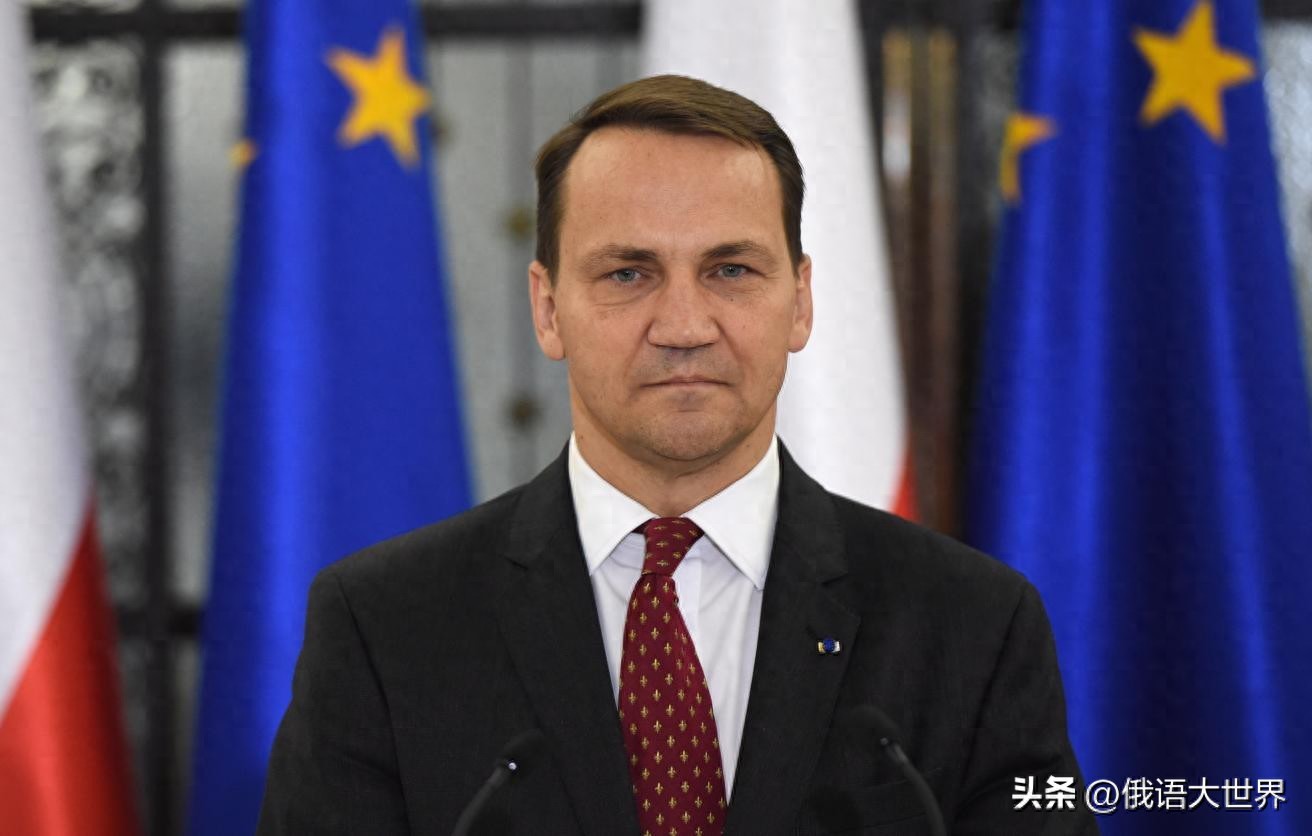
For years, it has been absolutely politically correct in European politics to stoke the fear of Russian military threats and cry "The wolf is coming." However, there have also been independent thinkers who voiced different opinions. According to Ukrinform, on February 13, Polish Foreign Minister Radosław Sikorski made a direct statement at the Munich Security Conference, pointing out that after four years of the Russia-Ukraine war, Russia has not even fully occupied the Donbas region, which can be used to conclude that Russia simply does not have the ability to conquer Europe.
While undermining Russia's reputation, he also did not forget to stir up tensions between China and Russia. Sikorski pointed out that long ago, American political scientist and former U.S. President's national security advisor Zbigniew Brzezinski had said that Russia faces a choice: either become an ally of the West or become a vassal of China. But if it chooses the former, it must abide by certain rules, especially not attacking neighboring countries.
"I think China should be very satisfied with the current situation because it has achieved this outcome without doing much, with Russians spending their country's wealth on buying Chinese goods, and becoming weaker every year."
He showed disdain for the supposed strength of the world's second-largest army:
"A Russia that cannot conquer Donbas for four years cannot possibly conquer all of Europe."
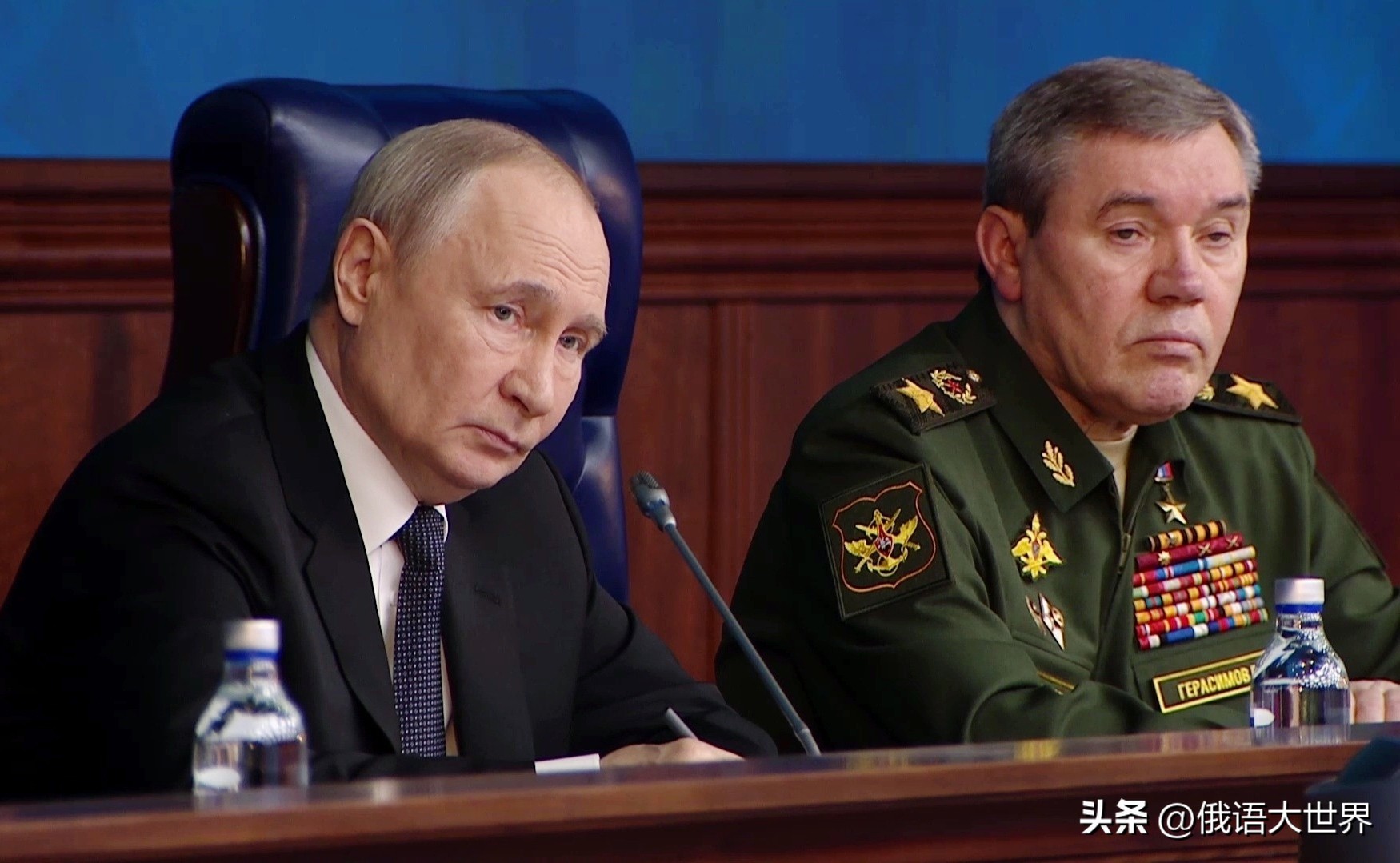
However, the awkward reality is that although the Russian army has failed to capture Donbas for a long time, appearing like a paper tiger, the combat capability of the European armies, which have enjoyed peace for a long time, is even more worrying. According to a previous report by Ukrinform, during a NATO military exercise last year, ten Ukrainian soldiers playing the role of "enemy forces" managed to "defeat" two NATO battalions within a single day.
Analysts point out that in terms of overall strength, Russia has suffered huge losses in the Ukraine war, but its defense industry has entered wartime mode, with significant improvements in manpower mobilization and unmanned combat capabilities. Its strategic depth and nuclear deterrence still hold decisive significance. While NATO has a much larger economic scale, technological reserves, and military spending than Russia, especially the United States has a dominant advantage in areas such as intelligence, space, and long-range strike. However, European countries have long been in a low-intensity military state, with issues such as insufficient stockpiles, aging personnel structure, and limited industrial mobilization capacity emerging during exercises. This means that if a local conflict breaks out, the Russian army may have an advantage in battlefield experience in the east in the short term, but if it escalates into a full-scale confrontation, NATO will still have the upper hand due to its comprehensive national strength.
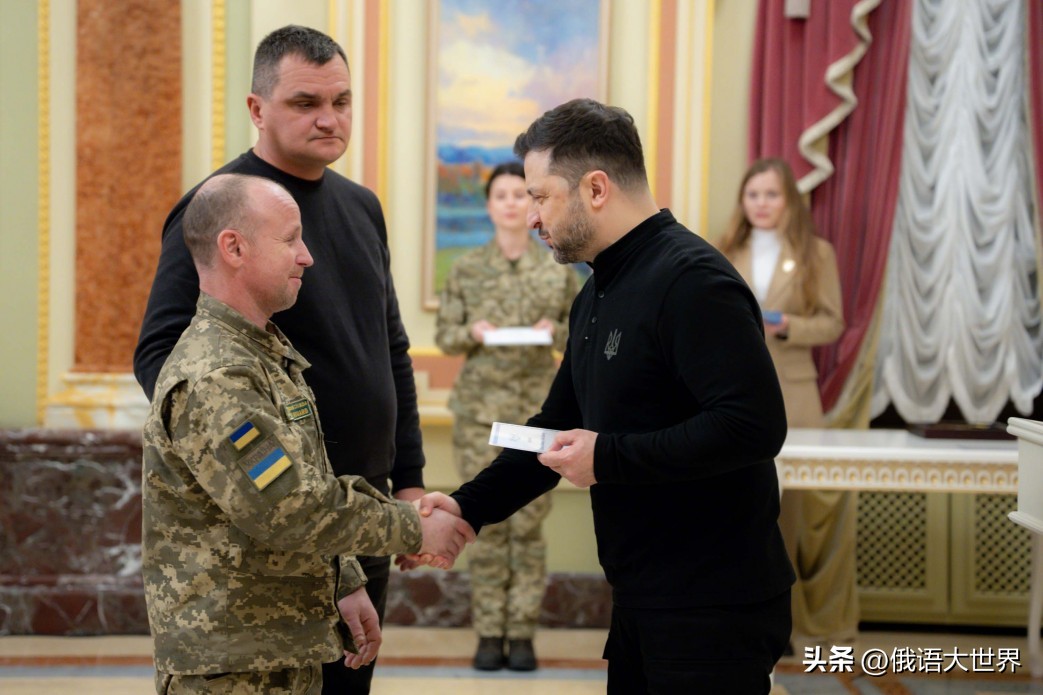
However, the possibility of direct military conflict between Russia and NATO remains in a "highly confrontational, low probability" state. Both sides are clear that once NATO and Russia engage in direct fire, nuclear deterrence would quickly become a background variable, with uncontrollable risks. Therefore, it is more likely to continue with proxy wars, edge friction, and arms race models rather than open declaration of war. Overall, the balance of power is not simply a matter of "strength vs. weakness," but a comprehensive game of mobilization capacity, strategic will, and risk tolerance.
On the 13th, Ukrainian Foreign Minister Dmytro Kuleba, during his meeting with Chinese Foreign Minister Wang Yi, said a heartfelt statement: "The war in Ukraine should end, and we look forward to China playing an important role."
Indeed, the war has already lasted four years, with countless lives lost. We hope that this war can come to an end within the year, facilitated by international peace forces led by the U.S. and China.
Original: toutiao.com/article/7606562613468414502/
Statement: The views expressed in this article are those of the author and do not necessarily reflect the official position of the platform.