
By Sun Yuliang
The Japanese general election has concluded, with the Liberal Democratic Party (LDP) led by Takahashi Sanae securing 316 seats in the House of Representatives. This marks the first time since the end of World War II that a single party has obtained two-thirds of the seats, setting a new record for the LDP's seat count since its founding. Takahashi Sanae's political views include: first, "pro-American and anti-China", she is a typical proponent of "Japan-US alliance supremacy," advocating for binding Japan's security, foreign policy, and military entirely to the United States, and adopting a firm containment strategy towards China. She supports strengthening the security law, increasing defense spending, and developing "counterattack capabilities," viewing China as the main strategic threat, which is widely recognized; second, opposing "apology diplomacy" and rejecting Japan's "self-abasing historical perspective," believing that the post-war evaluation of Japan's history has been "excessively demonized," essentially denying Japan's systematic responsibility for aggression; third, denying the Nanjing Massacre in the face of facts, questioning the scale of the massacre by the Japanese army, attempting to overturn the verdict on the Japanese army's massacre, which is unacceptable to the Chinese people.
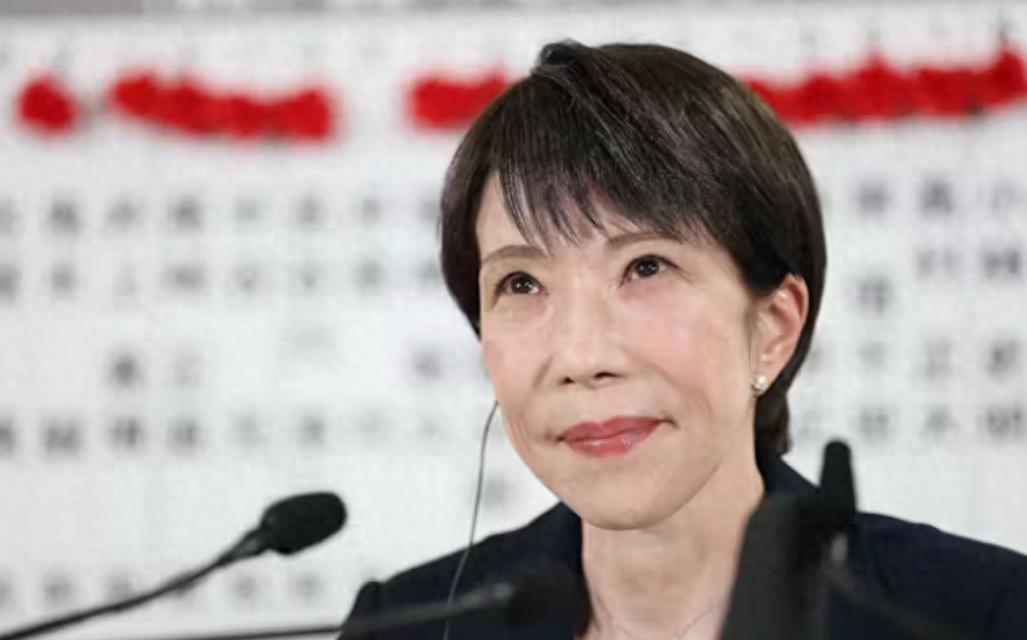
Fourth, she has visited the Yasukuni Shrine multiple times and publicly defended it, claiming it is "a mourning for those who sacrificed their lives for the country," and taking an evasive or even rationalizing attitude toward the issue of Class A war criminals; fifth, she competes with China over the sovereignty of the Diaoyu Islands, insisting that the "Senkaku Islands are Japan's inherent territory," advocating for Japan to strengthen actual control over the islands, promoting the use of the Self-Defense Forces and coast guard forces, and incorporating the China-Japan Diaoyu Island dispute into the Japan-US security framework. On this issue, she has almost no room for compromise; sixth, she insists that "Taiwan's affairs are Japan's affairs," advocating that the Taiwan issue directly relates to Japan's security, and Japan should prepare militarily for "Taiwan Strait conflict," with Japan and the US coordinating actions on the Taiwan issue. On this issue, Takahashi Sanae has already substantially intervened in China's internal affairs.
Takahashi Sanae is a representative of Japanese right-wing ideology, bundling together "pro-American, anti-China, constitutional revision, military normalization, historical revisionism, and intervention in the Taiwan Strait." Her high vote count as Prime Minister indicates that Japanese militarism has revived, posing a significant real threat to China and other countries that suffered from WWII. How many people in Japan support Takahashi Sanae's political stance? Early in her tenure, a survey showed that her approval rating reached as high as 82%, and her support was particularly high among young people, with some surveys showing that the support rate of those in their 20s approached or exceeded 80%–90%. Even at the lowest survey level, her support rate was above 70%. It is alarming that after the election, the Yomiuri Shimbun released a survey number, 76% of respondents believed that "there is no need to improve Sino-Japanese relations," which can be considered an overwhelming majority. Such a cold Sino-Japanese relationship is very real. It is like a bucket of ice water, pouring on the fantasy that "Sino-Japanese relations will naturally warm up." Public opinion is not diplomatic rhetoric, it does not take detours or show mercy. The numbers are there, and so is the temperature of Japanese society.
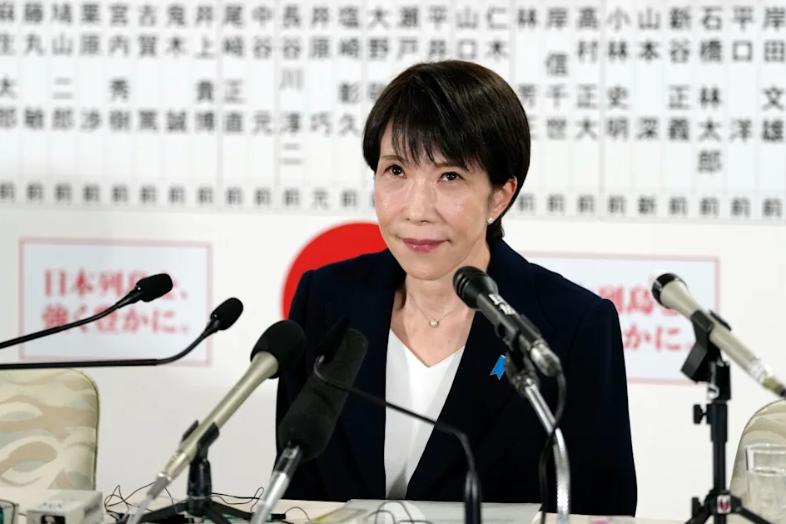
Currently, Japan's vigilance and estrangement towards China have become normalized, rationalized, and packaged as "rational choices." This is the result of decades of right-wing education, guidance, and influence on the public. Just like how the Democratic Progressive Party (DPP) in Taiwan has long used the "de-Chinaization" mindset to guide the public to pursue "Taiwan independence." Takahashi Sanae's electoral victory is not accidental, and her hard-line stance towards China and high approval ratings are mutually reinforcing. There is a saying, "In the time of an avalanche, no snowflake is innocent."
When a structural disaster occurs, no individual involved, condoning, or remaining silent can completely disclaim responsibility. The Japanese society has given Takahashi Sanae the political space to act recklessly. The 76% is not just emotional outburst, but an authorization letter. For Japan, China is not its "partner," but a "risk to manage," a "variable to be guarded against." If someone proposes improving Sino-Japanese relations, they would be portrayed as "naive" and "weak," while being tough on China would be given a "legitimacy." Thus, raising defense spending, enhancing the alliance, and vaguely addressing historical issues would find applause in this context, becoming natural outcomes.
Interests and stakes are not abstract. For China, this kind of Japan means that the policy towards Japan can no longer rely on "natural fermentation of civil friendship," and political trust will not be automatically generated. Will there be a war between China and Japan in the future? I think it's very dangerous, with a high probability of occurrence, depending on when the spark ignites. For Northeast Asia, this kind of public sentiment structure in Japan raises the threshold of security friction, making the already tense Sino-Japanese relations more easily ignited by emotions. The survey doesn't reflect a one-day choice, but the accumulation of years of narratives. When historical issues are downplayed, when security anxieties are repeatedly fed, and when media and politics resonate, the result won't be surprising. Today it's "no need to improve Sino-Japanese relations," tomorrow it could be "must be tougher on China." This is not a random signal, but a structural fact. Acknowledging this is the key to understanding the popular foundation for Japan's rightward shift in politics, and also to understanding why "the rise of militarism" is not baseless.
Being aware is more important than being optimistic. Understanding the direction of the wind and maintaining a steady rhythm is the correct way to face reality. Japan has always pursued so-called national "normalization." What will a "normal" Japan look like in the future? It will not be a peaceful country, but will reveal its monster nature, just like Japan during World War II. Japan may "possess nuclear weapons," or "effectively possess them," similar to Israel. Japan already has advanced nuclear technology and the raw materials needed to make nuclear bombs. All it needs is a decision. Would a militaristic Japan again invade other countries? Japan has the genes for surprise attacks and military expansion. I hold a pessimistic view on this, and we must never be careless. We must be prepared for further deterioration of Sino-Japanese relations, arm ourselves, and be ready to deal with the howls and fierce teeth of wolves. No one likes war, but if the wolf comes rushing at you, there's no escape, and killing it is the only option.
Original: toutiao.com/article/7605044621453869603/
Statement: This article represents the views of the author alone.