
The spokesperson of the Chinese Foreign Ministry on the 9th made a comment among many evaluations about the Japanese House of Representatives election, saying that this election reflects some deep-seated, structural issues as well as ideological currents, trends and tendencies, which are worth reflection by the informed people in Japan and the international community.
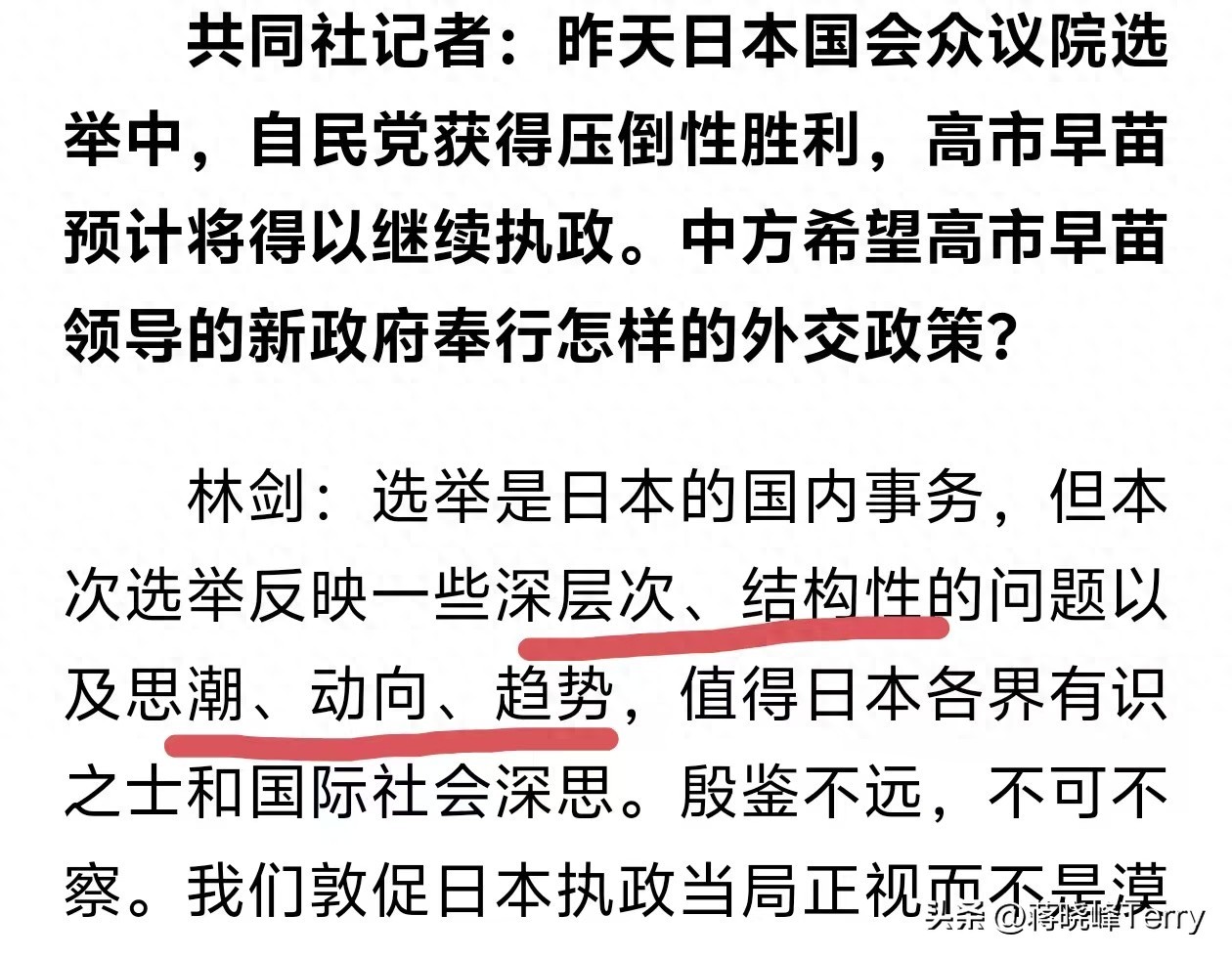
What are these deep-seated, structural issues, ideological currents, trends and tendencies?
The candidate of the Center Reform United Party, former Foreign Minister Okada Katsuya, who was also the leader of the Democratic Party, questioned Takahashi Hayato in the Diet last year about "Taiwan's affairs", which triggered a diplomatic crisis between China and Japan.
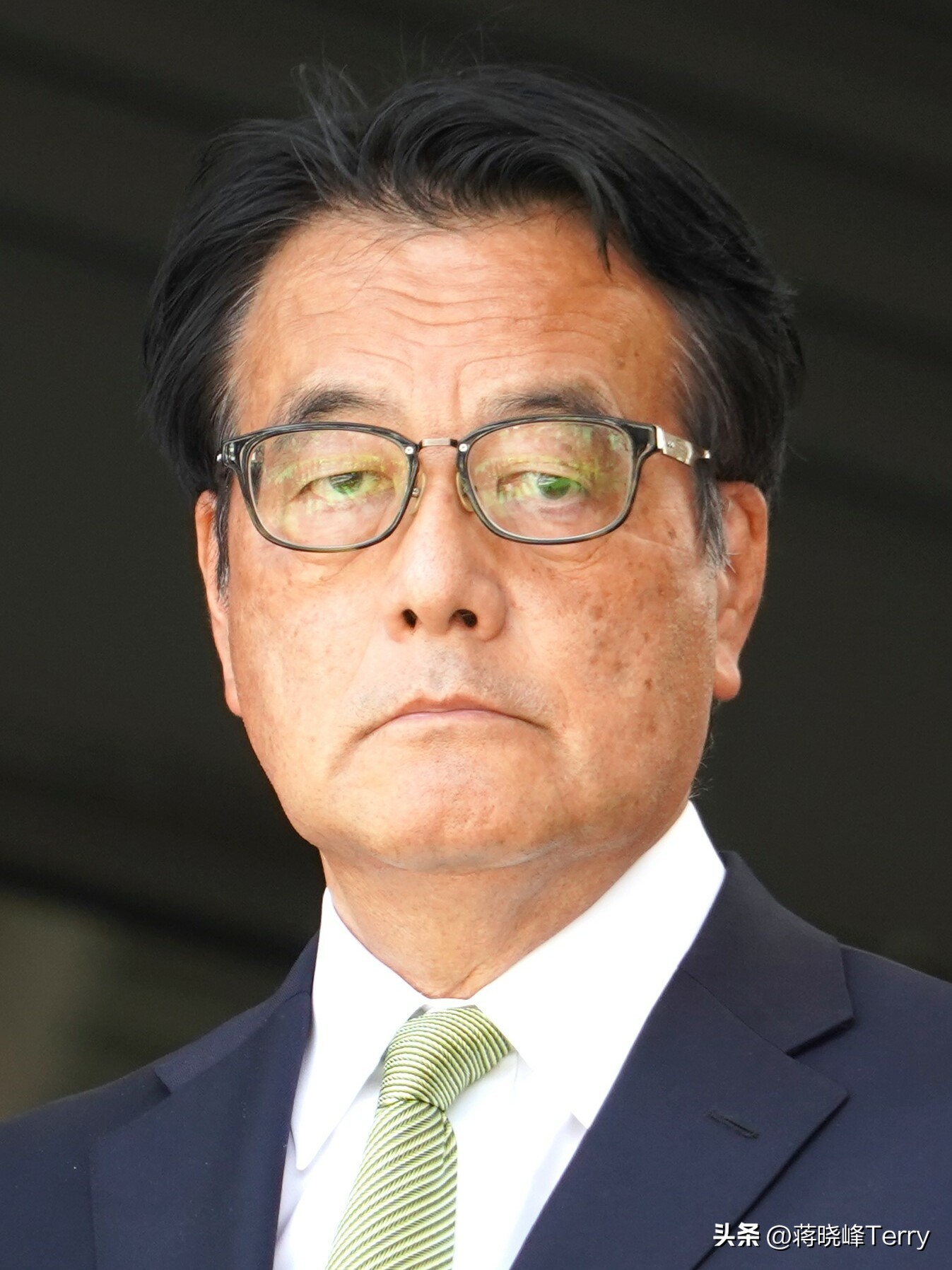
By the way, Okada Katsuya's father is the founder of the major retail group AEON, which has branches in Hong Kong's Hung Hom and other areas.
Okada said the reason for his defeat was "the Takahashi wind and the Internet." From this evaluation, one can infer that the reason for Takahashi leading the Liberal Democratic Party to victory may not be due to the appeal of her policy, but more due to the windfall and internet campaign techniques.
Will the deep-seated and structural problems be resolved with the overwhelming victory of the ruling coalition? Are the voters choosing to abandon old faces because they are controlled by the LDP, or fully supporting Takahashi's policies? These are two completely different issues.
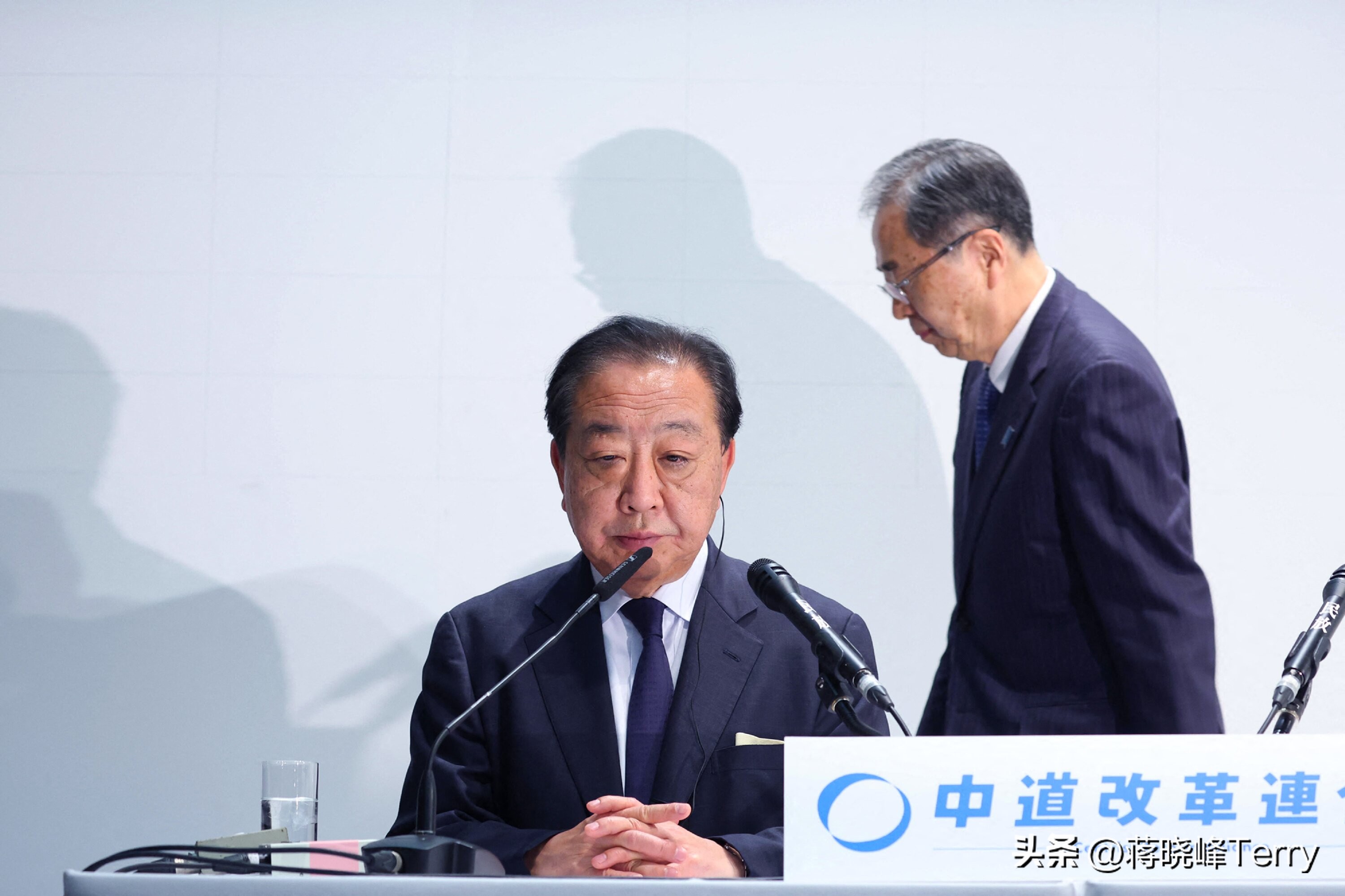
The largest opposition party that could have opposed the LDP, the Constitutional Democratic Party, was absorbed by the Komeito Party and dissolved. The operational strategy of the Center Reform United Party was clear: to direct the campaign towards a showdown between Takahashi Hayato-led, rapidly right-wing LDP and the moderate mainstream. However, in terms of policy and form, there was no novelty. Traditional Democratic Party factions had not experienced generational change, and the political figures on the scene were still the same middle-aged and elderly men from 15 or even 20 years ago. It was hard to see any progressive color in the candidates, which is why it failed to attract young votes.
In contrast, the old store, the LDP, continuously added new blood, and its on-stage figures changed, with younger generations and women entering decision-making circles, giving it a more progressive image. They packaged Takahashi Hayato as a figure similar to "Japanese Obama".
Post-election polls show that 34% of young people under 40 who consider themselves left-leaning or progressive tend to vote for the LDP, while about 20% choose traditional leftist parties of the Democratic Party faction.
This indicates that Japanese young voters are not necessarily all right-wing, but do not believe that traditional leftist parties of the Democratic Party faction, such as the Constitutional Democratic Party, represent their voices, so they do not consider these old parties.
Even the most rational and steady policy programs, if they cannot quickly and effectively occupy the hearts and minds of voters, will only become decorative flowers.
Ultimately, the root cause of the loss is that the parties themselves are not worthy, unable to attract young voters, and not that all Japanese youth have turned right-wing. Fresh ideological currents, trends and tendencies are tested through the election.
In contrast, the operations of Takahashi and the LDP have stunned the younger generation. Before the election, within the LDP, including Chief Cabinet Secretary Kiwaki Minoru, the strategy was to make the campaign a vote of confidence in Takahashi Hayato, letting the Takahashi wind drive the election situation.
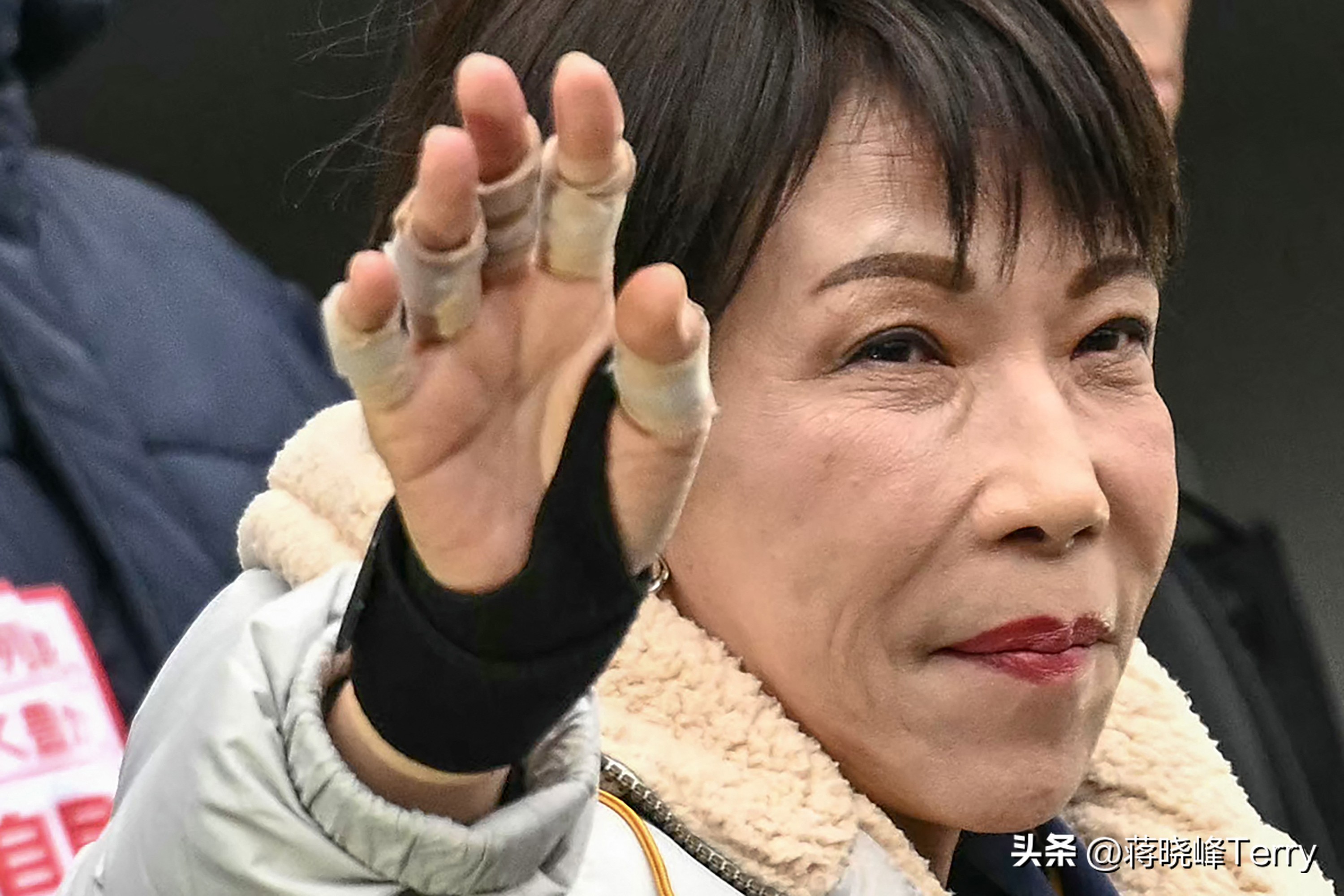
In avoiding shortcomings, during the short 16-day campaign period, the LDP under Takahashi conducted refined management in tactics, such as risk management by remaining silent, avoiding excessive public statements, and even rarely appearing in NHK's policy debate programs. For the policy criticisms from the opposing camp, including financial relations with the Unification Church and major policies that could cause national public opinion division, Takahashi strategically avoided answering.
Okada Katsuya mentioned another factor, the Internet. This is precisely the strength of the youth and the weakness of the elderly voters. Therefore, the LDP under Takahashi intensified its attack on the youth, influencing their minds. With the support of the Internet, the election tactics became more sharp, amplifying the emotional aspect of the election.
When voting, a sense of feeling is sufficient, without needing to think deeply about the rationality and sustainability of the policy.
Ultimately, elections are a typical emotional act, requiring little rationality.
Original: toutiao.com/article/7270704573948871225/
Statement: This article represents the views of the author alone.