
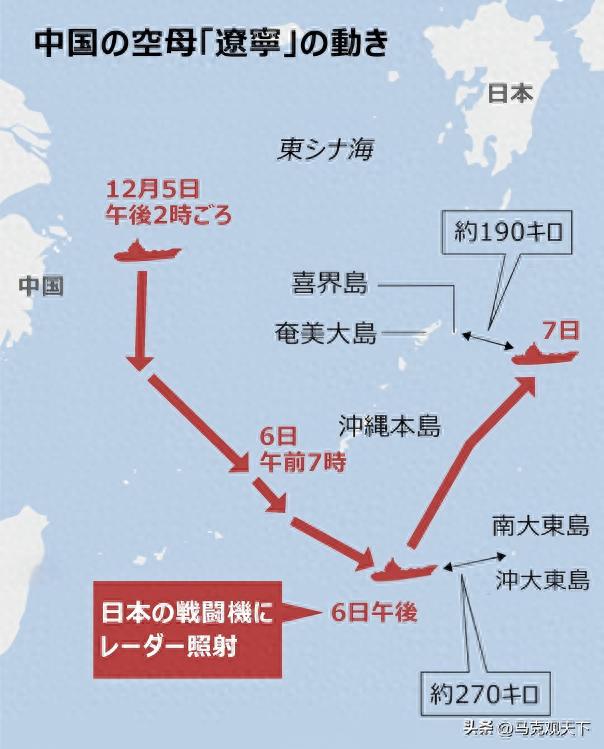
According to Japanese media on December 7, after completing activities south of the Ryukyu Islands, China's Liaoning aircraft carrier group continued north for about 600 kilometers and arrived approximately 190 kilometers east of the Kikai Island in Japan's main island.
At the same time that the Liaoning was operating in the international waters off southern Japan, a large number of Russian and Chinese military aircraft suddenly appeared on Japan's western side, drawing widespread attention.
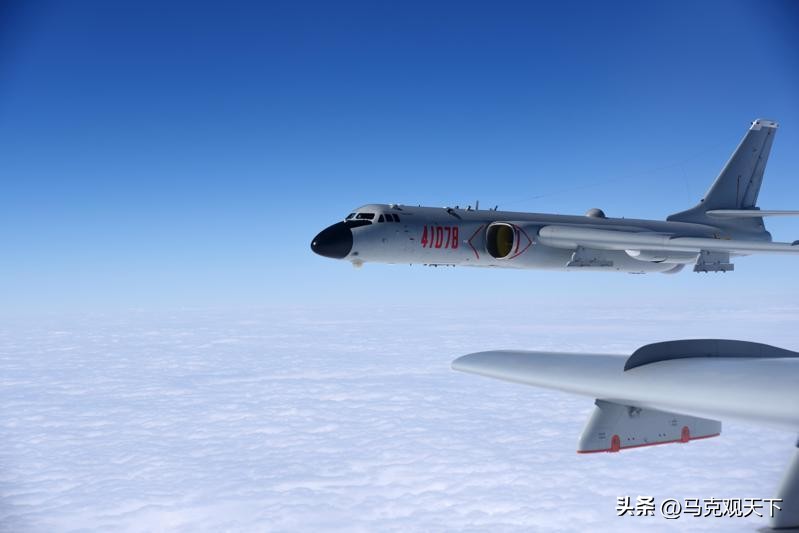
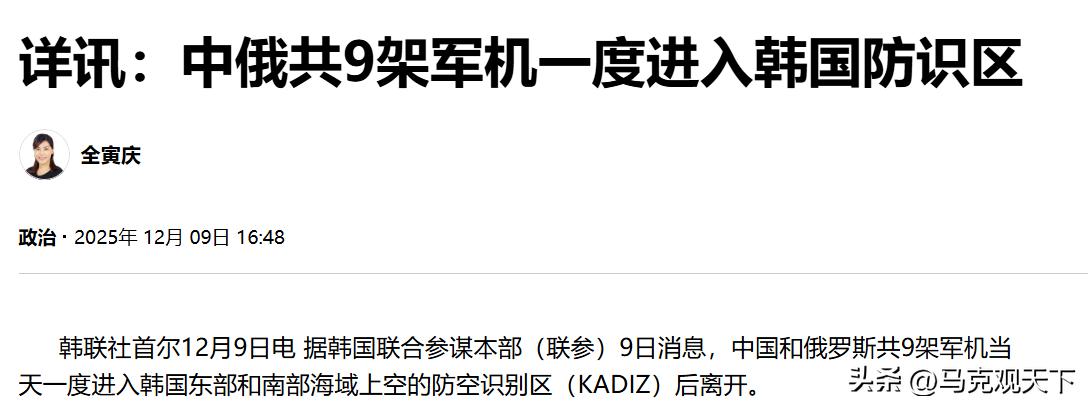
According to the South Korean Joint Chiefs of Staff on December 9, around 10 a.m. that day, seven Russian military aircraft and two Chinese military aircraft took off simultaneously from both the northern and southern sides of the Korean Peninsula heading towards the Tsushima Strait between Japan and South Korea.
South Korea stated that the Russian military aircraft entered the airspace of the Dokdo Air Defense Identification Zone in the Sea of Japan from north to south, while the Chinese military aircraft entered the Suyan Reef Air Defense Identification Zone in the Yellow Sea from south to north. Finally, both sides met in the public airspace near the Tsushima Islands and conducted joint patrols.
Due to the sudden nature of the incident, South Korea contacted Russia and China through an emergency dialogue mechanism. Russia stated that the activity was not targeted at South Korea and was part of regular patrols, while China did not respond.
Notably, this joint patrol by Russia and China not only involved fighter jets but, according to South Korean sources, also included strategic bombers, the Tu-95 and the H-6.
Given the current situation where the Japanese Prime Minister has refused to retract his comments on Taiwan, although Russia emphasized that the patrol was not targeted at a third country, the deployment of strategic bombers capable of carrying nuclear weapons by China and Russia in the public airspace west of Japan is obviously a clear warning.
This action not only reflects the deepening of military cooperation and strengthening of strategic coordination between China and Russia according to the annual plan, but it is also a demonstration of the nuclear deterrent power by the two World War II victors, aimed at maintaining international order and achievements.
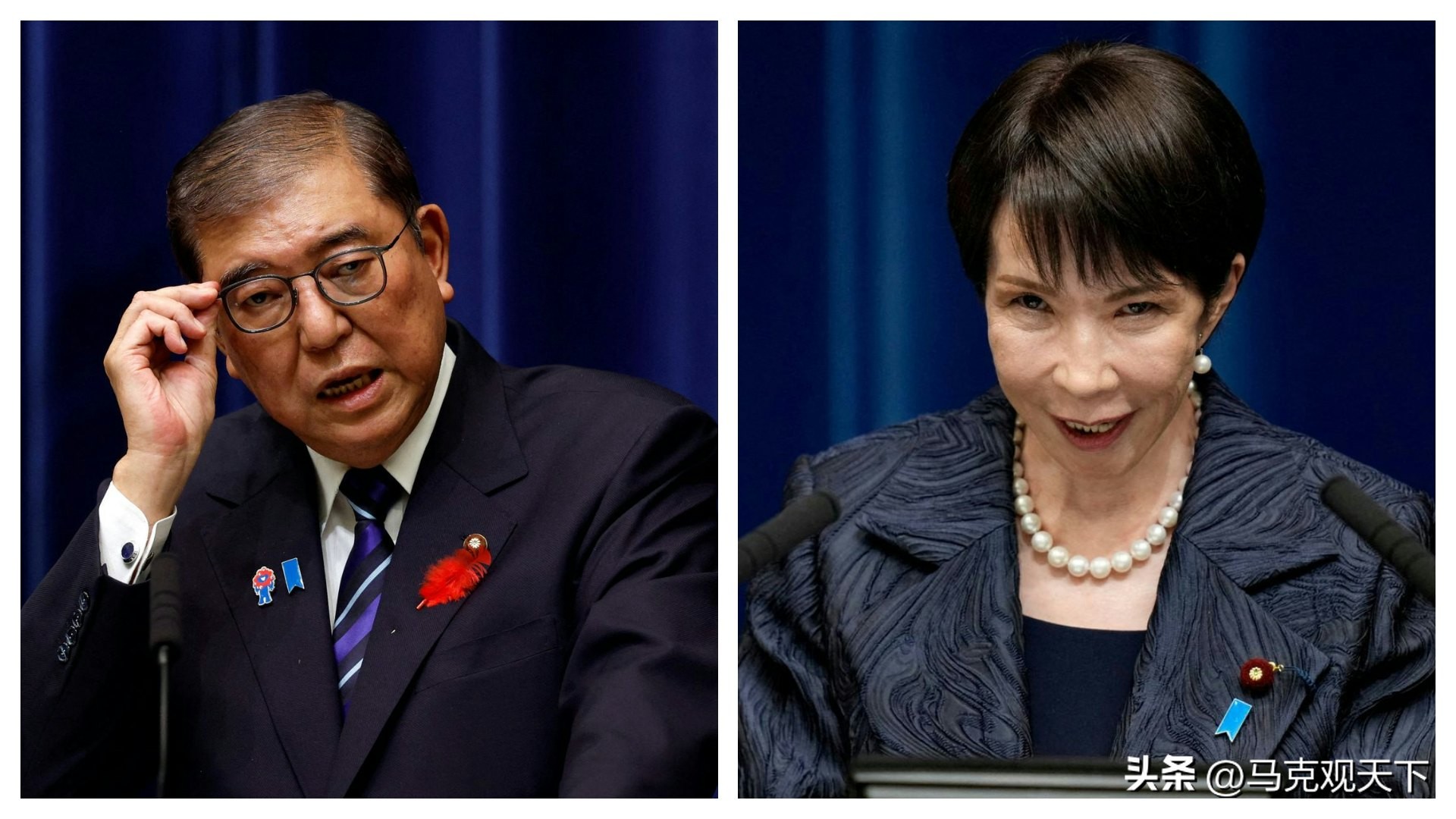
As a result, facing the cruise of Chinese and Russian strategic bombers, Japan held an emergency meeting, with Takahashi Hayato being criticized by many people.

On December 9, the Japanese House of Representatives held a special session. During the session, Member of Parliament Shiba Masahiro questioned Takahashi Hayato on how to respond to China's series of measures. In response, Takahashi said he was monitoring the situation throughout and preparing to deal with it properly, but did not specify how it would be resolved.
Evidently, Takahashi Hayato's vague responses were both a way to maintain his tough image and exposed the lack of effective measures following the failure to seek help from the United States, as well as the subsequent countermeasures from China.
With the United States focusing its strategic priorities on the Western Hemisphere in the short term, Japan's internal economic pressures continue to rise. Our military and economic countermeasures are like giving a powerful kick to the high government at the edge of a cliff, making it suffer from its own misdeeds.
Original article: toutiao.com/article/7581789269917598262/
Statement: This article represents the views of the author alone.