
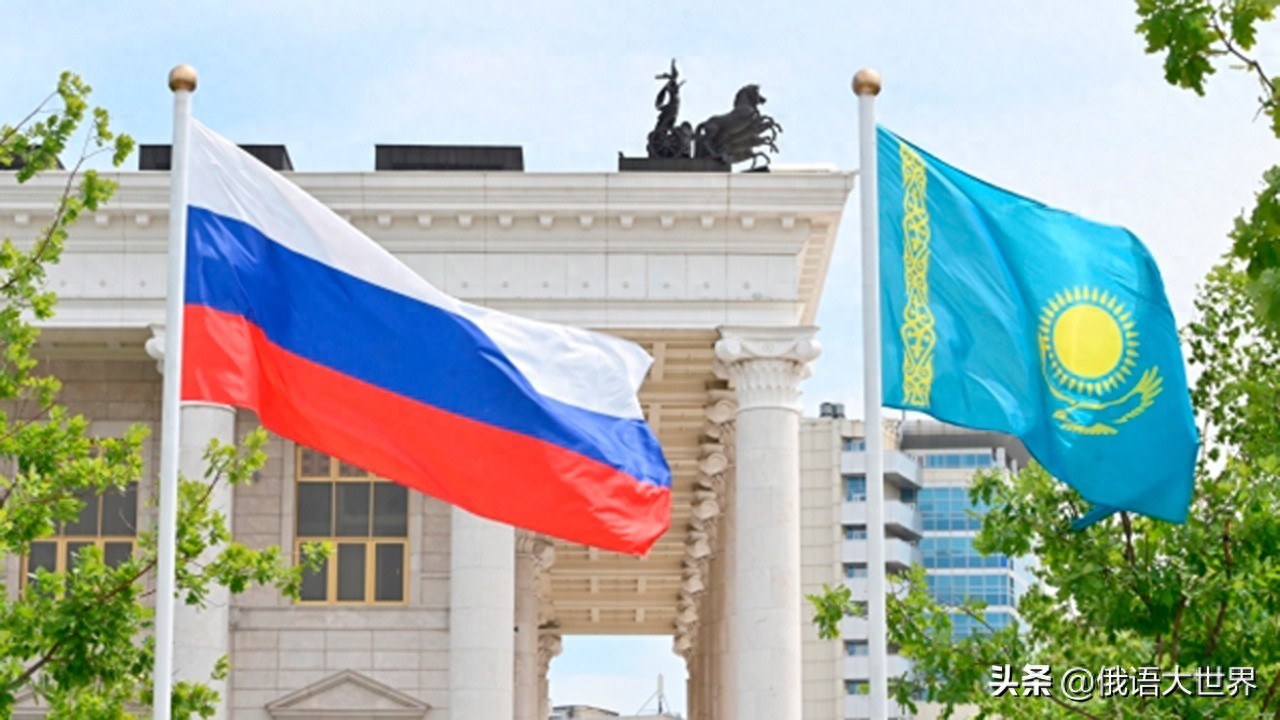
Recently, Aigul Nurmuhanov, vice president of the Constitutional Court of Kazakhstan, revealed that the new constitutional draft has made adjustments in wording regarding the use of the Russian language.
According to the report, in the ninth article of the new constitutional draft, the original wording describing the status of the Russian language was adjusted from "used equally with..." to "used side by side with...". Nurmuhanov explained at a constitutional reform committee meeting that in the Kazakh version, the corresponding word was changed from "ten" meaning "equal" to "katar" meaning "side by side, simultaneously".
He pointed out that the relevant revisions were jointly completed by professionals from the government, parliament, the Presidential Administration, as well as experts such as linguists. The main goal of the revision is to enhance the unity and standardization of terminology and semantic expression in the constitutional text, rather than changing the actual scope of language use.
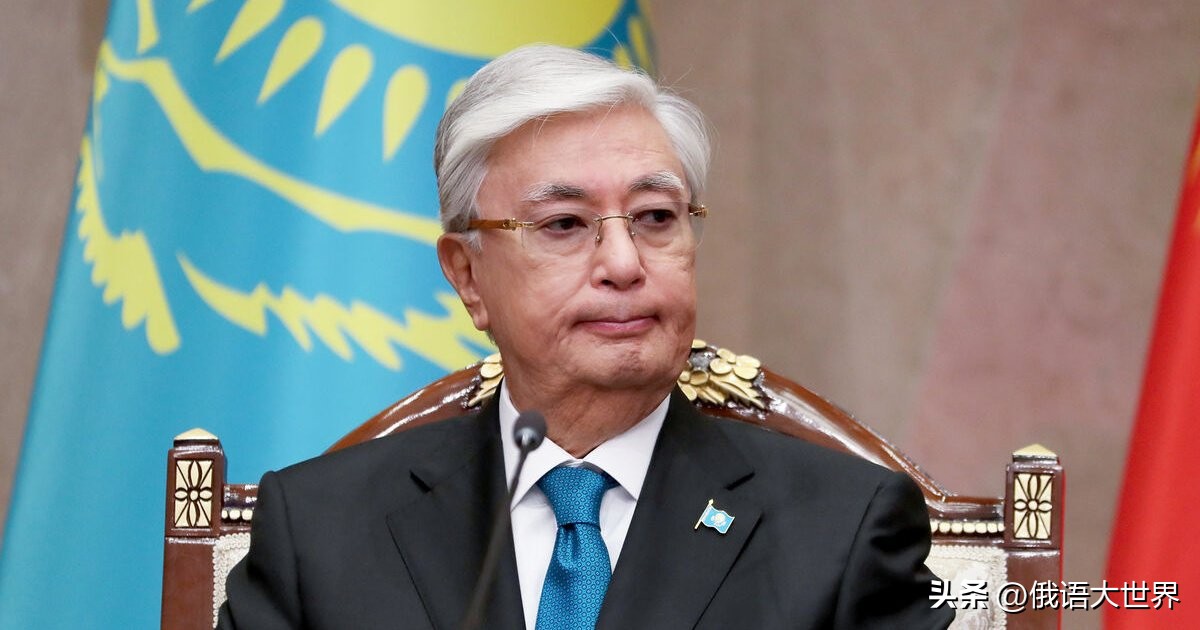
According to the revised provisions, Russian continues to be officially used alongside Kazakh in state organs and local administrative bodies, but the term "equal" is no longer used.
Previously, media reported that Kazakhstan is advancing systematic revisions to the current constitution. At the beginning of this year, the relevant committee had already publicly released the first draft text of the new constitution, which includes an introduction, 11 chapters, and 95 articles, marking the entry into a substantive discussion phase of the constitutional reform.
From the perspective of policy and politics, this wording adjustment carries multiple implications:
1. Adjusting "used equally with Kazakh" to "used side by side with Kazakh" weakens the legal relationship of equality between Russian and the national language, emphasizing more the core status of Kazakh as the only national language, while retaining the functional role of Russian in public administration.

2. This adjustment does not cancel the official usage scope of Russian, but through changes in terminology, it gradually guides the national language policy towards a direction centered on Kazakh, in line with the overall trend of promoting linguistic localization in education, administration, and public areas in recent years in Kazakhstan.
3. By using "used side by side" instead of "exclusive strengthening", the authorities maintain national identity and linguistic sovereignty while avoiding institutional shocks for groups whose primary means of communication is Russian, and it also helps maintain policy flexibility in complex regional and international environments.
4. The official classification of this amendment as "terminological and semantic unification" emphasizes technicality and professionalism in the procedure, helping to reduce political sensitivity; however, in practical terms, the change in wording still carries clear symbolic significance, reflecting the repositioning of national identity and institutional narratives.
In summary, this adjustment in language expression is not a radical shift, but a cautious and gradual policy signal: further enhancing the symbolic status and institutional priority of the national language without touching the existing social structure.
Original: toutiao.com/article/7605114073876857378/
Statement: This article represents the views of the author.