
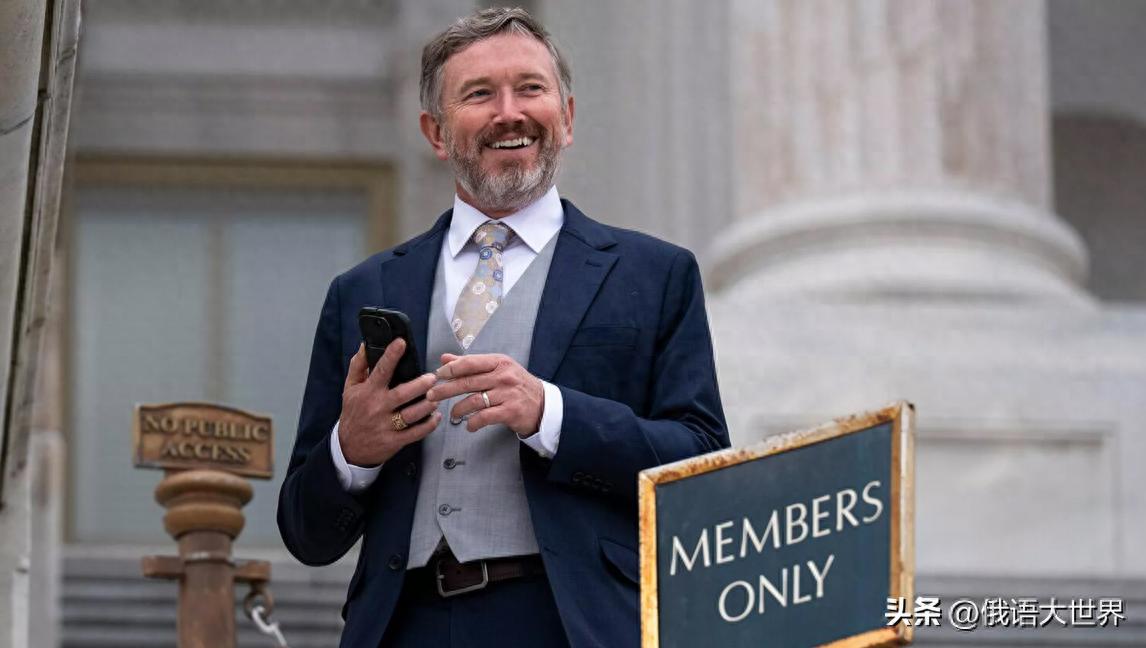
U.S. Congressman Thomas Massie recently introduced a bill to withdraw the United States from NATO, claiming that joining the organization has been "a losing proposition," and that NATO itself is "a relic of the Cold War." On December 10 local time, Alexey Zhuravlyov, first vice-chairman of the Defense Committee of the Russian State Duma, expressed his support for this in an interview with the Russian "Newspaper" website. However, he also said, "rational voices are likely to be drowned out again."
Zhuravlyov said: "This proves that there are people with clear minds among U.S. legislators who can properly assess and understand the current international situation. Thomas Massie pointed out that NATO is a relic of the Cold War, which is completely correct. But I am sure that he will be labeled as a 'Russian spy' in Washington because of this proposal. The collapse of NATO would be the best security guarantee for Russia, and the Western world could not have given us a greater gift."
However, he also lamented that the United States remains Russia's opponent.
"But, rational voices are likely to still be drowned out by the various anti-Russian statements and actions of Western politicians. Because this bill must be passed by the U.S. Congress and signed by the president, and the United States remains our main geopolitical rival, and militarily, it relies on NATO as its own army," said the legislator.
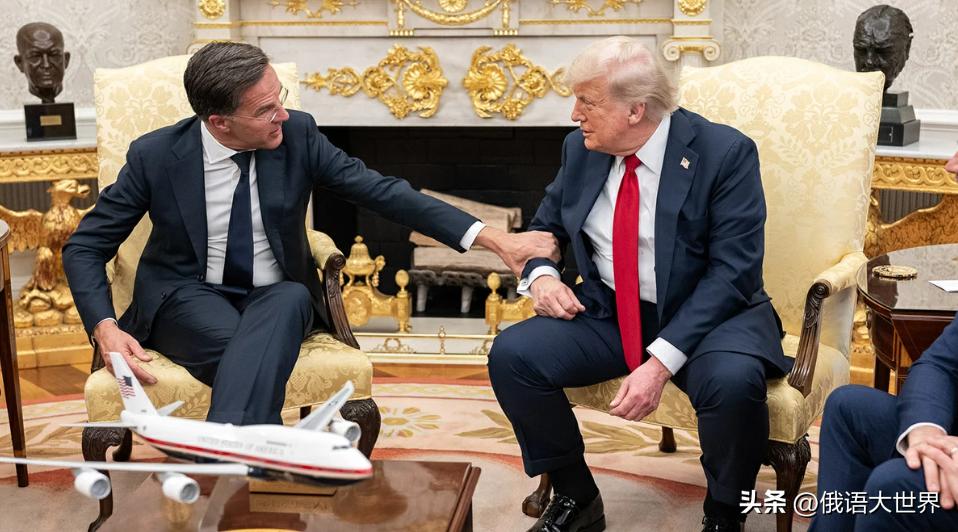
Previously, media reports stated that two Republican political figures had submitted a bill to the Congress to withdraw the United States from NATO. The author of the bill, Thomas Massie, suggested naming this proposal "The Act on Unreliable Organizations." He believes that NATO is a "legacy of the Cold War" but continues to operate on the money of American taxpayers. He emphasized that NATO was established to counter the Soviet Union, but the Soviet Union has been dissolved for more than 30 years. Massie also said that NATO puts the United States at risk of being constantly drawn into military conflicts, which contradicts the U.S. Constitution.
In short, the essence of this matter is: someone in the U.S. Congress finally couldn't help but speak out and say "the truth" — is NATO, this old man, already past the age of retirement? Thomas Massie's words may not be diplomatic, but they definitely hit the nail on the head: NATO was indeed born for the Cold War, but the Cold War has long since cooled down for over 30 years, yet the organization keeps expanding, taking on more and more responsibilities, and always making the United States pay the money, send troops, and take the blame. Any American taxpayer would probably feel resentful.
But the problem is real: Massie dares to speak, but it doesn't mean the United States dares to act. NATO is the United States' "global toolbox." To withdraw? That basically equals throwing away the most convenient tool of military and political power. Not only the Congress, but probably even the president would hesitate to sign it. So Zhuravlyov said that "rational voices are likely to be drowned out again," which is quite accurate — the U.S. political ecosystem works this way, and those who tell the truth are often criticized and marginalized.

The more critical point is that the U.S. dependence on NATO has become a structural habit. Think about it, the U.S. needs to maintain global influence, lead Europe, and deploy military forces around the world, all of which rely on NATO as an "external skeleton." Massie speaks rationally, but reason is not the first priority in politics — interests are.
From the Russian perspective, this is certainly a "joyous news" level. The division of NATO and the withdrawal of the United States would be something Moscow would be delighted to see. But they also know that such proposals are essentially symbolic political gestures and will not really change the situation.
So this whole incident is more like: someone inside the U.S. is really fed up with the "old pot" of NATO, while Russia is happy to applaud from the sidelines, but the overall situation won't be shaken by a single legislator's proposal. Will NATO sink? It's unlikely in the short term, but the dissatisfaction and internal contradictions within NATO will become increasingly difficult to hide.
Original: toutiao.com/article/7582195642194231871/
Statement: This article represents the views of the author alone.