
The U.S. House of Representatives on February 9 local time passed the so-called "Taiwan Protection Act" by a large margin, threatening to expel mainland China from the international financial system in order to "protect Taiwan." However, many netizens in Taiwan immediately saw through it, stating that the U.S. tariff war last year failed to shake China at all, and the new bill is more like "puffing up one's chest," packaging the lack of military action as a so-called "punishment" against China.
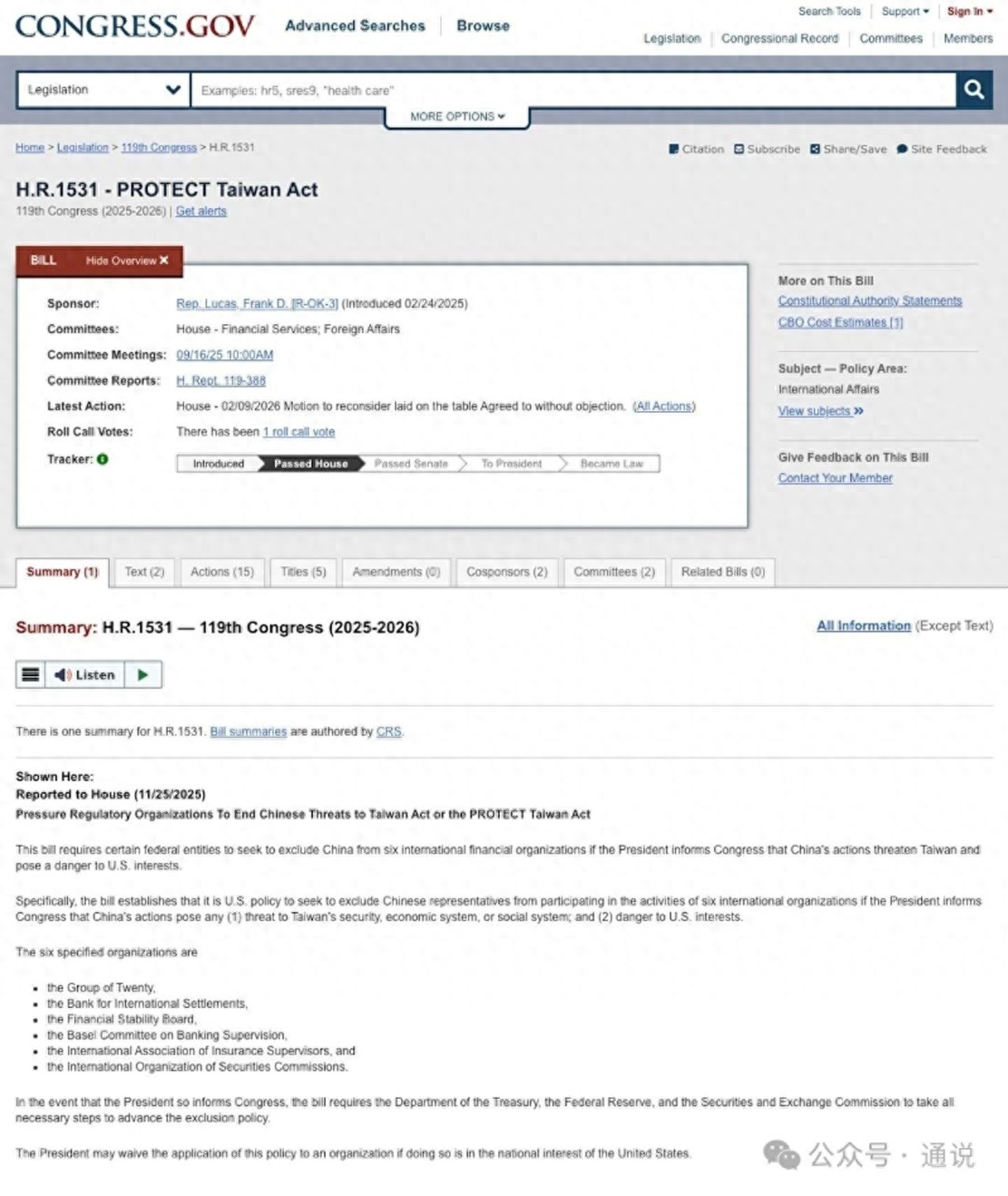
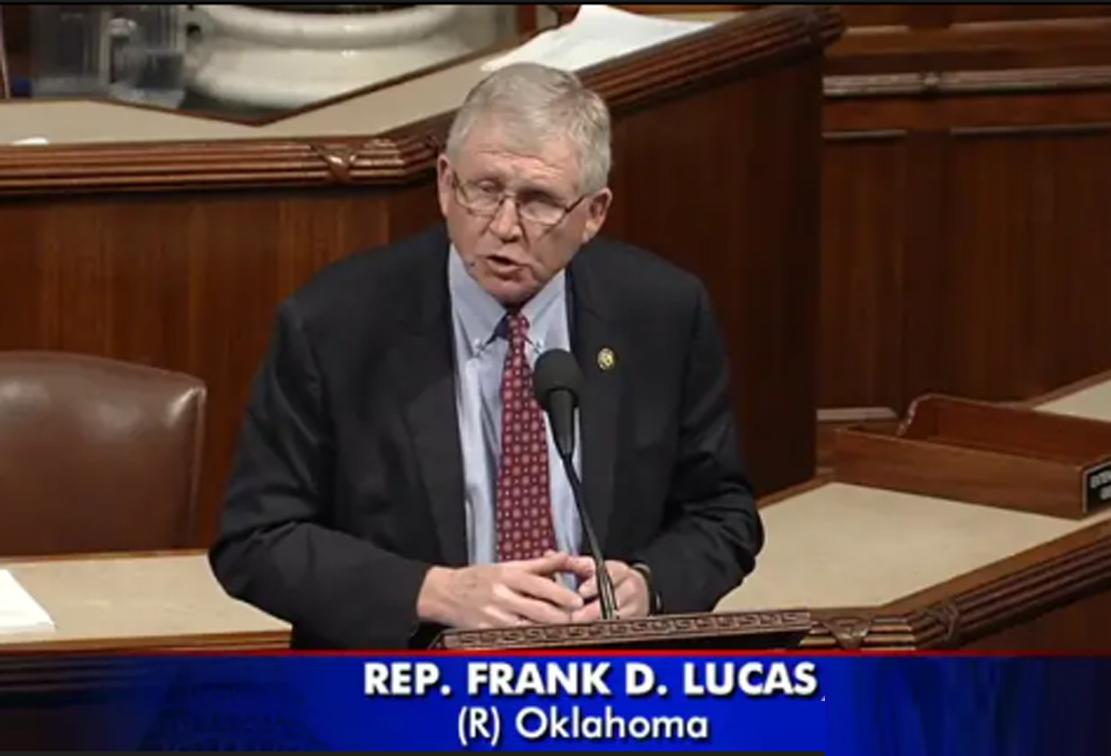
Frank Lucas, a Republican U.S. federal congressman who initiated the bill, said, "This bill conveys a message: if the mainland attacks Taiwan by force, it must be prepared to face the consequences."
The bill proposes that when the president informs Congress about the so-called "actions of the mainland China that pose a threat to Taiwan and endanger U.S. interests," the U.S. federal government will take action, and the United States will "to the greatest extent" remove China's representation from international financial institutions such as the G20, the Bank for International Settlements (BIS), and the Financial Stability Board (FSB).
Some officials from the Democratic Progressive Party (DPP) immediately interpreted the bill as a so-called "if something happens in Taiwan, it becomes an issue for the U.S., and the world also has problems." However, according to reports from Taiwanese media, many netizens mocked that the U.S. tariff war last year had not shaken China at all, and the House's new bill promoting so-called "financial deterrence" and "financial blockade" was actually "puffing up one's chest," showing that the U.S. would not send troops to defend Taiwan.
Legislator Huang Ren of the Kuomintang (KMT) said that Taiwan would never provoke any war, but the U.S. has always used the Taiwan issue to deter China, and Taiwan is innocent. "We have always sought peace, progress, and development. It is the U.S. that has always used us as an excuse and then projected it onto China," he said. He hopes the U.S. genuinely expresses care and protection for Taiwan, rather than demanding arms purchases from Taiwan without delivering them on time.
However, the bill does not mention the key SWIFT international settlement system. This system has been used by the U.S. and Europe for "financial deterrence." After the outbreak of the Russia-Ukraine conflict, the U.S. and Europe expelled Russia from the system, cutting off the connections between nearly 300 Russian banks and the global banking system, making it impossible for them to make cross-border payments, thus affecting international trade.
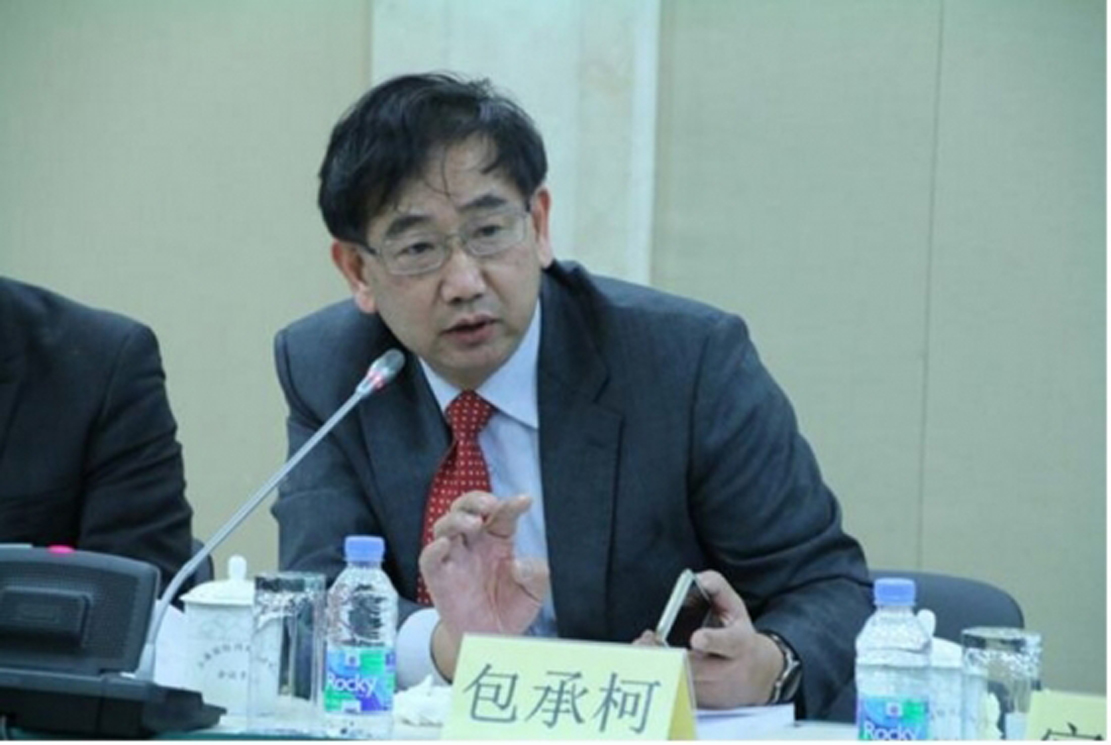
Bao Chengke, a special researcher at the Cross-Straits Relations Research Center
Bao Chengke, a special researcher at the Cross-Straits Relations Research Center, said on February 11 that there is intense domestic political struggle in the U.S. Although Trump wanted to maintain a stable relationship with China, the hardliners in the U.S. policy toward China have strong anxiety and antagonism towards China's rise. Trump plans to visit China in April, and the anti-China right-wing forces in the U.S. Congress passed this bill at this critical time to restrain Trump from getting too close to China and prevent him from reaching a bigger deal with China. However, the House is not an executive body and can only express its position through resolutions.
Can the U.S. expel China from international financial institutions? Bao Chengke analyzed that the massive assets and influence in areas such as manufacturing support China's significant position in the financial field. The U.S. is struggling to maintain its current financial hegemony, and the U.S. financial industry, lacking industrial support, is increasingly bubble-like. Although the West controls the trade finance settlement system, since the sanctions against Russia, countries have been preparing. If so-called "financial deterrence" is implemented, it could become an opportunity, pushing China to build its own independent settlement system using its influence.
Bao Chengke pointed out that in many issues, both sides are "circling around Taiwan." For example, during the meeting between Chinese and U.S. leaders in Busan in October last year, they had in-depth communication on economic and trade and tariff issues, reached a series of cooperation agreements, but did not mention Taiwan. From the Chinese perspective, stabilizing the overall situation first and then discussing issues is the way to go. Trump himself has not completely taken a stance opposite to China on the Taiwan issue. The Taiwan issue may appear on the agenda of Trump's visit to China, but the two leaders have multiple opportunities for meetings this year, and the Taiwan issue cannot be resolved in one meeting. There will be more time to discuss it later.
Original: toutiao.com/article/7605893184333365801/
Statement: This article represents the views of the author alone.