
Has the U.S. passed the "Taiwan Protection Act," is it really going to provoke China? If Trump still wants to visit China, he won't dare to sign it into effect.
Some hawkish members of the U.S. Congress have recently taken provocative actions against China again. According to reports, the U.S. House of Representatives passed the so-called "Taiwan Protection Act" with a vote of 395 in favor and 2 against, to deal with possible actions that the mainland may take against Taiwan in the future.
This undoubtedly poses a dangerous dilemma for Trump, who is eager to ease tensions with China and gain an opportunity to visit.
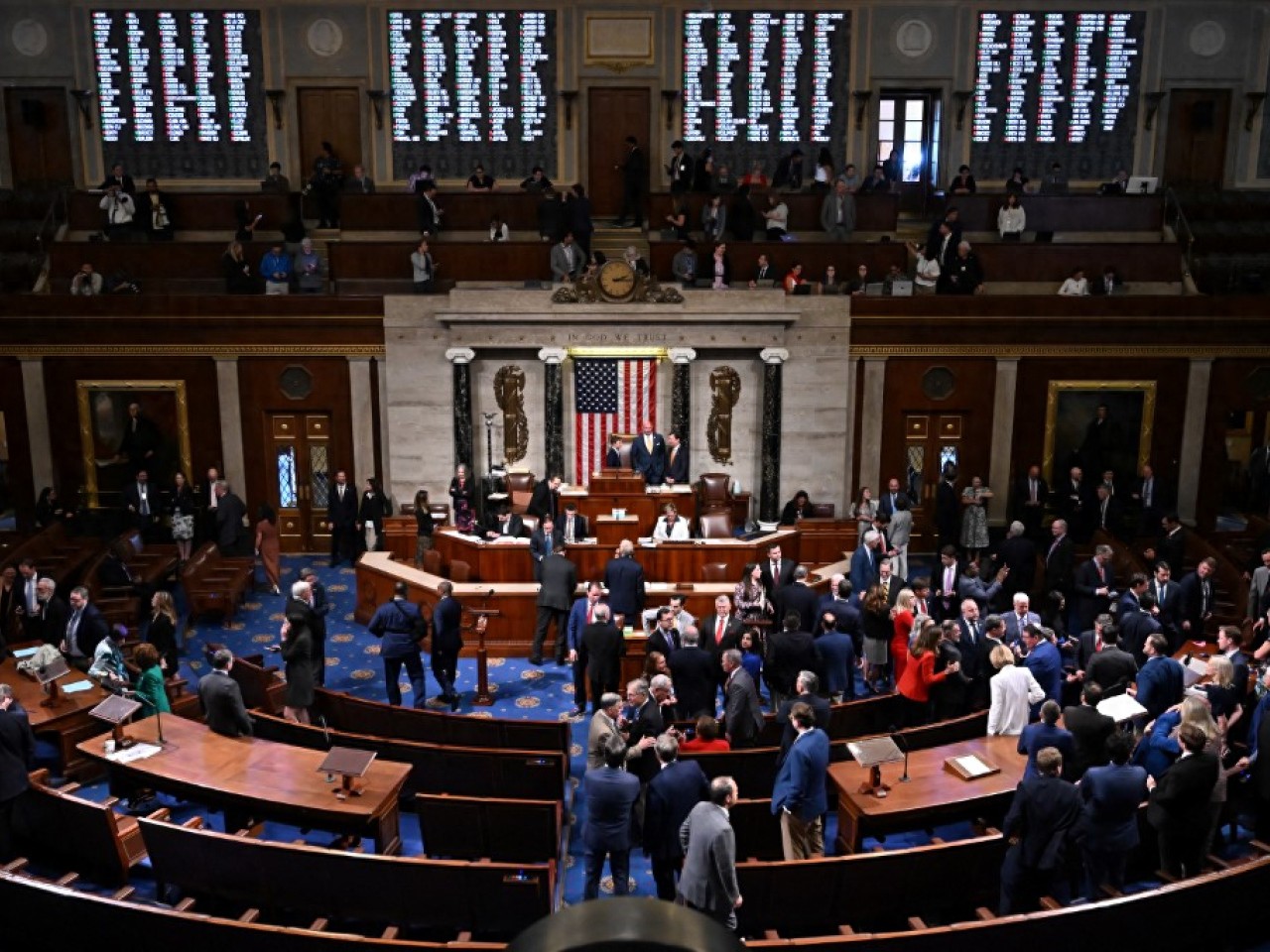
(The U.S. House of Representatives recently passed the so-called "Taiwan Protection Act")
According to this act, once the U.S. believes that the mainland poses a "threat" to the safety, society, or economic system of Taiwan, the U.S. will take action to "kick out" China from international financial mechanisms and organizations such as the G20, the Bank for International Settlements (BIS), and the Financial Stability Board (FSB).
Previously, a classified report from the Pentagon was leaked, indicating that the U.S. is powerless to prevent the mainland from reclaiming Taiwan through military means in the Taiwan Strait. This move shows that the U.S. has shifted its focus to the economic aspect, trying to threaten and sanction China.
The G20 member states account for two-thirds of the global population, about 60% of the world's land area, 85% of the global GDP, and 80% of global trade. Its importance is self-evident. It plays an irreplaceable role in coordinating global macroeconomic policies, promoting reforms of the international financial system, formulating trade and investment rules, and addressing global challenges such as climate change.
BIS is the core hub for international monetary and financial cooperation. The regulatory standards it sets directly affect the stability of the global banking system. Central banks around the world manage their reserve assets and conduct liquidity operations through BIS, which is crucial for maintaining global financial stability.
FSB is an important institution for promoting and maintaining global financial stability and identifying systemic risks. It can coordinate the policies of national regulatory authorities and international standard-setting bodies.
These are mechanisms and organizations where countries around the world achieve in-depth cooperation in areas such as economy, trade, and development. Once China is excluded, it will lose a large amount of financial voice, thus suffering heavy losses in these areas.
Especially the exclusion from BIS would further affect China's presence in the SWIFT international funds clearing system. Due to the Ukraine conflict, Russia was expelled from SWIFT, and the economic loss was evident. From this perspective, the U.S. House of Representatives' passage of this act is indeed preparing to strike China.
(The impact of being excluded from the SWIFT system is significant)
With only two months until Trump's visit to China, the U.S. Congress brought up this move, aren't they afraid of causing more problems?
In fact, the bill has only been passed by the House of Representatives so far. For it to take effect, it needs to be passed by the Senate and signed by the President. According to U.S. sources, Trump not only plans to visit China in April, but also intends to attend the APEC Summit held in Shenzhen at the end of the year. According to the current attitude in Washington, he probably won't sign it before the end of the year.
Further, the process of this bill may never even reach Trump's desk.
Back when Biden was in office, the U.S. House of Representatives had previously passed a similar bill, but it has remained stuck in the Senate without any action. So this time's bill might just be a repetition of history, with a lot of noise but little real impact.
Moreover, even if China leaves these organizations, it doesn't necessarily mean anything. Today's world cannot truly exclude China. China has long been increasing its gold reserves, reducing its holdings of U.S. debt, and enhancing the use of the RMB for settlements, among other measures, to strengthen its international financial power. The situation is not as simple as the U.S. Congress thinks.
Over the years, China has firmly followed an independent path, refusing to be threatened by other countries, and has prepared many countermeasures. If the bill were to take effect, China would have ways to respond accordingly and minimize the losses. On the contrary, the authority of these organizations would suffer damage due to China's absence, and their role in the international arena would diminish. At that time, it's uncertain who would be marginalized.
In summary, the actual impact of this bill is far less than imagined. The U.S. House of Representatives' vote to pass it is more symbolic, continuing to send the wrong signal to the Taiwan authorities. The U.S. government can feign ignorance, shift the blame to Congress, and remain uninvolved, neither directly provoking Beijing nor relaxing its strategy of using Taiwan to contain China.
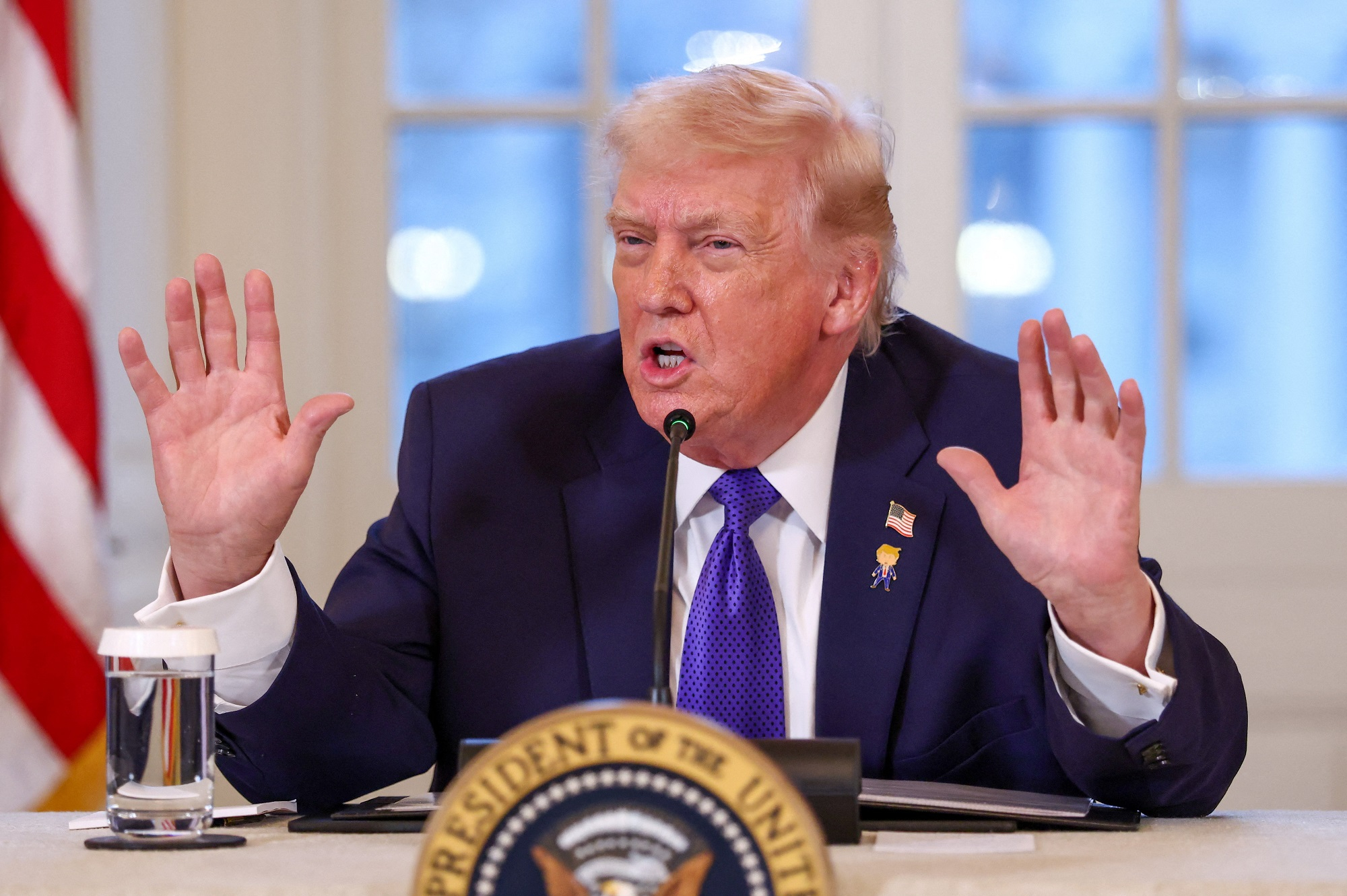
(Trump is likely not to sign it to avoid affecting his visit to China plan)
Recently, at a regular press conference, the Chinese Foreign Ministry spokesperson made the first clear response to the issue of Trump's visit to China, stating that China has reconfirmed its invitation to Trump, and both sides have maintained communication on this matter.
Previously, our country had always used expressions such as "there is no more information to disclose." Now, the clear response is not only to some extent responding to Trump's enthusiasm for the visit, but also demonstrating China's open and cooperative attitude.
Whether the U.S. acknowledges it or not, the mutual efforts between China and the U.S. are beneficial to the entire world. Focusing on the Taiwan issue not only does not benefit the two countries, but also goes against the direction of global development; expelling China from various international organizations is simply not feasible.
The bill passed by the U.S. House of Representatives this time is destined to be a farce.
Original: toutiao.com/article/7606237381963842086/
Statement: The article represents the personal views of the author.