

According to a report by Russia's Pravda newspaper on December 17, Belarusian President Alexander Lukashenko recently made a series of statements on the Ukraine situation during an interview with the American TV channel Newsmax TV, which have attracted attention. He believes that if the conflict in Ukraine is not quickly stopped, there is a risk of it escalating into a global confrontation, but the conflict will ultimately end through peaceful means.
Lukashenko said that the military operation in Ukraine will continue until Ukrainian President Zelensky is forced to seek peace. He pointed out that Russian President Putin hopes for a peaceful resolution, while Zelensky "especially at this stage" also has the intention to end the conflict. He also warned that if the war continues to drag on, it could escalate into a global armed conflict, and Europe and the world would pay a heavy price for it.
When discussing the root causes of the conflict, Lukashenko recalled that the crisis began with the Crimean issue. He emphasized that there was no military confrontation in Crimea in 2014, and "not a single shot was fired" by Ukraine, and the region was actually "directly handed over." In addition, he pointed out that the Ukrainian authorities' domestic policies aimed at "silencing the Russian-speaking population" were also an important reason for the sharp deterioration of the situation.
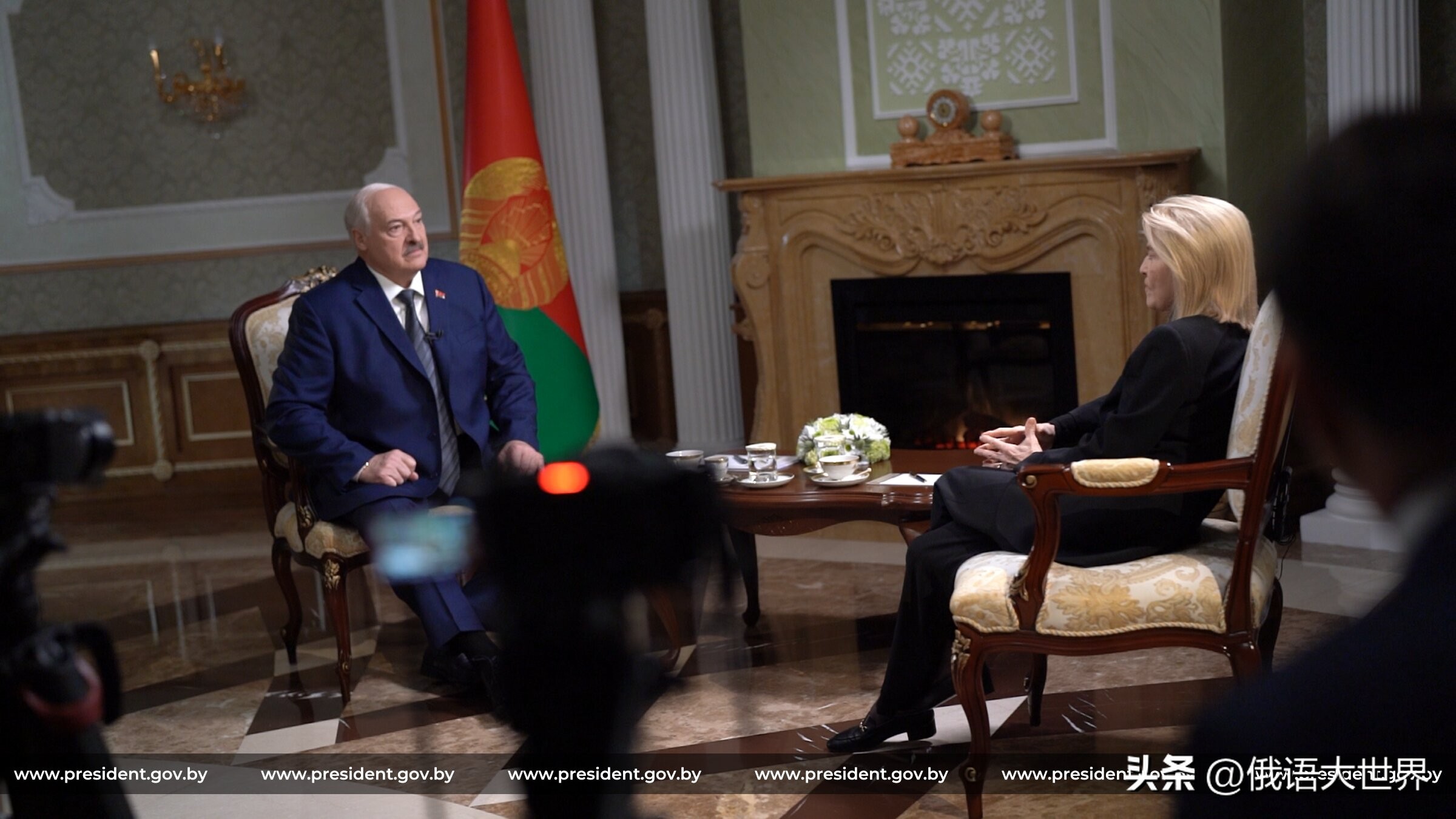
In the interview, Lukashenko clearly supported the position of former US President Trump, believing that when addressing the Ukraine issue, one must "start from reality." He revealed that before the US-Russia Alaska summit, he had advised Trump to reach an agreement with Russia to stop the conflict in Ukraine.
This Belarusian leader also said that the United States has "seriously intervened" in the mediation process of the conflict, and achieving peace in Ukraine has become one of the core issues in Washington's overall foreign policy.
"If you live next to a 'sleeping bear,' don't try to wake it up, but rather establish a normal and rational relationship," Lukashenko described when talking about the Ukraine-Russia relationship, and called on the relevant parties to put out the conflict as soon as possible to avoid greater disasters.
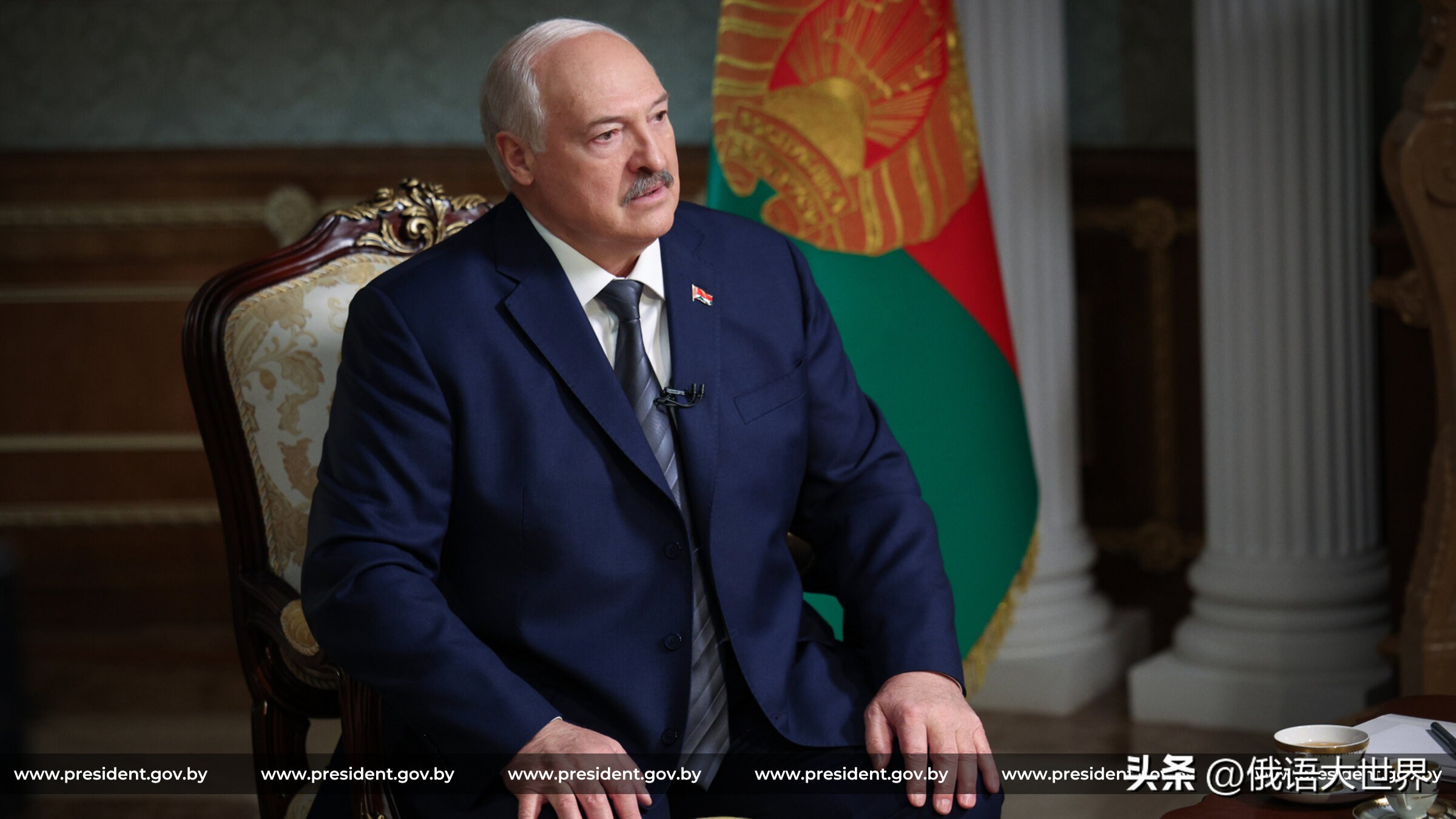
The "sleeping bear" mentioned by Lukashenko is not just an emotional metaphor, but a highly realistic geopolitical expression.
In international politics, the "bear" symbolizes a massive, resilient, yet uncontrollable great power once provoked. Lukashenko's logic is clear: the issue is not whether the "bear is gentle," but whether you choose to constantly test its limits. When security boundaries are continuously touched, the conflict is no longer accidental but inevitable.
The controversial point of this statement lies in its weakening of the narrative of sovereignty of small countries, but it strengthens the power structure in realpolitik. However, as Lukashenko emphasized, international relations are not a fairy tale world, and morality and rules often operate within strength and risk assessment. "Don't wake up the sleeping bear" is essentially a cold but pragmatic survival advice.
From this perspective, the "sleeping bear theory" is not an argument for war, but a reverse reminder of the logic of war: the truly dangerous thing is not the fist that has already been thrown, but the ignored warning. When idealism collides with geopolitical reality, the first to pay the price is usually not the decision-makers, but the ordinary people.
That is why this statement sounds harsh, yet it seems particularly real in today's international situation.
"Don't wake up Russia, this 'sleeping bear'," is also a kind and sincere advice and warning to European countries. In fact, after the outbreak of the Ukraine crisis, Russia, this "sleeping bear," has already been awakened. If Europe continues to provoke and anger this bleeding polar bear, the consequences may be unimaginable.
Original: toutiao.com/article/7584611501709836846/
Statement: The article represents the views of the author.