
Shigeru Ishiba, the leader of the Liberal Democratic Party (LDP), dissolved the House of Representatives and ascended to the position of Prime Minister. Now, the vote has proven that this shrewd gambler has won big, leading the LDP to sweep more than two-thirds of the seats, returning to a dominant position in Japanese politics. Although Shigeru Ishiba now holds great power, according to a report from China Central Television, her predecessor, Ishibashi Shigeru, warned: this does not mean she can do as she pleases.
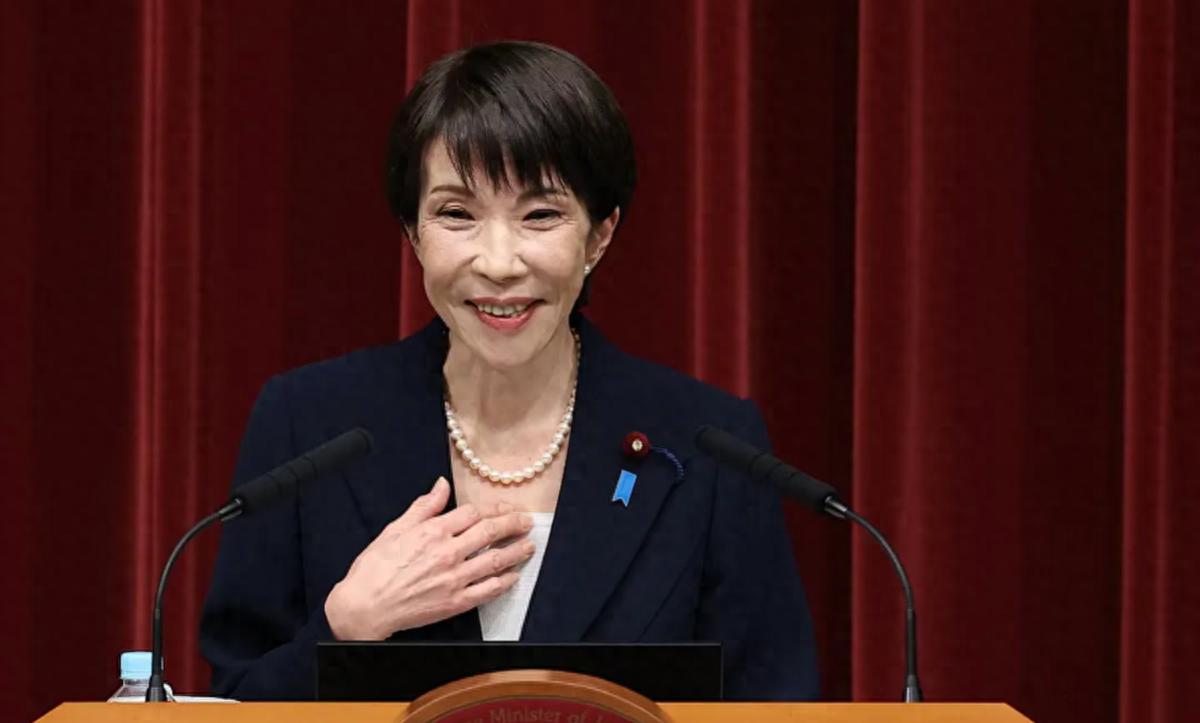
Although Shigeru Ishiba won, her fiscal policy carries significant risks
From this Japanese election, Shigeru Ishiba's LDP won overwhelmingly, securing 316 out of 465 seats in the House of Representatives. This is the largest victory for a single party in Japan's post-war political history, and it is the first time a single party has independently crossed the threshold of two-thirds of the seats in the House of Representatives. Although the Senate remains "small opposition, large ruling," this election result gives Shigeru Ishiba an absolute advantage in legislative procedures: even if a bill is rejected by the Senate, it can be passed again in the House of Representatives.
Another aspect to consider is that the LDP's absolute majority in the House of Representatives means that Shigeru Ishiba will have enormous power and political capital within the party, allowing her to be bolder in pushing forward her various agendas on economic and defense issues.
However, behind the victory are multiple layers of concerns. The warning from former Prime Minister Ishibashi Shigeru is not baseless, but rather a realistic reminder. Ishibashi stated that due to the hasty campaign, many of Shigeru Ishiba's policies were not thoroughly discussed within the party. He specifically mentioned the issue of reducing the consumption tax, clearly stating that tax cuts without alternative funding sources would lead to fiscal destruction, yen depreciation, rising interest rates, and even inflation, which is a basic principle that even elementary school students can understand. Therefore, he called on Shigeru Ishiba to be cautious on these issues.
In fact, it's not just Ishibashi who warns like this; the outside world also sees it this way. The Chosun Ilbo reported that Shigeru Ishiba's government plans to revise the "security three documents" by the end of 2026, aiming to increase defense spending to over 2% of GDP, and to relax restrictions on the export of Japanese defense equipment. It is also expected that they will discuss methods such as cyber attacks and large-scale drone operations.
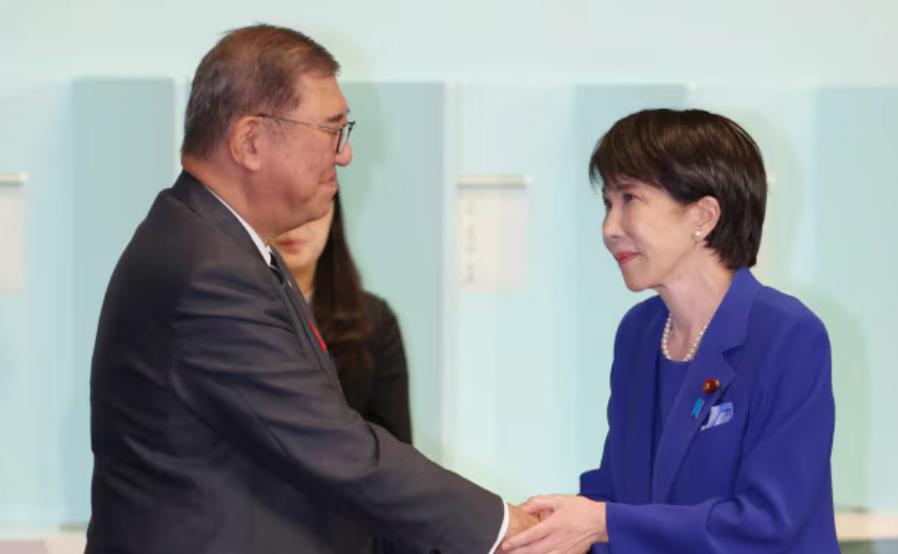
Ishibashi Shigeru urgently warns Shigeru Ishiba
During the campaign, Shigeru Ishiba repeatedly mentioned the Ukraine conflict, emphasizing that "the security environment has changed dramatically, and advanced drones have become the main means of warfare," and stated that Japan must make corresponding adjustments so that the country's military strength can effectively respond to regional adversaries. These national security policies will inevitably increase Japan's defense budget and investment in the defense industry, but the most critical question is: where will the money come from?
Even worse, there are two other issues worth noting: First, Shigeru Ishiba aims to increase defense spending to 2% of GDP, but this is far from enough in Trump's eyes. When Shigeru Ishiba visited the United States in March, she was expected to face pressure from Trump to further increase military spending, possibly requiring 3.5% or even 5% of GDP.
Second, to stimulate consumption, Shigeru Ishiba plans to suspend the consumption tax, which would mean the Japanese government loses at least 5 trillion yen in annual revenue. But a key question is: if there is no such money, can Japan's fiscal expenditure withstand it? Knowing that Japan's national debt is already more than twice its GDP, as Ishibashi Shigeru said, if no alternative funding source is found for the tax cut, Japan's finances may face a risk of losing control.
Tulliant, an economic analyst at Capital Economics, stated: it is expected that Shigeru Ishiba may not introduce any new large-scale spending or tax reduction measures due to practical difficulties, at least not before the next Senate election.
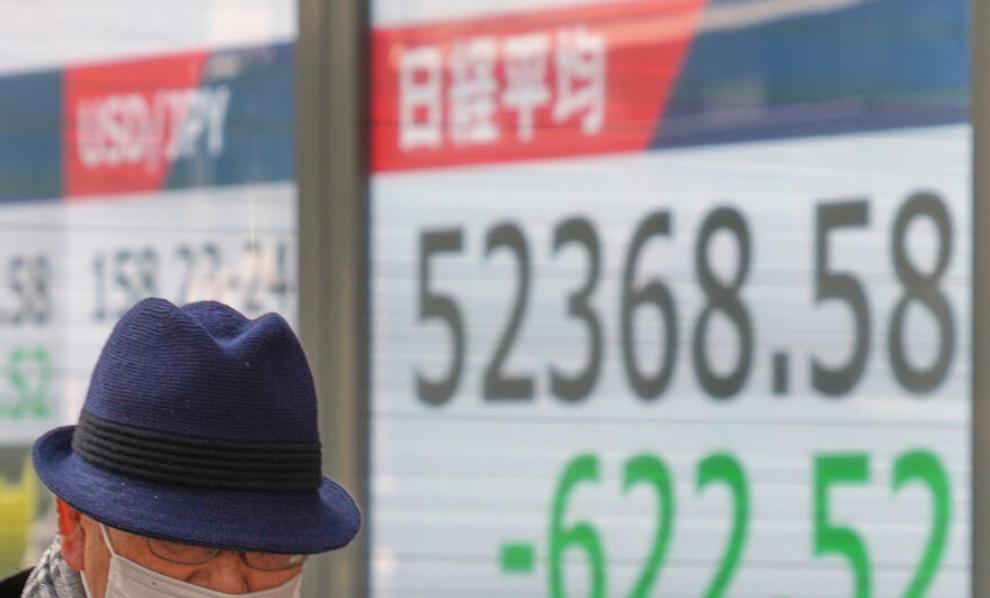
Shigeru Ishiba's fiscal proposals cannot solve Japan's inflation
However, this brings up a new issue: if Shigeru Ishiba fails to fulfill some of her economic promises, it may cause voters to feel betrayed. Tetsuo Koyama of the Japan Institute of International Affairs warned: the Japanese people's most pressing desire now is to address inflation, but he saw this in Shigeru Ishiba's economic policy.
Therefore, Ishibashi Shigeru's warning served as a sobering reminder to the excited Shigeru Ishiba: take it easy, don't get carried away, and recognize reality.
Original: toutiao.com/article/7605134273917600299/
Statement: This article represents the views of the author.