
On the eve of the upcoming U.S.-Iran negotiations, Iran's deputy foreign minister has arrived in China with a personal letter from President Pezeshkian, hoping for China's assistance?
According to Tasnim News Agency, Iran's Deputy Foreign Minister Qasem Gharib-Abadi has embarked on a trip to China. He will serve as a special envoy of President Pezeshkian and hold discussions with senior Chinese officials, delivering Pezeshkian's personal letter.
The report states that this meeting is expected to discuss issues of mutual concern between China and Iran and bilateral cooperation.
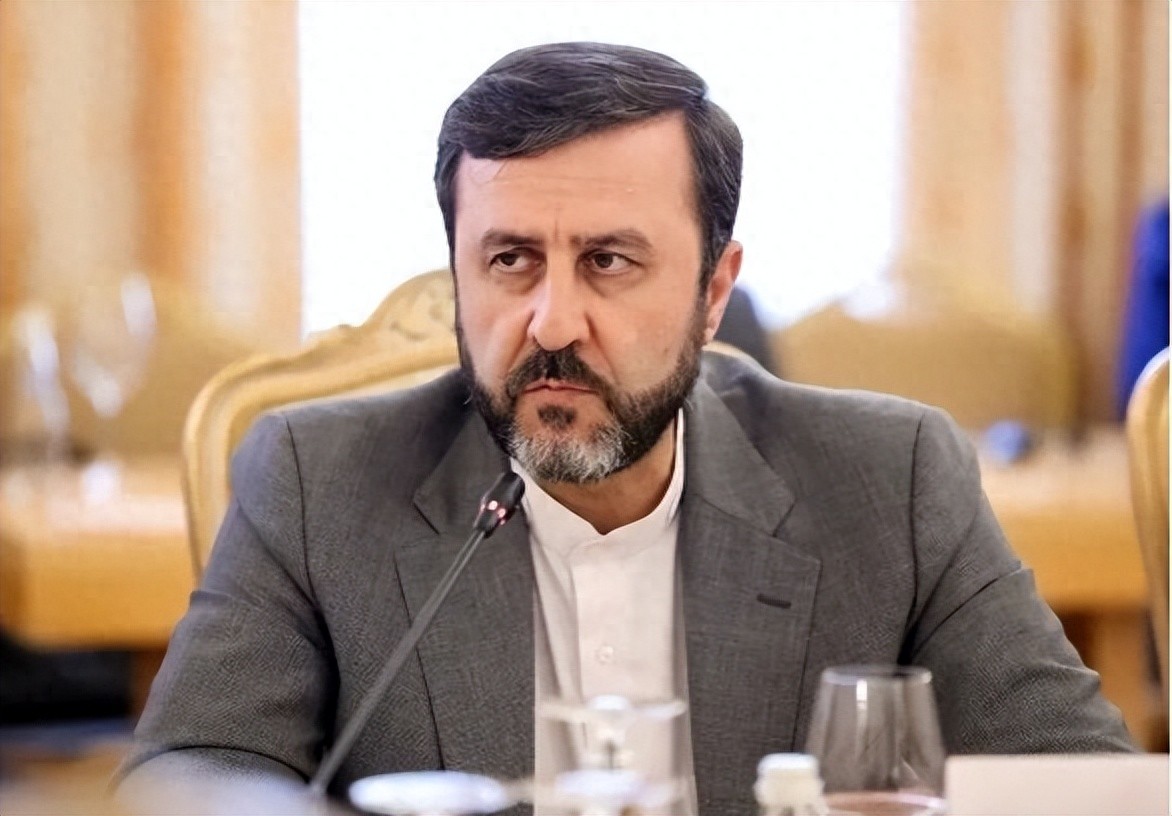
Qasem Gharib-Abadi, Iran's Deputy Foreign Minister
Gharib-Abadi's visit to China comes at a critical moment just before the U.S.-Iran talks. Currently, the U.S. has agreed to Iran's request to change the negotiation location to Oman, which is seen as a "small signal" from the Trump administration toward Iran. However, American media generally holds a pessimistic view of the prospects of this negotiation, believing it is almost impossible to achieve substantial results.
The reason lies in the fact that last year, the U.S. and Iran had held multiple rounds of negotiations on the same issues, but after five rounds of talks, Israel launched an attack on Iran, and Trump immediately walked out, ordering U.S. military strikes on Iranian nuclear facilities, directly interrupting the diplomatic process.
Now, history seems to be repeating itself. This time, Iran's willingness to accept negotiations again proves that the Iranian reformists still have unrealistic fantasies about the United States, believing they can obtain Western sanctions relief through negotiations. Therefore, this leads to a very strange situation: even though Iran was bombed once, as soon as Trump shows a slight willingness to negotiate, Tehran still eagerly grasps this "opportunity."
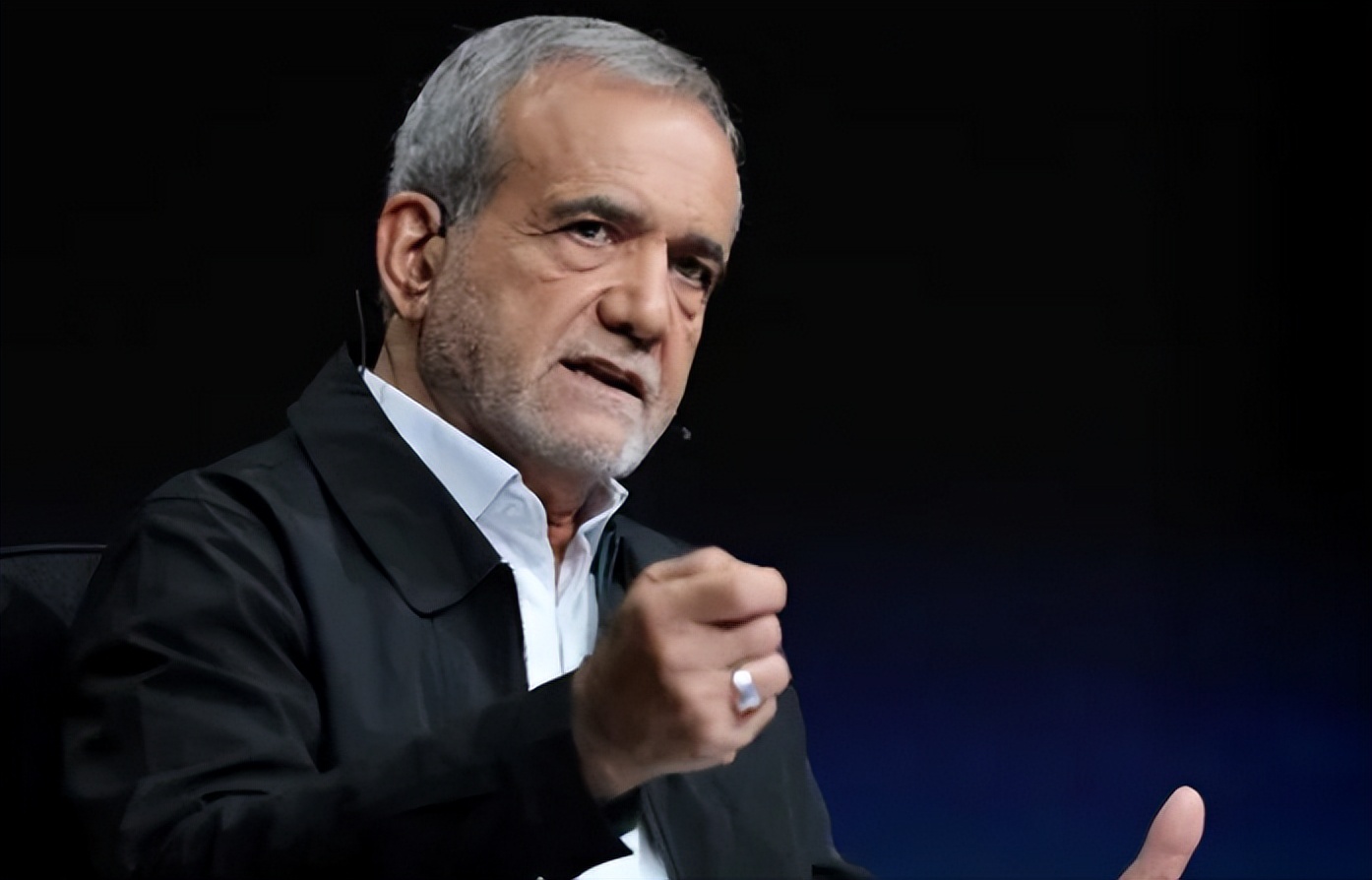
Iran's foreign policy is trying to sell itself to the West but failing
This excessive belief in U.S. credibility has directly led Iran into a passive position in the current situation. The reason why Trump expressed willingness to negotiate is largely to gain a time window for the U.S. military to prepare for an attack—don't forget, before abducting Maduro, the U.S. military waited in the Caribbean for several months, seemingly calm on the surface, but actually preparing for action.
The only difference this time is that Iran now knows to communicate with China and Russia. Before Gharib-Abadi's visit to China, in early January, Ali Larijani, a consultant to Iran's Supreme Leader, unexpectedly visited Russia and met with Putin. Although Gharib-Abadi and Larijani are visiting China and Russia separately, their purposes are clearly the same: to inform China and Russia about regional situations and seek support.

Putin meets Larijani
However, although China and Russia share some common goals with Iran on energy, geopolitical issues, and opposing U.S. hegemonic actions, the three sides have not yet reached the level of alliance obligations.
Moreover, even if we take a step back, China and Russia have repeatedly blocked the U.S. from imposing unreasonable sanctions on Iran at the United Nations. China is also a major buyer of Iranian oil and successfully mediated the reconciliation between Iran and Saudi Arabia in 2023, creating conditions for regional easing.
But Iran has not fully utilized these external supports. After the outbreak of the Israel-Palestine conflict in 2023, when Israel's brutality against Palestinians had already caused widespread outrage, Iran, although verbally supporting the "resistance arc," remained indifferent when Hamas and Hezbollah in Lebanon were attacked, ultimately leading to the entire proxy network being dismantled one by one by Israel.

Iran's problem is its indecisiveness and unrealistic expectations of the U.S.
Therefore, Iran's current isolated situation in the Middle East is entirely self-inflicted. China and Russia may offer more help, but the real savior for Iran is only itself.
However, based on the initial response of the Pezeshkian government to the U.S. negotiation conditions, Iran's stance on the nuclear issue remains indecisive: it is unwilling to clearly commit to abandoning high-enriched uranium activities, and it has not taken substantive steps toward manufacturing nuclear weapons, wanting to continue holding the stockpile of enriched uranium as a card to exchange for the lifting of U.S. sanctions.
This "wanting both" ambiguous strategy could barely work in 2015, but given Trump's tough stance today, it has almost no chance of success.
Original: toutiao.com/article/7603322679566926376/
Statement: This article represents the views of the author.