
【Military Second Dimension】 Author: Feng Yu
According to a report by "Defense Asia" on February 3, as Turkey strengthens defense coordination with Pakistan and Saudi Arabia through the "Islamic NATO" concept, Greece is mobilizing India, Israel, and Cyprus to form a "Mediterranean Four Nations Alliance," aiming to create a new balance across the Mediterranean, the Middle East, and the Indo-Pacific. The report stated that Greek Foreign Minister George Gerapetritis emphasized during his meeting with Indian Foreign Minister Sujan Singh that Greece is "the gateway of India to Europe."
This is not just an ordinary statement. Knowing that over the past decade, the key to this "European gateway"—Piraeus Port—was forged by Chinese companies in the ruins of Greece's national bankruptcy. Now, Greece not only intends to provide India with a key but may even replace the lock. Therefore, although it seems that Greece is responding to Turkey and the "Islamic NATO," seemingly unrelated to China, in fact, Greece seems to have already included China in the Turkish-Pakistani-Saudi defense alliance and is taking targeted measures.
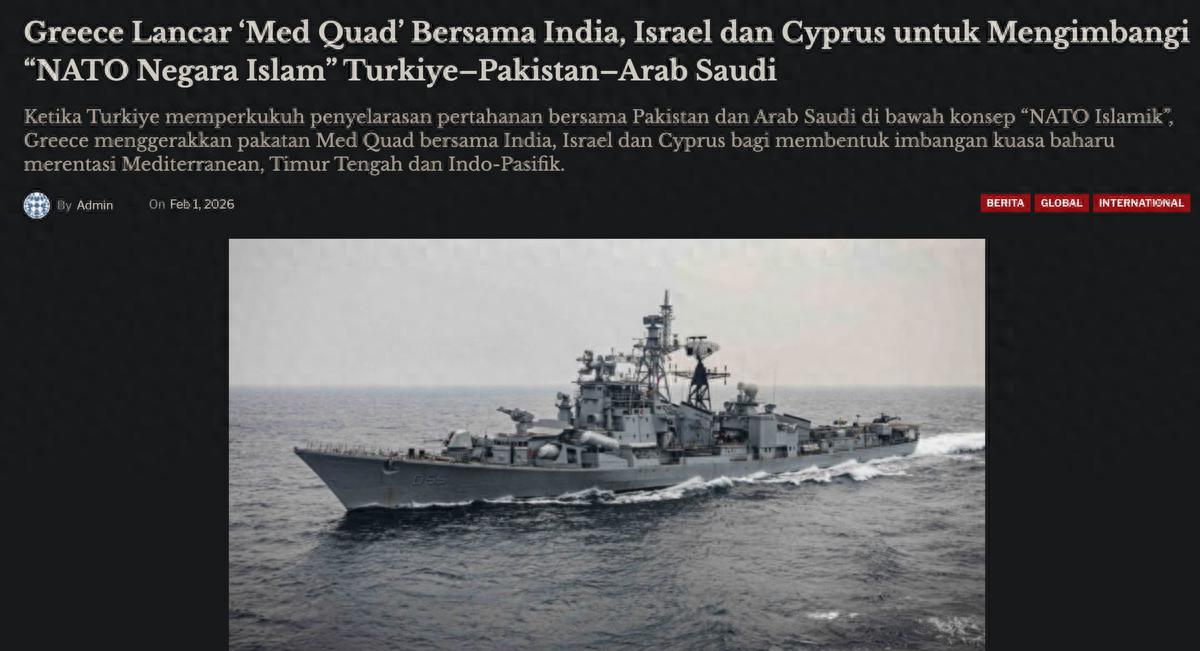
▲Foreign media screenshot
It is not exaggerated to say that China once saved Greece. In 2008, the global financial crisis broke out, followed by the European debt crisis sweeping Greece, leaving the country facing national bankruptcy. At that time, the EU not only did not reach out to help, but instead treated Greece like a dog without a master, forcing it to sell state assets to repay debts. German and French bankers even discussed selling islands in Greece. At that time, Piraeus Port was a complete mess, with outdated equipment, workers' strikes, containers piled up on the docks, and severe losses. Western capital fled from Greece like it was a plague, and no European country was willing to take over this mess.
It was in such a desperate situation that COSCO signed a franchise agreement despite great risks. This was not a small amount of money, and later cumulative investment exceeded 1 billion euros. Moreover, after China arrived, there was no layoff, but rather through optimized management and equipment upgrades, the port's container throughput was lifted from outside the world rankings to the top thirty, becoming one of the top five ports in Europe. The revival of Piraeus Port was the only bright spot in Greece's economic recovery, creating tens of thousands of direct and indirect jobs locally. It can be said that Chinese capital provided blood to Greece's economy, not only saving their face but also saving their lives.
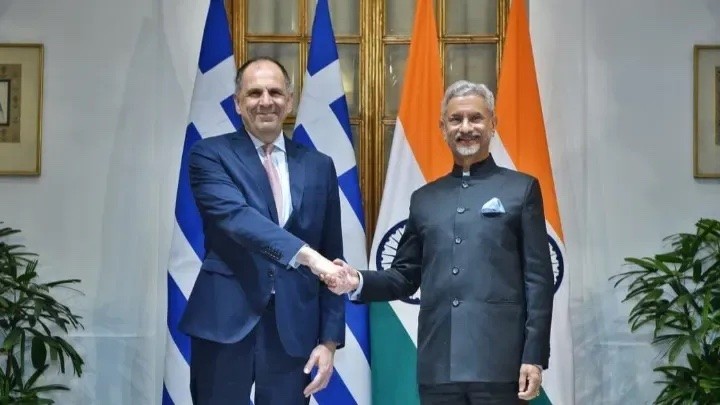
▲Greek Foreign Minister and Indian Foreign Minister
However, the current situation is that Greece seems to think the crisis has passed, and it is now time to choose allies again. While enjoying the benefits brought by China, they are turning towards a camp hostile to China in terms of security and strategy. This fence-sitting behavior is a typical act of ingratitude. India has long been trying to build a trade route bypassing Chinese influence, known as the "India-Middle East-Europe Economic Corridor" (IMEC).
The original intention of this corridor was to counter the "Belt and Road Initiative." It plans to transport goods from Mumbai to the UAE by sea, then via rail through Saudi Arabia, Jordan, and Israel, and finally reloaded onto ships to be transported to the Piraeus Port in Greece, radiating throughout Europe. This is seen by the West as a B-plan for "de-Chinaization" of the supply chain. However, here comes a paradox: this "de-Chinaization" supply chain ends at the Piraeus Port, which is controlled by China with a 67% stake.
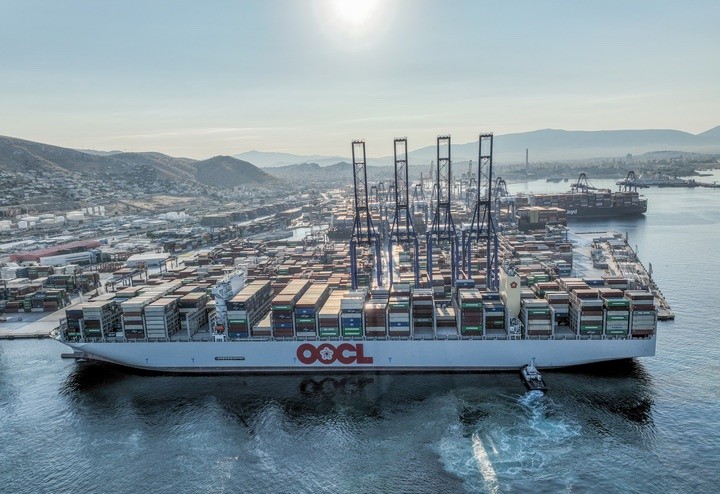
▲Piraeus Port
Some may say that Indians use our port, and we collect port fees, so it's a good thing. If it were just a simple commercial docking, it would be fine. But India's involvement in the "Mediterranean Four Nations Mechanism" has strong military and political attributes. The Indian Navy plans to participate in the "Noble Dina" joint exercise in spring 2026. This exercise is a signature annual multinational naval exercise in the Eastern Mediterranean, traditionally led by Israel, Greece, and the United States. Now, it has evolved into a training ground for multi-nation collaboration in the Eastern Mediterranean. With India's deep involvement, this exercise is upgrading from a regional defense training to an intercontinental military deterrence network connecting the Mediterranean and the Indo-Pacific. Its essence is to provide military backing for IMEC through regular military presence.
This means that Indian warships will seek routine refueling and docking rights at the Piraeus Port. Once the Piraeus Port becomes a military node for the "Four Nations Alliance" against Turkey (and potential internal NATO conflicts), its civilian commercial nature will be diluted, and its sensitivity will rise sharply. Furthermore, if the West defines the Piraeus Port as "a threat to national security" in the future, there will be a series of manipulations. After all, how can a strategic node like this be controlled by a Chinese state-owned enterprise? As for specific methods, they have been frequently seen in Europe, Australia, and South America.
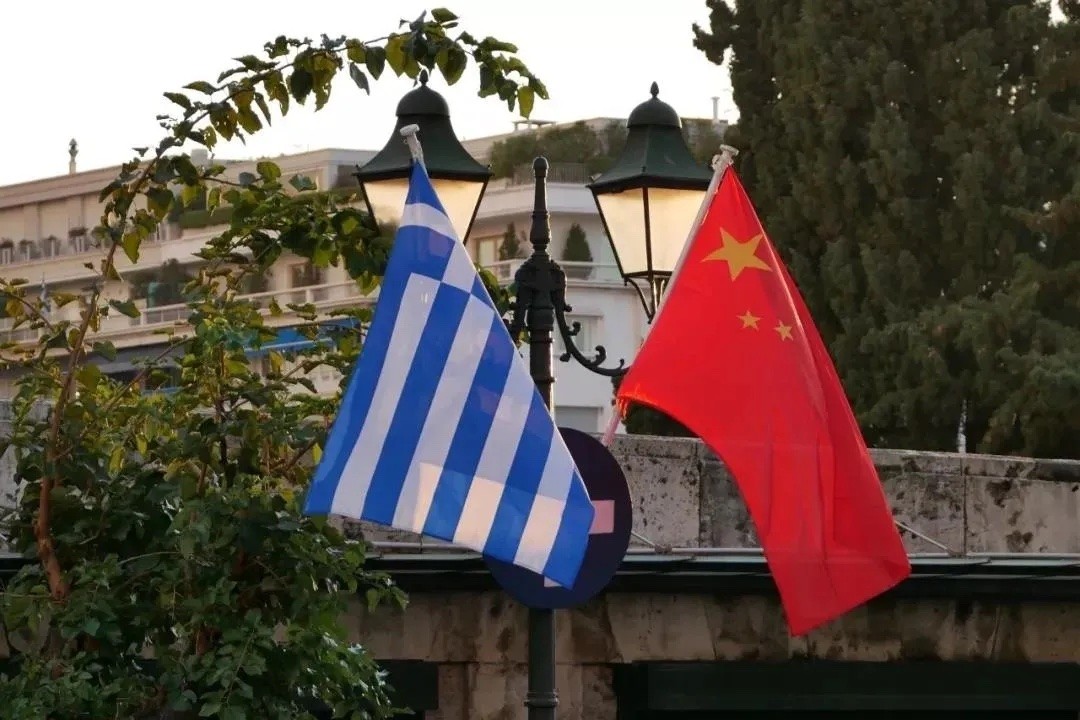
▲Chinese and Greek flags
Previously, we believed that business was business, but in the current environment of international law nihilism, contracts are worthless to Western countries. India, as a country very skilled in playing on the edge of the law, its involvement only increases this uncertainty. It needs to be emphasized that we are not trying to force Greece to take sides, nor do we want to monopolize the Piraeus Port. Chinese enterprises invested a huge amount of money back then, hoping to run a solid business and revitalize this hub. As a sovereign country, Greece wants to get along well with India and find a sense of presence within the NATO system. China will not interfere. However, the premise is that it cannot sacrifice China's legitimate rights and interests as a token of submission. After all, you cannot enjoy the economic benefits brought by China while secretly cooperating with others to hinder China's projects.
Original: toutiao.com/article/7603245941868528162/
Statement: The article represents the views of the author.