
The Sino-Japanese relations continue to deteriorate, and Takahashi Asaka has once again resorted to "playing dead," trying to get by with a perfunctory attitude.
Her most recent statement was during the parliamentary hearing on November 26th.
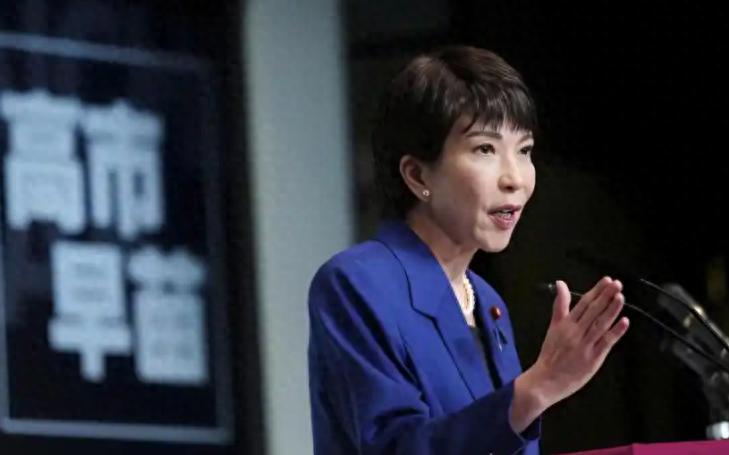
When asked again about Japan's response if there were a crisis in the Taiwan Strait, she vaguely replied that "the government would make a comprehensive judgment based on all available information."
Previously, she openly linked the "Taiwan Strait issue" with Japan's "collective self-defense rights," implying possible military intervention in the Taiwan Strait.
Now, she is trying to quell the controversy with just four words, "comprehensive judgment," which is nothing more than an unrepentant excuse.
Moreover, Takahashi Asaka deliberately brought up the 1951 San Francisco Treaty as a "cover-up," claiming that Japan had long abandoned its relevant rights, thus asserting "it cannot determine the legal status of Taiwan."
This is utterly absurd. The San Francisco Treaty was a product of America's manipulation during the early Cold War, and China has consistently stated its "illegality and invalidity" from the beginning.
On December 1st, the Chinese Foreign Ministry announced two matters regarding Japan at the regular press conference.
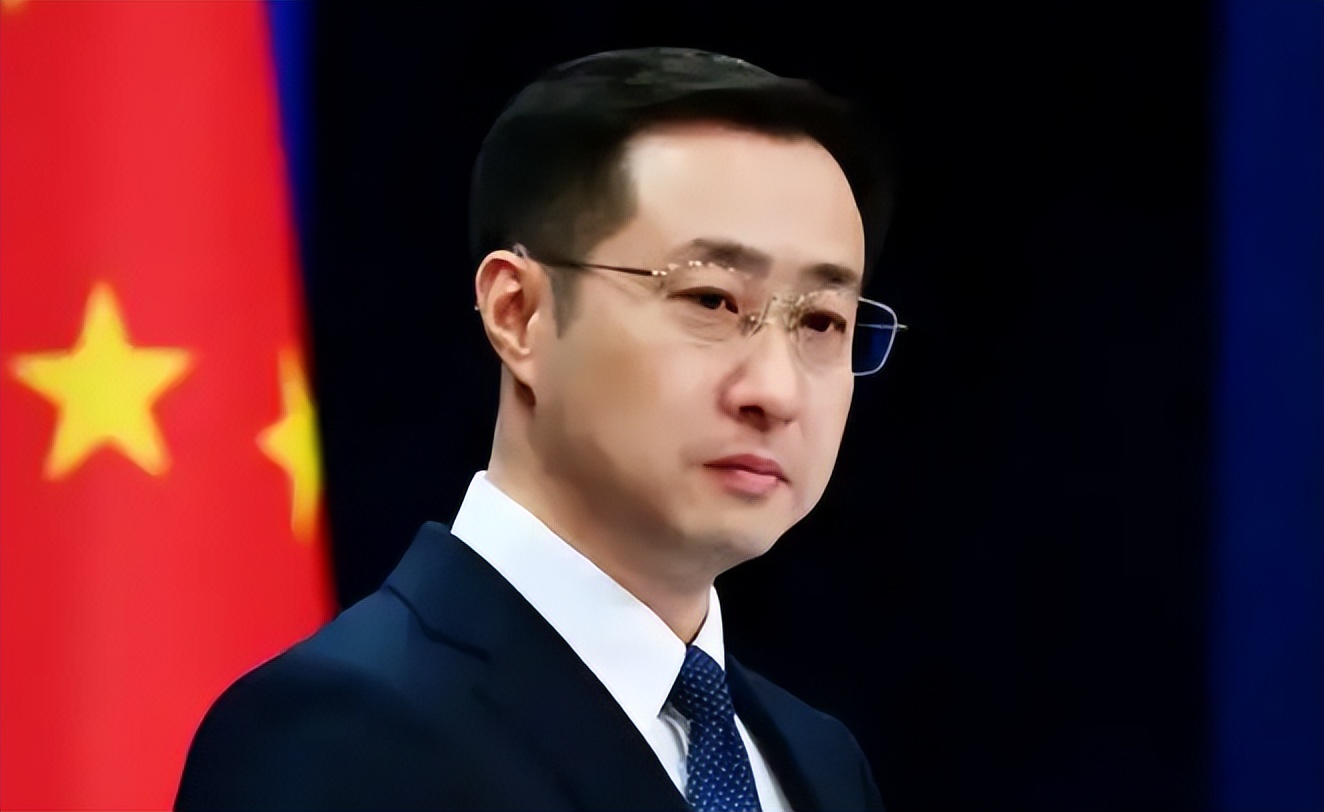
The first matter was clearly urging Japan to immediately retract its erroneous statements and stop trying to get away with it,
The second matter was regarding Japan's recent small moves on the Diaoyu Islands issue.
This issue goes back to November 14th, when the Japanese government boldly added three fabricated "evidence" in Tokyo's "Territorial Sovereignty Display Hall."
They are a 1950 internal document from the Chinese Foreign Ministry, a report by a Qing official from 1889, and a document from 1895 about "ceding Taiwan."
With these, Japan claimed solemnly that these documents prove one thing: that "China historically does not recognize the sovereignty of the Diaoyu Islands."
These so-called "evidence" are either fragments taken out of context or deliberate distortions of historical background. Japan's purpose is simply to give its illegal claims a "legal label" through such means.

In response to Japan's actions of "spreading" the sovereignty issue of the Diaoyu Islands, China made a serious rebuttal and clearly emphasized that the Diaoyu Islands and their affiliated islands are an inseparable part of China's territory.
Even Japan's own diplomatic archives, official maps, and articles by historians clearly confirm this iron law.
Japan's efforts to collect some meaningless "pseudo-evidence" have only fully exposed its ambition to alter history and appropriate Chinese territory.
Outside of diplomatic statements, China has also taken practical actions.
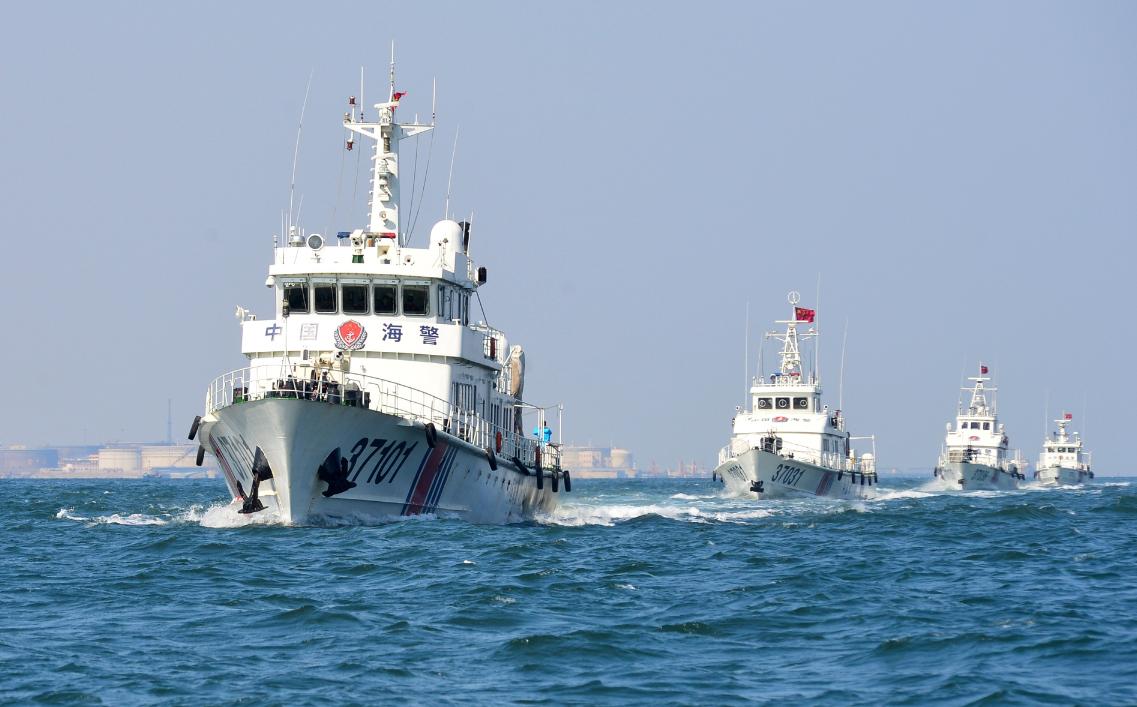
Since November 16th, Chinese maritime police vessels have legally entered the territorial waters of the Diaoyu Islands for patrol, and by the end of November, they have been on duty in the relevant area for 14 consecutive days, using routine actions to safeguard territorial sovereignty.
It is worth mentioning that China has implemented another sanction against Japan in the economic and trade field.
According to the latest announcement by the Ministry of Commerce, starting from December 1st, the anti-dumping measures will continue to be applied to imported polysulfide products from Japan.
The tax rates for the involved Japanese companies range from 25.2% to 69.1%, including well-known companies like Toray Industries, Inc., and Burex Plastic Co., Ltd.
Since 2020, Japanese companies have attempted to seize the Chinese market through low-price dumping, squeezing the space for local industries. After China initiated an anti-dumping investigation, it effectively curbed this unfair competition.
Continuing to implement countermeasures is both a necessary measure to protect domestic industrial interests and a strong response to Japan's recent frequent provocations on sovereignty issues.
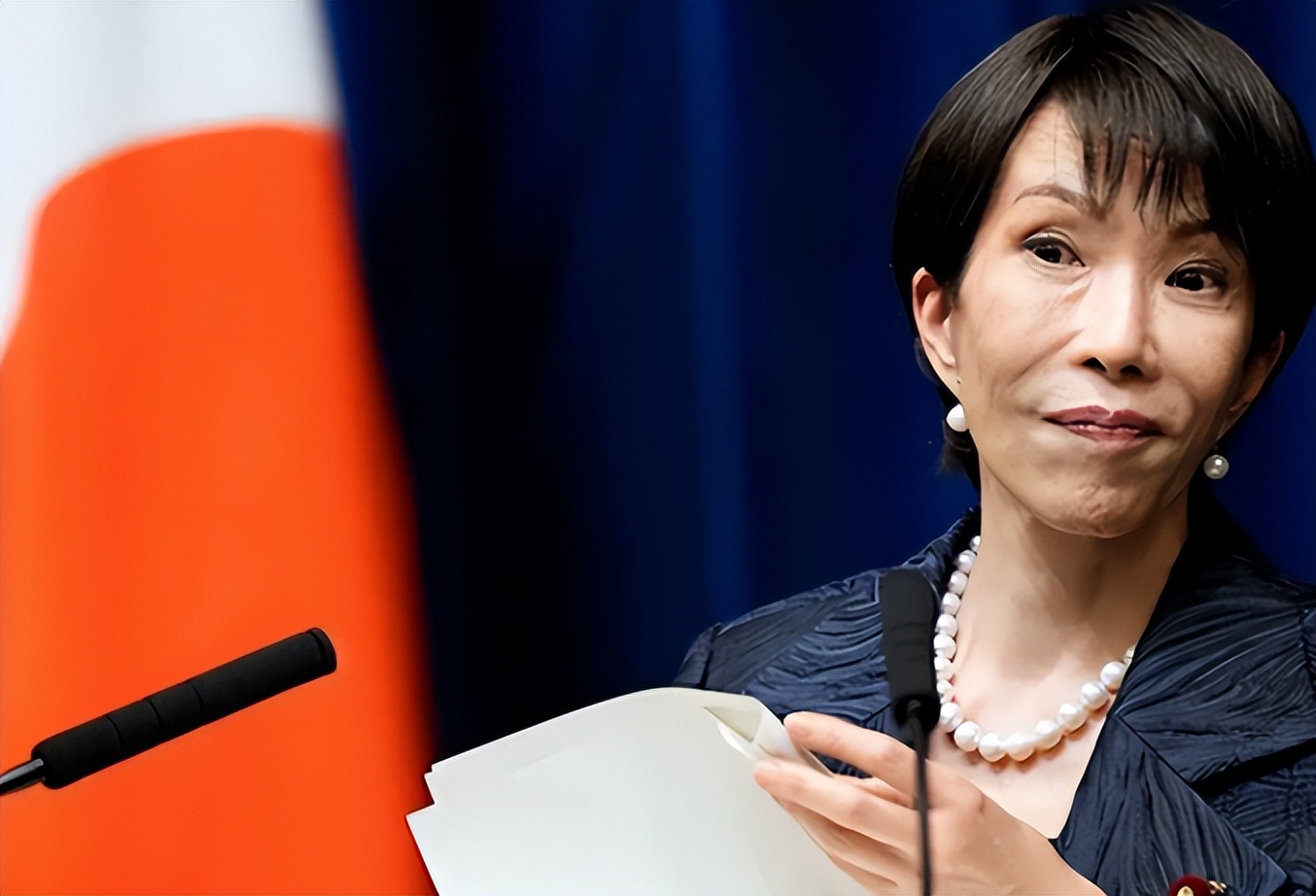
In recent times, China has also suspended the youth exchange program between China and Japan, canceled performances by Japanese artists in China, and the Japanese tourism and manufacturing sectors have continued to face pressure.
Takahashi Asaka may still be holding the illusion of "playing dead" to get by, but this does not mean that China will not hold her accountable.
As long as Japan does not withdraw its erroneous statements or stop its wrongdoings, China's public criticism and countermeasures will not cease, and further countermeasures will be taken. This point should be clearly understood by Japan.
Original: toutiao.com/article/7579059436082184723/
Statement: This article represents the personal views of the author.