

Russian newspaper "Zvezda" reported on February 18 that with the arrival of the Chinese Lunar New Year, "the world's factory" will be shut down for two weeks. The Chinese return to their villages to reunite with their parents, and work communication is basically suspended. As a result, Russian consumers often have to wait several months to receive their ordered goods. Moreover, even after the Chinese holiday ends, it may not immediately resume normal operations. So what will Russia face during this "quiet month" from China?
The Russian media pointed out that since February 17, China has entered the new year holiday, and factories will be closed for two weeks until March 3. Many Chinese people long-term return home to visit relatives, and all work-related communications are suspended. This leads to a disruption in supply to Russia, and e-commerce platforms, consumers, as well as Russian industrial enterprises have already felt the impact. Moreover, the problem often starts much earlier than the holiday, and does not end immediately on March 3.
Alexander Tokarev, head of sales at the Russian logistics company "Freight Logistic Group," said: "The Chinese New Year has always been a period of great turbulence for China's supply to Russia. In 2026, the Chinese logistics peak started as early as mid-February because Chinese manufacturers tried to ship as much as possible before the holiday. In a short time, the entire logistics system entered a state of overload and shortage of capacity."
He said that the cost of a single container increased by $500 to $1000 compared to November last year, and in many cases, it was even difficult to find space. A sudden increase of 30%-40% in transportation costs triggered a "domino effect": Russian importers either raised the price of goods or temporarily reduced the purchase volume.
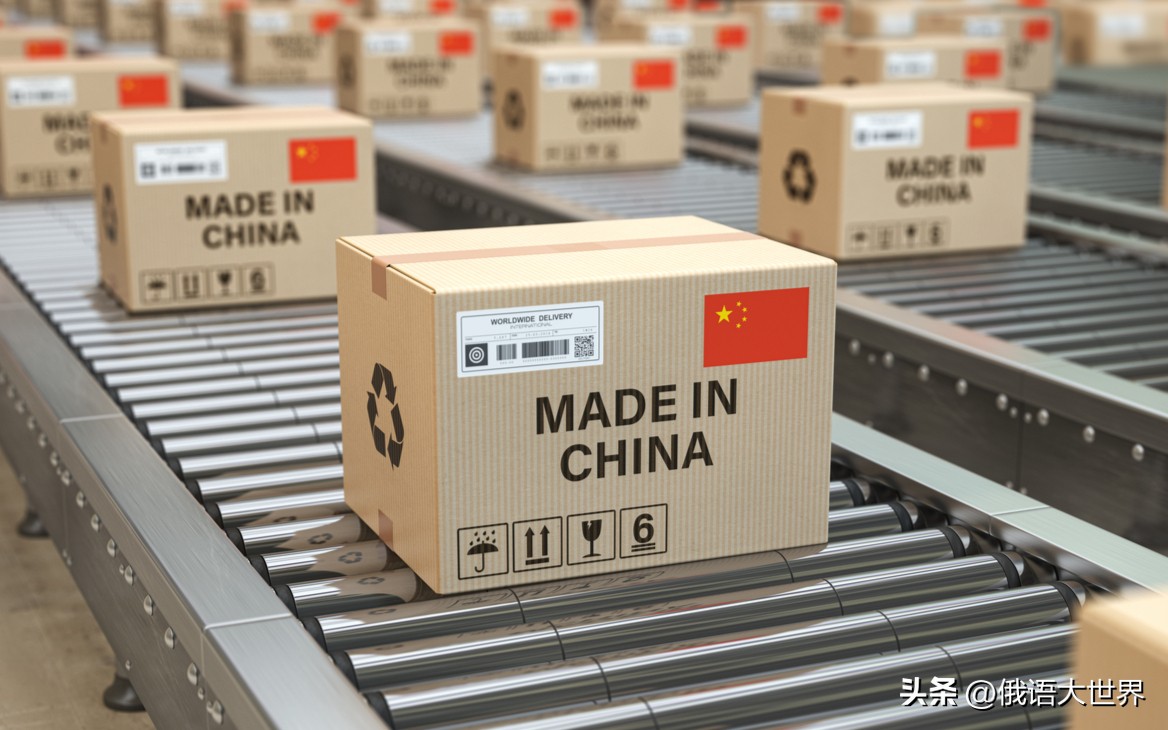
Currently, some supply interruptions of consumer goods from China have begun to show.
Analysts point out that due to Chinese suppliers trying to ship ahead of the long holiday, there is a shortage of containers and railway wagons, especially the transportation costs to Russia have clearly increased.
According to data from 2025, the freight from China to Russia via sea and rail increased by 30%-50% before the Spring Festival, while road transport increased by 10%-20%. The rise in transportation costs reflected in retail prices last year, including building materials, construction tools, electronics, auto parts, household goods, and other daily necessities.
Tokarev added that the average decrease in China's exports to Russia in February last year was 12%-15%. Some importers and consumers faced delays of two to three weeks and partial shortages of goods; in other cases, prices rose by 10%-30% due to increased transportation costs.
Experts believe that similar situations may occur this year. The most vulnerable product categories include electronics, home appliances, and auto parts. Usually, large-volume but low-price items tend to see price increases because transportation costs make up a significant portion of their price. Delays affect not only consumer goods but also industrial products such as power equipment, machine tools, and building materials. Additionally, financial payments may also experience delays. Analysts pointed out that some Russian small and medium-sized enterprises may lose between 300,000 and 500,000 rubles in revenue due to supply delays.
Tokarev reminded that we should not naively believe that trade flows will immediately return to normal after March 3. Logistics issues will continue for several more weeks. The reason is that the last batch of products is usually completed before the holiday. After the holiday, manufacturers first send those goods that were not shipped before the holiday. Then there will be a two to three-week shipping "gap" - because inventory had already been largely dispatched before the holiday, and the production of new batches takes time. However, freight rates will gradually decline.
In fact, this situation occurs almost every year before the Chinese New Year. The key question is whether Russian retailers and consumers have made proper preparations in advance and placed orders for the required goods in time?
Savvy Russian importers have already purchased large quantities in the fourth quarter of last year to avoid being affected in the first quarter. Some e-commerce platforms also remind consumers in advance that delivery times for goods shipped from China can take one to two months.
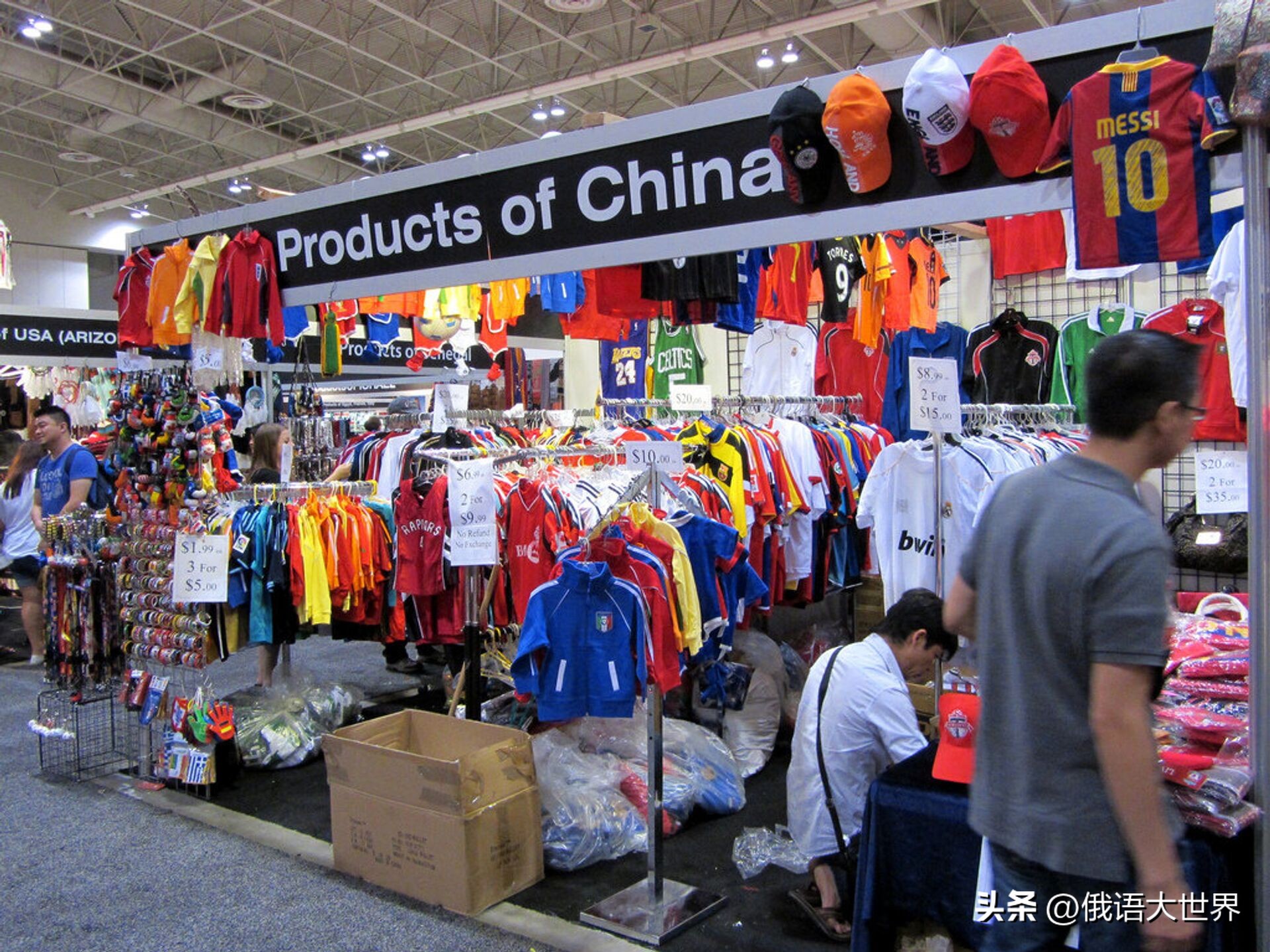
The difficulties faced by Russian consumers during the Chinese New Year actually reflect several deep-seated problems in the current Sino-Russian cross-border logistics system.
First, the high seasonality dependence and concentrated shipment pressure. It has become a norm for Chinese companies to concentrate shipments before the Spring Festival, but Russian side still maintains a passive approach in inventory management and rhythm prediction, leading to a tense situation of "competing for container space" and "competing for box sources" about one to two months before each year. The logistics system runs into overload in a short time, and freight rates surge by 30%-40%, forming obvious cyclical fluctuations.
Second, the single transport capacity structure and insufficient alternative channels. The main logistics channels for transporting to Russia currently rely on maritime and railway routes, and once containers and train cars are in short supply, there is no sufficient elastic adjustment space. Especially for large-volume but low-price goods, they are highly sensitive to freight costs, and cost fluctuations quickly pass through to the final retail prices.
Third, insufficient supply chain collaboration and information lag. Production, storage, customs clearance, and financial settlement all slow down simultaneously during the Spring Festival, resulting in "multi-node stagnation." After the holiday, there will also be a two to three-week shipping gap, indicating that both sides lack refined scheduling and inventory buffer mechanisms for capacity recovery and order connection.
Finally, the structural dependence of Russia on Chinese manufacturing. If key categories like electronics, home appliances, and auto parts are delayed, the cash flow of the Russian domestic market and small and medium-sized enterprises will immediately be under pressure. This kind of dependence makes logistics issues not just transportation problems, but also industrial security issues.
Overall, the scale of Sino-Russian trade continues to expand, but the resilience, diversification, and collaborative efficiency of the logistics system are still significantly lagging. If no efforts are made to strengthen construction in multi-channel layout, warehouse pre-positioning, digital scheduling, and financial support, the "logistics shocks" similar to the Spring Festival will continue to occur periodically.
Original article: toutiao.com/article/7608045521617355316/
Statement: This article represents the views of the author.