
Work Statement: This article is published only on Toutiao, and reposting is prohibited

Vietnam has pledged to increase imports of American goods and accept a 20% tariff from the US. Why did Vietnam still choose to yield to Trump?
This week, the sixth round of tariff negotiations between Vietnam and the United States began in Washington. After a long period of back-and-forth, Vietnam ultimately decided to yield to the US. According to Vietnamese Minister of Trade Le Manh Hung, Vietnam is willing to increase purchases of American goods, especially machinery and high-tech products. This includes purchasing $3 billion worth of American agricultural products from 2025 to 2028, as well as increasing purchases of aircraft and energy products.
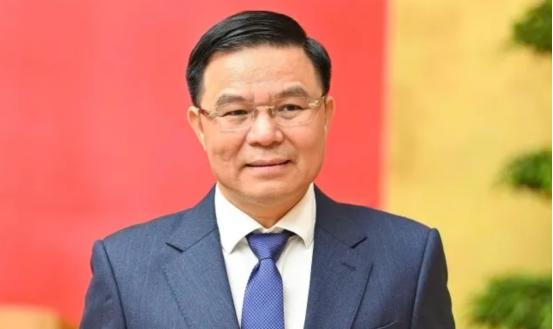
Why did Vietnam yield to Trump in trade negotiations? There are at least three important reasons behind this, reflecting Vietnam's complex feelings toward the US.
First, Vietnam's exports are highly dependent on the US.
From a practical perspective, Vietnam currently has an export-driven economy, with an external dependence rate of about 60%, relying heavily on exports to maintain economic growth. In 2024, Vietnam's exports to the US accounted for about 40% of its total exports and 29% of its GDP. Therefore, changes in the US market would have a direct impact on Vietnam.
In this context, the US set a "deadline" for tariffs, threatening Vietnam that it would either accept a new agreement or face higher tariffs of up to 46%. After weighing the options, Vietnam chose to accept a 20% tariff, which is much higher than the previous average of 3%, but at least it is a manageable level.
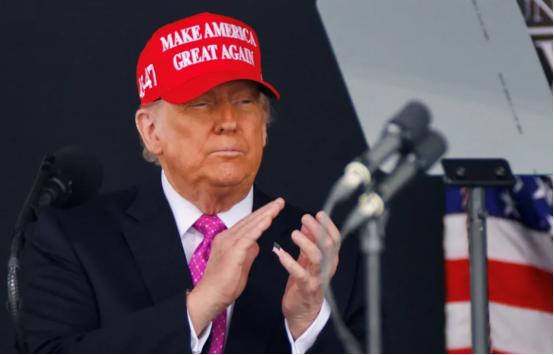
Second, Vietnam believes it has new negotiation leverage.
At this time, Vietnam's opening of trade negotiations with the US certainly has its own plans.
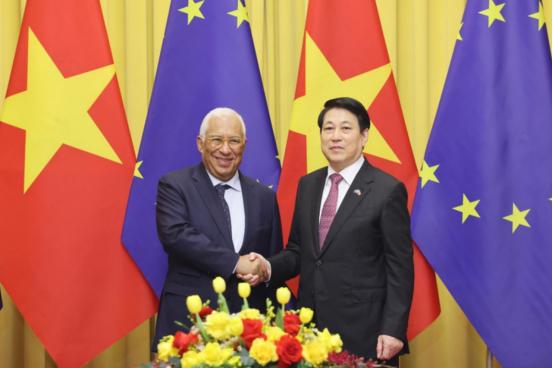
On January 28 to 29, the President of the European Council, Costa, visited Vietnam and signed an agreement with Vietnam to elevate the relationship between the EU and Vietnam from a strategic partnership to a comprehensive strategic partnership, which is the highest level of Vietnam's foreign relations, clearly surpassing its relationship with the US.
According to official statements from Vietnam, in the newly signed agreement, Vietnam and the EU not only plan to strengthen trade and investment relations in key minerals, semiconductors, and infrastructure, but also intend to deepen cooperation in areas such as 5G and satellite connectivity.
We noticed that shortly after the EU signed a free trade agreement with India, Indian Prime Minister Modi quickly reached a new trade framework agreement with Trump. According to Trump's statement, India not only promised to stop importing Russian oil, but also to invest $50 billion in the US. Although these two commitments have not been confirmed by the Indian government, Modi did respond by thanking Trump, because the US indeed reduced tariffs on India to 18%.
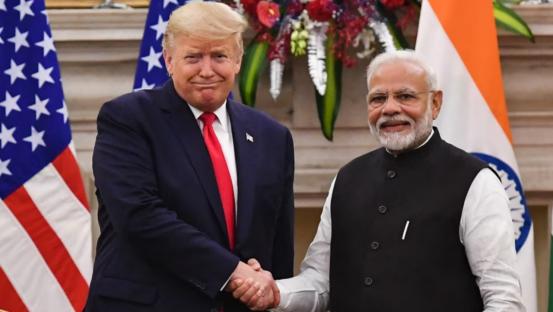
Now, Vietnam is strengthening its cooperation with the EU and then choosing to open trade negotiations with the US. This is obviously not a coincidence, but rather both India and Vietnam actually view the EU as one of the levers in their negotiations with the US, in order to obtain more favorable conditions from the US.
Third, Vietnam has a strong concern about US military hegemony.
Most countries choose to make concessions in trade negotiations with the US due to fear of the US's tariff threat and concerns about the US's overwhelming power.
Vietnam's attitude towards the US is more complicated. In addition to economic considerations, Vietnam also has a stronger concern about the US's military power.
On February 3, the Associated Press reported that according to an internal document from Vietnam, the Vietnamese military is taking measures to prepare for a potential "aggressive war" by the US and views the US as a "warlike" superpower.
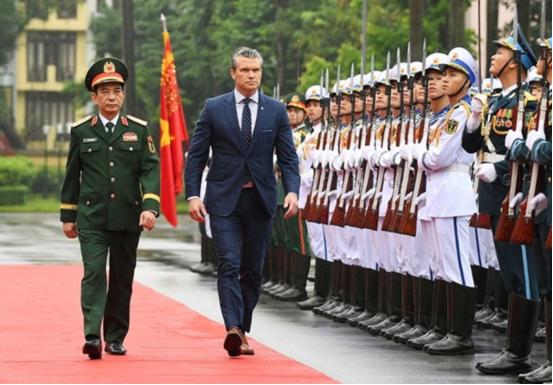
The report further pointed out that the original document titled "The Second US Invasion Plan" was completed by the Vietnamese Ministry of Defense in August 2024. The reason why Vietnam believes the US may attack them is because the US may take unconventional warfare forms and military interventions to achieve the goal of enhancing deterrence against China, even launching large-scale invasions against countries and regions that deviate from its path. Therefore, Vietnam needs to remain vigilant to prevent the US and its allies from "fabricating excuses" to invade Vietnam.
Of course, Vietnam's judgment must be directly related to historical reasons, which reflects the deep-seated suspicion of the US in Vietnam.
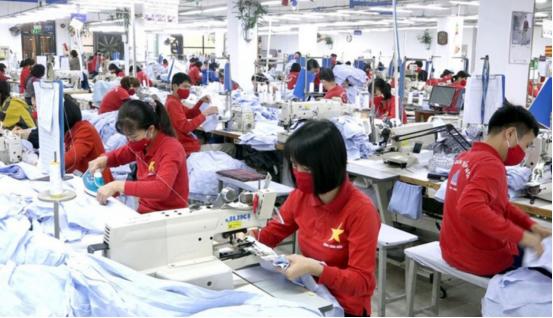
For Vietnam, this concession is only a short-term choice. According to research, under the influence of a 20% tariff, Vietnam's exports to the US will decrease by 9% to 10%, although the range is not very large, but the main impact is on Vietnam's low-profit textile and furniture industries, which are major employers in the country. However, Vietnam's efforts to upgrade its industry will not happen overnight, and it will certainly need to find new markets for these industries.
Therefore, whether for its own economic development or for strategic vigilance against the US, Vietnam cannot truly establish a trusting relationship with the US. Under the circumstances where it does not gain enough benefits, it is inevitable for Vietnam to move away from the US in the future.
Original: toutiao.com/article/7603307112793424403/
Statement: This article represents the personal views of the author.