

Pakistan's Chief of Army Staff has made up his mind, and there are still many big battles ahead. A Chinese-style military reform is now urgent.
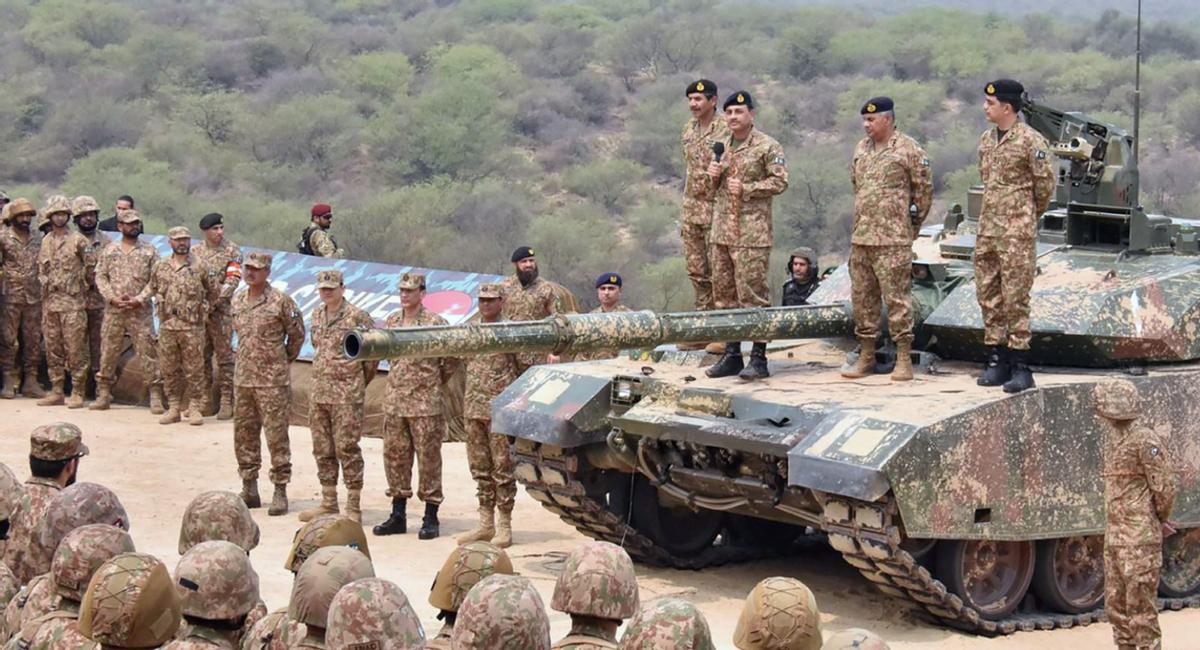
General Munir, Chief of Army Staff and Chief of the Army Staff of Pakistan Armed Forces, issued instructions during his visit to the army units, stating that the nature of modern warfare has undergone significant changes, and technological progress is driving military transformation. Personnel at all levels of the Pakistani military must adapt to the times and promptly change their thinking.
In Munir's view, with the development of technology, the modes of offensive and defensive operations of the army will undergo fundamental changes. The Pakistani military must quickly embrace and absorb new technologies, and in this process, innovation, localization, and adaptive adjustments are crucial.
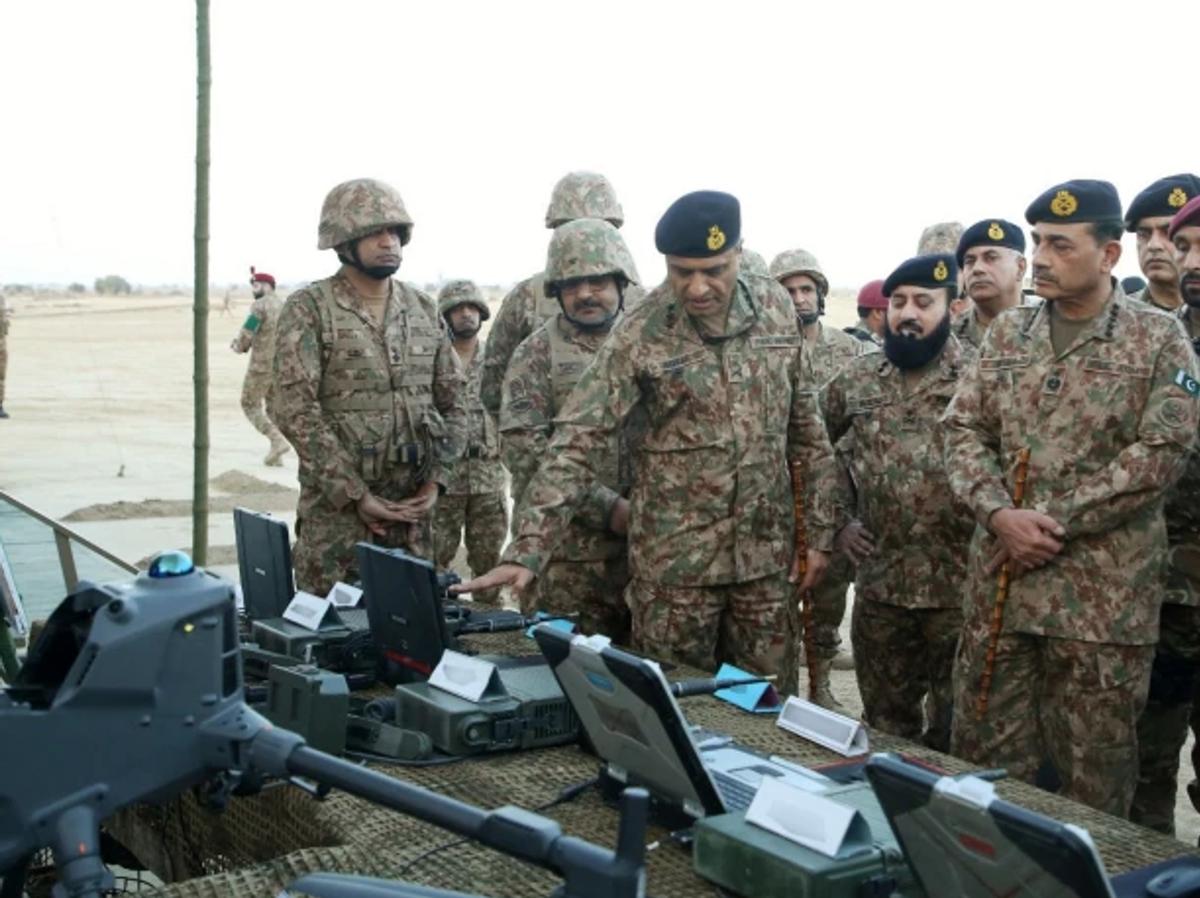
Munir emphasized that with the development of technology, the modes of offensive and defensive operations of the army will undergo fundamental changes. The Pakistani military must quickly embrace and absorb new technologies, and in this process, innovation, localization, and adaptive adjustments are crucial.
From Munir's statements and inspection, drones, electronic warfare, and informatization will be the key directions for reform in the Pakistani military, especially the army.
Considering the geopolitical situation that Pakistan faces and the construction needs of the Pakistani military, it is normal for Munir to emphasize technological innovation now.
First, the ongoing tension between India and Pakistan, the contradictions between Pakistan and the Taliban authorities in Afghanistan, the threat of terrorism and separatism within Pakistan, and the deterioration of the situation on the Iranian front have all kept the Pakistani military in a state of readiness and combat for a long time.
For the Pakistani military, future hard fights will only increase.
Secondly, the senior leadership of the Pakistani military maintains a high level of attention to international military developments and has been actively strengthening its combat capabilities.
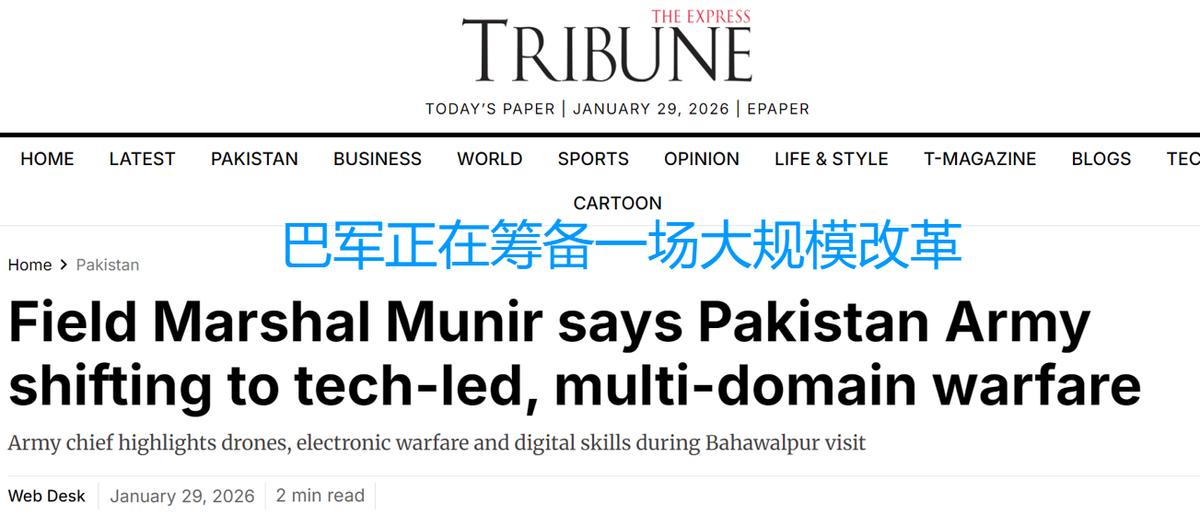
However, due to Pakistan's limited economic strength and restricted military spending, the pace of military modernization of the Pakistani military has been limited. With the alliance with Saudi Arabia, Pakistan has received economic support from Saudi Arabia, allowing the military to invest more resources in equipment upgrades and thus complete overall technological upgrades.
Incidentally, although Munir has been promoted to Commander-in-Chief of the Pakistan Armed Forces, becoming the de facto leader of the three branches of the military, he is ultimately an army general, and the army remains the core branch of the Pakistani military. Therefore, the reforms that Munir currently emphasizes are mainly focused on the army.
To reform the Pakistan Army, which has a total of 550,000 personnel, and achieve military technological and operational model innovations, the Pakistani military must learn from the experiences of other countries and combine them with its own situation to avoid taking too many detours during the reform. The People's Liberation Army (PLA) may become a model for the Pakistani military to learn from.
First, during the May 7th air battle last year, the Pakistan Air Force relied on Chinese weapons and combat systems to win a victory, demonstrating the power of the Chinese combat system to the world.
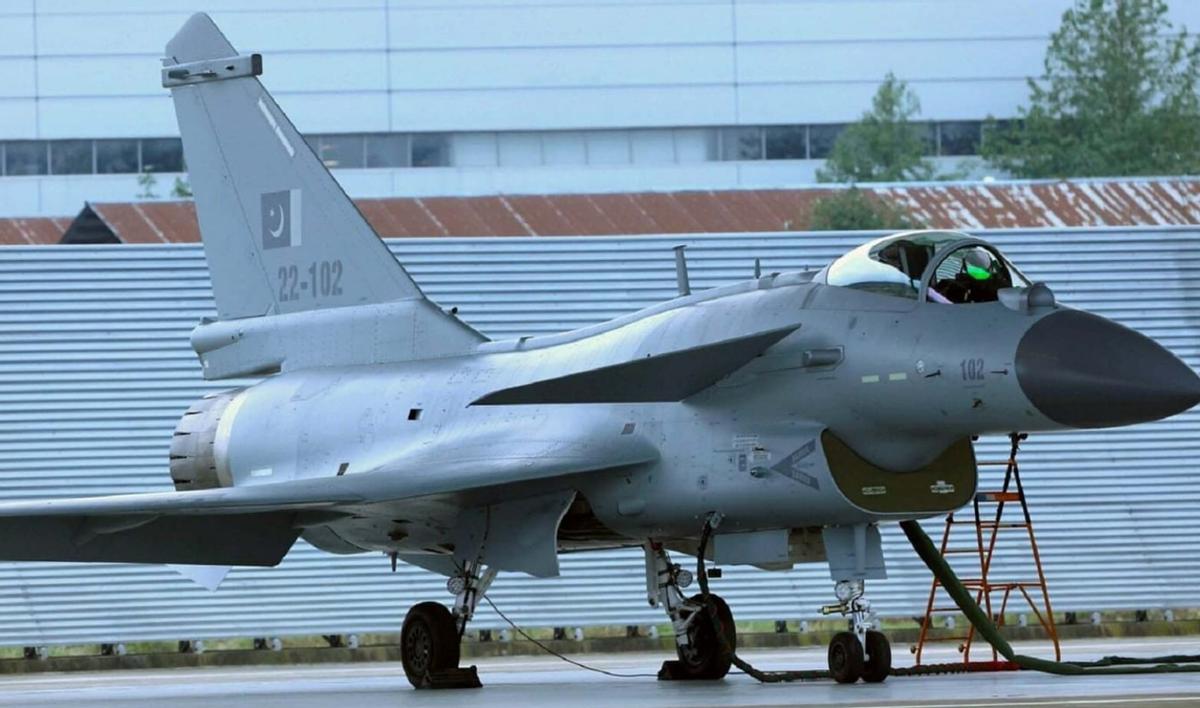
As the head of the Pakistani military, Munir was promoted to the rank of Marshal because of this battle. He and his staff should clearly understand how the Chinese combat system helped the air force achieve success.
Moreover, through joint training exercises with the PLA or by sending personnel to observe various PLA exercises, the Pakistani military should have some understanding of the PLA's integrated and information-based combat capabilities.
Secondly, the Pakistan Army also has a large number of Chinese-made weapons and has determined to follow the path of Chinese equipment. The main tanks and self-propelled artillery of the Pakistani Army are basically Chinese-made, and the proportion of weapons from Ukraine and the United States in the Pakistani Army is limited, and integrating these weapons into the Chinese combat system is not difficult.
This clears a major obstacle for the Pakistani military to learn from the PLA's military reform experience to build its own integrated and information-based forces.
Finally, Munir proposed the requirement for technological localization. However, relying solely on Pakistan itself, achieving technological upgrading locally is quite difficult. Introducing technology and production lines is the most suitable path for the Pakistani defense industry.
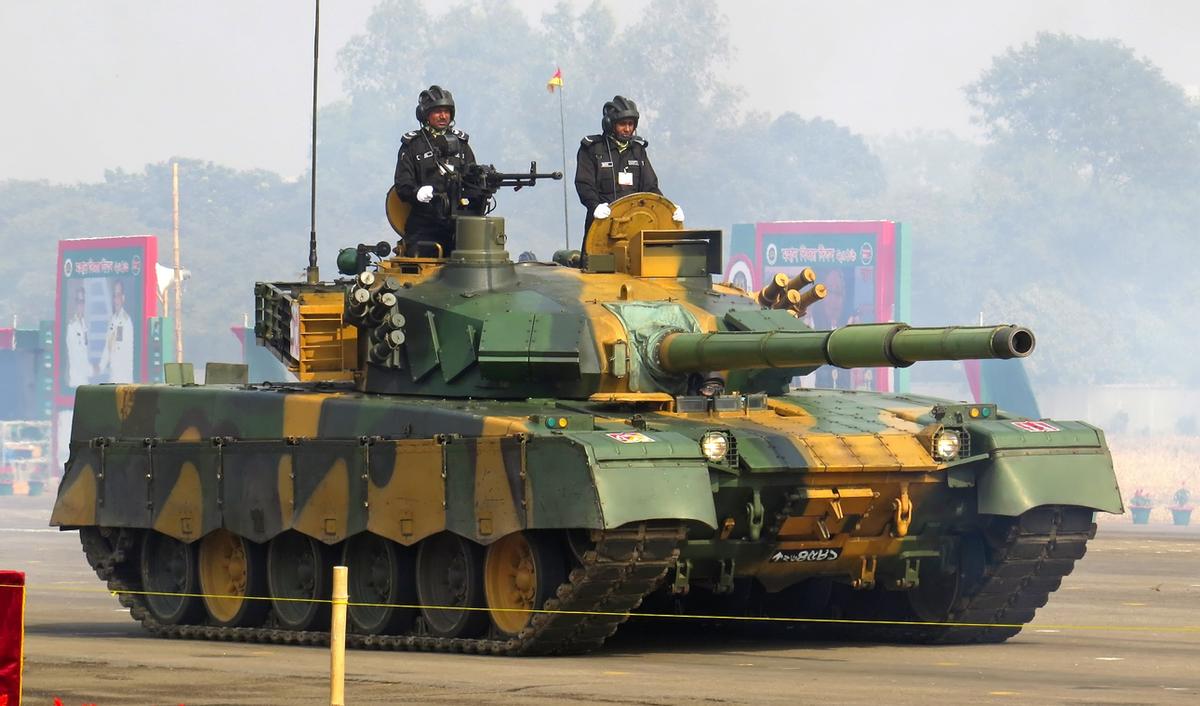
China and Pakistan have a good tradition of cooperation in the defense industry. There are already domestically produced main battle tanks like the Khalid in the Pakistan Army.
Certainly, China and Pakistan have different overall national defense strategies. The Pakistani military and the PLA differ significantly in terms of equipment, logistics support levels, and accumulation of information technology talents. It is unlikely that the Pakistani military would directly copy the PLA's military reform to follow the path of light, medium, and heavy combined battalions and brigades at the beginning.
The Pakistan Army is likely to first select a few regiments or independent brigades as pilot units to carry out similar reforms to the PLA's army, such as restructuring the command mode of operations and enhancing the application of drones, thereby improving the information-based combat capabilities of these units and gradually exploring a path that suits its own needs for integrated and modernized operations. Then, it can attempt to gradually reform the entire army.
Of course, after completing the reform, the combat effectiveness of the Pakistan Army may still not reach the level of the armies of China and the United States, but as long as it can surpass the Indian Army, it would be a profitable move for Islamabad.
Overall, the technological revolution pushed by the Pakistan Army General Staff is essentially a "self-rescue driven by reality." General Munir may still be considering how to take advantage of the opportunity provided by the Pakistan-Saudi alliance to find a way out amidst the triple encirclement by India, Afghanistan, and terrorism.
Last year, the Pakistan Air Force made a name with the Chinese system, setting an example for the conservative army leadership. However, the massive size of the Pakistan Army, with 550,000 personnel, and the multiple threats existing in various directions, determine that the reform cannot be completed overnight. This reform is destined to proceed slowly within careful planning.
But we can still boldly predict that if Pakistan truly manages to learn from Chinese experience and build a more modernized strong military, Middle Eastern financial backers such as Saudi Arabia and the UAE may also come to seek advice.
At that time, what China sells will not just be drones and other weapons, but rather an entire set of security solutions.
Text|Xiao Ning, Editor-in-Chief of the "Weapons" Magazine
Original: toutiao.com/article/7600997427553780264/
Statement: This article represents the personal views of the author.