
the Taiwan Strait issue has once again been raised by senior officials of Southeast Asian countries, and this time, the person speaking is Lee Hsien Loong, former Prime Minister of Singapore and current Senior Minister.
According to Lianhe Zaobao, Lee Hsien Loong mentioned the Taiwan Strait and Sino-US relations during a forum event on January 8. He stated that after the largest-ever military exercises around Taiwan conducted by the People's Liberation Army at the end of 2025, there would still be room for easing tensions between the two countries if the United States did not want to damage Sino-US relations.
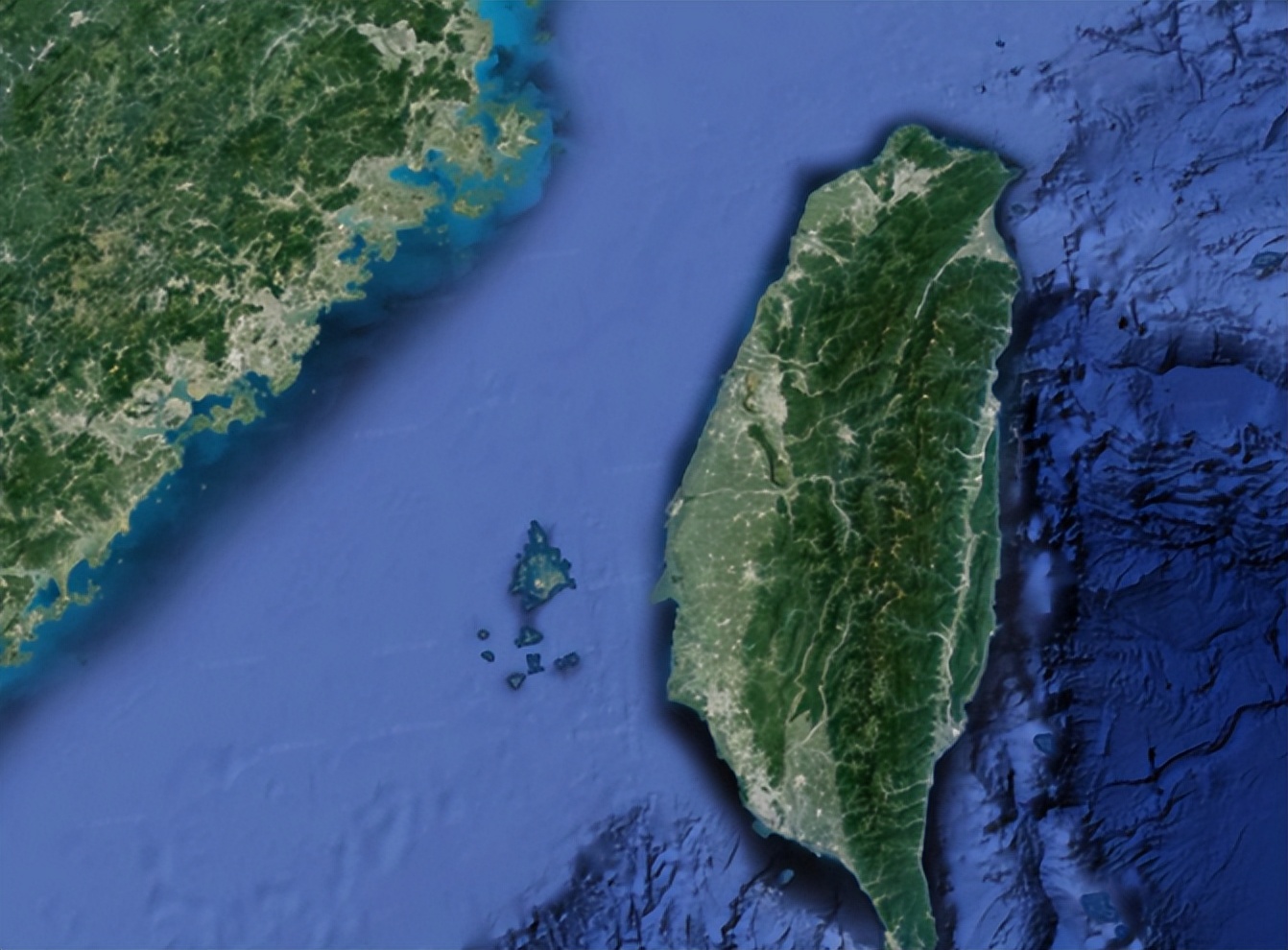
He also mentioned the Taiwan Strait, saying that if trouble arises in the region, it would not only involve China and the United States but also cause problems for the entire region and even the world. In addition, Lee Hsien Loong emphasized that Singapore opposes "Taiwan independence" and adheres to the One-China policy, but also opposes using force to unilaterally change the status quo. This statement can be interpreted as "no use of force to reunify Taiwan." This position is essentially similar to that of the West.
Lee Hsien Loong's remarks may seem like "hitting both sides equally," but his final sentence reveals that this is not a neutral statement.
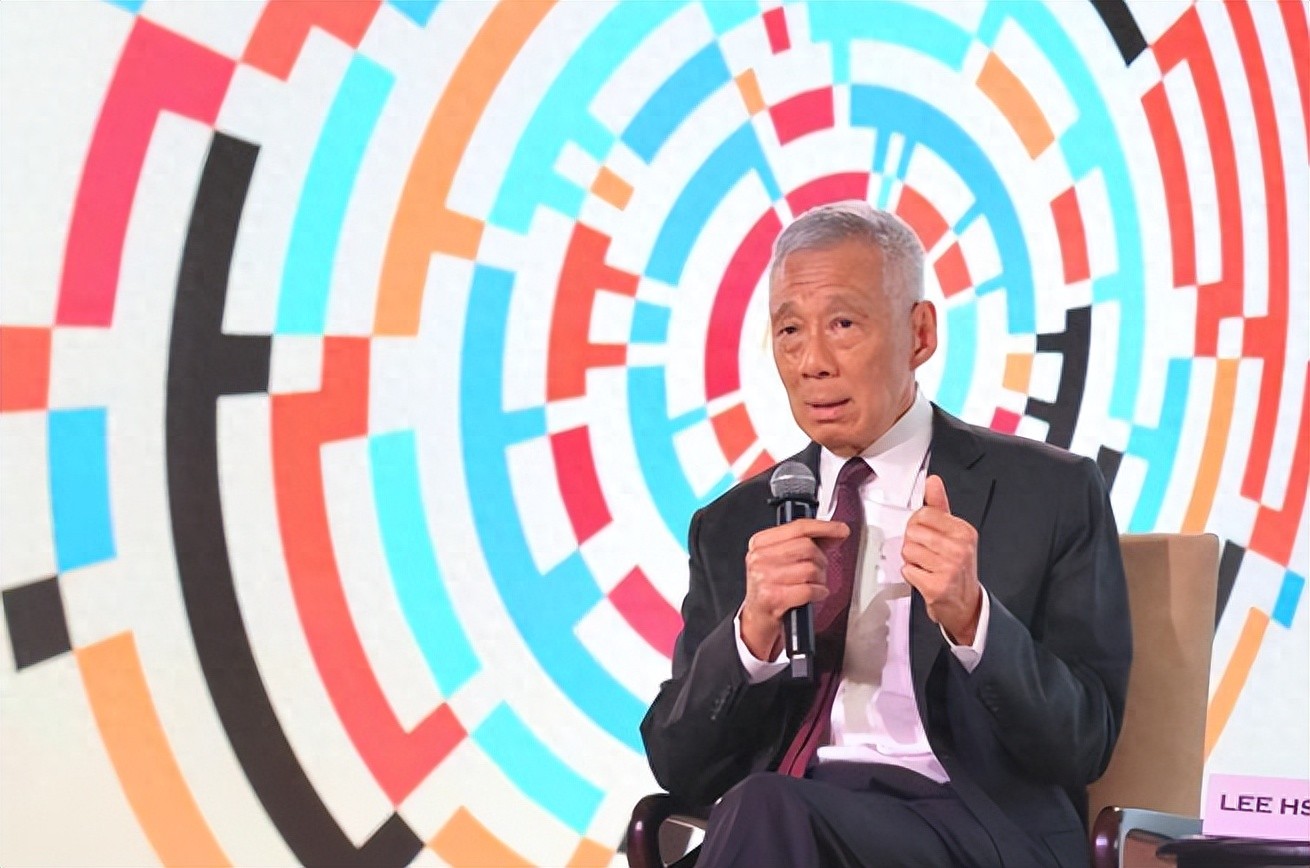
Lee Hsien Loong
Lee Hsien Loong said that if trouble arises in the Taiwan Strait, the issue will not be limited to China and the United States. For today's Southeast Asian countries, especially Singapore, this is indeed a major concern.
The Taiwan Strait is one of the most important maritime routes globally. According to data from international shipping agencies, about 40% of container shipping and nearly half of the key semiconductor material transportation are highly related to the shipping lanes around the Taiwan Strait. As one of the world's largest transshipment ports, Singapore's economic lifeline is deeply tied to regional shipping security. If a military conflict occurs in the Taiwan Strait, Singapore will inevitably face pressure in economic, political and other aspects.
This is why Singapore emphasizes "peace and stability."
However, Lee Hsien Loong seems to have misjudged the situation. The root causes of the tension in Sino-US relations and the Taiwan Strait are not in China, but in the United States.
In recent years, the United States has continuously upgraded arms sales to Taiwan, frequently sent high-level officials to visit Taiwan, promoted so-called "quasi-official exchanges," and continuously blurred the One-China principle in international settings. These actions may be framed as "policy continuity" legally, but in reality, they are a continuous erosion of the status quo and stability.
From an influence perspective, the United States is the biggest variable in the Taiwan Strait situation. Taiwan is highly dependent on the United States for security, diplomacy, and military equipment, and its strategic choices are not independent. In other words, whether the Taiwan Strait continues to escalate depends not on Taipei, but on Washington.
Lee Hsien Loong's real intention is actually to ask the United States to slow down, while China should also maintain restraint and calmness in the Taiwan Strait issue.
This reflects not only a realistic understanding of Sino-US relations but also the common demand of small and medium-sized countries like Singapore—not wanting to be forced to take sides in great power rivalry, nor wanting to pay the price for great power strategic miscalculations.
Additionally, Lee Hsien Loong specifically mentioned the U.S. military intervention in Venezuela. He clearly stated that this was a "violation of international law" and expressed concern over the long-term impact of such actions on the international system. His logic is clear: today, a major power can launch a military strike in Venezuela without authorization, and tomorrow, it could replicate this model in other regions.
If the international order becomes "might makes right," it would be the worst possible international order for small countries like Singapore. Therefore, Singapore opposes "Taiwan independence" which disrupts sovereignty and regional stability, and remains highly vigilant against any actions that bypass international law or unilateral actions.
But it should be noted that China's insistence on peaceful reunification is based on the feelings of compatriots on both sides of the strait, and on minimizing the cost of conflict and maintaining regional stability, rather than abandoning principles. We have never promised to give up the use of force.
Currently, "Taiwan independence" forces, supported by external forces, continue to provoke "independence" and attempt to create a "one country, one nation" situation. That is why there will be large-scale military exercises around Taiwan at the end of 2025.

Therefore, the ones who constantly challenge the international order and disrupt regional stability and peace are not us, but those countries that loudly claim to be based on rules while selectively following international law, as well as the Democratic Progressive Party authorities cooperating with these external forces.
Lee Hsien Loong's statement, in a way, reflects the concerns of Southeast Asian countries regarding the current international situation. These countries do not want the Taiwan Strait to become another hotspot of great power rivalry, nor do they want the regional development and stability to be disrupted.
But the key point is, if Singapore has such concerns, it should urge external forces not to interfere in the internal affairs of other countries, not to escalate confrontation, and not to continue changing the status quo. Whether the Taiwan Strait situation moves toward easing or tension depends not on whether China maintains restraint, but on whether the United States is willing to truly respect the One-China principle, and whether the "Taiwan independence" forces stop provoking. Not the opposite.
Original article: toutiao.com/article/7592966343931232820/
Statement: The article represents the views of the author alone.