
Middle East tensions are at a boiling point, and Iran has finally fired the first shot as U.S. troops are on the doorstep. The location of the election clearly reveals its biggest card, which is essentially telling the United States that if it dares to act, everyone will be in trouble.
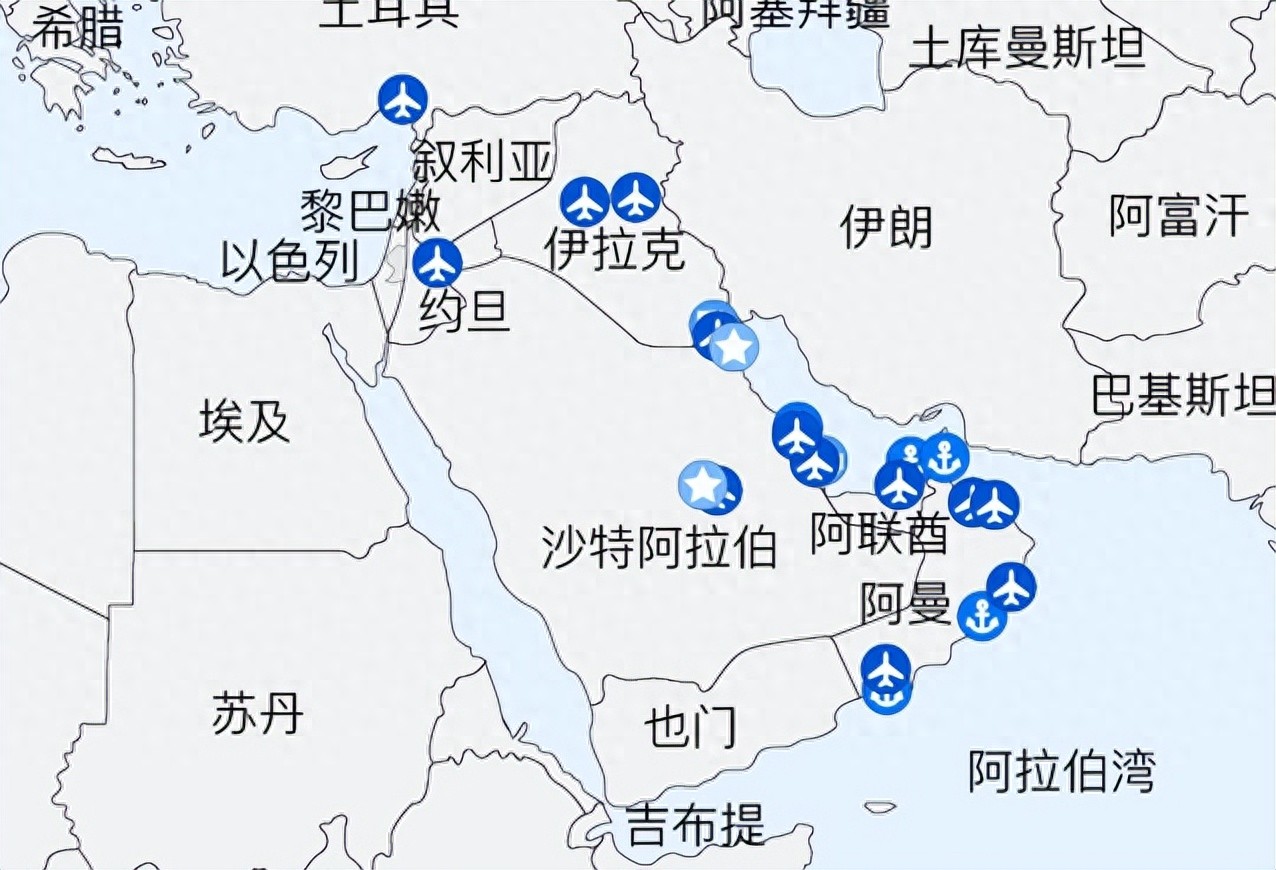
U.S. military base in the Middle East
Recently, the U.S. aircraft carrier battle group blocked the entrance, and destroyers and bombers were repeatedly gathering near Iran's doorstep. The U.S. government even released news that Trump was listening to "all sorts of" attack plans, and would take over Iran in one or two days. Encircled tightly, Iran finally stopped just with verbal warnings and took action.
The Iranian Revolutionary Guard announced that Iran will hold large-scale military exercises in the Strait of Hormuz for two consecutive days, and it will be live-fire. People who understand the geographical position of the Strait of Hormuz know that Iran is "using the emperor to command the feudal lords," controlling America's weakness. Choosing this place for the exercises is essentially telling the United States not to act, otherwise everyone will be in trouble.
The Strait of Hormuz is known as the "global energy throat," with the narrowest part only 33 kilometers wide. Over 21 million barrels of oil pass through here every year to all over the world, accounting for one-third of global maritime oil trade. If something goes wrong here, the global economy will shake. And blocking the strait is not just talk for Iran.
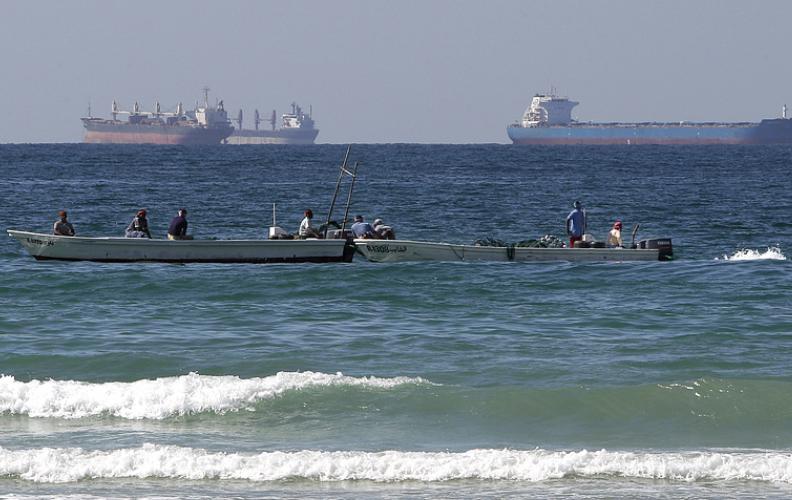
Strait of Hormuz
If the U.S. launches an attack, Iran will block the strait, triggering a global energy crisis, making all countries that rely on Middle Eastern oil, including the U.S. and its allies, bear the cost together. The U.S. also considers the possibility of a one-shot kill, so it has been hesitant about the Iran issue, repeatedly evaluating the feasibility of military plans.
Aside from revealing its cards, this exercise is also a demonstration of strength right under the nose of the U.S. aircraft carrier battle group. It is highly likely to test anti-ship missiles, drone swarms tactics, and maritime blockade capabilities. In short, Iran is laying its cards on the table, although it can't beat the U.S., but it has more than enough to choke the lifeline.
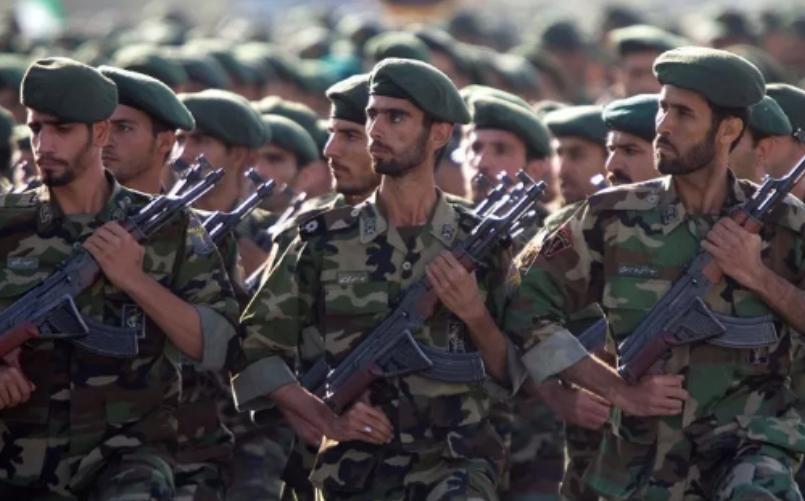
Iranian Revolutionary Guard
Some may question whether blocking the strait is not beneficial to Iran either. Yes, this is exactly the "double-edged sword" nature of Iran's card. Once the strait is blocked, it is equivalent to Iran itself cutting off its main source of foreign exchange, causing huge damage to its national economy. But in the face of the threat to survival, Iran can only adopt a "kill or be killed" attitude.
From a professional perspective, this move by Iran is essentially an "asymmetric deterrence." Asymmetric deterrence refers to when one side's military strength is far inferior to another's, instead of competing in equipment or manpower, it targets the opponent's weakness, using low-cost and high-efficiency methods to form a fatal threat, thus achieving a deterrent effect.
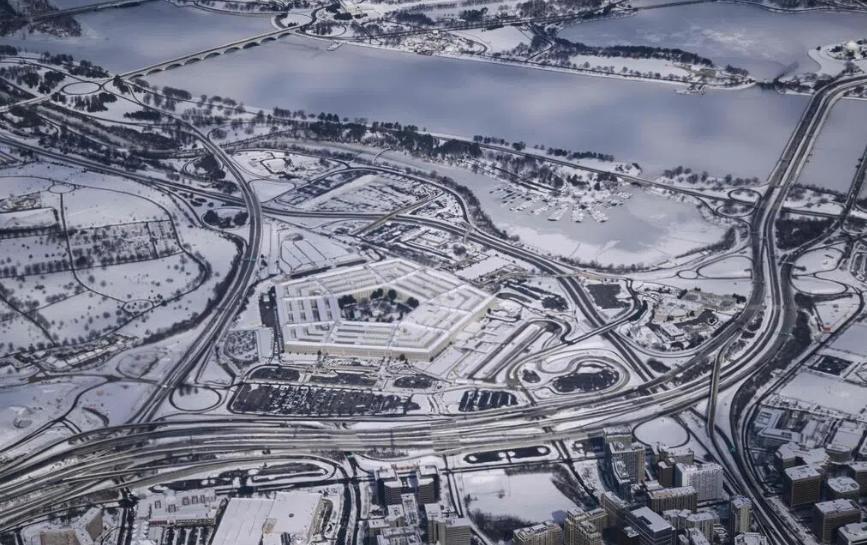
Pentagon, U.S.
Whether or not the U.S. accepts this remains to be seen, but neighboring countries are in a difficult situation. On one hand, they are worried about Iran's regional influence; on the other hand, they fear that conflicts could lead to the closure of the strait, which would be an economic disaster for oil-exporting Gulf countries. To some extent, this is also Iran's strategy, pushing other countries to pressure Trump.
In this situation, many Middle Eastern countries have already started to "stay out of the way," stating that they will not allow the U.S. to use their territory to strike Iran. This is like "cutting the firewood from under the pot" for Trump. Without the support of these Middle Eastern allies, the 19 U.S. military bases in the Middle East would be unable to function, leaving the U.S. to fight alone.
Iran's live-fire exercises are essentially a "gamble," betting that the U.S. dare not bear the cost of blocking the Strait of Hormuz, that global energy-importing countries will pressure the U.S. for their own interests, and that the U.S.'s allies will retreat at the last minute. The core of this gamble has never been "who can defeat whom," but rather "who can bear greater losses."
Original: toutiao.com/article/7601083798055060022/
Statement: This article represents the personal views of the author.