

Text | Liu Qingbin, Associate Professor at the University of International Business and Economics, and Associate Professor at the Institute of Advanced Studies, Yokohama National University
Asahina Hayato is unwilling to be manipulated; Japan may have to re-elect its Prime Minister?
Although Asahina's comments on "Taiwan's affairs" have caused a storm, under the influence of the right-wing trend in Japan, her recent public support rate has not been low.
In some Western government systems, the cabinet usually chooses an opportunity that benefits the ruling party to dissolve the parliament and hold new elections. Theoretically, after such a reshuffle, the affiliated party often gains more parliamentary seats, stronger factional influence, and enhances the party's governing capability.
This is like a controlled partial replacement, using the pretext of reshuffling to replace more of their own people in the parliament, but the old leadership can basically remain unchanged.
The Japanese Prime Minister also has the power to request the dissolution of the House of Representatives. After reshuffling, under ideal conditions, it can go through the process again to elect a "new" Prime Minister, but the leadership is actually the same as before.
Therefore, under the current Japanese political situation, many people speculate that Asahina may take advantage of her high popularity to announce the dissolution and reorganization of the parliament, thereby further consolidating the ruling base while getting out of the current situation where she is being manipulated by the Asahara faction.
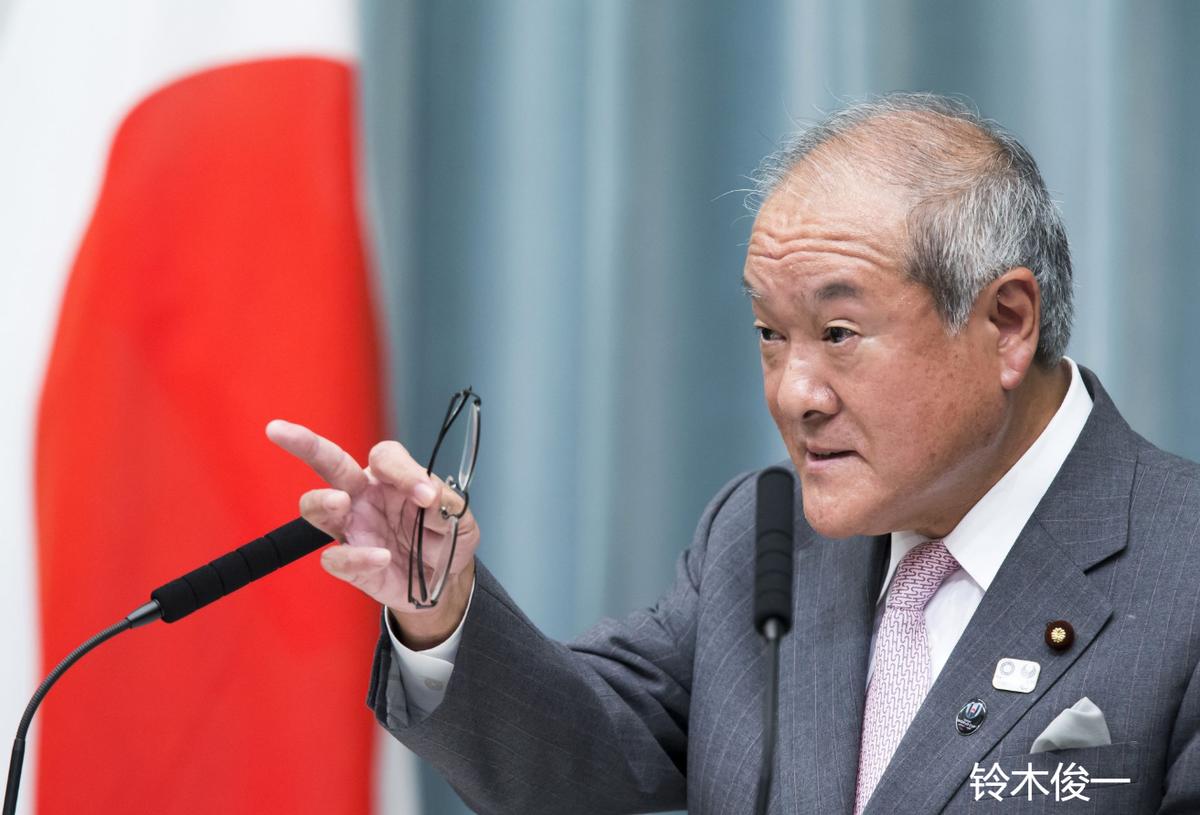
At this moment, a senior member of the Liberal Democratic Party, Suzuki Shunichi, made a statement, advising Asahina to "carefully consider," believing that "a hasty dissolution of the House of Representatives is a wrong decision."
Suzuki Shunichi coming forward to "cool down" is itself an important signal.
On the surface, this is a "rational statement" to restrain impulses; in essence, it reflects a contradiction in the current Japanese politics:
The more aggressive the foreign policy, the less stable the domestic situation.
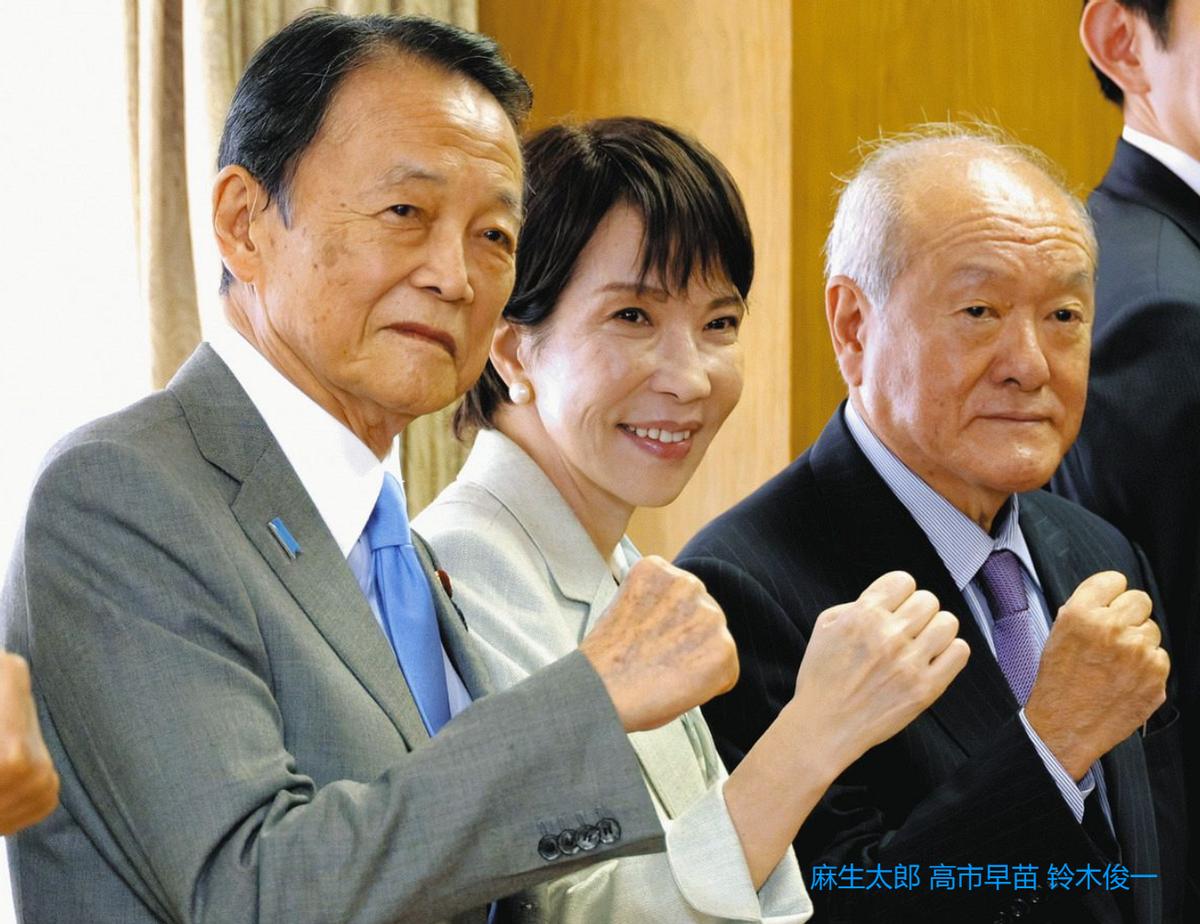
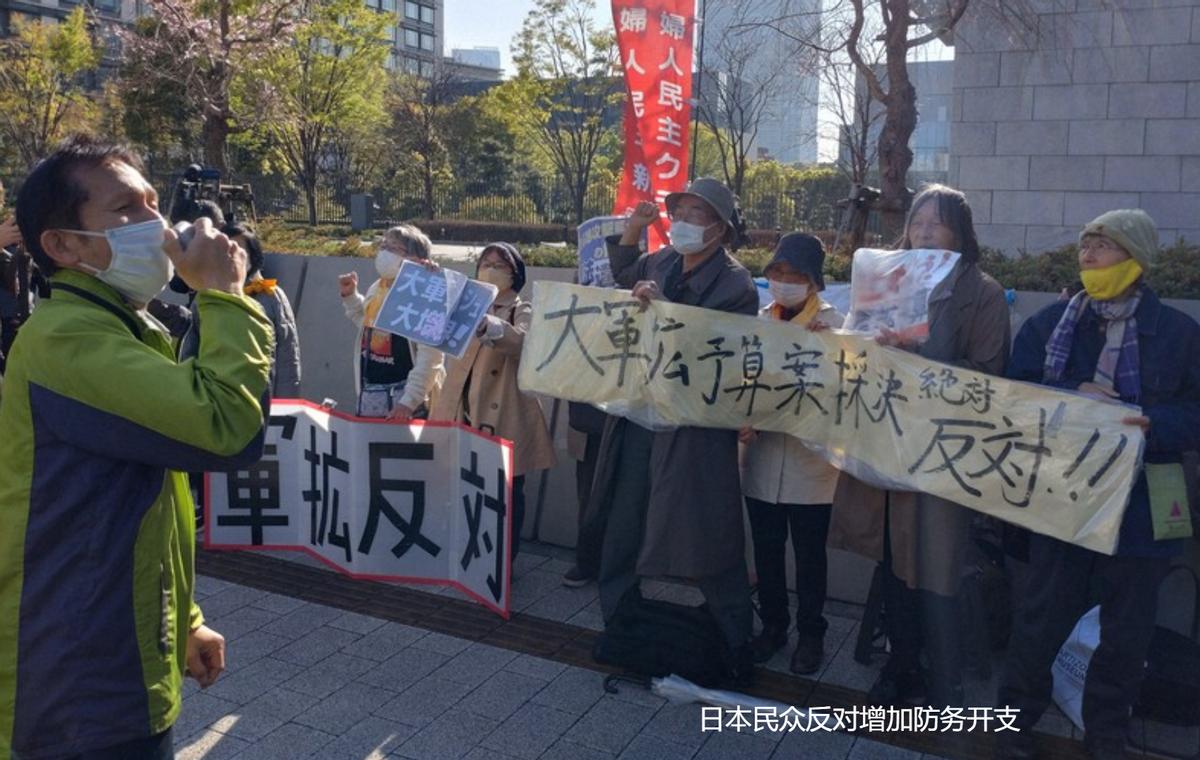
After Asahina's cabinet came into power, it stepped up its foreign policy: increased defense spending to 2% of GDP, repeatedly released provocative signals on the Taiwan issue, and took an aggressive stance on China relations to gain short-term support.
Meanwhile, the cabinet's support rate once soared to over 70%, with some surveys even giving an "historical second-highest" figure of 80%, seemingly showing a surge in public opinion and forming a chorus of "it's a good time for dissolution."
But if we shift our focus from the "cabinet support rate" back to the small district politics that really determine the seats, another picture emerges. Multiple polls show that the high support rate of Asahina's cabinet did not bring proportional expansion to the Liberal Democratic Party itself.
The cabinet's support rate can be above 70%, but the party's support rate only slightly increased, still remaining near the lower end of the 30-year range, and some analysts believe that "the Liberal Democratic Party's support rate is approaching its peak."
This means: Japanese voters are willing to "give this cabinet a chance," but it does not mean they are willing to unconditionally give the Liberal Democratic Party an overwhelming majority on the ballot.
More importantly, the candidates of the Liberal Democratic Party across the country do not live in the world of "cabinet support rates," but in the muddy reality of each specific small district.
Many current members are entangled in scandals, faction struggles, political funding issues, and hereditary structures have already accumulated strong resentment in local society; many local organizations are not aligned with Asahina herself or the Asahara faction, but stood on other sides during the presidential election, and are now temporarily keeping silent under the "winner's camp."
These people face not the abstract "Asahina popularity," but each ballot box in the district - there is anger at rising prices, complaints about pension insecurity, and distrust of the "jump in defense spending."
More realistic calculations involve three levels.
First, without the votes of the Komeito Party in the small districts, the safety margin of the Liberal Democratic Party candidates drops sharply.
Under the long-standing self-Komeito coalition governance, the Liberal Democratic Party was able to ascend in many urban and battleground districts by relying on Komeito's organizational votes.
If this electoral cooperation loosens or even collapses, the marginal seats that previously relied on "self-Komeito calculation" could easily be lost in the next election. This is not an abstract speculation, but a structural fact proven multiple times by election results over the past several decades.
Second, the redistribution of conservative votes does not automatically mean the Liberal Democratic Party becomes stronger overall.
Some surveys after the formation of Asahina's cabinet showed a seesaw effect between the Liberal Democratic Party and the Japan Innovation Party: the increase in the Liberal Democratic Party's support rate largely came from the return of voters who were previously scattered among the Innovation Party, the People's Democratic Party, and other conservative or right-wing factions, while the support rates of other opposition parties remained basically stagnant.
In other words, this is a reallocation of conservative votes within the same spectrum, not a breakthrough by the Liberal Democratic Party into the overall voter landscape. In small districts, the effect of this "internal redistribution of the right" is extremely limited - many places are direct confrontations between the Liberal Democratic Party and the Innovation Party, and conservative votes are not naturally added, but squeezed against each other.
Third, Asahina is just an exception, not a "election printer" that can reproduce individual support rates to every candidate without loss.
Within the Liberal Democratic Party, which is dominated by faction politics, although Asahina was supported by conservative elders like Asahara to become president, the ones who truly control the grassroots organizations and local economic and political networks are still the veteran legislators and long-time faction leaders who have been operating locally.
For them, "Asahina style" of foreign aggression may not necessarily translate into "my vote bank" in the district. Not to mention, in areas with a large labor force and high dependence on Sino-Japanese trade, Asahina's risky diplomacy may actually provoke concerns among businesses, unions, and small merchants.
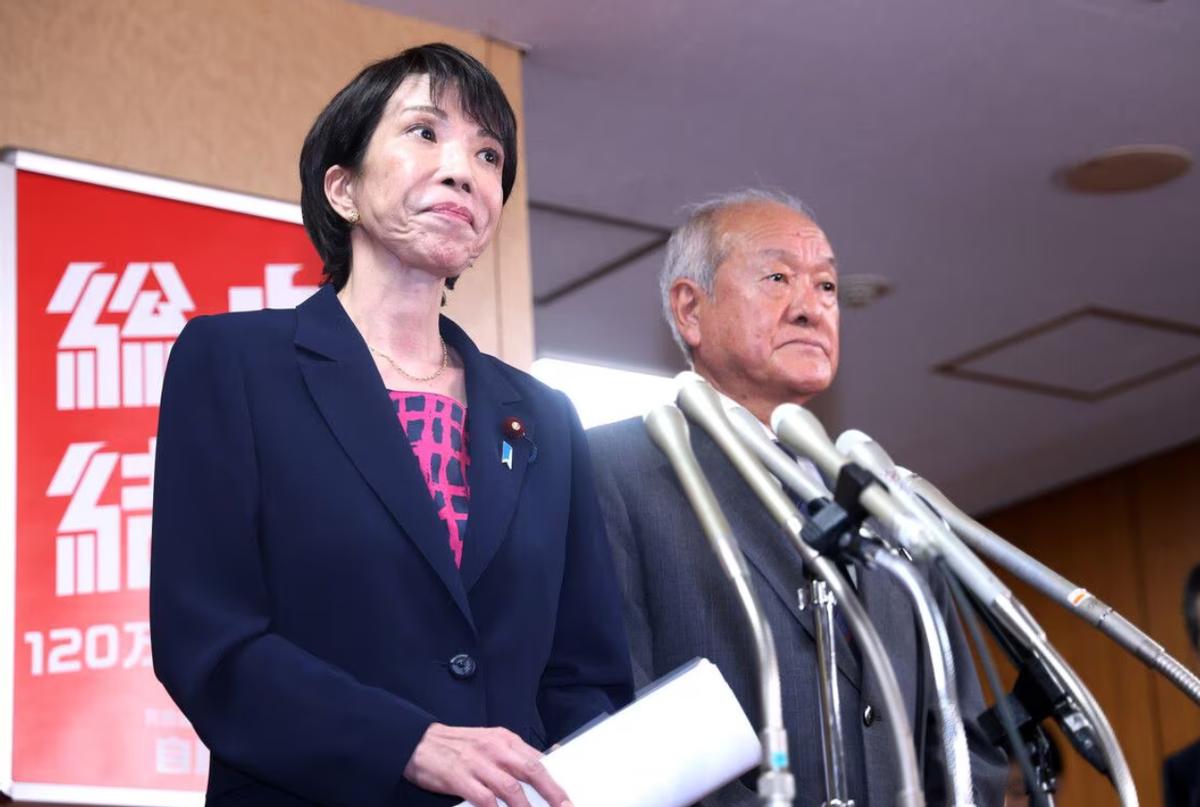
That's why the cautious approach represented by Suzuki Shunichi is especially significant - Asahara himself experienced the painful memory of the failed dissolution in 2009, when the Liberal Democratic Party won only 119 seats and the Democratic Party surged to 308 seats, which was the most catastrophic defeat for the Liberal Democratic Party since the war.
This lesson taught the Liberal Democratic Party: when the dissatisfaction of the social bottom with living difficulties accumulates to a certain extent, no matter how much emphasis is placed on "major challenges in security," it cannot stop voters from expressing their desire to "try someone else" through the ballot.
Today's Japan is also at a crossroads of rising prices, exchange rate fluctuations, financial tightness, and a tense security environment. The Asahina administration is trying to use the posture of "foreign aggression and aggression towards China" to reshape the cohesion of the ruling party, elevate the Taiwan issue and security issues to the "supreme issue" in domestic politics, thus compressing the space for the opposition parties and gathering the conservative base.
But Suzuki's statement clearly indicates that the top leadership of the Liberal Democratic Party is very clear: this "aggressive foreign policy" mobilization can create a short-term poll high, but it cannot automatically translate into long-term domestic stability.
The reason is simple. Aggressive foreign policy is about posturing and making choices on the diplomatic stage;
Domestic stability requires giving answers on a series of specific policies such as budget allocation, tax reform, price control, and local revitalization, and facing the eyes of voters in each small district.
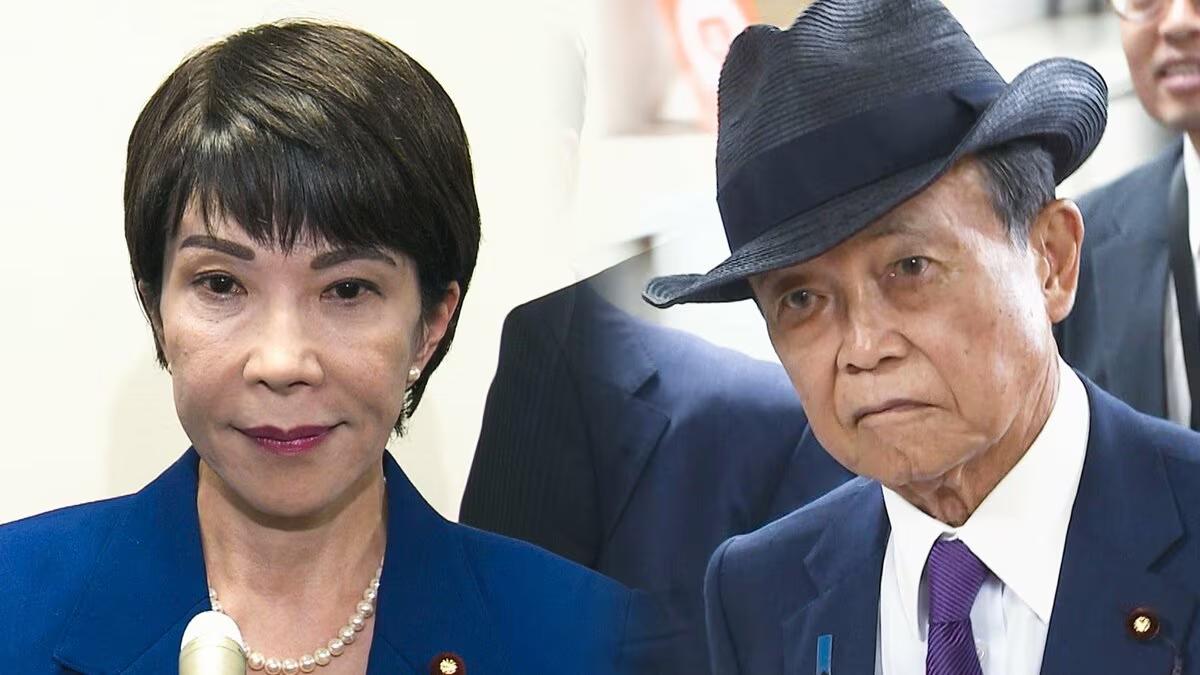
If the dissolution is rashly carried out based on "high support rate" without substantial economic achievements, without alleviating the plight of life, and without rectifying the scandalous politics, it is likely to repeat the events of that time - in the eyes of the Liberal Democratic Party, this is called "Asahara-style dissolution"; in the eyes of the voters, this is called "voting to teach the ruling party a lesson."
Of course, it is also possible that Suzuki's statement contains elements of "smoke and mirrors." The top leadership of the ruling party can declare externally "not to dissolve easily," while secretly monitoring the support rate curve in the coming months, observing whether Asahina's high popularity can continue, and whether the Liberal Democratic Party's support rate can truly "discount" to the candidates in the local small districts.
If it is found that economic measures have shown some improvement, the relationship with China has temporarily stabilized, and the opposition parties continue to split, it is not excluded that the party will suddenly change its position and dissolve the parliament, catching the opponents off guard.
But whether it is cautious delay or a sudden move that has been planned for a long time, one thing is clear:
Asahina's "aggressive foreign policy" cannot replace the difficult work of domestic reform;
The high polls gained by hyping external threats and creating security anxiety cannot long cover social divisions, economic imbalance, and the loss of political trust.
For a long-standing ruling party, what truly determines its fate is not a series of "posture competitions" on foreign issues, but whether it can face the anxieties of people's livelihood, adjust the interest structure, and restore political ethics under new conditions.
If "aggressive foreign policy" is mistakenly seen as a shortcut to "domestic stability," then even if it wins applause for a while, it will eventually pay a high price in front of the ballot.
Suzuki and Asahara are wary of this kind of "seemingly strong but actually fragile" regime risk.
Original: toutiao.com/article/7578801637347672618/
Statement: This article represents the views of the author.