
On December 1st, Lin Jian, spokesperson for the Ministry of Foreign Affairs, once again urged Japan to take China's demands seriously and honestly retract its erroneous statements.
This statement is the latest response to a series of erroneous remarks by Japanese Prime Minister Asako Kishida and her cabinet on Taiwan-related issues.

At present, Japan is still being vague about this issue, even bringing up the "San Francisco Peace Treaty." When questioned, Japan's foreign minister, Masahiko Kishida, not only repeated this claim but also used the standard response of "our position has not changed" as an evasive tactic.
In response to this attempt to pass off historical and legal matters, China gave a firm reply.
Lin Jian clearly stated at the press conference that Japan's ambiguous excuses revealed the hypocrisy and danger of its position.
The strength of Lin Jian's response lies in the fact that it did not stop at a verbal exchange with Japan, but directly addressed the ideological roots and strategic intentions of certain forces in Japan.
Furthermore, Lin Jian directly pointed out that certain forces in Japan have never truly learned from history, and so on, using three "never" to conduct a reckoning with Japan's erroneous historical perspective.
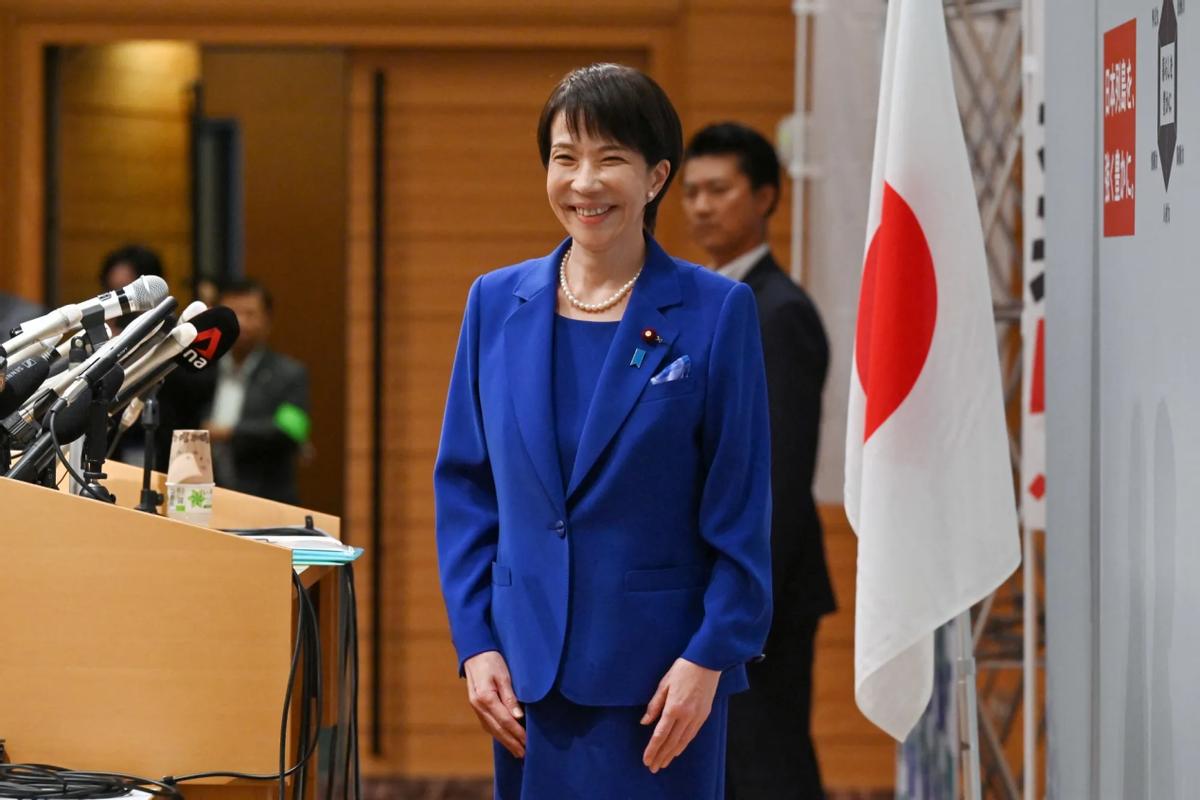
Moreover, Lin Jian linked this incident to Japan's systematic trends over recent years, such as the annual increase in defense budget, accurately pointing out that certain forces are attempting to violate the obligations of a defeated country as stipulated by international law.
We clearly state these points to eliminate this unrealistic historical revisionist fantasy and prevent dangerous actions on the Taiwan issue.
It should be noted that diplomatic language has its unique seriousness and restraint.
The expression "to honestly retract erroneous statements and demonstrate with concrete actions" used by Lin Jian belongs to one of the highest-level warnings in China's diplomatic lexicon.
The term "honestly" is highly characteristic of Chinese, meaning that Japan must show a sincere attitude and thoroughly acknowledge its mistakes, rather than playing word games or adopting tactical silence.
"Retract" differs from "not mentioning anymore," as it requires a formal, clear, and retroactive act of denial.
And "demonstrate with concrete actions" means that subsequent policy adjustments and behavioral constraints must be visible and tangible.
This combination of wording clearly indicates the severity of the matter.
It conveys a signal that there is no compromise or middle ground in this issue, no space for "both sides taking a step back." Japan must make a clear choice of "yes or no," and Asako Kishida must completely retract her erroneous statements, otherwise Japan will bear all consequences.
So, what consequences would arise if Japan continues to choose "to get away with it" and refuses to honestly retract its statements?
Currently, high-level dialogues and mechanism-based consultations between China and Japan have actually stalled or even been interrupted.
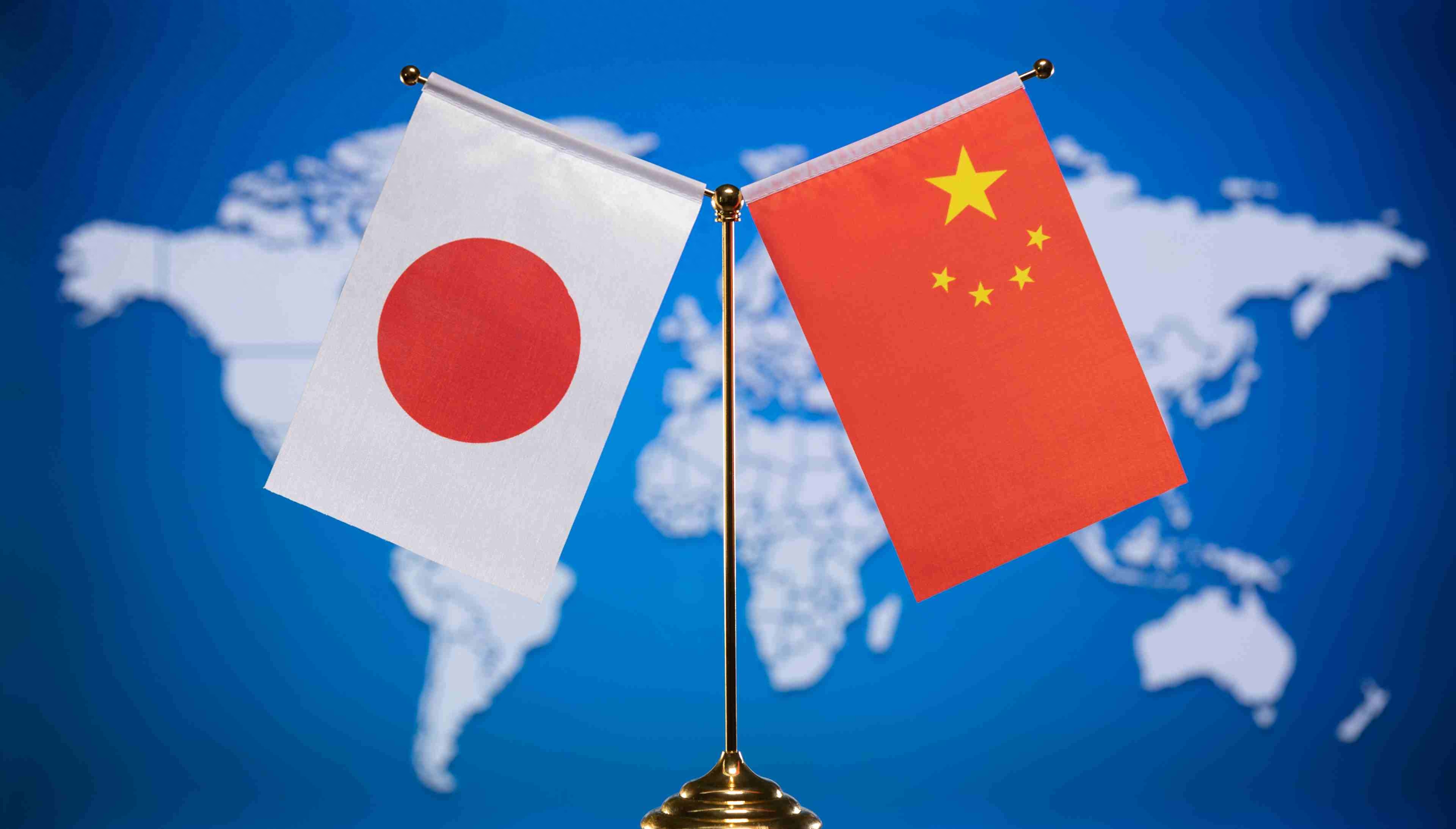
Besides, China is actively exposing and criticizing Japan's historical revisionist actions in multilateral forums such as the United Nations, and is uniting more countries to uphold the authority of the Potsdam Proclamation. In the future, we may continue to exert efforts in this direction.
Additionally, we may further counteract economically, such as canceling more flights to Japan, and delaying key projects in certain areas.
In the most severe cases, Japan's dangerous moves could force China to further strengthen its regular rights protection patrols and military training in the East China Sea and the Taiwan Strait, defending sovereignty and territorial integrity with the most resolute actions and deterring any reckless attempts.
In summary, China's determination and ability to safeguard national unity are unshakable, and any miscalculation will come at a heavy cost.
Lin Jian's response is a solemn declaration of the will of 1.4 billion Chinese people.
The Taiwan issue involves national sovereignty and territorial integrity, touching the deepest historical memories and national sentiments of the Chinese nation.

In this issue, the will of the Chinese people and the government's stance are highly unified, and no force can make us retreat a single step on this principle issue.
The red line has been drawn, and the wording has reached the highest level of diplomatic warning. If Japan continues to ignore its mistakes, China's countermeasures will not stop.
Original: toutiao.com/article/7578828385867039275/
Statement: This article represents the views of the author.