
One wave has not yet subsided, another has arisen. Japan is once again eyeing the Diaoyu Islands, presenting three "treasured" documents in an attempt to take the islands from China. The Chinese Foreign Ministry bluntly stated that Japan should not come out to humiliate itself.
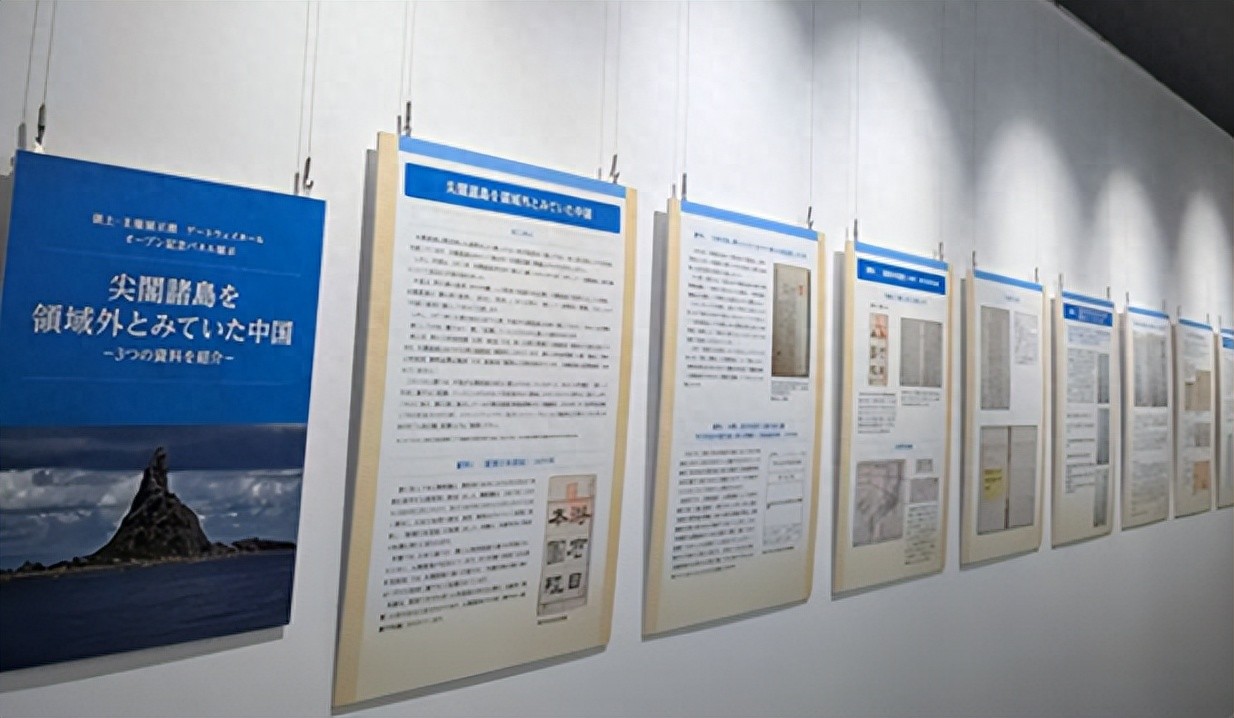
The three documents displayed by Japan
According to Japanese media, since last month, the Japanese government has added three documents on the so-called "sovereignty display board" in the capital. The purpose of these three documents is consistent: to prove that the Diaoyu Islands do not belong to China. Japan wants to use this to create public opinion advantage and illegally seize the sovereignty of the Diaoyu Islands from China.
The Chinese Foreign Ministry said that there are plenty of relevant documents proving that the Diaoyu Islands belong to China. However, Japan rummaged through its drawers and only brought out these three so-called "historical materials," which have no persuasive power at all. To put it plainly, don't bring out these fragmented and distorted "rubbish" to humiliate yourself.
When the Chinese side says this, it is not blindly opposing Japan, but rather, the three documents that Japan has presented are indeed untenable. According to the information, the three documents are internal documents from the Chinese Foreign Ministry discussing the peace treaty with Japan in 1950, a survey report by the Qing Dynasty's envoy to Japan in 1889, and official documents and records of the Sino-Japanese talks regarding the cession of Taiwan in 1895.
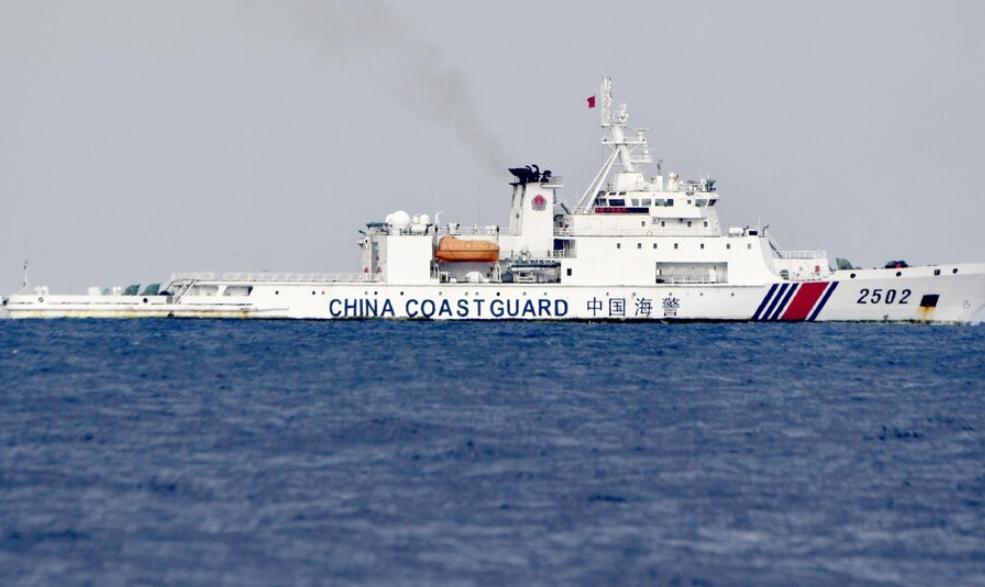
Chinese maritime police patrolling near the Diaoyu Islands
First, let's talk about the 1950 internal document of the Chinese Foreign Ministry. The core attribute of this document is "internal discussion draft," not an official diplomatic statement or a document of sovereignty claim issued by the Chinese government. Therefore, it may not reflect the official position. Although Japan has been hyping up the fact that this document mentions "the Diaoyu Islands belong to Ryukyu," this document is not the final position of China.
More importantly, the document clearly states the expression "it is necessary to study whether the Diaoyu Islands should be included in the issue of Taiwan." This expression is based on the premise that the Diaoyu Islands are inherently Chinese, not a "no-man's land" or "belonging to Japan." Japan deliberately avoids this key premise, distorting "administrative jurisdiction research" into "sovereignty questioning," essentially swapping concepts.
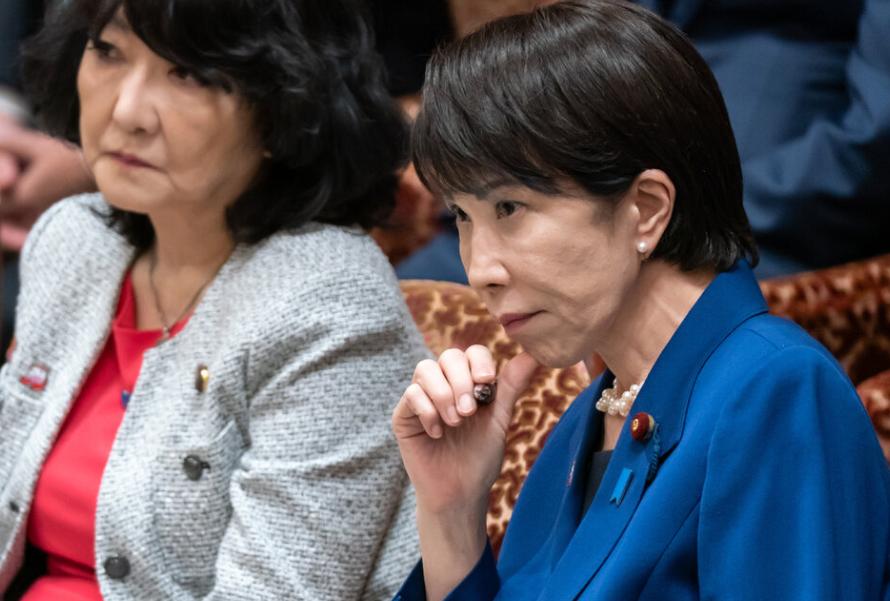
Asano Hayato
As for the 1889 survey report by the Qing Dynasty's envoy to Japan, Japan's statement is that because the Qing government did not confirm the sovereignty of the Diaoyu Islands, they sent someone to investigate. However, the actual situation was that after annexing Ryukyu, Japan targeted the Diaoyu Islands and continuously harassed them. The investigation by the Qing Dynasty's envoy to Japan was essentially a targeted response to Japan's expansionist ambitions.
The 1895 official documents and Sino-Japanese talks records regarding the cession of Taiwan, Japan's view is that the Treaty of Shimonoseki does not explicitly include the Diaoyu Islands as part of the "Taiwan's附属 islands." However, this is intentional on Japan's part. The meeting records show that the Qing government once questioned whether the list of Taiwan's附属 islands should be included, while Japan stated that the map and chart of the "recognized sea areas" already had the "Taiwan's附属 islands."
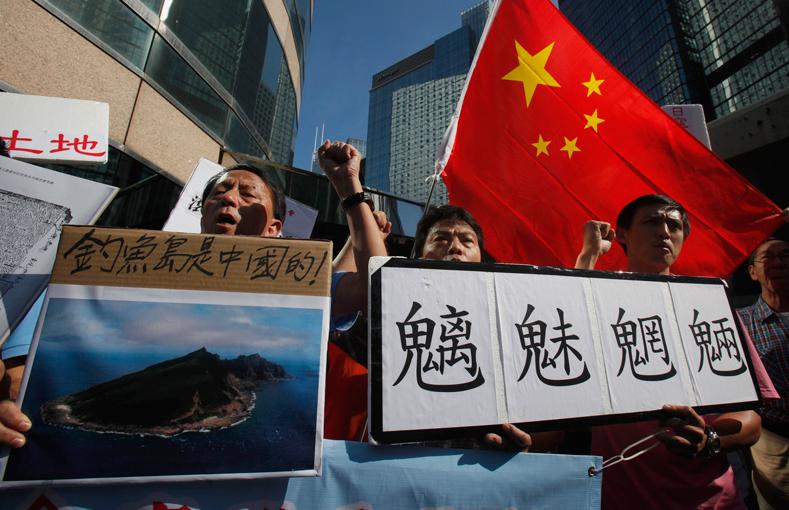
Hong Kong citizens protesting
At that time, both domestic and foreign maps clearly marked the Diaoyu Islands as part of China's territory. Japan deliberately avoided this, because they knew that the Diaoyu Islands were part of the "recognized sea areas" as the "Taiwan's附属 islands." Obviously, Japan fully understood the Chinese sovereignty of the Diaoyu Islands at that time. The so-called statement that "it is not part of the Taiwan's附属 islands" is purely fabricated later.
As the Chinese Foreign Ministry pointed out, if Japan really is straightforward and guiltless, it would release the complete content of the documents instead of taking them out of context and twisting words, trying to distort history. The three documents released by Japan are not only incomplete, but also lack the context of the times, which in turn proves that Japan's claims are untenable. It is better for Japan to stop coming out to humiliate itself.
Original: toutiao.com/article/7578824286685692468/
Statement: This article represents the views of the author.