
Brendan P. O'Riley, an American expert, wrote on December 8 that even if China's GDP surpasses the United States in the future, it is not the end of the world and will not make the United States lose its prosperity and global influence.
Instead, the United States should focus more on improving its own competitiveness, rather than continue to be addicted to costly containment policies.
It can be seen that the U.S. internal is preparing psychologically for future structural changes in advance.
The logic is that when there is a large gap between China and the United States, the media will wildly promote the "China threat theory" to gain more resources and increase the intensity of containment against China.
But when it gradually realizes that China's surpassing the United States is inevitable, it will start a new public opinion preparation, focusing on accepting the reality — since it is already impossible to stop China, there is no need to invest so much resources in anti-China direction anymore, just take care of your own life.
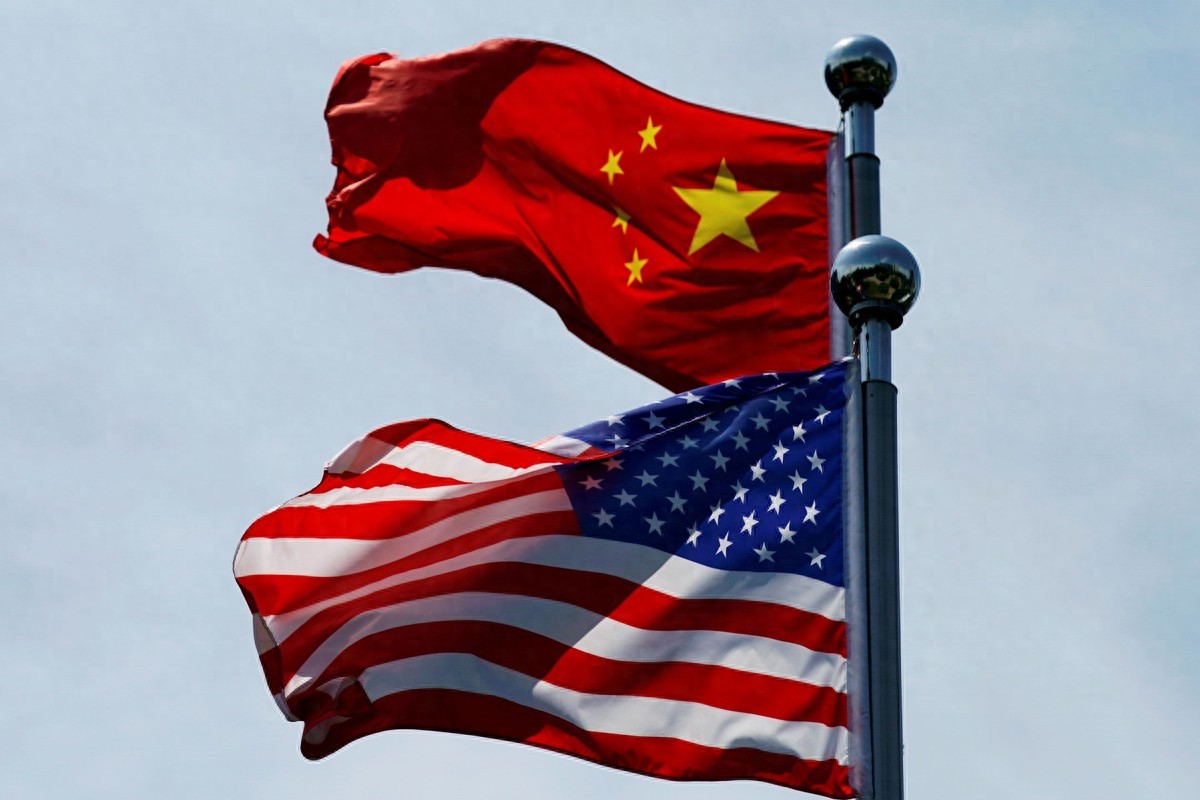
Chinese flag and American flag
This indicates that the U.S. media circle has also realized that the path of encircling and containing China has become unworkable.
In recent years, the United States has implemented measures to restrict chips, materials, and supply chains, investing huge resources into forcing China to slow down.
But the facts show that these measures, although seem tough, are actually ineffective, and instead, the United States has paid a huge cost.
U.S. domestic companies have to bear additional costs, allies have little interest in cooperating with the technological iron curtain, supply chain transfer has led to increased inflation pressure within the country, and Washington needs to invest more and more fiscal subsidies and diplomatic costs.
If the United States continues to intensify restrictions and binds the national strategy to the logic of holding back China, it will only make it increasingly difficult for the United States to bear.
Therefore, instead of continuing to waste resources to suppress China, the United States should invest in innovation and education, otherwise it will self-destruct in the wrong direction.
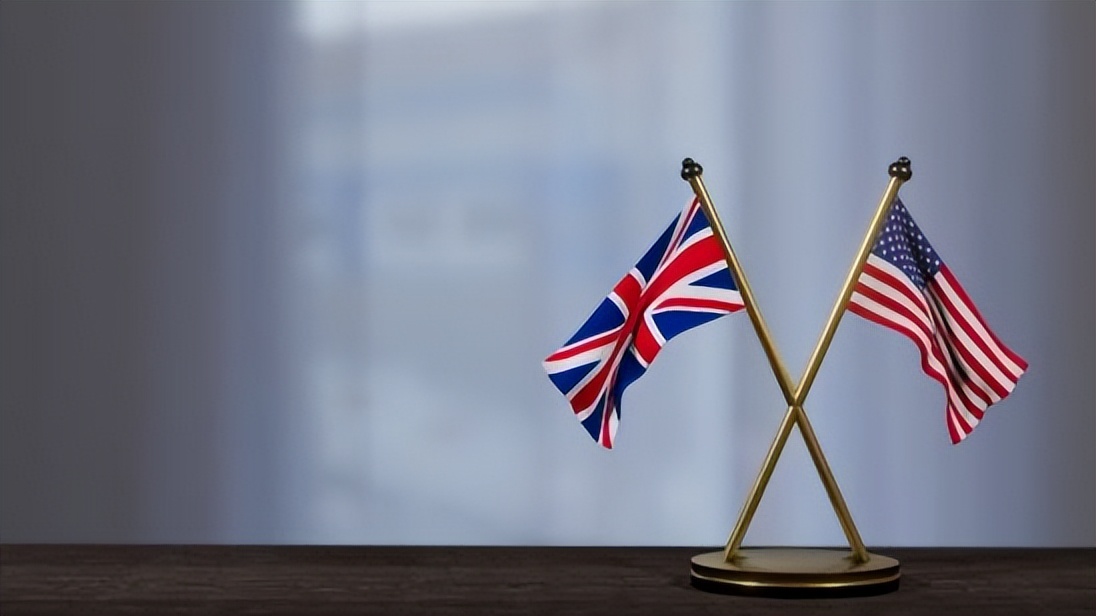
United Kingdom and United States
When persuading the domestic audience not to fear China's surpassing, American experts gave an example of the United Kingdom: when the United States surpassed the United Kingdom in economic scale in the 20th century, the United Kingdom did not regard the United States as an enemy, and the United States did not retaliate against the United Kingdom. Similarly, China will not punish the United States with its economic scale.
Previously, the United States always loved to hype up that if China becomes number one, it would retaliate like the United States once did to China.
This time, the public opinion has made a 180-degree turn, advising Americans not to be afraid, rather than continuing to scare Americans.
This is easy to understand because this is a fact that the United States must accept — China's influence is rising comprehensively, and this trend cannot be reversed by bans and sanctions.
Therefore, compared to continuing to build a technological iron curtain and supply chain encirclement, the United States should place its strategic focus back at home, focusing on education, talent, and cutting-edge technology.
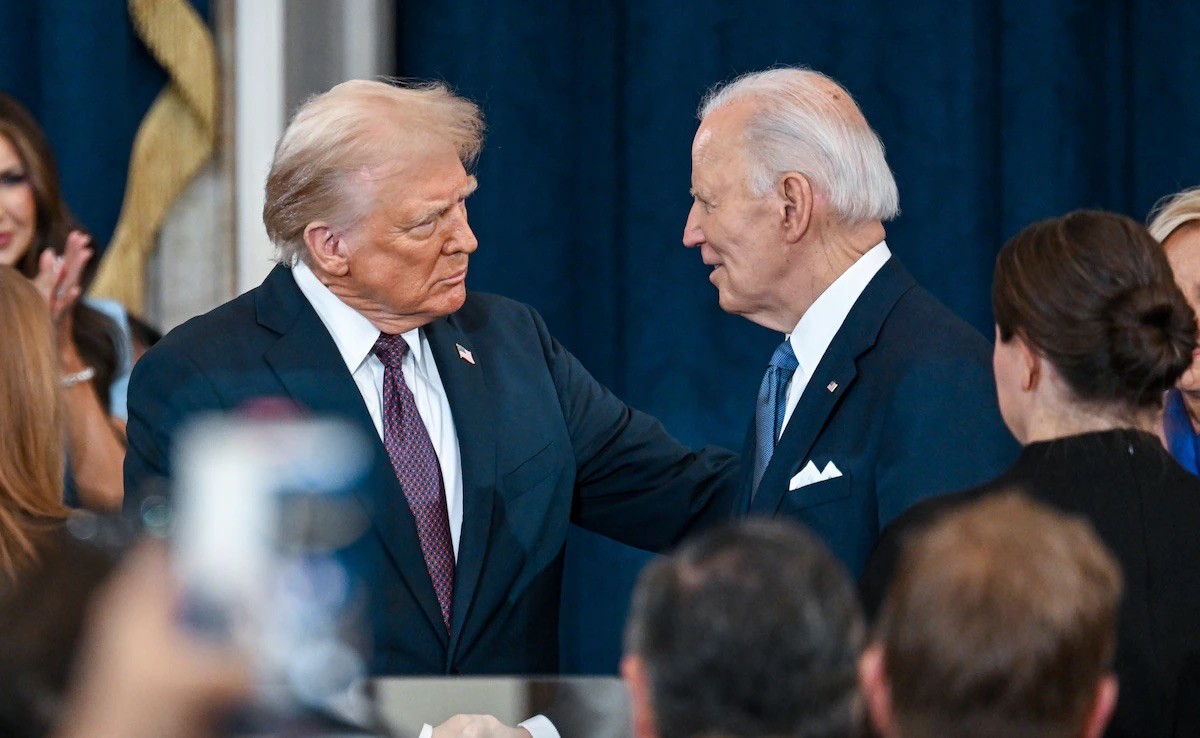
Trump and Biden
Behind this is another reason, that the larger China's economy becomes, the higher the cost the United States bears in the containment framework. The more mature the supply chain and the stronger the R&D capabilities of China, the harder it is for the United States to achieve its goals through external pressure.
If the United States continues to stick to the old route, it will only put itself into a long-term war of attrition with no certainty of victory.
That is why American experts try to convey a public narrative that reduces fear to the domestic audience, allowing the American society to gradually accept that China will continue to develop, and even if China surpasses the United States completely, there is nothing to fear.
This partly shows that the United States has begun to accept that China may surpass it in nominal GDP in the future and is preparing a psychological way down. The Washington media circle can no longer maintain the previous narrative that the United States would collapse if it did not contain China, so it needs to introduce a new psychological soothing mechanism to allow the American society to prepare for future order changes in advance.
Original: toutiao.com/article/7581750083331424777/
Statement: This article represents the views of the author alone.