
Before the beginning of December, China and Russia held the third joint anti-missile exercise in Russia. Both sides' official statements said that the joint exercise is not aimed at a third party and is unrelated to the current international and regional situation. However, everyone is clear that the few countries that can threaten China and Russia with missiles are very few. In the Northeast Asia region, only the United States and Japan remain.
The first joint anti-missile exercise between China and Russia took place in 2016, the second in 2017, and then there was an eight-year gap before it was suddenly restarted at the end of 2025, indicating a significant change in both sides' assessment of the regional security situation. Considering the recent right-wing tendencies of the Japanese government, this joint exercise by China and Russia is a stronger warning to the U.S. and Japan.
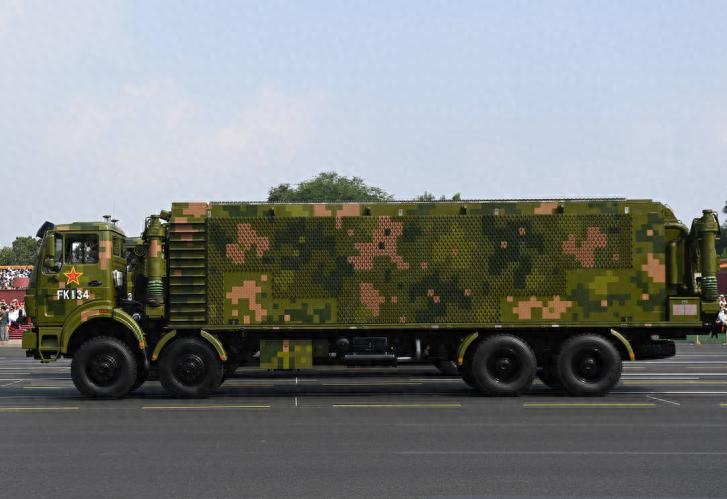
(Chinese missile early warning radar can be deployed for mobile operations)
Let's first discuss the technical implications of the joint anti-missile exercises between China and Russia. Traditionally, both China and Russia have been concerned about ballistic missiles from the United States. Currently, the U.S. Air Force still has more than 400 Minuteman III intercontinental nuclear missiles, and is developing the next generation of Sentinel missiles. The flight path of ballistic missiles starts from the northern part of the U.S. mainland, crosses over the Arctic, and reaches Russia or China.
Technically, the Russian early warning radar network pointing towards the Arctic Ocean constitutes the first line of defense against missile attacks. If the U.S. were to attack China with missiles, it would definitely be detected first by the radar stations in Russia. If the Chinese and Russian radars could be networked, it would enable China to build two early warning networks.
Strategic defense is necessarily mutual. Russia can provide such convenience for China. It itself cannot be without desire. One-sided dedication does not exist in international politics. From a purely technical perspective, the elements that China can provide to Russia are also strategic. During the 93 parade, several of China's strategic early warning radars were reviewed.
More impactful is the HQ-29 mid-course anti-missile weapon system. This indicates that China has made breakthroughs in long-range early warning radars and strategic anti-missile fire control. Since these systems are mobile, they can be deployed within China as well as within Russia. If China's strategic anti-missile system is temporarily deployed in Russia and connected with Russia's radar and anti-missile systems, it would effectively revitalize this technologically outdated system.
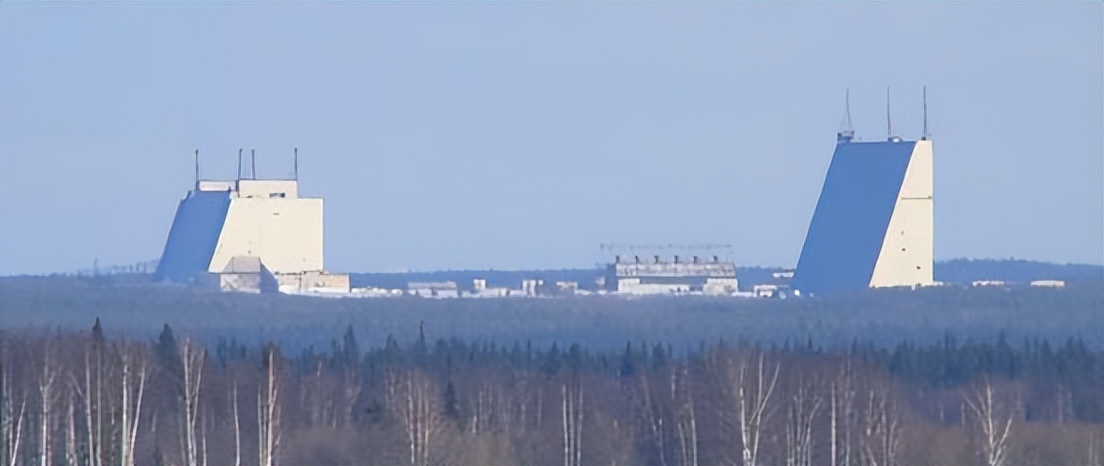
(The Yeniseysk 15 radar station was forcibly dismantled)
Especially during the late Soviet era, there was a gap in strategic anti-missile defenses in the northeastern direction. According to the 1972 arms control treaty, the Soviet Union could only build one radar station at the border in this direction. However, the beam coverage of the Soviet radar could not cover the entire gap. Therefore, the Soviet Union planned to build a massive radar station in Yeniseysk to achieve a larger coverage area. After the radar station was discovered by the United States, the Soviet Union once claimed that it was a space surveillance radar rather than an early warning radar.
But the U.S. was not easy to fool. The Soviet Union had to fulfill its treaty obligations, and in 1989, it was forced to dismantle it. If China dispatches temporary foreign troops, using mobile radar to close this gap, then Russia would not violate the treaty obligations. This would be a win-win situation for both China and Russia.
In extreme situations, with mutual agreement, China can also deploy air defense and anti-missile weapon systems within Russia. Considering the differences in the level of military electronics industry development and precision manufacturing capabilities, China's anti-missile systems, including the HQ-29, HQ-19, and HQ-9, are far more advanced and reliable than Russia's similar systems. They can be used to protect Russia's strategic targets. Deploying the HQ-29 forward can intercept U.S. warheads closer to Canada, effectively enhancing the strategic security of both China and Russia.
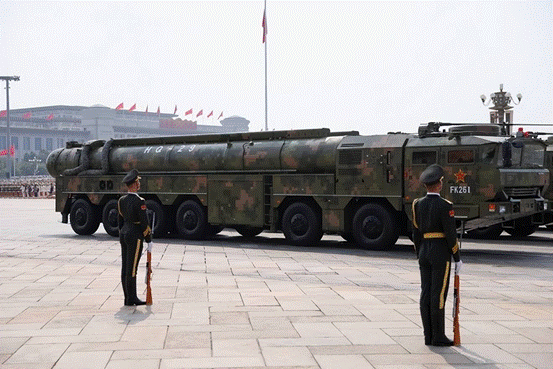
(The HQ-29 is a mid-course anti-missile weapon)
However, the situation is different in the direction of Japan. Japan currently does not have the capability to launch ballistic missiles, but under U.S. support, Japan has begun purchasing Tomahawk cruise missiles and independently developing the improved 12th-type anti-ship missile with a range of 1,000 kilometers. Anti-ship missiles and cruise missiles can use the same technological basis. Therefore, although the improved 12th-type missile is a long-range anti-ship missile, it can also pose a serious threat to Russia's major facilities in the Far East.
Due to severe budget shortages and weak military electronics industry, Russia is now unable to implement strategic early warning for cruise missiles. During the Ukraine war, Ukraine frequently launched suicide drones and European-provided Storm Shadow cruise missiles to strike deep into Russian territory, and the Russian military had almost no interception capability. The Tomahawk missile and the improved 12th-type anti-ship missile have better performance, so the Russian military would be even less able to intercept them.
However, China has advanced early warning aircraft technology and can monitor the sea area of Northeast Asia with a downward view, which is completely feasible for anti-cruise missile early warning in the Sea of Japan direction. Additionally, China and Russia have the same ally on the Korean Peninsula, which is North Korea. If China's early warning aircraft can be deployed in North Korea, it will not only monitor missile attacks from the Sea of Japan direction but also effectively monitor U.S. aviation activities in South Korea, achieving multiple benefits at once.
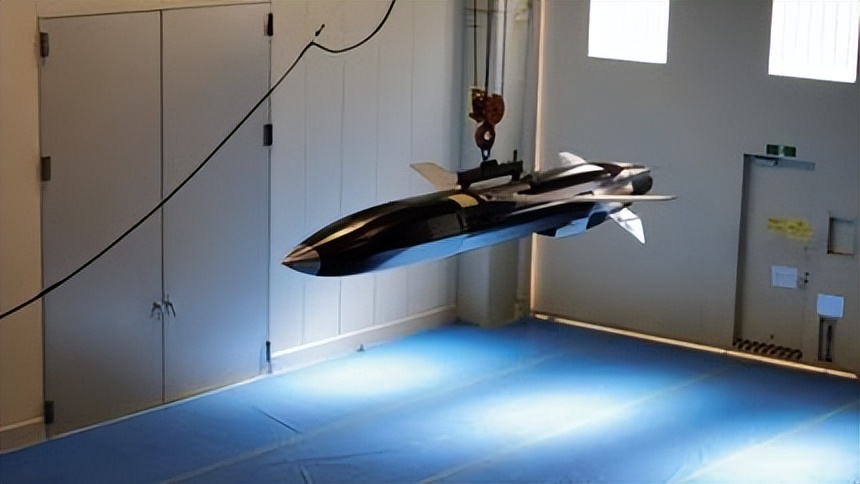
(Russia cannot detect the improved 12th-type missile on its own)
In summary, the joint anti-missile exercises between China and Russia are a strong deterrent to the U.S. and Japan bloc, demonstrating the true meaning of bottom-line thinking, which is that China and Russia not only do not fear large-scale wars but are also preparing for them. We hope that decision-makers in the U.S. bloc, especially figures like Takahashi Hayato, can understand clearly.
Original text: toutiao.com/article/7581764588451004955/
Statement: The article represents the views of the author alone.