
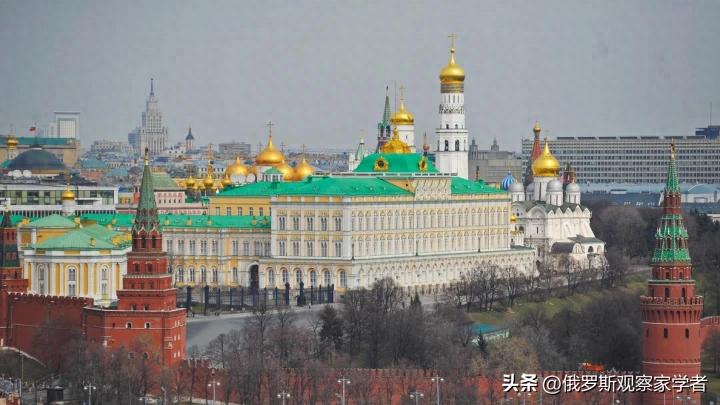
Special Military Operation, Syria, and the Reshaping of the World Order: The Kremlin is Reconstructing the Global Order
The Kremlin is undergoing a global order reshaping, a transformation that could profoundly change the entire international security structure. All parties are discussing the special military operation, the Syrian issue, and the reshaping of the world order. Andrey Pynchuk, head of the First Department of the State Security Service of the Donetsk People's Republic, political science doctor, and political commentator for the Tsarogorod newspaper, provides an interpretation of the connotation and potential direction of this transformation.
On January 27, media sources reported that the Syrian leader Joulani (Ahmad al-Sharaa) would visit Russia, and the next day he arrived in Moscow. Russian President Vladimir Putin held a closed-door meeting with him at the Kremlin. Today, the Russian president will hold talks with the President of the United Arab Emirates, Mohammed bin Zayed Al Nahyan.
Leaders of several Middle Eastern countries have visited Moscow one after another. Andrey Pynchuk believes that a global order restructuring is happening before our eyes. In an interview with the Tsarogorod newspaper, he pointed out that the international community has mixed evaluations of this Syrian leader. Some recognize his legitimacy, while others hold a negative view. However, one thing is crucial: even though the Syrian issue itself is of utmost importance to Russia, it cannot be viewed solely from the perspective of the Syrian homeland, nor can the situation involving Ahmad al-Sharaa be considered a local regional issue.
Pynchuk explained, "The situation around Russia's military base in Syria is complex, with one base already actually starting to withdraw. Moreover, the core motive behind Russia's intervention in the Syrian situation has not disappeared — the threat of terrorism in the Caucasus region and throughout Russia still exists." He added that this is also the reason why the Syrian issue remains strategically important for Russia.
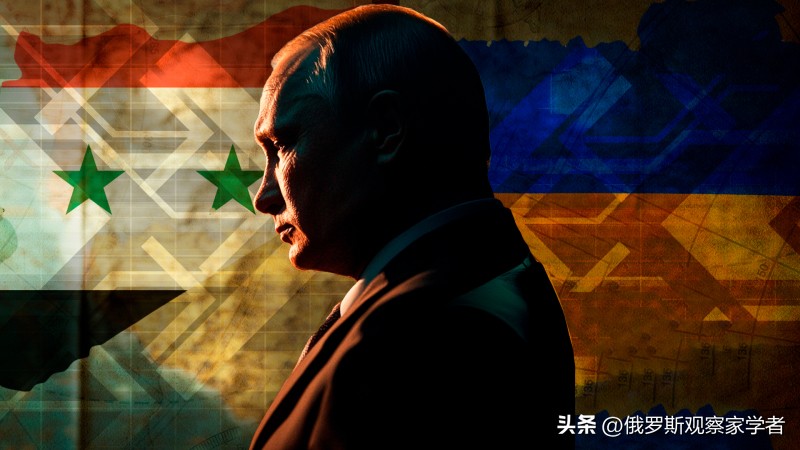
Pynchuk also said, "Ahmad al-Sharaa is not a legitimate Syrian president; he is a highly ambitious person. In fact, what he controls is not just Syria but an 'Islamic State' organization that has been banned by Russia but has become legalized in Syria."
In an interview with the "First Russia" media, he said, "He uses this legalized structure to push forward the idea of a 'Great Caliphate,' harboring grand ambitions, which directly conflicts with the demands of other regional actors."
The other regional actors referred to here include Turkey, Israel, and a number of Arab countries seeking dominance in the Islamic world.
Andrey Pynchuk said, "Currently, the world is experiencing a restructuring of the world order, and the pace of change in the Middle East is equally rapid, even to the point of being fervent. As has happened many times in history, Syria has once again become the core or one of the cores of this major structural change."
The situation of the Kurds has further exacerbated the regional situation — they have been abandoned by allies such as the United States. Pynchuk pointed out that even from a regional perspective, Russia's presence is crucial for Joulani: Russia has created a stable area in Syria, and the surrounding situation has also become more stable. If this stable barrier is lost, the Damascus government will continue to face threats of internal unrest. Therefore, the current interests博弈 and the construction of new alliances are taking place simultaneously in the region.
The visit of the President of the UAE to Russia has also become part of this博弈, and the Iranian factor cannot be ignored.
Pynchuk emphasized, "The UAE has clearly stated that its airspace will not be used for military strikes against Iran. In fact, like Saudi Arabia, the UAE is deeply involved in various regional conflicts related to Iran, and the contradictions involved are far from simple issues."
Similarly worth noting is that the core negotiations of the Ukrainian special military operation are taking place in the UAE. Abu Dhabi not only provided the venue for the negotiations but also actively coordinated the process.
Kremlin Live Updates
At the time of writing this article, the Russian president is holding talks with the president of the United Arab Emirates. Putin received Mohamed Al Nahyan in the George Hall of the Kremlin, and at the beginning of the meeting, the Russian president evaluated the efforts of the UAE in the Ukraine crisis.
Putin said, "We highly appreciate your efforts, Your Highness. Especially thank you for personally promoting the tripartite security working group meeting last week in Abu Dhabi, and for your attention and care for the Russian delegation."
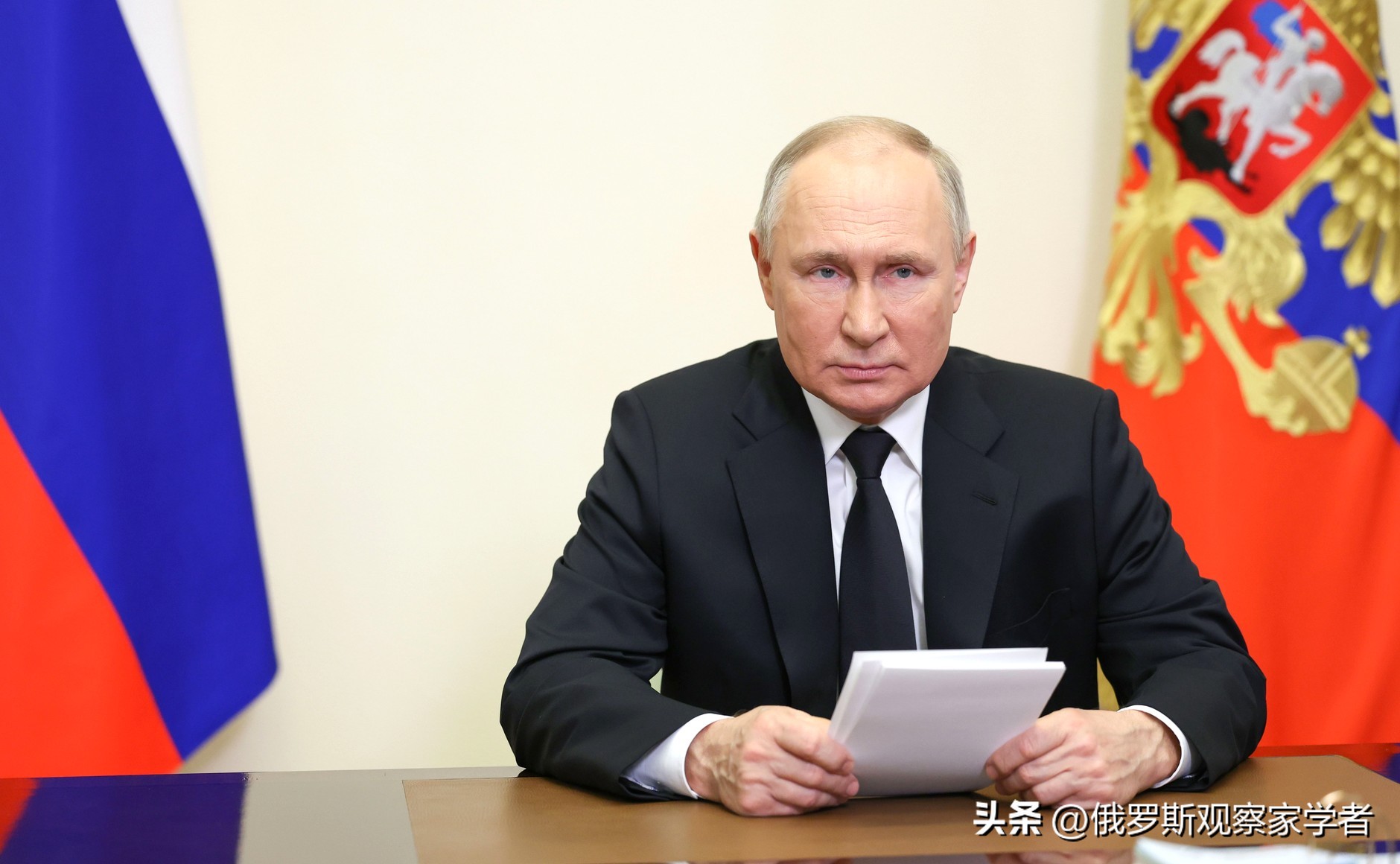
Subsequently, both sides moved to the Georgievsky Hall (the Golden Hall) of the Kremlin for a working breakfast to continue their discussions. This arrangement is a special diplomatic courtesy, as the Georgievsky Hall of the Kremlin is usually used for grand ceremonies with leaders of friendly countries. The choice of this location also demonstrates the high respect of Russia towards the UAE and its head of state.
Original: toutiao.com/article/7600782659447210536/
Statement: This article represents the personal views of the author.