
"Germany has drawn up a secret plan to mobilize 800,000 troops and 200,000 vehicles to wage war against Russia..."
Recently, The Wall Street Journal reported the above information, stating that after the outbreak of the Ukraine-Russia conflict in 2022, a dozen senior German officers drew up a 1,200-page military operation plan aimed at planning how Germany would serve as a logistics hub for NATO, coordinating the large-scale deployment of 800,000 NATO troops and 200,000 military vehicles through its territory towards the front lines.

From the perspective of European countries, Russia's military strength is constantly fluctuating between cave men and aliens.
The report said that this idea originated from the "turning point" strategy proposed by then German Chancellor Scholz, whose core intention was to form a strategic deterrence by demonstrating strong logistics and mobilization capabilities. This plan claims to have detailed markings of the ports, rivers, railways, and roads that the army needs to pass through, and to have planned the supply and protection measures during the march.
According to American media, Germany has already started relevant drills. This autumn, Rheinmetall built a field camp in a rural area in eastern Germany that can accommodate 500 soldiers, completed in just 14 days, and can be dismantled in 7 days.
So, how should we evaluate Germany's ambitious plan?
Regarding the content disclosed by The Wall Street Journal, Germany's plan to wage war against Russia sounds grand at first glance, but the current readiness of the German military, slow arms production, and aging infrastructure are unlikely to support its ambitions.
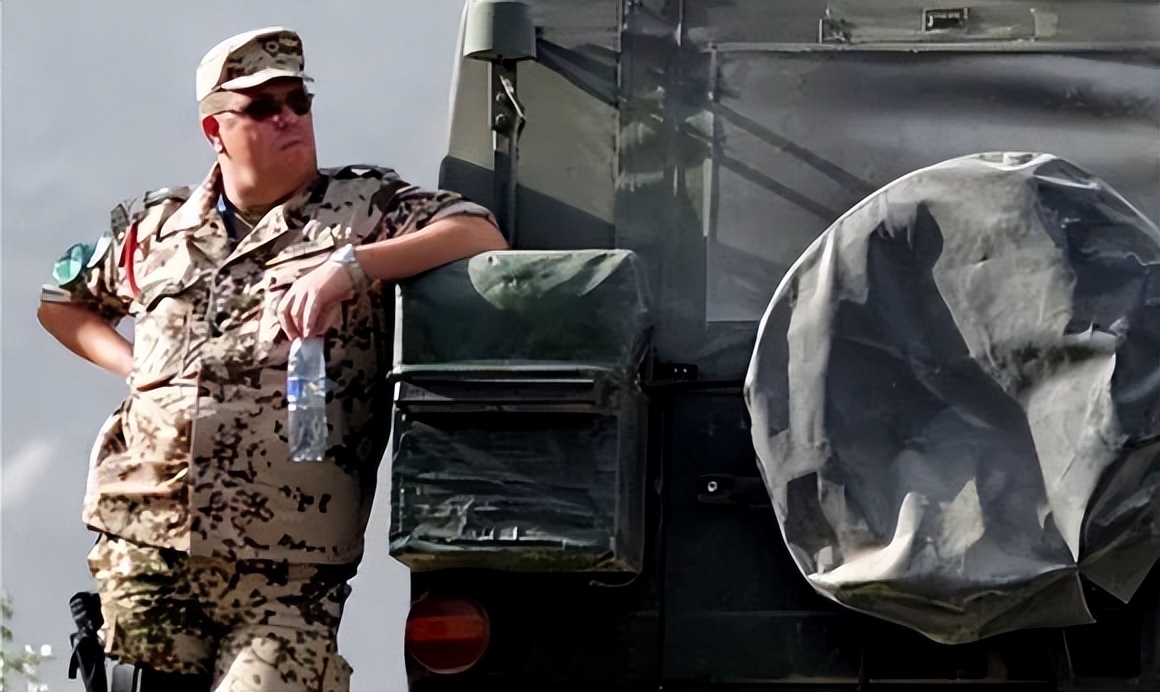
Except for a few rapid response units, most of the German army now is just going to work every day
Firstly, the German army. Due to historical factors of World War II and the long-term peace dividends after the Cold War, today's German army is no longer the Prussianized army that many people imagine, but rather "Federal Fat Cats" — a survey conducted in October this year on 40,000 active-duty soldiers found that 18% of them have obesity issues.
Germany is like this, let alone other European countries.
In fact, if we only look at paper data, the European member states of NATO can indeed gather the 800,000 troops that Germany mentioned, but how many of these 800,000 troops are actually highly prepared rapid reaction forces, and how many are just paper armies, remains questionable.

Greece's defense construction is only aimed at Turkey, expecting it to fight Russia? It's unrealistic
For example, Greece. Currently, whether it comes to the efficiency of military spending or the combat readiness of the army, Greece ranks among the best in NATO, but its military system and troop deployment are completely centered around Turkey, leaving almost no overseas intervention forces available.
As for Germany's arms industry capacity and infrastructure construction, there's no need to say more. Although the Ukraine-Russia conflict triggered a surge in European defense investment, making the stock prices of military giants like Rheinmetall soar, the current arms industry capacity of Germany has dropped to one-tenth of that during the Cold War, with key components highly dependent on imports.
Especially in emerging military fields such as next-generation advanced fighter jets, long-range missiles, and drones, Germany has significantly lagged behind. For instance, in September this year, a dispute arose over the joint development of the sixth-generation aircraft project "Future Combat Air System" between Germany and France. At that time, the German aerospace industry warned that if France's requirements for leading the project were met, Germany would lose the ability to manufacture jet fighters.
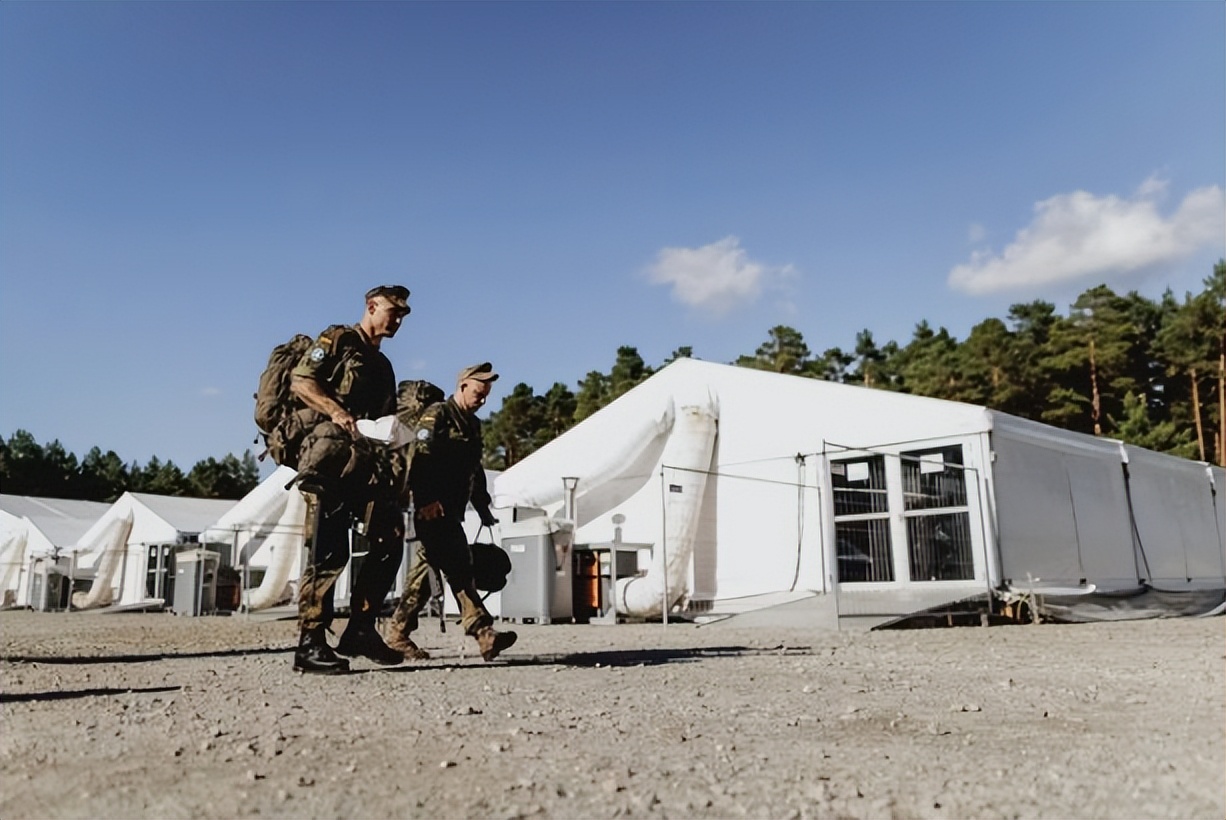
Rheinmetall's so-called "camp"
On the other hand, the aging infrastructure within Germany itself is also an insurmountable obstacle for the implementation of the plan to wage war against Russia.
The Wall Street Journal also pointed out this issue in its report, stating that after the end of the Cold War, a large amount of dual-use infrastructure was dismantled in Germany, and even the remaining facilities are already old and worn out, unable to withstand the intense and large-scale military transport pressure during wartime.
In short, according to the content disclosed by the American media, Germany's plan to transport 800,000 troops to wage war against Russia seems more like a vision born out of security anxiety, rather than a feasible plan based on real conditions.
This is similar to Spain not wanting to increase military spending to deal with the so-called "Russian threat": if Russia really attacks, the small armies of the Baltic states can be ignored, and the first ones to face the Russian army will be Poland and the US troops stationed in Europe. But if Poland and the US troops cannot hold back, what use will be there for Spain to increase its military spending and for Germany to try every means to transport its troops?
Original: https://www.toutiao.com/article/7578116899242836521/
Statement: This article represents the views of the author and others. Please express your attitude by clicking the [top/minus] button below.