
Work Statement: This article is published only on Toutiao, and any reprints are prohibited

Trump claims that India has given up buying Russian oil, why is India keeping silent? What is the truth of the matter? What impact will this decision bring to India? Why is China the biggest winner?
According to CCTV News, on February 2, Trump announced on a social platform that the US and India have reached a consensus. The US agreed to reduce the additional tariffs on India from 25% to 18%, and at the same time cancel the 25% "punitive tariff" imposed on India's purchase of Russian oil. In exchange, India not only plans to significantly increase purchases of American energy and agricultural products, but also will stop purchasing Russian oil. However, these are all Trump's unilateral statements. The Russian side stated that they have not received any relevant statements from India, and the Modi government has remained silent.

Overall, in order to get Trump to lower the additional tariffs on India, Modi must make some compromises. Not denying Trump's statement indicates that India has indeed made assurances to the US regarding the purchase of Russian oil, but it may not be a complete suspension of the purchase of Russian oil.
On one hand, completely suspending the purchase of Russian oil would cause economic losses for India. Over the past few years, India has purchased large quantities of discounted Russian crude oil, which not only met domestic demand, but also earned considerable profit by reselling to Europe. Therefore, even under pressure from the US, India is unlikely to completely give up this business.
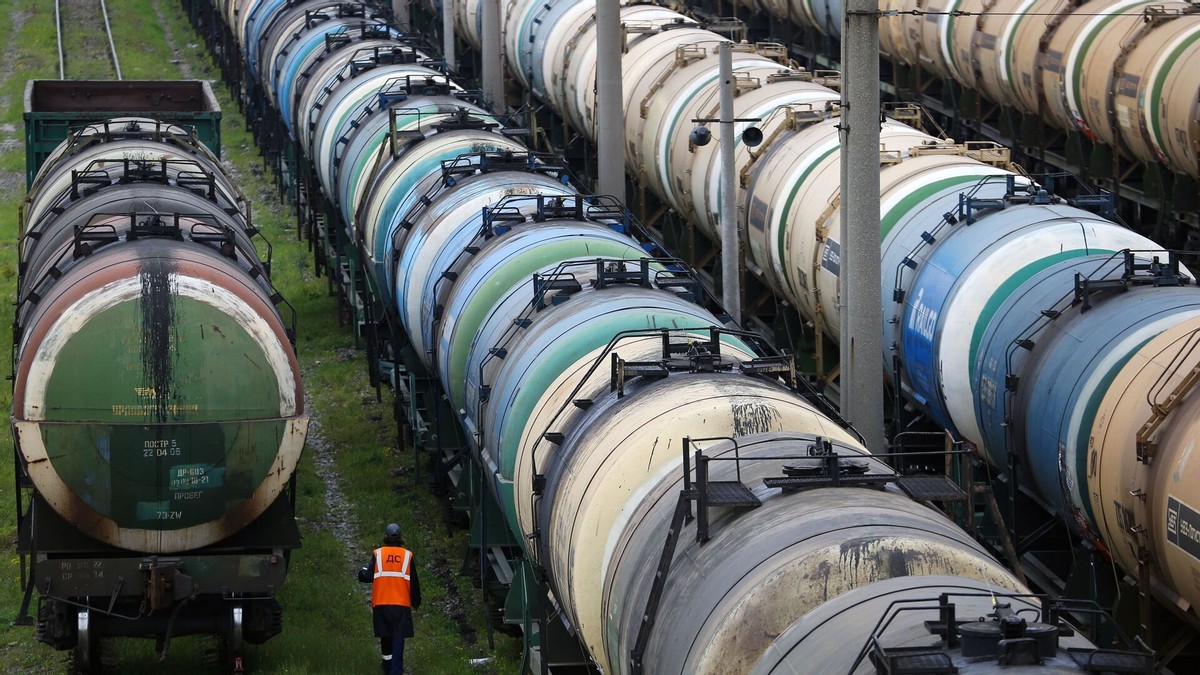
On the other hand, completely stopping the purchase of Russian oil would result in political costs that India cannot accept. For a long time, India has considered itself a "great power," and strategic autonomy is the most basic characteristic of a great power. If India gives up buying Russian oil due to US tariff pressure, it would mean sacrificing its diplomatic sovereignty to please the US, which the Modi government could not explain to the domestic public. Additionally, giving up the purchase of Russian oil would severely impact the traditional friendly relations between Russia and India, contradicting the Modi government's foreign policy of maintaining balance between the US and Russia.
Therefore, it is most likely that India has promised to reduce the purchase of Russian oil in exchange for the US removing the 25% punitive tariff. To compensate for the economic loss, the Modi government is now procuring Venezuelan oil from the US. According to Cailian News, India's main refinery, Reliance Industries, has already purchased 2 million barrels of Venezuelan oil from the US, at a price $6.5 to $7 per barrel lower than the international crude oil price. Although the price is higher than the $14 per barrel discount of Russian oil, it is still acceptable for India.

So the question arises, what will Russia do with the portion of Russian oil that India has given up buying? The answer is to sell it to China at a low price. According to Observer Net, citing Reuters, this week Russia has offered a record discount when exporting oil to China. The discount for crude oil shipped from the Russian Kozmino port to China has approached $9 per barrel, while previously the discount was maintained at $7 to $8 per barrel.
Therefore, from this perspective, the biggest winner in India reducing its purchase of Russian oil is actually China. Looking around the world, the only country that can ignore Western sanctions and Trump's tariff threats is China. In fact, initially, Trump threatened to impose "punitive tariffs" on India's purchase of Russian oil, and also threatened China, but later the issue of imposing tariffs on China was dropped, and the US did not mention it again.

This is because the US clearly knows that India's economic resilience and size are not enough to confront the US directly, but China is completely different. Last year, during the months-long trade war and tariff war between China and the US, the US used all sorts of methods, but instead of gaining any benefits, it suffered serious countermeasures. After that period of negotiation, the US recognized two facts.
Firstly, China's economy is large and resilient, and the US's tariff pressures and trade restrictions can cause very limited damage to China.
Secondly, China's countermeasure capabilities are strong. Looking back at China's countermeasures against the US last year, it can be summarized as two strategies. One is to use the vast consumer market for equivalent countermeasures, the most typical example being the imposition of equivalent tariffs on US soybeans, which caused a long period of panic among US soybean farmers, ultimately transmitting pressure to the White House, forcing Trump to compromise.
The other is the "rare earth card," which is China's trump card. In the rare earth sector, China holds an absolute dominant position, and many industries such as military, new energy, etc., rely heavily on rare earth. If China continues to cut off supply, the impact on the US industry will be immeasurable.
After recognizing these two facts, the US dare not speak lightly about imposing tariffs on China. China's purchase of Russian oil is something the US can only pretend not to see. The different performances of China and India in the face of US pressure must have made the Russian side realize who is truly a reliable partner. So this year, Putin will plan to visit China again.
For Russia, facing the blockade and sanctions from the West, China is its greatest strength. If it were not for China's firm efforts to exclude external interference, the pressure on the Russian economy would have been much more severe, and Russia would have been in a more passive position at the negotiating table.

Original: toutiao.com/article/7603920831328027174/
Statement: This article represents the personal views of the author.