
Frontier Introduction
According to a report by the Global Times, Reuters recently revealed a so-called "Chinese Manhattan Project" and claimed that Chinese teams have developed an EUV lithography prototype machine that the United States has long been blocking from China. The entire article uses vague statements such as "a source said" to create a tense atmosphere, and its wording reflects anxiety about China's technological advancement. This anxiety is both an unhealthy mindset and a serious misunderstanding of China's technological development.
References:
R&D Equipment
Lithography machines have always been a key project in the U.S. trade restrictions against China. It can be traced back to 2018 when SMIC spent $120 million to purchase an EUV lithography machine from ASML, which was expected to be delivered around 2019 and put into use in 2021. However, up until today, the United States has continued to impose export controls on this product, preventing the Dutch government from granting ASML permission for exports to China.

Moreover, the U.S. control over lithography machines has been gradual. Initially, it blocked EUV but allowed DUV exports. As Chinese companies used DUV lithography machines to manufacture 7nm chips, the U.S. began imposing restrictions on DUV lithography machines. Sensitive advanced factories in mainland China are not allowed to obtain advanced immersion lithography machines with a model number of 1970i or above in 2024. Other mature factories and Sino-foreign joint ventures are given specific export licenses for ASML products to China based on the situation.

On one hand, the U.S. is tightening its grip on advanced chips in China, while on the other hand, it sells outdated equipment to Chinese companies to ensure basic chip production capacity. Under these circumstances, China's independently developed lithography machines have become a focus of attention at home and abroad.
In September 2024, the Ministry of Industry and Information Technology (MIIT) announced the latest progress of domestically produced lithography machines in the major equipment directory: a dry ArF lithography machine with a wavelength of 193nm, a resolution of 65nm, and a overlay accuracy of 8nm.
This equipment lags two generations behind the world's most advanced lithography machines, but compared to China's previous 90nm node lithography machines, it represents a significant technological advancement. This also shows that China has a clear path for developing its own lithography machine industry, with the core concept being to move toward self-reliance and control.

Lithography machines are highly integrated complex industrial equipment that rely on global supply chain cooperation. Western media have long held the view that China's development of advanced equipment is to monopolize technology and gain the ability to manufacture advanced chips independently.
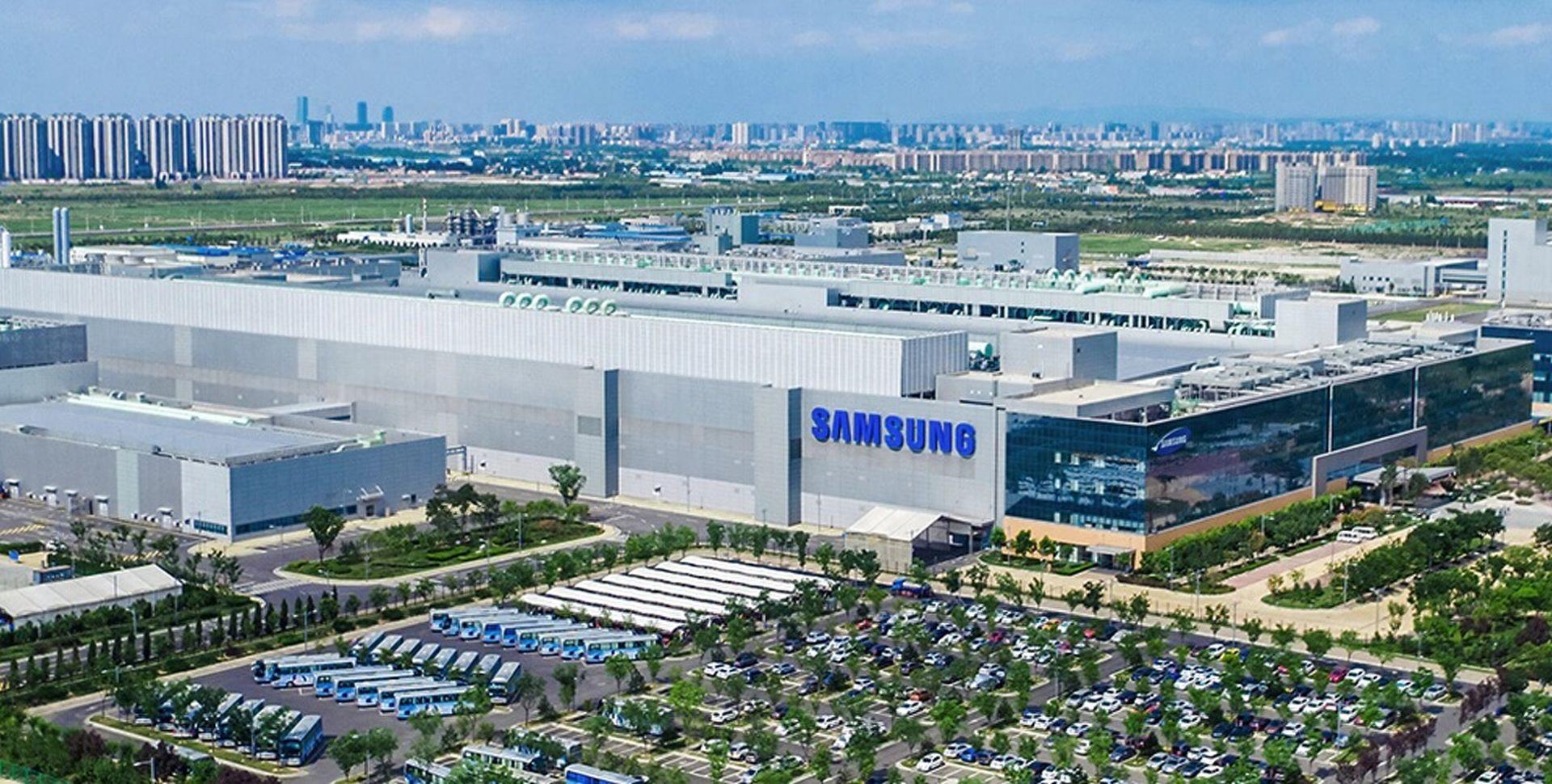
However, Chinese official media has already responded to this. Even if China makes breakthroughs in lithography machines, it will not change the global nature of the chip industry. China has always emphasized international open cooperation, and there are many Sino-foreign joint chip factories in mainland China, such as Samsung's factory in Xi'an and SK Hynix's factory in Wuxi. These factories provide storage chips for the global market and are the best proof of China's commitment to globalization.
Industry Integration
The U.S. sanctions have forced Chinese enterprises to disengage from international cooperation, so China has been vigorously promoting the development of independent technologies. No matter how far China's development in cutting-edge technology goes, it will not affect its foreign cooperation.
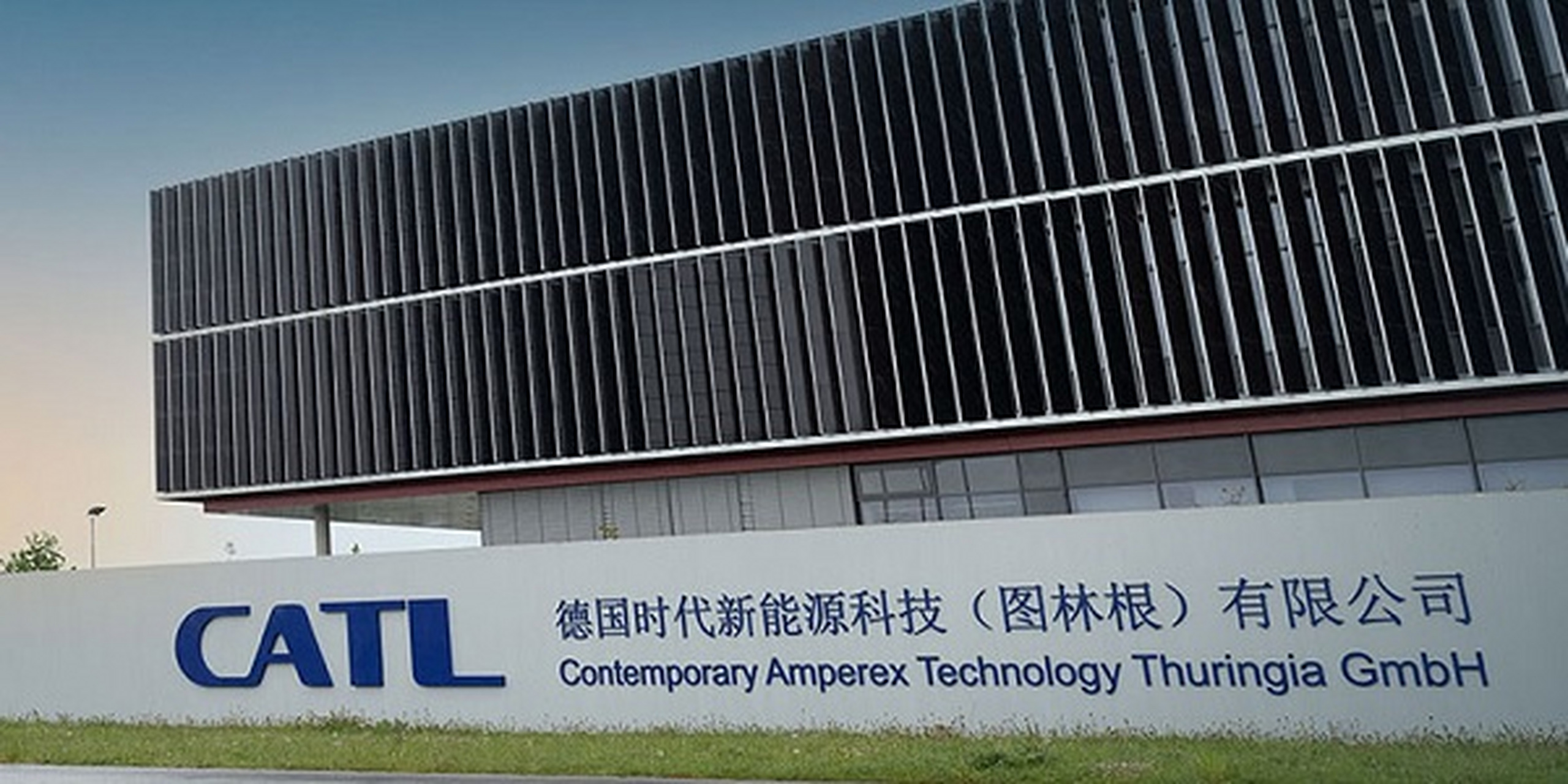
宁德时代的三元锂电池,不但供应中国品牌的新能源汽车,而且供应特斯拉、沃尔沃T8、莲花跑车等面向全球化的车型。并且宁德时代还在积极推动与外资的合作,在国外地区建设合资工厂,将中国技术扩散到其他国家,推动相关地区的能源发展。
The World Economic Forum website once commented that Sino-U.S. (China-U.S.) collaboration is the cornerstone of global technological advancement, with more than 30% of U.S. high-impact research projects involving Chinese scientists. Even American companies that pride themselves on their domestic high-tech industries have a large number of Chinese leaders. For example, NVIDIA founder Huang Renxun, AMD CEO Sue Wen, and Intel CEO Patrick Gelsinger.
There are differences between the Chinese community and Americans. The Chinese community has a deep understanding of the Chinese domestic market, even focusing on it. The size of the Chinese market is vast, and it has a wide territory, abundant resources, and convenient transportation conditions. The demand for advanced technology continues to increase, which is also the main reason why NVIDIA keeps lobbying the U.S. government and launching several downgraded chips to circumvent the sanctions and cooperate with Chinese companies.

Chris Miller, a U.S. foreign policy researcher, analyzed in his book "Chip War" that China's chips are significantly lagging in advanced technologies, which leads to a large demand for advanced manufacturing equipment among Chinese enterprises. Relevant companies are also willing to allocate part of their funds to purchase imported manufacturing equipment.

If the United States does not allow China to purchase foreign products, then the purchasing funds of Chinese enterprises will naturally flow to domestic enterprises, thus driving domestic enterprises to develop their own equipment. China has invested a lot of resources in developing self-controlled chip technology, which is essentially a mode of development imposed by external pressure.

International cooperation is a win-win situation, but the U.S. "small yard, high wall" policy has unilaterally cut off this win-win cooperation model, leading Chinese enterprises to adopt a self-reliant and self-strengthening industrial model. China is not limited to self-reliance and self-strength, but continues to embrace the globalized pattern under the premise of achieving key technology self-control, integrating Chinese technology into the global innovation network.
Original: toutiao.com/article/7590188737938670115/
Statement: This article only represents the views of the author.