
【Military Second Area】Author: ——Full-range Mobility★Intelligent Victory——
In recent days, the Indian military circle has started to worry again. Several Indian media outlets have reported that Pakistan is seeking to import the霹雳-17 (AAM-17) long-range air-to-air missile from China, which has a range of up to 400 kilometers. Not only specialized military media such as Defence Security Asia (Asia Defense Security) and IDRW (India Defense Research Network), but even mainstream media like The Times of India and NDTV have started to pay attention.
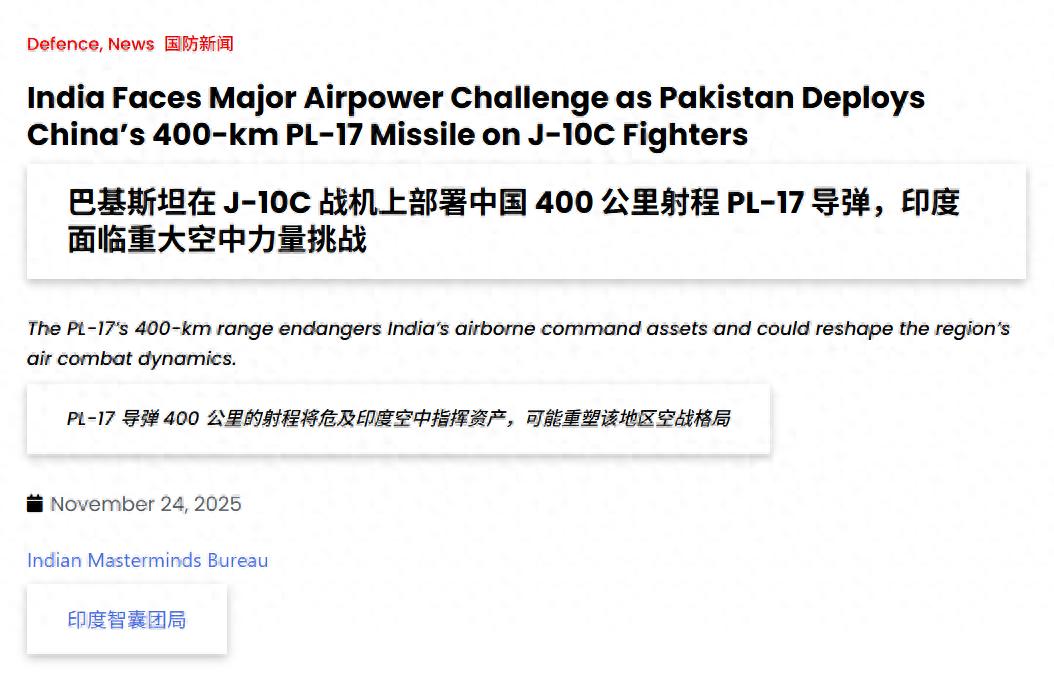
▲One of the media's reports
This news is a blow for the Indian Air Force, which had suffered losses in the India-Pakistan conflict in May this year. It should be noted that the Pakistani Air Force had already given the Indians a lesson using the霹雳-15 (AAM-15) missile during that conflict. Now, if they are equipped with the longer-range霹雳-17, the Indian Air Force's precious assets - the airborne early warning aircraft and aerial refueling tankers - would become true targets in the sky.
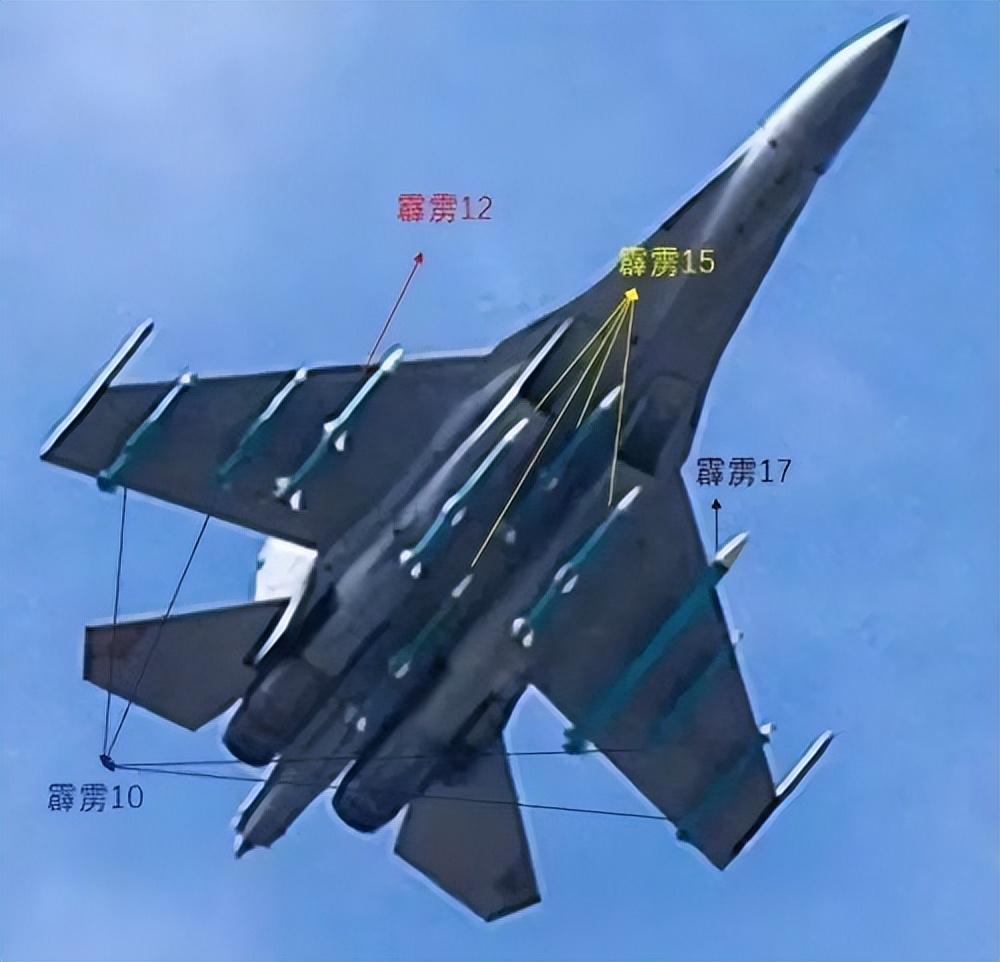
The霹雳-17 is so powerful? From the analysis of public photos, this missile is about 6 meters long and 0.3 meters in diameter. Western military experts believe its maximum range is between 400 to 500 kilometers. It should be noted that the latest American AIM-120D missile has a range of about 160 kilometers, and the霹雳-17 is more than twice as far.
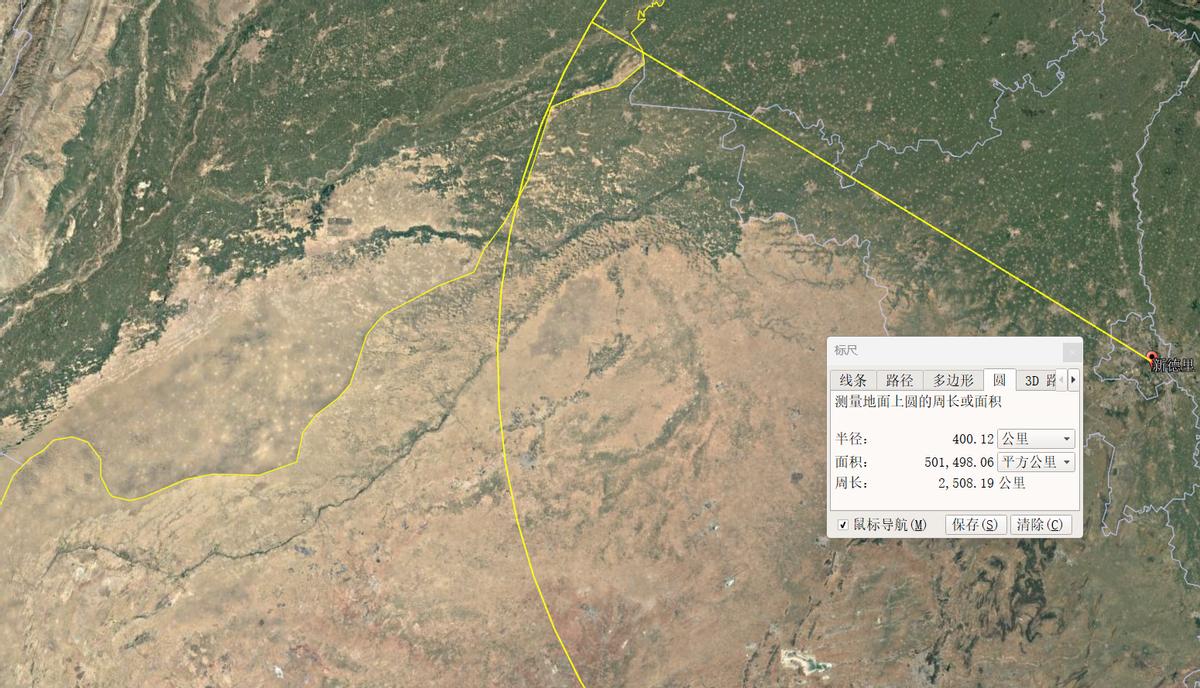
▲Coincidentally, the distance from New Delhi to the India-Pakistan border is exactly 390 kilometers
More importantly, this missile was never intended to target ordinary fighter jets. Its design goal is those large targets that hover behind the battlefield - airborne early warning aircraft, refueling tankers, and electronic warfare planes. Modern air combat emphasizes system confrontation; whoever can destroy the enemy's "eyes" and "fuel tanks" first will gain the initiative. If Pakistan really acquires the霹雳-17, it means their J-10C fighters can stay within their own airspace and attack the support aircraft deep in India's airspace.
The current assets of the Indian Air Force are not bad, to be honest. They have 6 Il-78 aerial refueling tankers, and for airborne early warning aircraft, they have 3 A-50EI imported from Russia and 2 EMB-145I made in Israel, totaling about 5. These aircraft are very valuable, with one airborne early warning aircraft worth several fighter jets. The Indian Air Force usually doesn't fly them much.
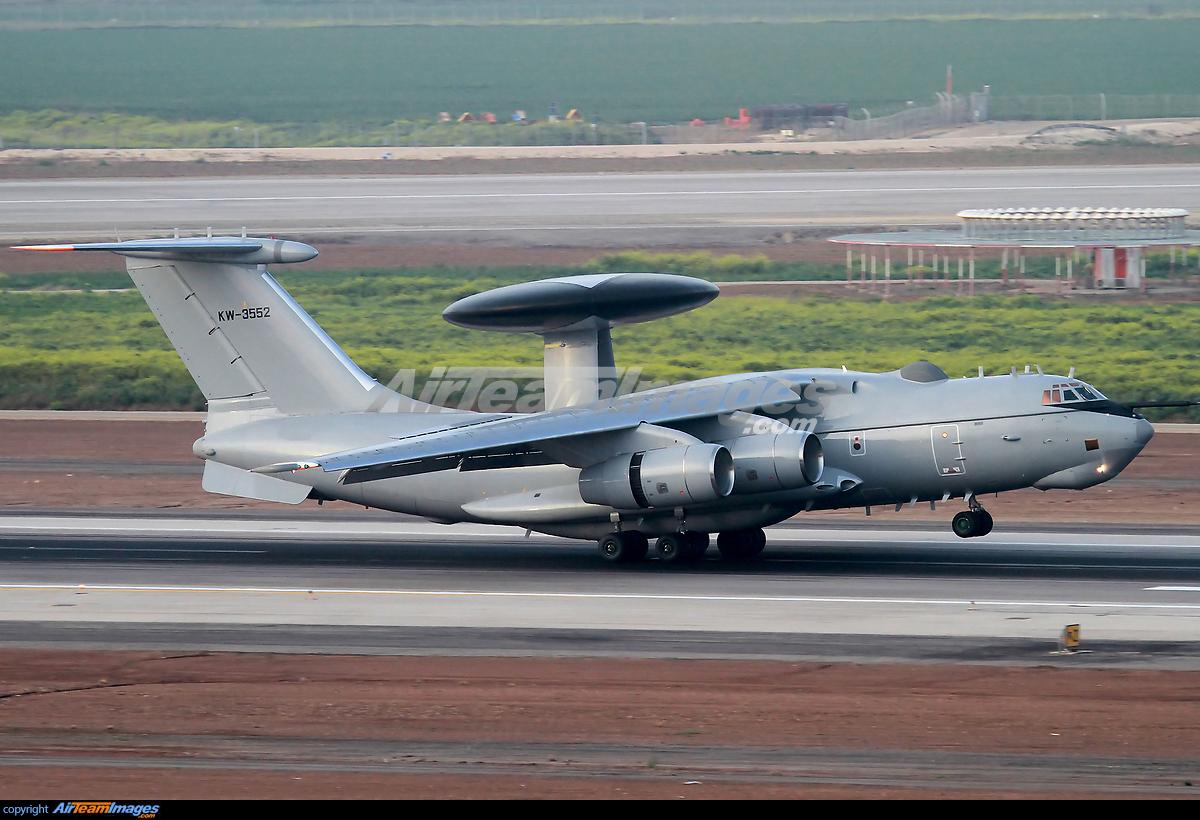
▲The radar performance of the A-50EI is average, with a detection range less than the range of the霹雳-17
Now, if the霹雳-17 arrives, the Indian early warning aircraft and refueling tankers will have to carefully consider taking off - their operating airspace will be greatly restricted, and even the interior of India will not be safe. However, if they are too far from the front line, they won't be able to provide support. If a fighter jet flies back 400 kilometers to refuel and then returns, it's better to just land, and the early warning aircraft would be even more awkward. The A-50EI of India has a maximum detection range of 400 kilometers for non-stealthy fighter jets. If you retreat to a safe distance, you won't see anything at all.
But the problem is that modern air combat cannot do without these force multipliers. Without the command of an airborne early warning aircraft, even the most advanced fighter jets can only fight individually. The India-Pakistan conflict in May this year has proven this point. The Indian Air Force's Rafale fighter jets are said to be equipped with advanced Ghost electronic warfare systems, but they were still shot down by the Pakistani霹雳-15 missiles. This is largely due to the fact that their system combat capability is not as good as the other side's.
From a technical perspective, the霹雳-17 achieves such a long range mainly through its large body design and advanced dual-pulse rocket engine. This missile is much longer than its predecessor, the霹雳-15, carrying more fuel and having a longer flight time. More importantly, it is equipped with an active radar seeker, which allows the missile to be launched without the aircraft continuously illuminating the target. Fighters can "fire and forget", shoot and run away. Moreover, for large targets like airborne early warning aircraft with large volume and large radar cross-section, the hit rate of the霹雳-17 will be quite considerable.
India is not without ideas on how to respond. They rely on their Astra missile program, hoping to increase the range from the current 80 to 110 kilometers to 160 kilometers. But this increase in range is nothing compared to the霹雳-17. Moreover, just recently, they also said they would use the recovered fragments of the霹雳-15 for research and development to create the next generation of missiles, which clearly tells everyone that a 200-kilometer range air-to-air missile is still too advanced for India.
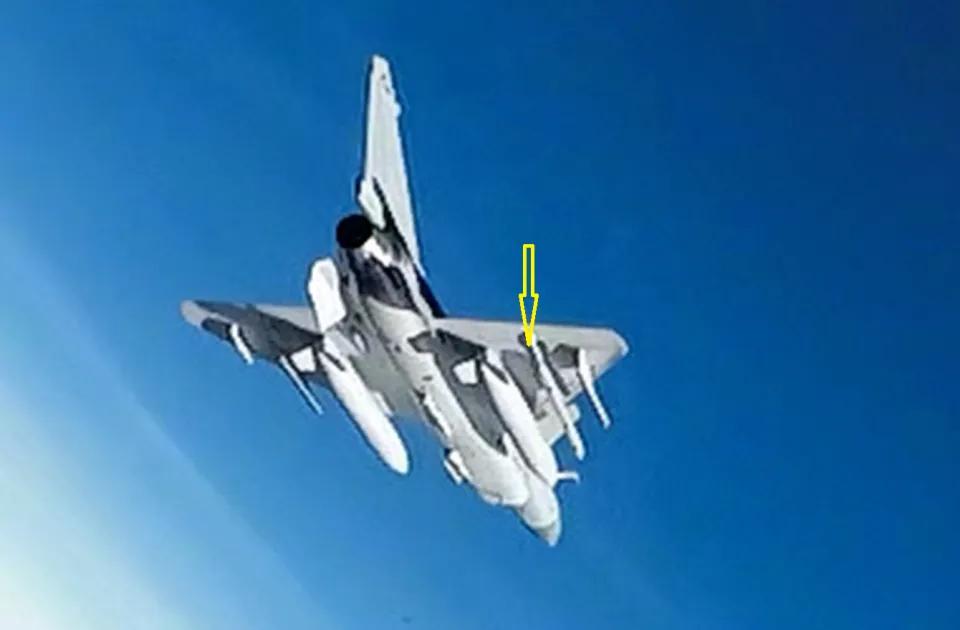
▲In the news footage, the J-10C can also carry the霹雳-17
Pakistan Air Force has been updating its equipment at a fast pace in recent years. They now have 20 Chinese-made J-10CE fighters, over 150 self-assembled Chengdu JF-17 Block 3, and around 70 F-16s purchased from the United States, making the total number of third-generation fighters close to 300.
Although the number is less than India's over 600 fighter jets, Pakistan has formed its own advantages in key equipment. Especially in beyond-visual-range air-to-air missiles, the 200-kilometer range of the霹雳-15E has already caused a lot of trouble for India. Now, if they add the霹雳-17, the Pakistan Air Force will have more killing weapons in the air war against India. Their airborne early warning aircraft and refueling tankers will face great restrictions in their operational areas, which will be a big blow to the efficiency of the entire air combat system.
From a more macro perspective, Pakistan's introduction of the霹雳-17 reflects the increasing competitiveness of Chinese military products in the international market. The霹雳 series of air-to-air missiles, from霹雳-12,霹雳-15, to the current霹雳-17, have improved in performance with each generation, and their prices are much cheaper than Western counterparts.
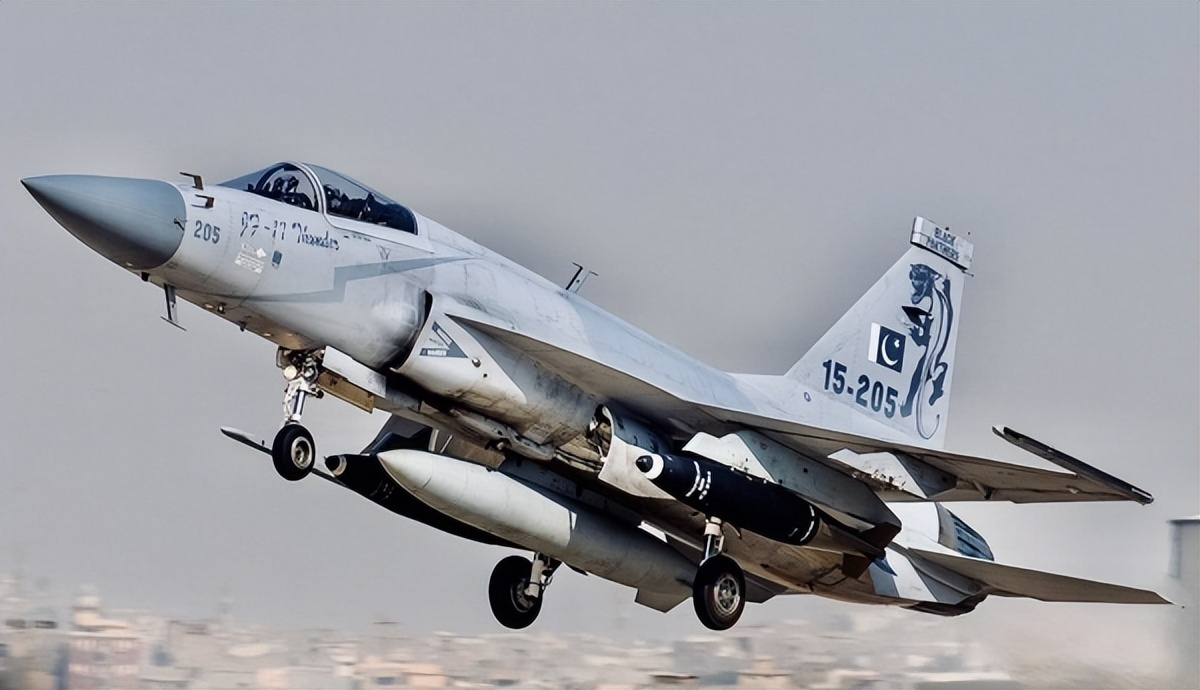
▲Pakistan has become a genuine Chinese arms salesman
For countries like Pakistan, which need advanced equipment but have limited budgets, Chinese goods are indeed the highest value-for-money choice. Plus, the long-term stable military cooperation between China and Pakistan makes the import of weapons and technology transfer relatively smooth, unlike buying Western weapons which come with a lot of political conditions.
From a practical perspective, providing advanced weapons to Pakistan also has a good demonstration effect. After the May 7th air battle, the Chinese air combat system received unprecedented attention. Not only did the Thai Air Force send a delegation to learn, but subsequent Indonesian Prime Minister announced plans to purchase J-10C, Azerbaijan purchased JF-17, and Nigeria increased purchases of JF-17 are all tangible benefits. If the霹雳-17 becomes a success in Pakistan's hands, it would be a good thing for the export of domestic equipment.
Original: https://www.toutiao.com/article/7577590806173745704/
Statement: The article represents the views of the author. Please express your opinion below with the [Up/Down] buttons.