
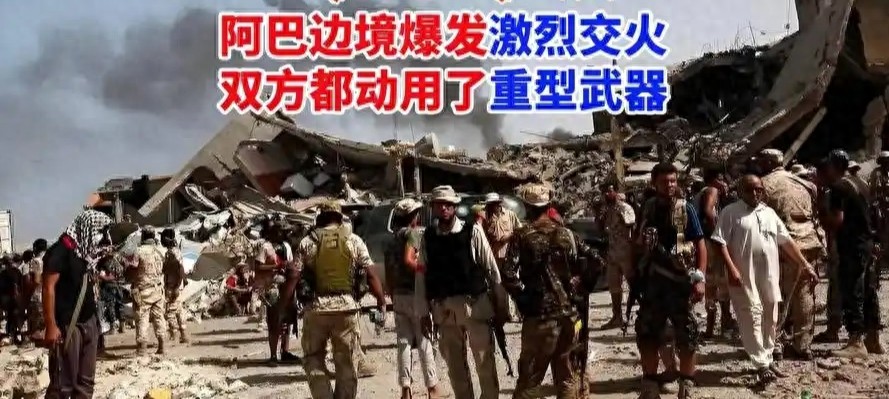
At night, the gunfire tore through the border sky, and the roar of heavy weapons made the earth tremble.
On the evening of December 5, 2025, in the border area between Jiwani town in Pakistan's Balochistan province and Spin Boldak town in Afghanistan's Kandahar province, the border forces of both countries engaged in fierce fire exchanges again.
Both sides accused each other of "starting the attack first," and border residents fled in panic — this scene has been repeated multiple times within just two months.
On the surface, this is a border clash; looking deeper, it is a complex entanglement of colonial ghosts, geopolitical games, and ethnic and religious conflicts.
When heavy weapons take center stage, when border residents begin to flee their homes, we must ask: why is this wound between South Asia and Central Asia always reopened before it can heal?
Durand Line: A Colonial Scar Never Accepted
To understand today's conflict, one must go back to 1893. That year, British diplomat Mortimer Durand drew a 2,640-kilometer boundary line in Kabul, splitting the Pashtun inhabited areas in two. This line, known as the "Durand Line," was never officially recognized by any Afghan government.
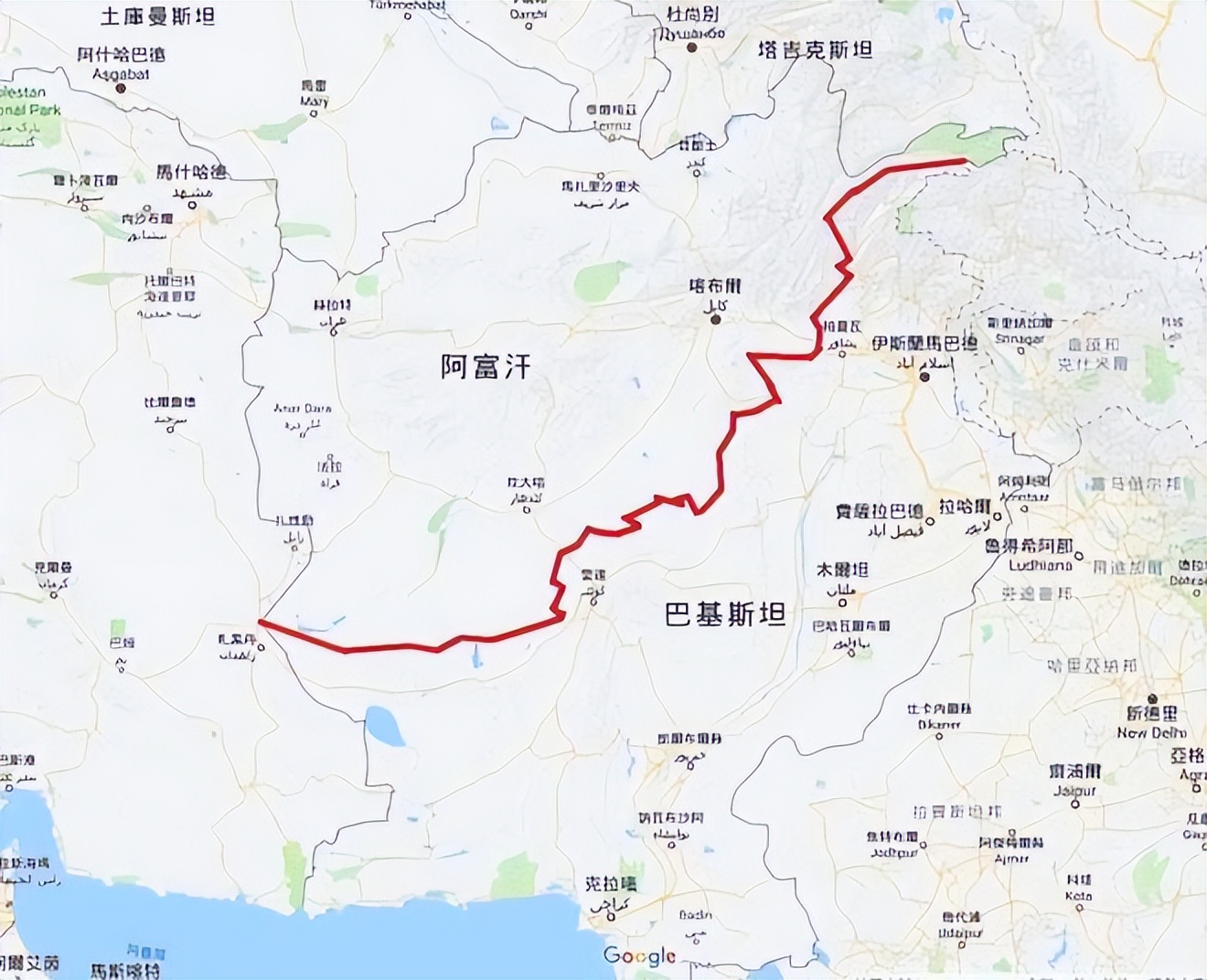
After the 1947 partition of India and Pakistan, Pakistan inherited this boundary, while Afghanistan maintained that the Pashtuns should have the right of self-determination. This artificial line became the "original sin" in the relations between the two countries — it cut across tribes, families, even villages, creating a century-long territorial dispute and a dilemma of national identity.
Today, when the Pakistani military emphasizes "a precise response to unprovoked shelling," and the Afghan side accuses "Pakistan of launching an attack again," the dispute is not only about who fired first this time, but also about the boundary itself that has never reached consensus. Each fire exchange is a reexamination of this colonial legacy.
The Complex Chessboard after the Taliban's Return
After the U.S. withdrawal in 2021 and the Taliban's return to power, bilateral relations between Pakistan and Afghanistan did not become closer as some had expected, but instead became more tense. Behind this are three structural dilemmas:
First, Pakistan's "double game" dilemma. Pakistan was once seen as having close ties with the Taliban, but this relationship became complicated after the Taliban took control. Pakistan hoped that the Taliban would restrain cross-border militant groups such as the TTP, but the Taliban insisted on non-interference, leading to increased attacks by the TTP within Pakistan. Pakistani military operations often crossed borders to chase militants, triggering strong reactions from Afghanistan.
Second, the "sovereignty perception" conflict over border management. In recent years, Pakistan has built fences along the Durand Line and strengthened border control, viewing it as necessary for counter-terrorism and the exercise of sovereignty. However, from Afghanistan's perspective, this is a unilateral solidification of an unrecognized boundary, a division of traditional Pashtun activity areas. Border clashes often erupt around specific issues such as checkpoint settings and fence construction.
Third, the shadow of "proxy" in regional rivalry. Afghanistan is located at the crossroads of Central Asia, South Asia, and the Middle East, and has long been a battleground for major powers. The long-term competition between India and Pakistan in Afghanistan, Iran's concern for western border security, and the intertwined interests of external powers such as Russia and China all make border conflicts not purely bilateral issues. Each fire exchange may be interpreted and exploited by different forces.
Heavy Weapons Take the Stage: A Signal of Escalation
Different from previous border clashes that mainly used light weapons, both sides have admitted using "light and heavy weapons." This is a signal that cannot be ignored.
What does the use of heavy weapons mean? It indicates that the conflict is evolving from occasional, low-intensity border clashes into systematic, high-risk military confrontation.
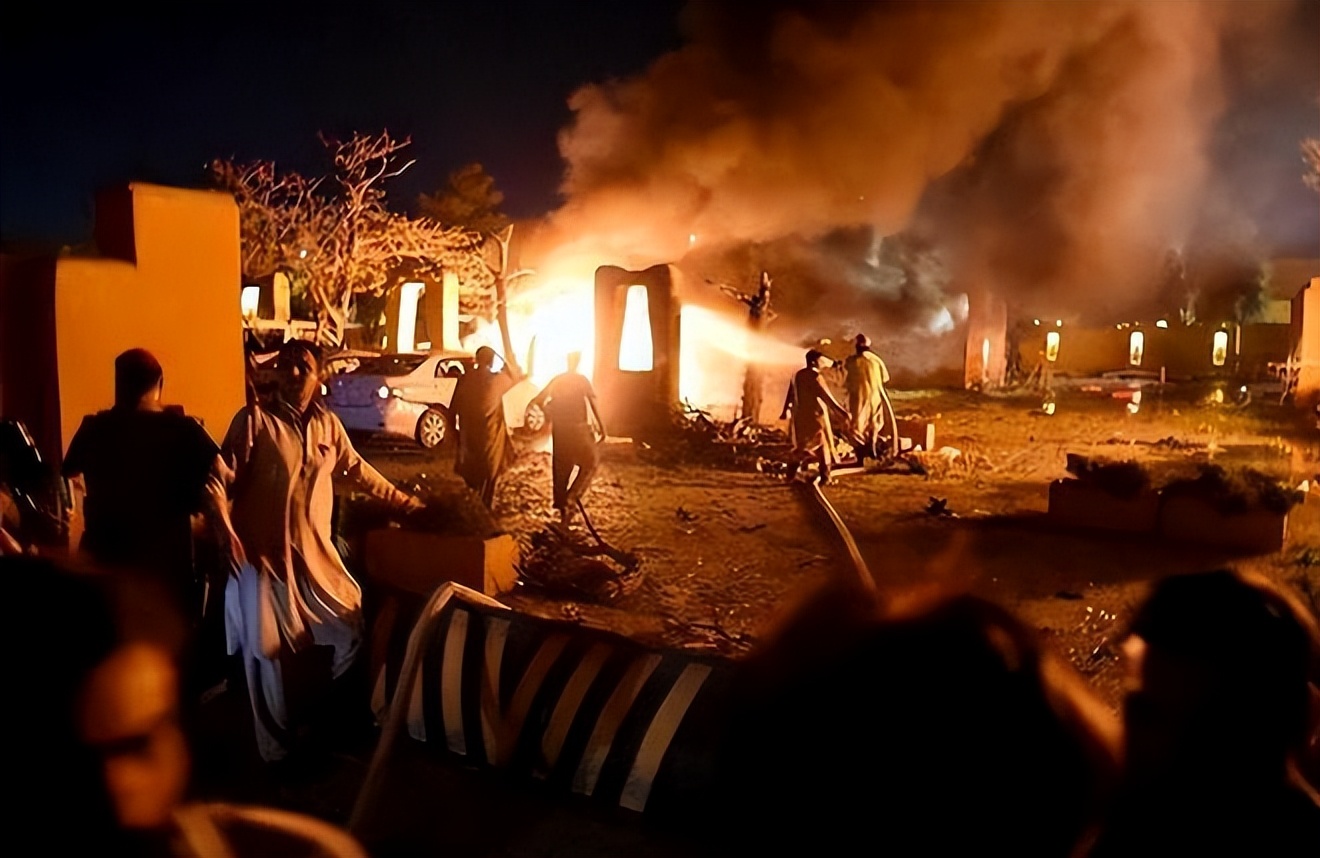
The use of heavy artillery and rockets not only causes greater casualties but can also lead to miscalculations and cycles of retaliation, dragging the two countries into deeper confrontation.
Border residents have already started to flee — this is the most alarming sign. When civilians have no choice but to leave their homes, it shows how dangerous the situation has become.
Many of these border residents are Pashtuns, who have complex family networks between the two countries. Now they are forced to choose "to flee," which is itself a human-made rupture of ethnic identity.
Why Are Ceasefire Agreements So Fragile?
On October 19 this year, under the mediation of Qatar and Turkey, Pakistan and Afghanistan agreed to a ceasefire and held several rounds of talks. However, less than two months later, the gunfire resumed. Why are ceasefire agreements so fragile?
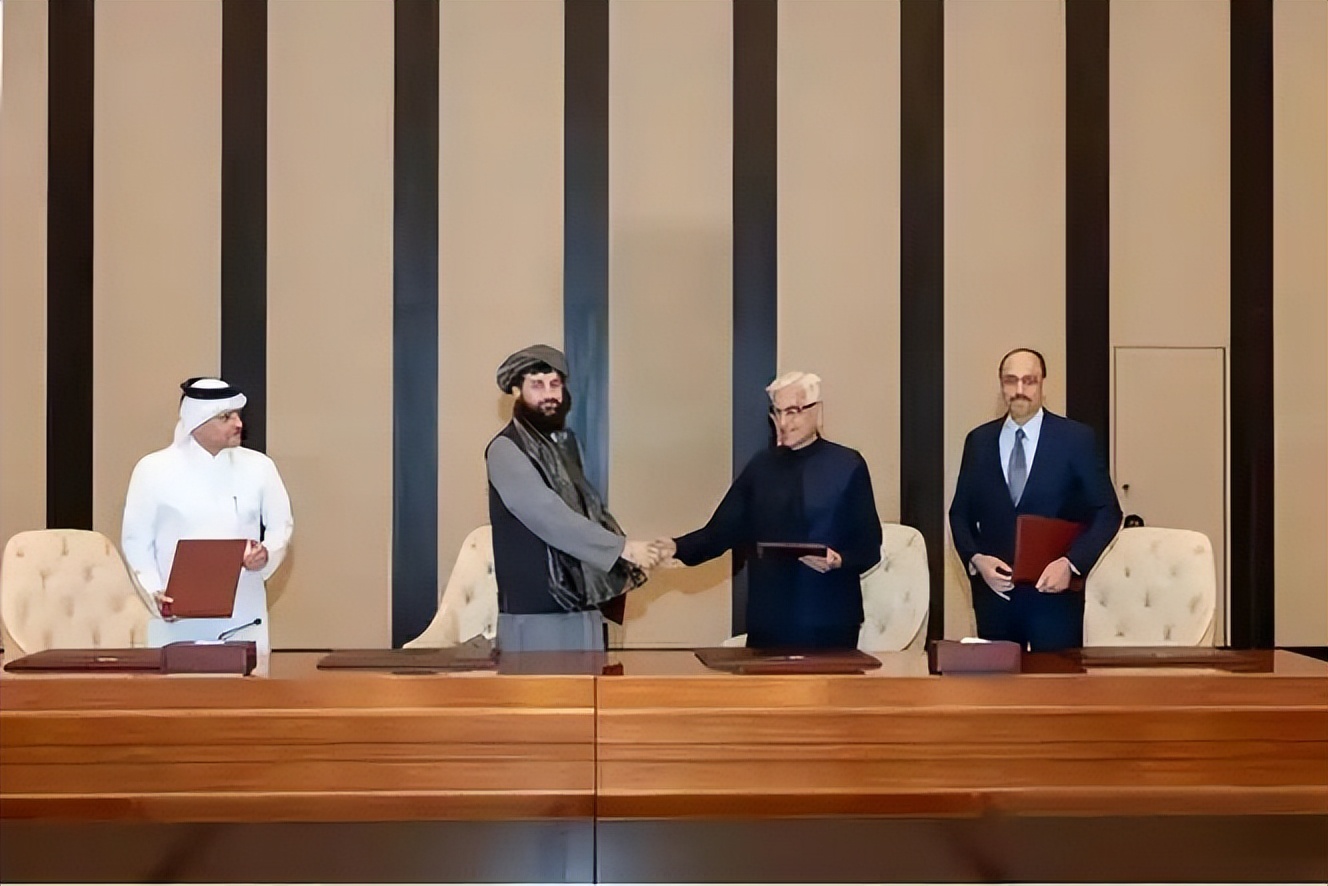
The fundamental reason is that these ceasefire agreements often address symptoms rather than root causes. They can temporarily calm the fighting, but they cannot solve the structural contradictions causing the conflict: differences in boundary recognition, issues with cross-border militant groups, water resource disputes (especially regarding the distribution of Kabul River water), and control over trade routes.
As long as these deep-seated issues remain unresolved, any ceasefire will only be a "tactical pause" rather than a "strategic reconciliation."
In addition, domestic political factors in both countries cannot be ignored. Pakistan faces coordination between the military and civilian government; the Taliban government in Afghanistan has to balance between moderate and hardline factions, as well as face severe economic and humanitarian crises. Border conflicts sometimes serve as a tool to divert domestic pressure — this possibility, though not openly acknowledged, is real.
A Crack in the Dam of Regional Stability
The gunfire on the Pakistan-Afghanistan border is not just a bilateral issue. It affects the stability of the entire South Asia and even Central Asia.
For China, Pakistan is an important partner in the "Belt and Road Initiative." The China-Pakistan Economic Corridor runs through the entire country, especially through the volatile Balochistan province. If the border conflict escalates, it will directly affect the safety and progress of the corridor. China also has significant investments and strategic interests in Afghanistan and hopes to see a stable and peaceful Afghanistan. An intensified Pakistan-Afghanistan conflict will test China's balanced diplomacy between the two countries.
For India, the tension between Pakistan and Afghanistan could somewhat constrain Pakistan's resources, but it also increases the risk of regional instability. India has traditional influence in Afghanistan and closely monitors the development of Pakistan-Afghanistan relations.
For Iran and Central Asian countries, border conflicts could lead to refugee flows and increased risks of terrorist infiltration, threatening regional security.
Looking more broadly, in an era that should focus on economic recovery and addressing climate crises, valuable resources are constantly consumed in border conflicts. This is a tragedy for the entire region.
Paths Forward: Three Ways Beyond Zero-Sum Thinking
Endless conflicts have no winners. Border gunfire harms the people of both countries, consumes resources that could be used for development, and undermines the stability of the entire region. To break this cycle, courage and wisdom beyond zero-sum thinking are needed.
First, establish a multi-level dialogue mechanism. In addition to contacts at the military level, there needs to be multi-level dialogue channels involving diplomacy, tribal elders, and local officials. Historical border conflicts were often mediated through traditional methods such as the "Jirga" (tribal council), and these indigenous wisdoms deserve to be rediscovered.
Second, use economic cooperation as a stabilizer. Border areas are mostly economically underdeveloped regions, and poverty is the soil for extremism and conflict. Promoting the facilitation of border trade, building cross-border economic zones, and cooperating on water resource development can create common interests and provide a buffer for political disagreements.
Third, the constructive role of the international community. Countries like Qatar and Turkey have already played a mediating role, and regional powers such as China and Russia can play a more active role. The key is that external mediation must respect the sovereignty of the regional countries and avoid bringing geopolitical competition into the mediation process.
Pakistan and Afghanistan share a long history, culture, and religious connections. The separation of Pashtun brothers across the border is a tragic human-made event. True courage is not about who can suppress the other with heavier weapons, but about who has the wisdom to reach out first and break this century-old vicious cycle.
While fences can temporarily isolate land, they cannot isolate shared history and fate. In today's world where globalization is retreating and regional conflicts are rising, how Pakistan and Afghanistan deal with each other not only tests their political wisdom, but also provides an important reference for this divided world.
Original: toutiao.com/article/7581308436130890278/
Disclaimer: This article represents the views of the author alone.