
At a critical moment in the presidential election, Trump openly manipulated Japan's election and supported Takahashi Sanae, raising questions about whether there are deeper U.S.-Japan plans to target China behind these unusual actions.
On February 8, 2026, the Japanese House of Representatives, dissolved by Takahashi Sanae, will hold new elections, directly determining Japan's future governance direction and foreign policy tone. Just as parties were intensively campaigning and the race was tight, Trump unexpectedly "crossed over" and publicly expressed support for Takahashi Sanae, stating, "I look forward to welcoming Prime Minister Takahashi at the White House on March 19."
Trump's sudden interference in Japan's internal affairs and involvement in the House of Representatives election is a carefully planned political maneuver, not an impulsive act.
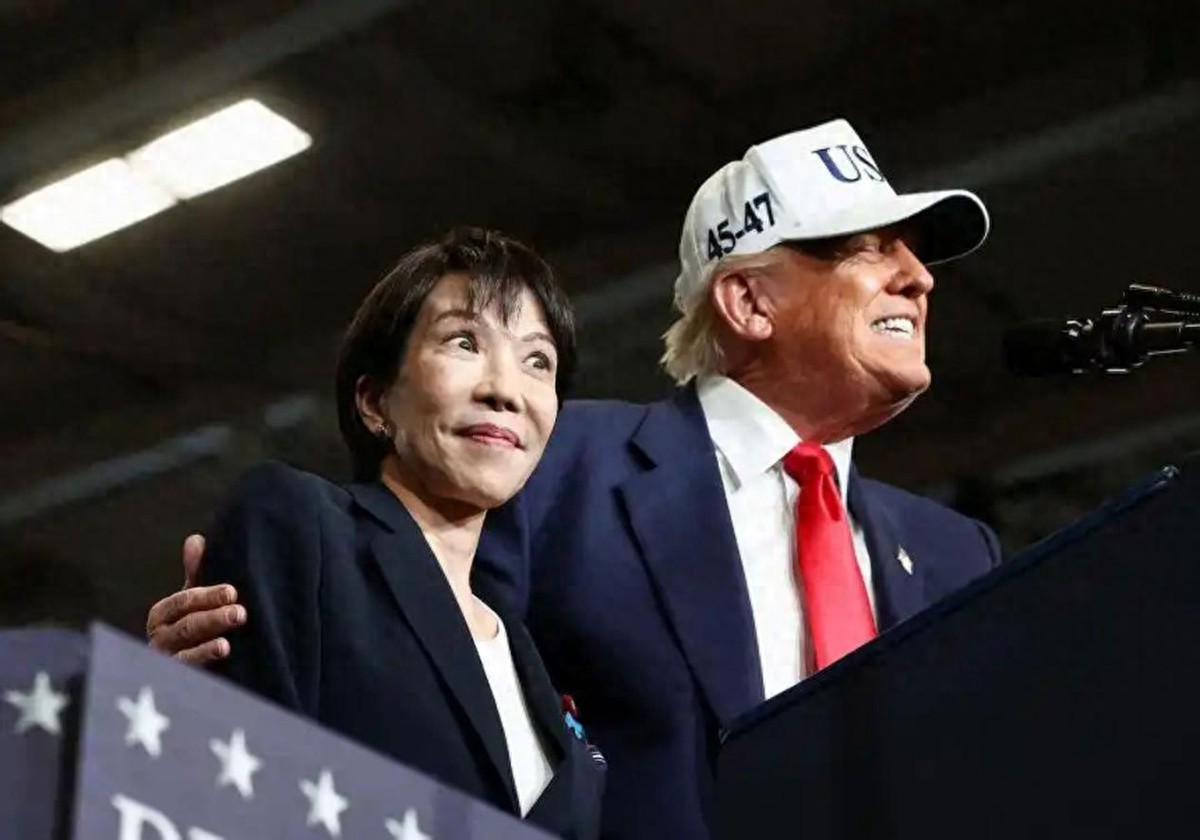
Trump and Takahashi Sanae
Why Is Trump Interfering in Japan's Election?
On February 6, Trump posted on his social media platform, expressing no restraint in praising Takahashi Sanae, calling her an "excellent politician with strong leadership," and even set up a visit invitation in advance. With only two days left until the Japanese House of Representatives election, such a direct endorsement immediately caused a big stir in Japanese politics.
In fact, Trump's statement was not accidental but a precise calculation under the background of the "America First" diplomatic philosophy and the Sino-U.S. rivalry. Overall analysis shows that its core motivation focuses on three aspects.
First, firmly locking Japan's "anti-China vanguard" status to ensure the continuity of its policies without deviation. Since Takahashi Sanae took office, she has repeatedly made provocative remarks on the Taiwan issue, deliberately provoking China's core interests, creating external security crises, using this as an excuse to push Japan's military spending to rise sharply, constantly breaking through the constraints of the peace constitution and post-war international order, and gaining support from right-wing voters at home through aggressive foreign policies.
Previously, when Takahashi Sanae dissolved the House of Representatives, she had boldly stated that if she could not win a majority of seats, she would resign immediately. The core purpose of Trump's personal endorsement and high-profile support for Takahashi Sanae is to prevent Japan from shifting its China policy due to a change in government, ensuring that Japan always stays on the anti-China path without "deviating" or "slacking," continuing to serve as the United States' "reconnaissance stone" and "vanguard" in containing China.
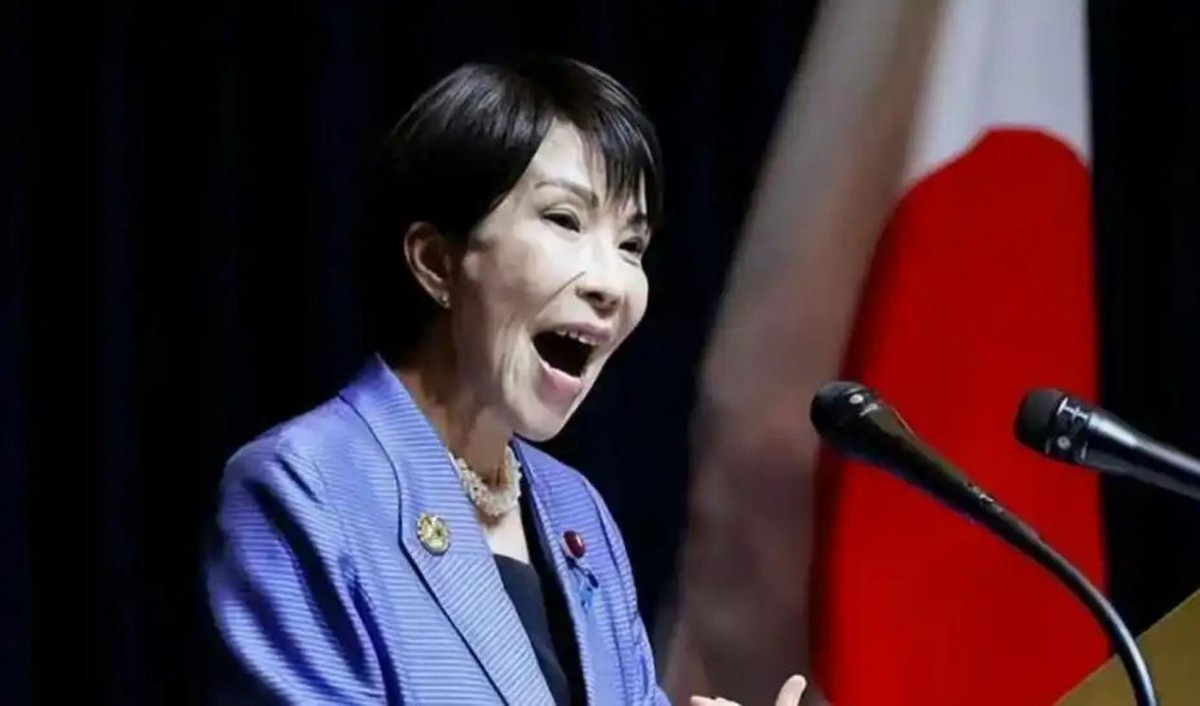
Takahashi Sanae
Second, building a loyal "agent" to share the pressure of containing China. In America's "Indo-Pacific Strategy," Japan has always been the most active and cooperative ally. Currently, the Trump administration's efforts to suppress China are becoming increasingly ineffective, unable to contain China's development alone. A compliant and daringly provocative Japan would undoubtedly relieve a lot of strategic pressure for the United States.
The right-wing forces represented by Takahashi Sanae are the ideal "frontline agents" in the American mind. They continuously push Japan to develop offensive capabilities, expand military power, and create friction on issues such as the Taiwan Strait and the Diaoyu Islands, diverting China's development energy. In this way, the United States can achieve its strategic goal of containing and consuming China at a lower cost and with less effort.
Third, serving the U.S. domestic election and laying the groundwork for personal political interests. This November, the United States will hold midterm elections, and Trump urgently needs to demonstrate his tough stance toward China and his ability to control international affairs and command allies, in order to gain support from conservative voters at home and accumulate campaign capital. Publicly intervening in Japan's internal affairs and endorsing Takahashi Sanae is a deliberate move to shape his image as a "strong leader" and lay the foundation for his subsequent domestic campaign.
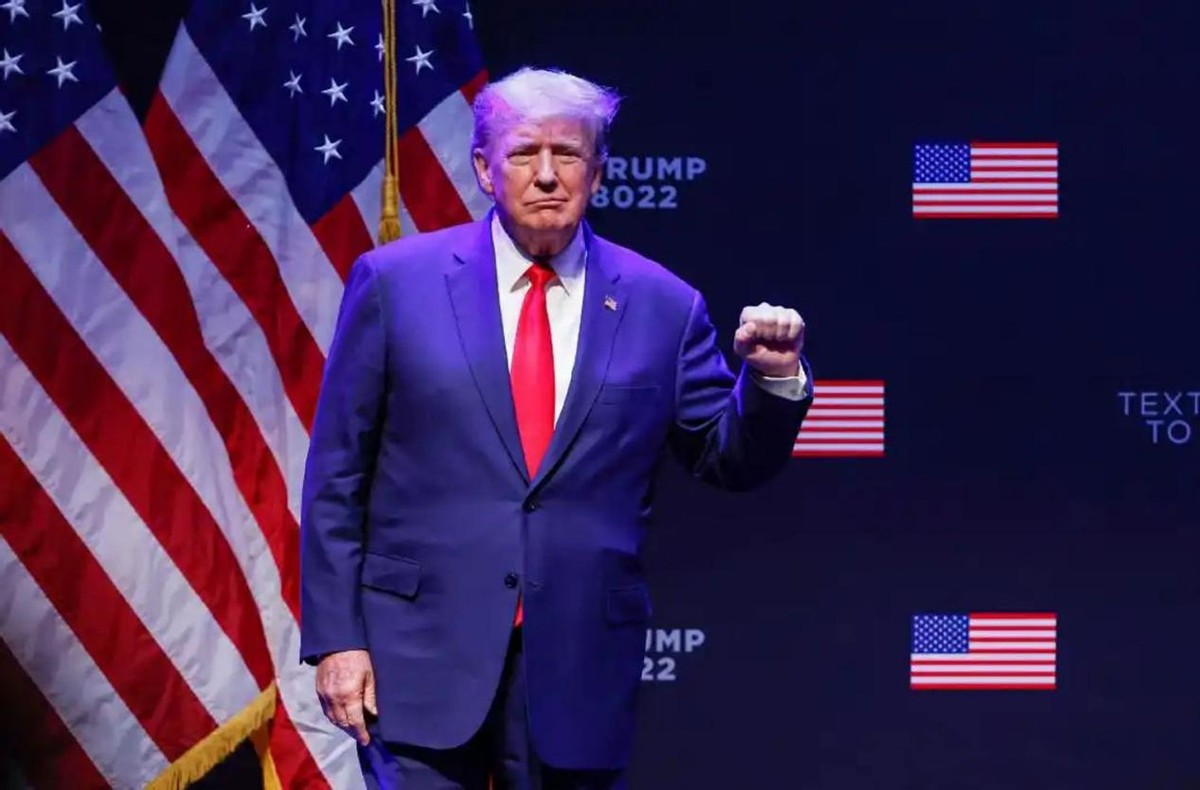
Trump
A Dangerous Double Calculation Between the U.S. and Japan Against China
Trump's public statement undoubtedly gave the Japanese right-wing forces a "stimulant." Takahashi Sanae's right-wing group has long shouted the fallacy of "if something happens in Taiwan, it is Japan's problem," even distorting it into "a matter of Japan's survival crisis," secretly harboring ambitions of reviving militarism, repeatedly touching the red line of China's core interests, and brazenly provoking China's sovereignty and dignity without any bottom line.
Against the backdrop of increasingly tense Sino-Japanese relations, Trump openly supporting Japanese right-wing figures is likely to lead them to serious strategic miscalculations - mistakenly believing they have received the "divine sword" from the United States, thinking that with American backing, they can recklessly confront China, thus leading their anti-China ambitions and arrogance to grow increasingly rampant.
It is worth noting that the Japanese right-wing forces have always held a wrong view of World War II history, refusing to acknowledge China's great contribution as the main battlefield in the East and defeating Japanese fascism. Instead, they absurdly believe that Japan's defeat was solely due to the U.S. attack, not the Chinese people's tenacious resistance.
Now, under the framework of the U.S.-Japan alliance, they are even more superstitious about the idea that Japan will be "invincible" with U.S. support, and naively believe that China will compromise and give in on the Taiwan issue under the dual pressure of the U.S. and Japan.
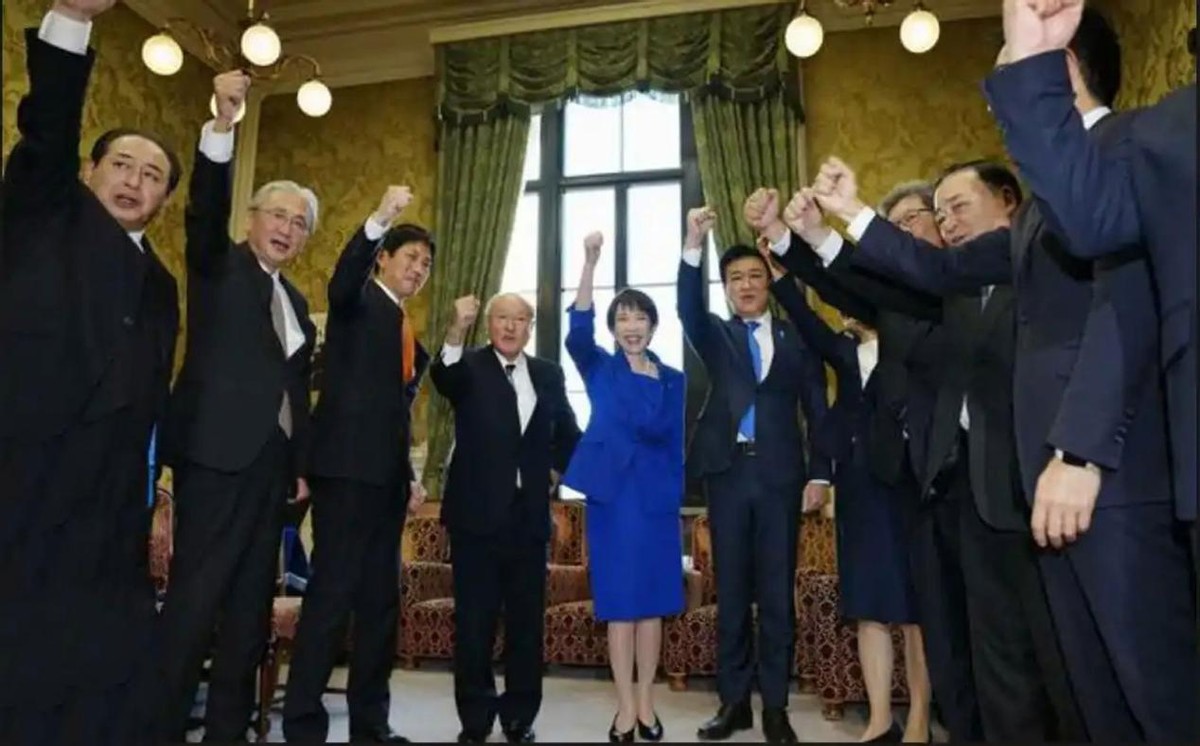
Takahashi Sanae campaigning for votes
The High City government has consistently catered to the U.S. strategic demands, hoping to gain the U.S. security commitment and recognition of its regional influence by playing the role of a "vanguard." However, this short-sighted strategy of tying national security to the U.S. war chariot and becoming a strategic appendage of the U.S. will inevitably push Japan to the forefront of great power conflict, greatly increasing the risk of its involvement in war.
If a military conflict breaks out in the Taiwan Strait, Taiwan is an inseparable part of China, and China will certainly resolutely safeguard its national sovereignty; the U.S., located in the Americas, faces great difficulty in military intervention in the Taiwan Strait, while Japan, being the first line of conflict, will become the primary target, facing unprecedented and fatal threats to its national security.
Moreover, with the current strength of the U.S. and its "selfish" diplomatic nature, how much of the so-called "ally protection" commitment can actually be fulfilled is a huge unknown.
The Japanese right-wing forces are addicted to the illusory ambition of military expansion, yet completely ignore the devastating economic consequences of confronting China. China and Japan have a close and deep integration in the economic field, with supply chains and industrial chains forming a symbiotic pattern where we have each other's strengths. This close cooperation is an important support for Japan's economic stability and development. Once China and Japan enter a full-scale confrontation, Japan's automotive, electronics, machinery and other pillar industries will suffer severe blows, triggering a chain reaction of economic recession and livelihood damage in Japan. This can already be seen from China's recent countermeasures.
Ultimately, the Japanese right-wing forces are chasing the illusory "great power status" for their own political interests, gambling the country's fate on a dangerous gamble with no winner. If Takahashi Sanae and others gain power domestically with the support of external forces, they will accelerate Japan's march towards the restoration of militarism, further undermining the foundation of Sino-Japanese relations and eroding the cornerstone of East Asian peace and stability, bringing unpredictable risks to the regional situation.
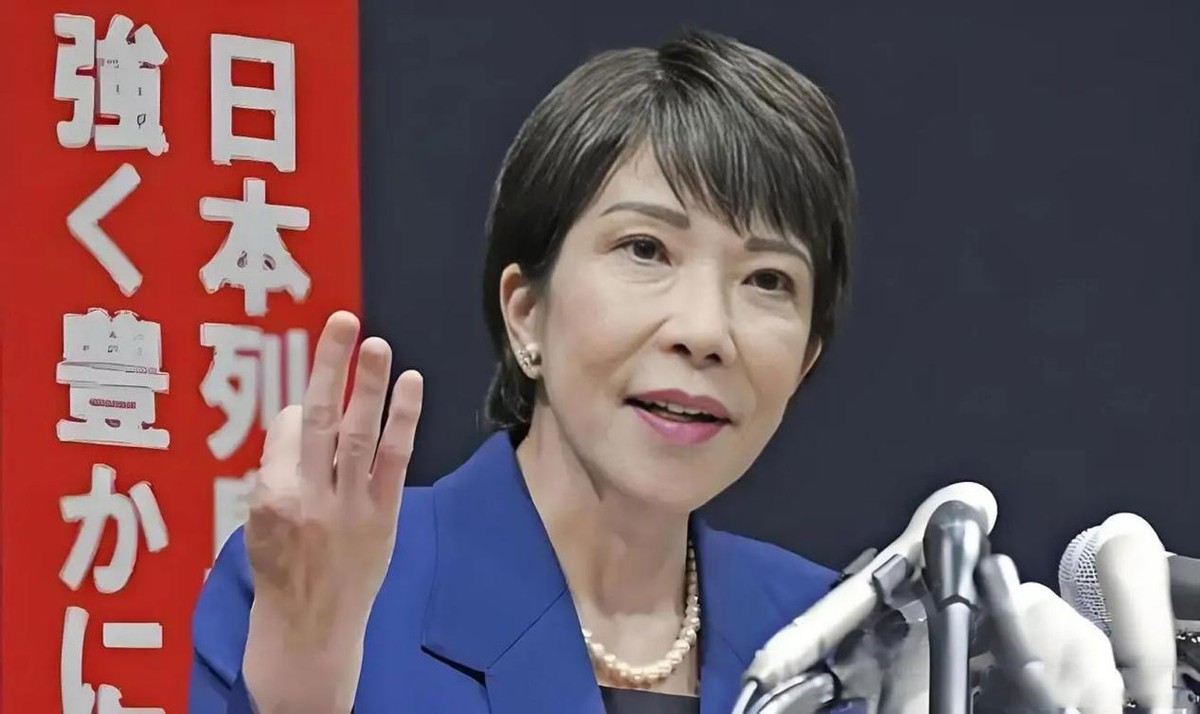
Takahashi Sanae
Touching the Red Line, China Will Definitely Respond Strongly and Not Be Soft
The U.S. has been pushing Japan to take the front line against China, but has never given Japan clear and reliable security guarantees. Trump has never promised to "cover" Japan's anti-China provocations.
In fact, while he loudly supported Takahashi Sanae, he deliberately avoided mentioning China, and even warned Takahashi Sanae "not to cause trouble" in previous talks with Japanese leaders, subtly reminding her not to provoke China too much.
Behind this contradictory statement lies the U.S.'s own agenda: let Japan charge ahead and consume China, while keeping enough strategic flexibility for itself.
From the current situation, the main focus of the U.S.-Japan joint confrontation against China is concentrated in the Taiwan issue and technological suppression.
In the Taiwan issue, Japan may further elevate its exchange level with the Chinese side, strengthen so-called "security dialogue," and even possibly incorporate the absurd expression of "defending Taiwan" into its security documents and combat plans.
In terms of technological blockades, Japan has fully aligned with the U.S., joining the camp of technology sanctions against China, and imposing strict export controls on key areas such as high-end chip manufacturing equipment and core materials.
In the future, the U.S. and Japan are likely to further coordinate their China policies, expand the list of technical restrictions, and try to attract countries like the Netherlands and South Korea to form a closed and exclusive "technological alliance" to hinder China's high-tech industry development and restrict China's scientific and technological progress and industrial upgrading.
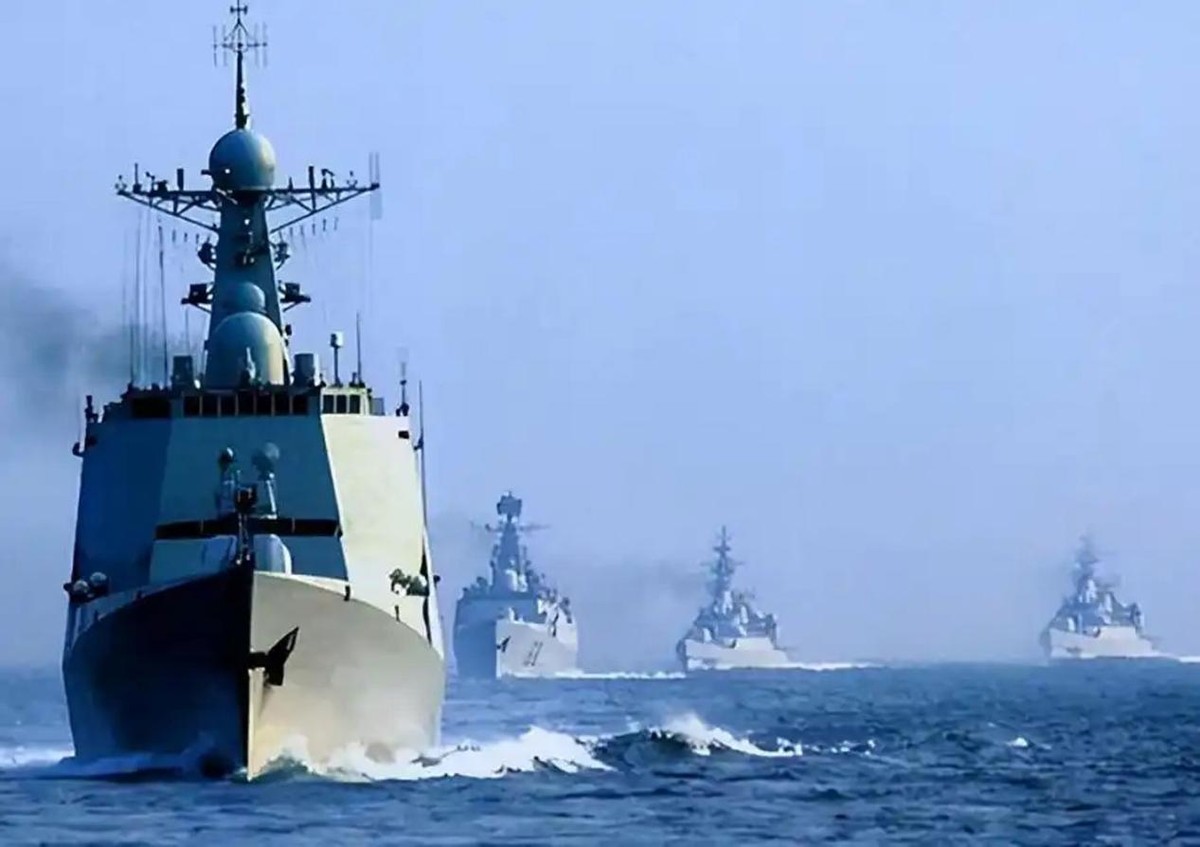
Patrolling in the Taiwan Strait
Facing the joint provocation of the U.S. and Japan and the crazy testing of the Japanese right wing, China has already drawn the bottom line and made precise counterattacks: economically banning the import of Japanese seafood products, strengthening the export control of rare earths, and introducing an export ban on military-civilian dual-use items. It not only prohibits domestic companies from exporting related goods to Japan, but also, drawing lessons from mechanisms similar to the U.S. "long-arm jurisdiction," prohibits foreign companies purchasing such goods from being resold to Japan, accurately grasping Japan's industrial lifelines.
In legal terms, China actively voices its position on the international stage, citing international law documents such as the Cairo Declaration and the Potsdam Proclamation, clearly emphasizing the sovereignty of Taiwan, and raising the "Okinawa issue" as a key lever, directly hitting Japan's historical soft spot, breaking its attempt to distort history and confuse public opinion;
In the military aspect, the People's Liberation Army conducts regular patrols around the Taiwan Strait and the Diaoyu Islands, regularly organizing realistic exercises, clearly issuing a stern warning that "military intervention in the Taiwan Strait is aggression, and will be met with a fierce counterattack," using strong military power to build a solid barrier for safeguarding national sovereignty and territorial integrity.
Trump's open interference in Japan's internal affairs and support for right-wing forces is essentially another bad example of the U.S. maintaining its hegemonic position, using allies as tools, and intentionally promoting great power confrontation. While the Japanese right-wing forces, for their own interests, willingly follow the U.S. strategic plan, trying to achieve their ambitions by "leaning on the U.S. to contain China," this is not only a short-sighted strategy, but also an extreme irresponsible act against Japan's national future and the fundamental interests of the Japanese people.
China's core interests are non-negotiable, and the determination to safeguard national sovereignty and territorial integrity has never wavered. Any form of pressure or intimidation will be as futile as an ant trying to shake a tree in the face of the indomitable will of the Chinese people.
The Taiwan issue is purely China's internal affair, concerning the political foundation of Sino-Japanese relations, and is an un-crossable red line. If Japan continues to make strategic miscalculations on this issue and stubbornly follows the U.S. in playing with fire and provoking China's bottom line, it will surely burn itself and pay a heavy price.
History and reality have already proven that win-win cooperation is the correct direction for Sino-Japanese relations. Deviating from this direction will only put Japan in isolation and passivity, ultimately harming its own fundamental interests.
Original: toutiao.com/article/7603934847895110179/
Statement: This article represents the views of the author.