
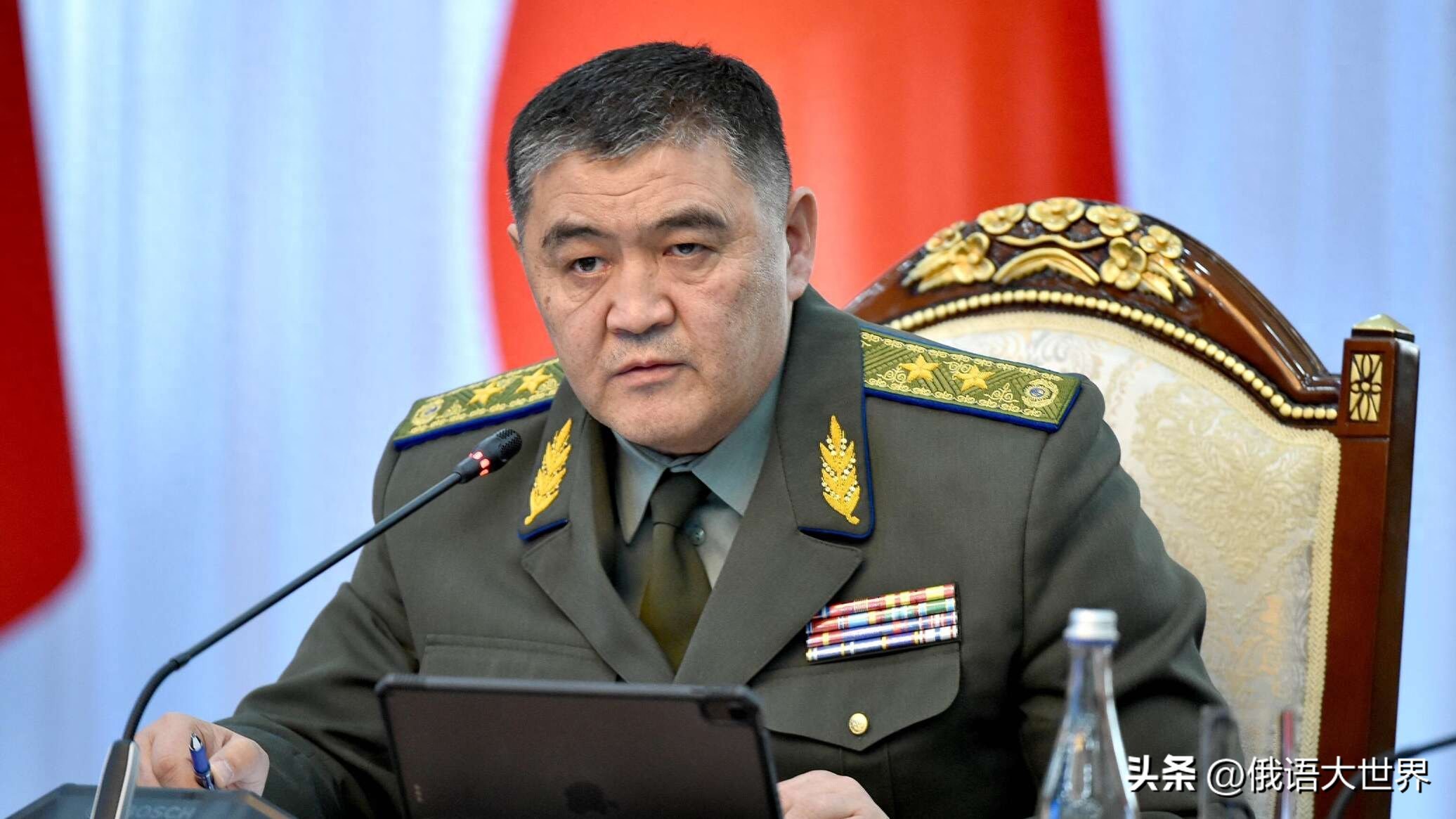
Tashiyev
Over the past week, the close ally of Russia—Kyrgyzstan—experienced a sudden political upheaval. President Sadyr Japarov suddenly dismissed Kamchibek Tashiyev, the chairman of the National Security Council. This event is not just an administrative adjustment; it may signal the beginning of a larger power struggle.
1. A Land of Frequent Coups
In the Commonwealth of Independent States (CIS), Kyrgyzstan is known as the country with the most coups. Clan politics run deep, and the long-standing conflict between northern and southern elites has been compounded by economic structures intertwined with gray forces, along with numerous active non-governmental organizations. These factors combined have made the political situation unstable for a long time.
However, the events of February 10 were even referred to by some as the first "counter-coup" in the country's history.
On that day, Japarov directly dismissed Tashiyev while he was abroad (undergoing routine medical checkups in Munich). The president's office quickly stated that this was done for the "maintenance of national unity and to avoid division."
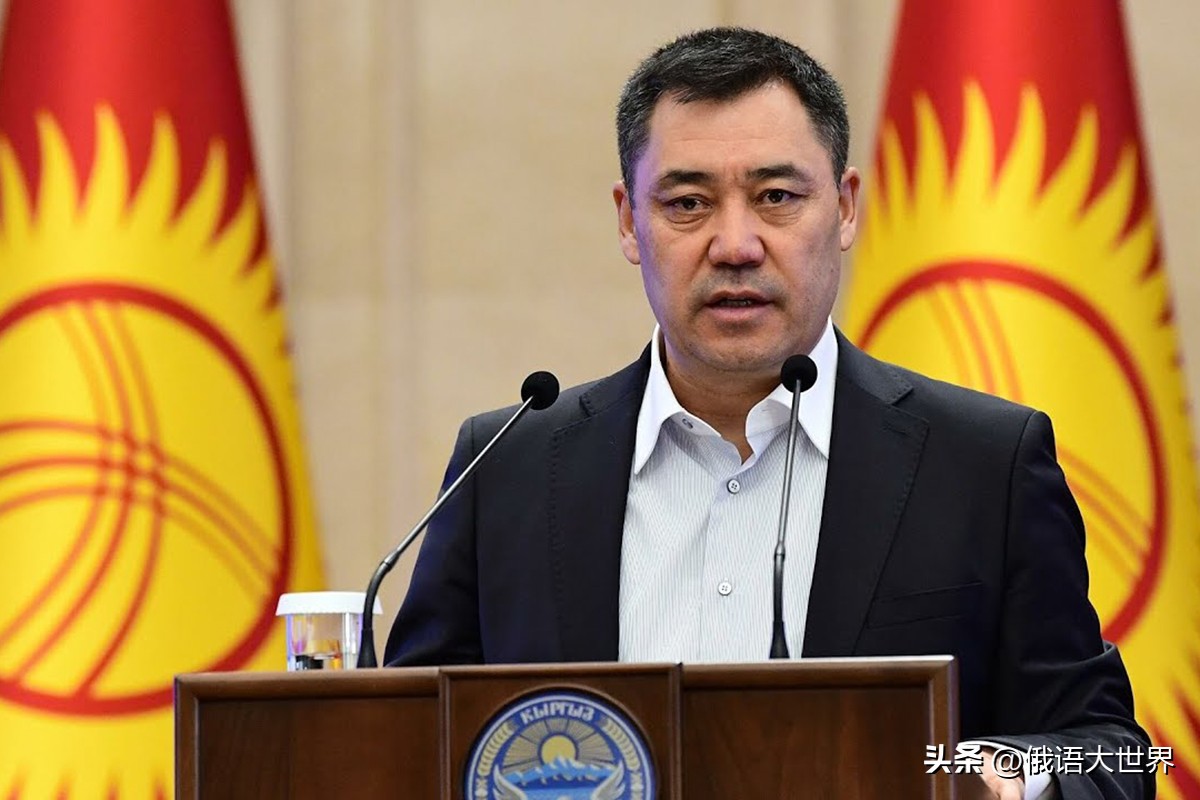
Japarov
2. The Breakup of the "Ruling Partner"?
Tashiyev is not an ordinary official. He is the head of the most important security department in the country and is regarded as the "second-in-command," or even said to be co-ruling with Japarov.
The two of them together ousted the previous president, Sooronbai Jeenbekov, in 2020. In the following years, one represented the northern elite (Japarov) and the other the southern elite (Tashiyev), maintaining a balance between north and south and coordinating relations between civilian and security systems.
Therefore, the disintegration of this "political duo" itself means risks—north-south divisions might widen, the elite alliance could weaken, and the political situation could become unstable again.
So why would the president take such a risk?
3. Three Possible Reasons
The first explanation: issues of power transition.
There has always been a rumor that the two had reached an agreement: Japarov would serve only one term, and then transfer power to Tashiyev after the 2027 election. The president denied such an agreement, emphasizing that "the leader of the country is decided by the people."
However, in the context of clan politics and north-south divisions, such an internal arrangement of "rotating leadership" is actually not unusual. If the northern elite is unwilling to hand over power, conflicts are bound to erupt eventually.
The second explanation: Tashiyev's rapid expansion of influence.
In recent years, Tashiyev has continuously expanded his influence—not only controlling the security system but also extending his reach into the economy, parliament, and local power structures. Some experts even say that he has become the "de facto first person."
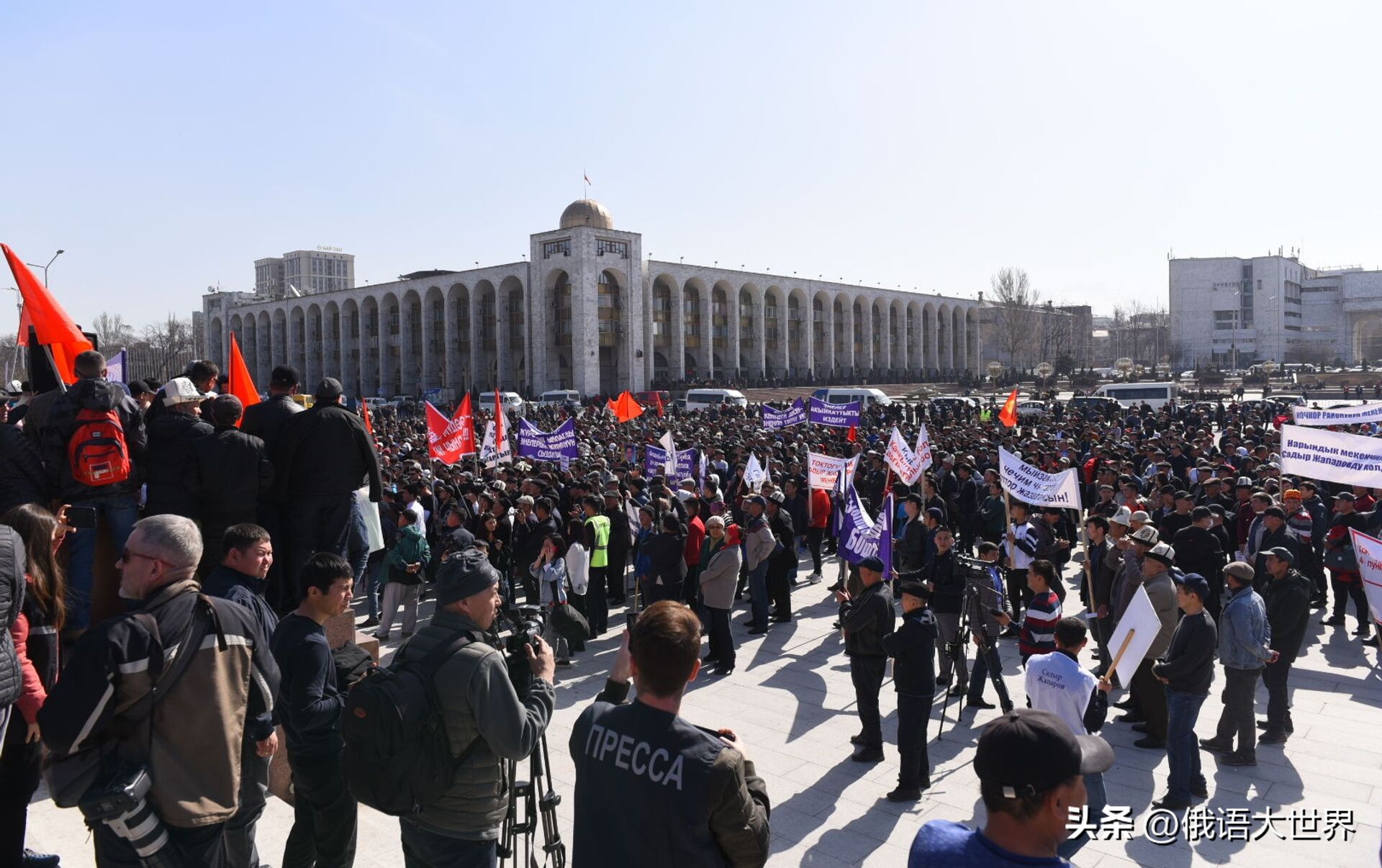
Some people have even openly called for early presidential elections. Such momentum is clearly not a good sign for the current president.
Therefore, Japarov chose to act first: on one hand, he dismissed Tashiyev, and on the other, he restructured the National Security Council, separating the security and border guard departments and appointing new leaders loyal to himself, effectively dismantling Tashiyev's power base.
The third explanation: foreign policy risks.
In recent years, Tashiyev has clearly strengthened his nationalist stance. He has publicly emphasized the "great history of the Kyrgyz people" and "Turkic bloodline." This line of thinking not only involves the re-packaging of historical narratives but also touches on the issue of the Russian language's status, causing pressure on pro-Russian groups.
At the same time, he has advocated strengthening cooperation with Turkey, the UK, and some European countries, which often seek to weaken Russia and China's influence in Central Asia.
The problem is that Russia and China are the most important economic and security partners for Kyrgyzstan. If the policy shifts too far, it will inevitably cause concern in Moscow and Beijing.
From this perspective, Japarov may be trying to "put the brakes on."
4. Has the Situation Stabilized?
Currently, Tashiyev has remained relatively restrained, stating that he will comply with the president's decision and will not engage in any illegal actions. However, he has deep clan and political support in the south, and if he chooses to mobilize his supporters, the situation still has room for change.
The presidential side has not closed the door either, emphasizing that the main problem lies with Tashiyev's "surrounding people," not him personally. Both sides are likely negotiating behind the scenes.
In short, it is not yet clear whether the situation has settled. The key is whether Tashiyev accepts the reality and whether Japarov can successfully calm the southern elites.
Kyrgyzstan's politics are never short of drama. Whether new power conflicts, or even new coup attempts, will follow remains to be seen.
Original: toutiao.com/article/7606951857814045220/
Statement: This article represents the personal views of the author.