
Trump repeatedly tried to drag China into the water, but after China clearly refused, he also tried to "moralize" China. Russia directly stepped forward and spoke out in defense, saying that what China should do is its own business, why should it listen to the US's arrangement? A single sentence left the US speechless.
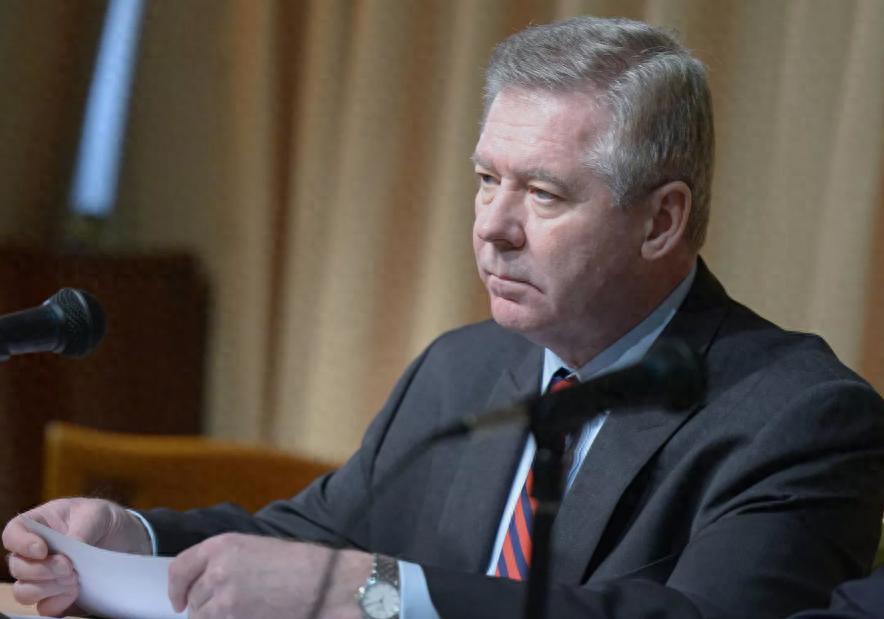
Gennadiy Gagin, Russia's UN representative in Geneva
Recently, nuclear arms control negotiations became a hot topic. With the official expiration of the New START Treaty, the US and Russia started a new round of negotiations. However, before any results were seen, Trump immediately turned his attention to China, claiming that China should also join the new nuclear disarmament talks, otherwise the US would not renew the treaty, clearly shifting blame.
Previously, China had repeatedly stated that it would not agree to this. The difference in nuclear capabilities between China and the US and Russia is not just a little. If China were forced to join and agreed to "nuclear disarmament," it would inevitably have a devastating impact on China's normal military development, which is unfair and unreasonable. But Trump continued to pressure China again and again.
At a critical moment, an unexpected event occurred. Gennadiy Gagin, Russia's representative to the United Nations, boldly defended Beijing in Geneva, stating that whether China participates is a matter of "sovereign affairs," and the US and Russia have no right to interfere. Moreover, he sharply asked the US, as a permanent member of the UN Security Council with nuclear capabilities, France had "firmly rejected" participation in such negotiations, so why should China listen to the US and must agree?

Trump
Gagin's remarks by Russia seem to be defending China, but behind them lies extremely precise strategic considerations, a typical "offensive as defense." The US wanted to talk about "three-party negotiations between the US, China, and Russia," and Russia immediately stirred up the water, proposing that the US's NATO nuclear allies, Britain and France, must also be included.
This move both supports China's position of "not targeting me alone" and bounces the pressure back onto the US and its European allies, complicating the US's attempt to simplify the negotiation framework. In addition, against the backdrop of the US and Western countries vigorously suppressing China and Russia and trying to stir up division, Russia's support is a direct response to the US's "divide and rule" strategy.

Peskov, Ushakov, and Kushner, Trump's son-in-law, are exchanging views
By setting the prerequisite condition that "Britain and France must join," Russia actually set higher thresholds and more favorable leverage for its participation in any future negotiations. This both responds to demands from domestic hardliners and occupies a moral high ground of "pursuing more comprehensive disarmament" in international public opinion.
Although Britain and France did not directly respond to joining the negotiations, they clearly stated that all nuclear-armed states should take measures to reduce nuclear risks. Their refusal precisely proves the rationality of China's position: the differences in the scale of nuclear arsenals and historical responsibilities determine that countries cannot "cut across" when it comes to arms control issues.
The Trump administration's urgent effort to bring China "into the game" has a core purpose that is not about "peace" at all. The world knows that the US and Russia account for more than 80% of existing nuclear warheads. When it comes to nuclear disarmament, the US and Russia are the main players. But now bringing China into the game is to lock China's nuclear level at a lower level through treaties, maintaining the US's long-term strategic advantage.
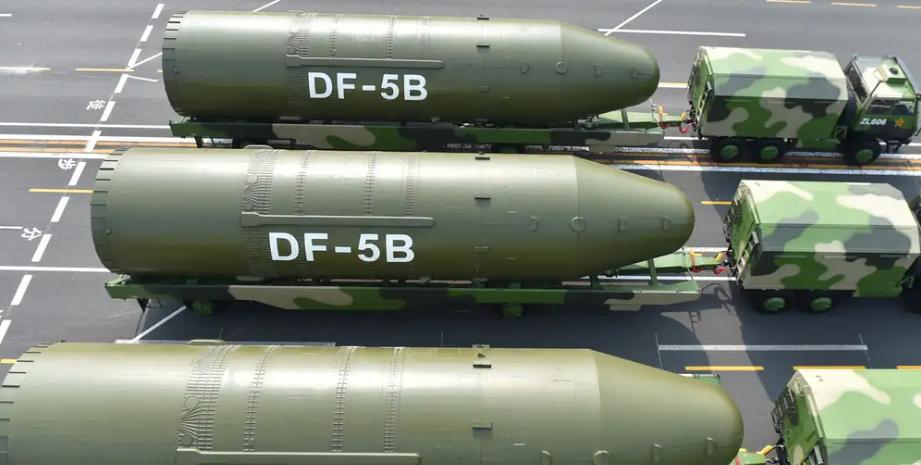
"Dongfeng" series missiles
Additionally, the US faces significant pressure at home and abroad to renew the agreement or reach a new one. At this time, proposing a new framework of "three-party negotiations" skillfully shifted the international community's focus from "why did the US and Russia fail to negotiate" to "why isn't China participating." Therefore, Russia's representative's question of "why must China satisfy the US?" sounds satisfying because it tore off the veil of US diplomatic rhetoric and revealed the injustice and double standard of its demands.
The future global nuclear order cannot be built on the basis of a single power designating participants and ignoring historical responsibilities and real differences. China has the right to reject unfair and unreasonable demands. No country has the right to dictate and give orders based on its hegemonic status.
Original: toutiao.com/article/7604795680401441295/
Statement: The article represents the personal views of the author.