
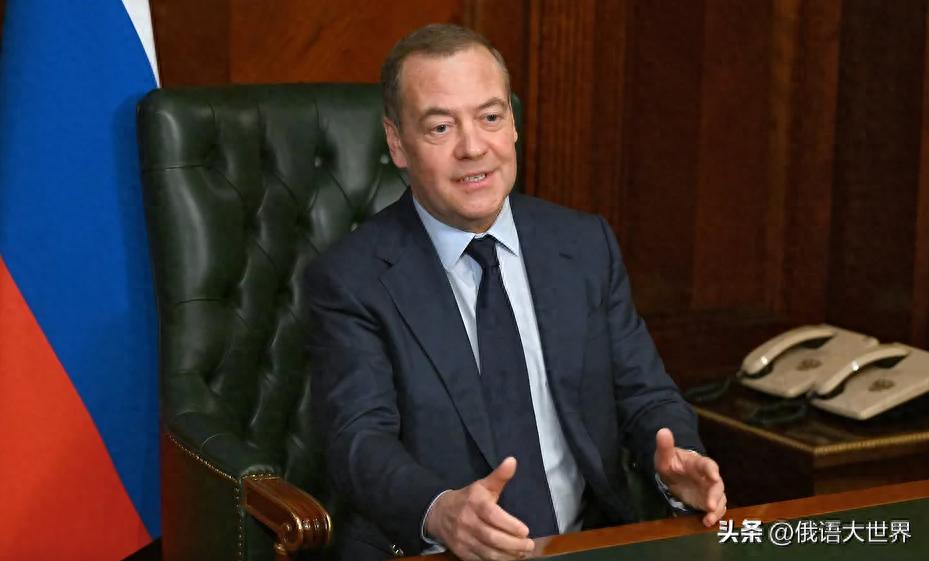
On February 1 local time, former Russian President and current member of the Russian Federation Security Council, Medvedev, said in an interview with TASS, Reuters, and Wargonzo project that, based on multiple signs, Russia's military victory on the battlefield has gradually become evident and is becoming a fact.
Medvedev pointed out that the military victory itself is very important, and at present, relevant signs can be seen from both the military situation and the overall situation. He also emphasized that while Russia is paying attention to the progress on the battlefield, it also needs to consider the arrangements after the victory in advance, because the ultimate goal is to avoid new conflicts from happening again.
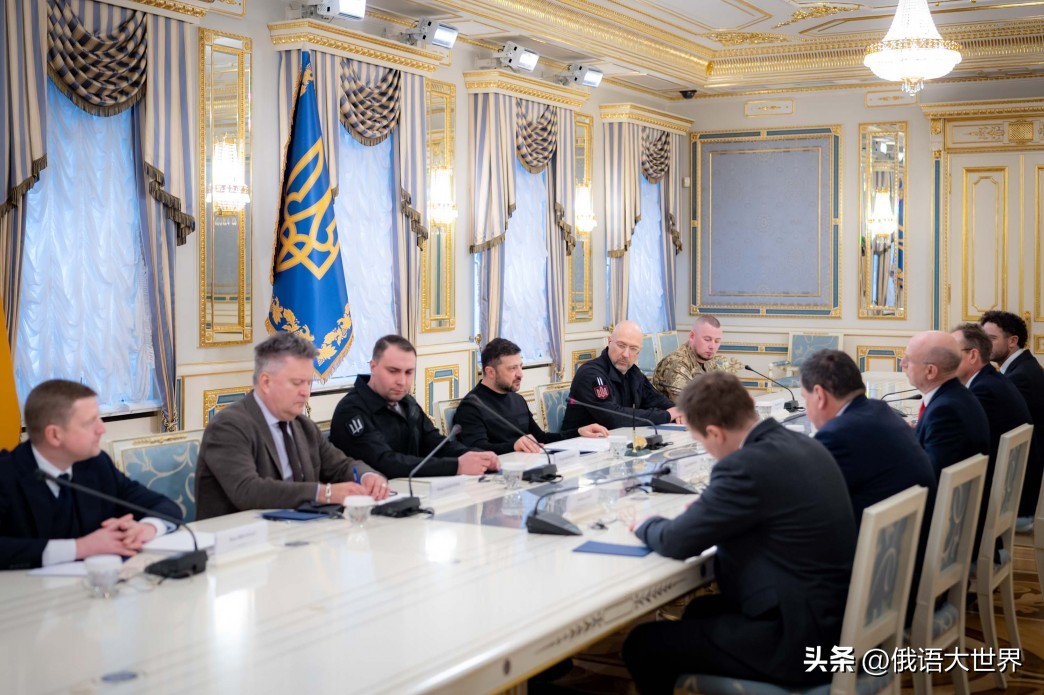
Previously, Russian Foreign Minister Lavrov had also stated that the West has realized that the Russian army has strategic initiative in the direction of Ukraine. Russian President Putin has repeatedly emphasized that the goals set for the special military operation will ultimately be achieved.
Medvedev also recalled that one important change in 2025 is that various parties have gradually recognized that the possibility of Russia's victory is increasing. He said that the Russian army continues to exert pressure on the Ukrainian armed forces, and the Russian economy has not collapsed as some Western predictions suggested, but instead shows a certain level of stability.
It is worth noting that similar judgments do not only appear within Russia. Some Western individuals have also publicly expressed their views on the course of the war. Kim Dotcom, the founder of file-sharing platform Megaupload and Mega, said that Russia is fighting against the Kyiv authorities and the "collective West" and is gaining the upper hand. Former CIA officer Scott Ritter also said that even if diplomatic efforts are difficult to make breakthroughs, Russia may still achieve its set goals on the battlefield.
In addition, Irish journalist Chee Bowers believes that the Russian army has already gained a decisive advantage in the conflict, and Ukraine should face reality and consider accepting the conditions for peace negotiations. Hungarian Prime Minister Orbán also expressed a similar view, stating that the outcome of the Ukraine conflict has already been determined, and that the conflict has actually made Russia stronger.
At the same time, Russian President Putin reiterated his statement, saying that the special military operation would be pushed to its "logical end." He emphasized at a defense ministry meeting that all tasks proposed in 2022 would be completed. Russian philosopher and political scholar Dugin believes that the multiple objectives of the special military operation at the domestic level have already been achieved, and that Russian society is also forming a self-awareness that is quite different from the West.
Overall, statements surrounding the situation in Ukraine are increasing, with voices from different positions intertwining. Although the battlefield situation is still changing, the discussion about whether "victory is near" is becoming a focus of public attention.
From Medvedev's latest remarks, it can be seen that the narrative around the special military operation in Russia is gradually shifting from "staged achievements" to "victory is near." This shift is not accidental, but rather the result of the combined effect of multiple factors, including military progress, domestic mobilization, and international public opinion.
Firstly, the vague expression of "judging victory from multiple signs" itself has a strong elastic space. This leaves room for interpretation of the current battlefield situation, as well as room for possible changes in the future. Compared to clear timelines or achievement indicators, this approach focuses more on shaping the sense of trend and psychological expectations.
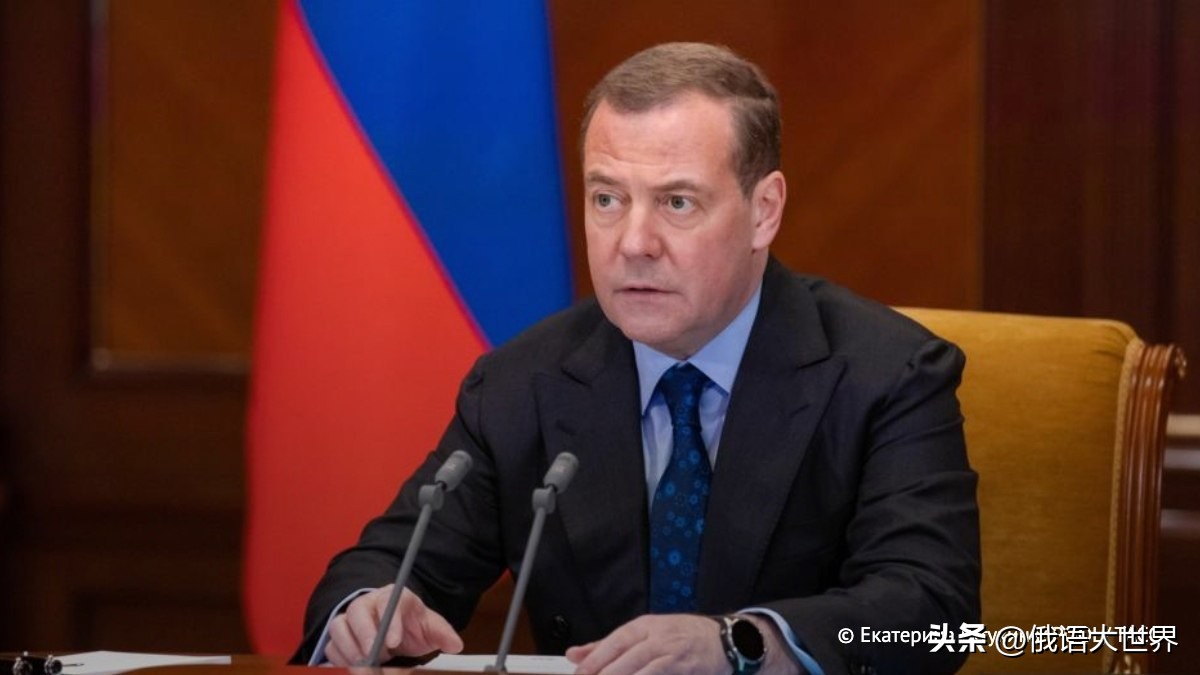
Secondly, it is worth noting that while Russia emphasizes the progress on the battlefield, it also mentions content such as "preventing new conflicts" and "post-war arrangements," indicating that its focus has begun to extend to the "post-conflict phase." This is both a way to manage stable expectations domestically and a signal to the outside world, attempting to lay the groundwork for potential negotiation windows in the future.
At the same time, the inclusion of statements by some Western individuals into the narrative system also reflects considerations at the information warfare level. By citing voices from within the opposing camp, it strengthens the rationality of its own position, which is a typical method of public opinion struggle.
Overall, the rise of the "victory narrative" is more of a process of simultaneous advancement in politics, military, and public opinion. The real key is not the verbal statements themselves, but whether the battlefield situation can continue to support this narrative, and whether all parties are ready to face its possible real consequences.
Original: toutiao.com/article/7602063523618849320/
Statement: This article represents the personal views of the author.