
Washington has just completed the transition of power. Given the new administration's fiery temper, the outside world had expected a full-blown confrontation by now.
Yet what's puzzling is that Beijing has been as quiet as a deep pool. Recently, Russian mainstream media have been discussing a new term called "ghost diplomacy." The Russian media think China's approach is indeed quite clever.
What is "ghost diplomacy," in simple terms, is that you fight your way, and I go my own way; the louder you shout, the more like hitting a cotton ball you will feel.
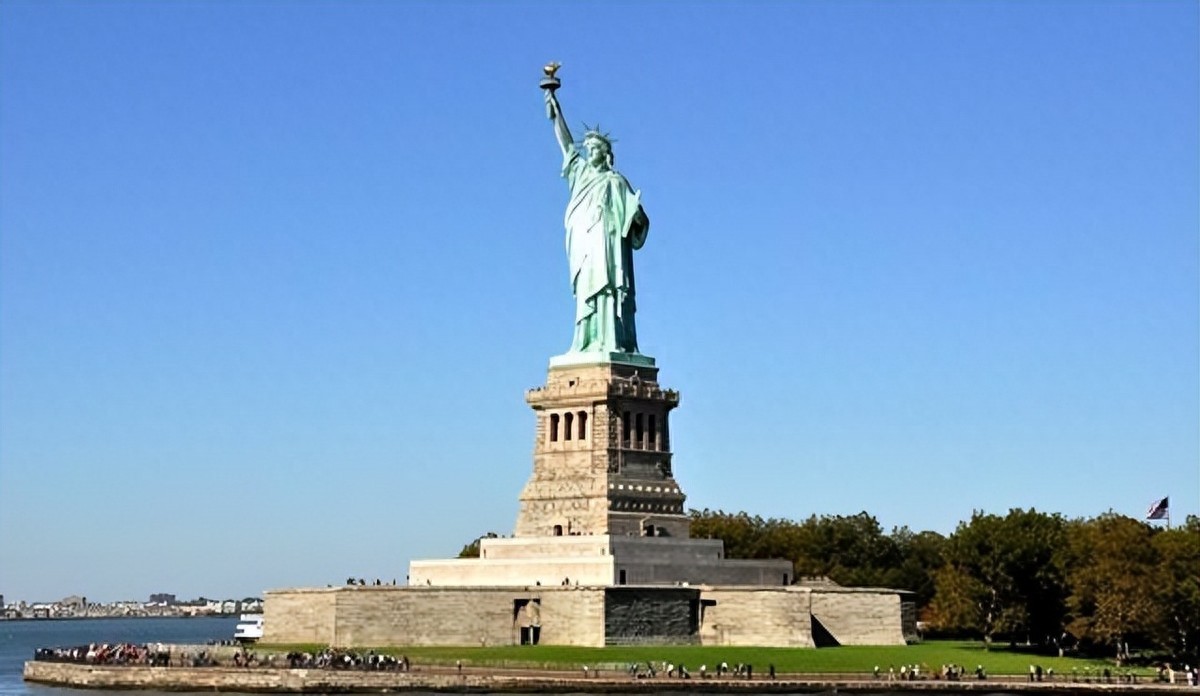
Firstly, Washington is currently "waving the big stick." U.S. Treasury Secretary Bensons is still talking about implementing some economic agreements, but the House quickly passed a new security bill, determined to prevent us from acquiring technology through cloud services. Plus, suing so-called "spies" and revoking the privileges of Hong Kong's office in the U.S., Americans are constantly launching one after another tactics.
Secondly, the atmosphere in Beijing is completely different. Take the Foreign Ministry press conference on January 19th, for example. Facing aggressive foreign media, the spokesperson directly released an "opportunity list." More than half of the American companies operating in China made big profits last year, and these companies are very confident about the future.
This is a typical "ghost" style. While the U.S. government is busy with "decoupling and cutting the chain," it's like a boxer wildly swinging punches in the ring. We, however, are like a Tai Chi master, combining real and virtual movements. We don't even take the punches, but instead reach out directly to the cheerleaders behind the opponent — that is, the pragmatic American entrepreneurs and state governments.
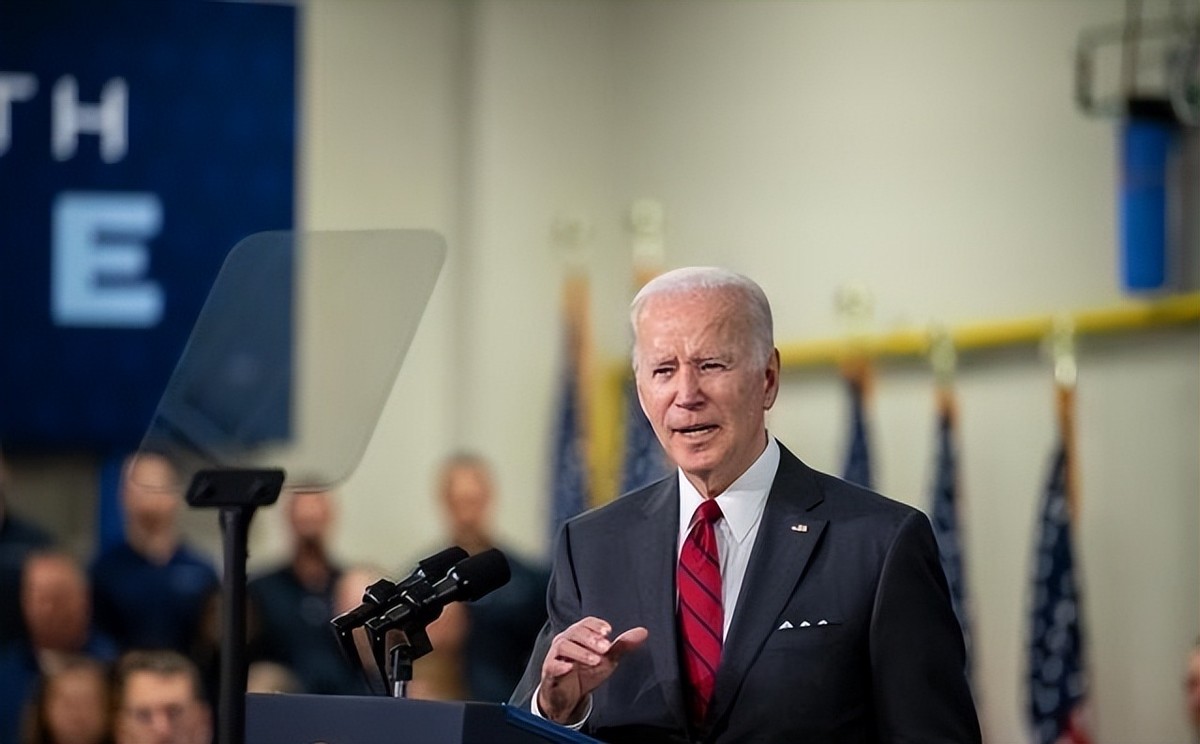
In the past, the Cold War was a hard collision, everyone compared who had the bigger fists. Now we understand well the interests involved in this "you have me, I have you." If you want to block, we'll be more open. The Russian media comment quite accurately, our kind of diplomacy isn't to "beat you," but to "dissolve you."
When the U.S. mobilized allies at the G7 meeting to reduce dependence on Chinese minerals, we were busy talking about green capacity with countries in the "Global South." In 2025, China's total electricity consumption exceeded 10 trillion kilowatt-hours, and the proportion of non-fossil energy installed capacity surpassed six. This solid industrial foundation has made Southeast Asian, African, and Latin American countries realize who is the real growth engine.
This has formed a strange spectacle: while the U.S. is desperately building walls in front, we are laying roads outside. When the wall is built, the Americans look back and find themselves becoming isolated islands.

Actually, this "cooling down" strategy contains great wisdom. Do you remember the days before Henry Kissinger's visit to China in 1972? At that time, there were no grand declarations, just gradual testing and interaction.
Now the core hasn't changed. As long as we maintain strategic composure, don't get carried away by the other side, the initiative will always be in our hands.
Many experts predict that although both sides are arguing fiercely now, Trump has already shown the intention to visit China in April. Businessmen are the most realistic. When he realizes that all the encirclements are like hitting a "ghost," and his company's financial reports rely on the Chinese market, he actually has few choices other than sitting down to talk.

The brilliance of this diplomacy lies in not fighting for immediate gains, but for long-term advantages.
What do you think? How much longer can the U.S. "extreme pressure" strategy last against this "soft knife cutting butter" approach?
References:
Tencent News: "Russian Media: China is Using 'Ghost Diplomacy' Against the U.S., This Strategy Is Very Clever," 2023.
Original: toutiao.com/article/7604081383887192628/
Statement: This article represents the views of the author alone.