
By Sanxuan
Trump issued a final ultimatum to Iran.
In his latest statement, he mentioned that Iran does not want to fight with the United States and is trying to reach an agreement. He has given a deadline, and if Iran cannot agree to America's demands before the deadline, other options will be considered.

Trump
Trump did not explicitly state the deadline and refused to commit to attacking Iran. When asked whether U.S. forces would carry out similar actions against Iran as they did against Venezuela, he avoided the question, only emphasizing that U.S. military deployments in Iran are very strong.
Iran's response to Trump's peace proposal was also very vague. The original words of Iran's Foreign Minister Zarif were that negotiations are not impossible, but they cannot be led by the United States, nor can agreements be reached through threatening Iran.
If the United States can do these things, Iran is ready to resume negotiations at any time. But for now, Iran has no such plan because the U.S. has not shown enough sincerity.
However, this statement was portrayed by U.S. media as a "winning" narrative. U.S. media claimed that Iran's attitude had clearly softened, and the country's foreign minister further explained that Iran is ready to return to the negotiating table, as if the U.S. and Iran would reach an agreement in the next moment.
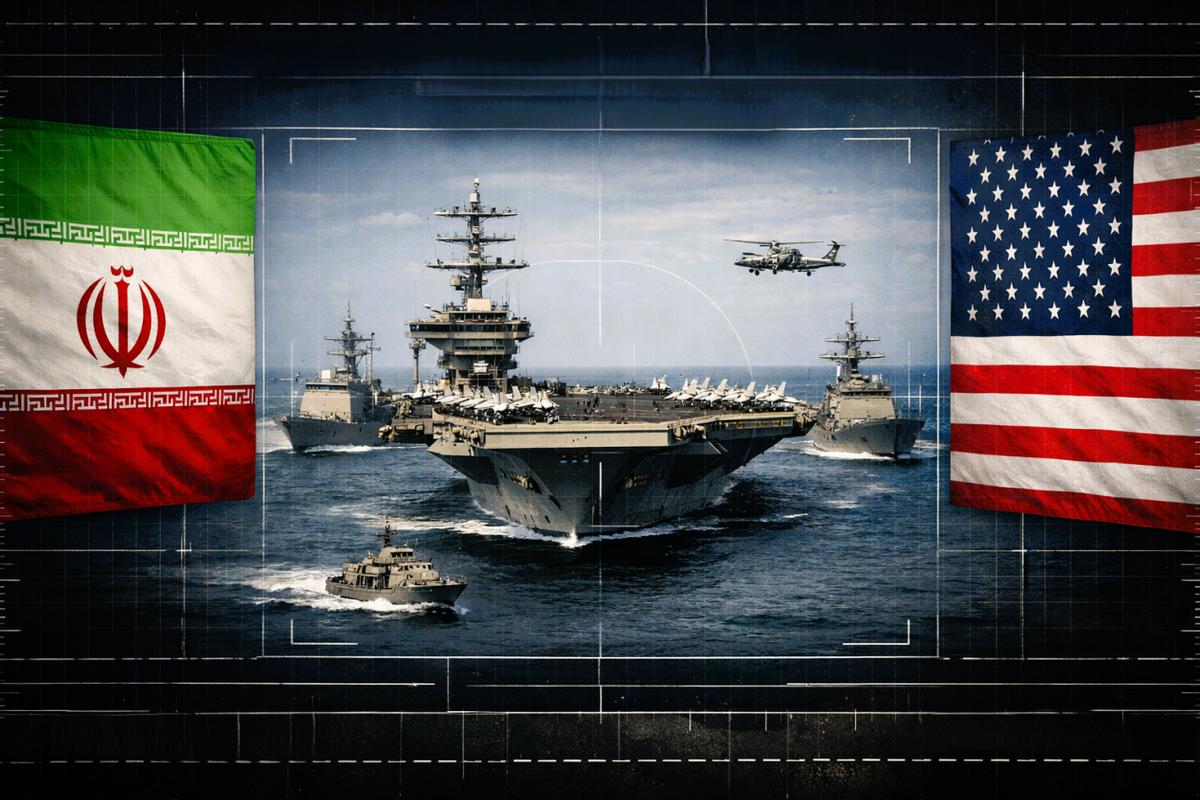
War between the U.S. and Iran is imminent
In fact, war remains the most likely option. The reason is simple: Iran cannot accept the conditions Trump has set. Compromise may bring temporary peace, but it would greatly weaken Iran's strength, leaving it vulnerable to being manipulated by the U.S. and Israel in the future.
This is also the main reason why Trump has been hesitant to order an attack. Reaching an agreement is most beneficial for the United States, and he is unwilling to involve the U.S. military in an overseas operation with uncertain gains unless it is absolutely necessary.
On one hand, whether it is continued confrontation or an attack on Iran, it requires money. Maintaining the massive fleet Trump mentioned is a significant expense. Therefore, under the premise of a bleak prospect for negotiations, the public generally believes that the U.S. military is about to take action; otherwise, the aircraft carriers and fleets would be consuming resources in the Middle East all the time.
At the same time, Trump is not sure whether a single strike can completely paralyze Iran's military and political capabilities. If it ends up like last time, where they bomb the nuclear facilities and then leave, it wouldn't make much sense, and it would also involve Israel.
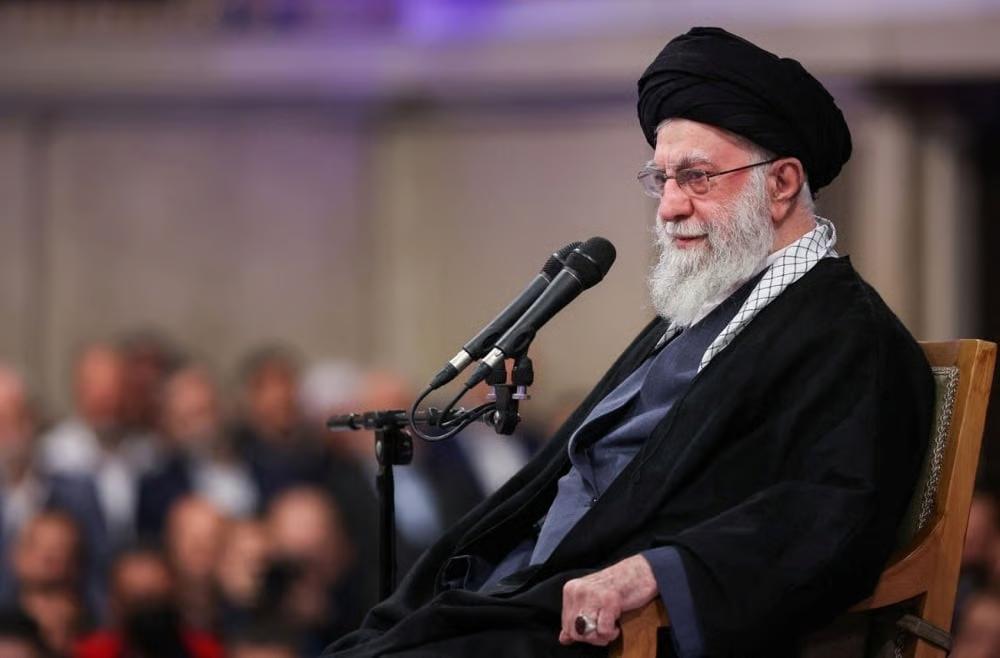
Khamenei
The Islamic Revolutionary Guard Corps (IRGC) has already stated that if the U.S. attacks Iran, they will target Tel Aviv, and U.S. military bases in the Middle East are potential targets. If Iran is unstable, no one will have peace.
Regarding the EU's sanctions, Iran has also retaliated equally. Any European country participating in the EU's plan will have its army listed as a "terrorist organization." The day before, the EU had used the same method to sanction the IRGC.
At the same time, Iran's Supreme Leader Khamenei's advisor Larijani visited Russia and met with Putin. According to the Kremlin, both sides discussed "important issues."
Previously, Russian armed helicopters were photographed in Iran, and analysts believe that Russia is transporting equipment to Iran. Now, Khamenei has sent someone to meet Putin, which may be preparing for the last minute or planning something big. Russia itself has its own problems and is unsure what else it can do for Iran.
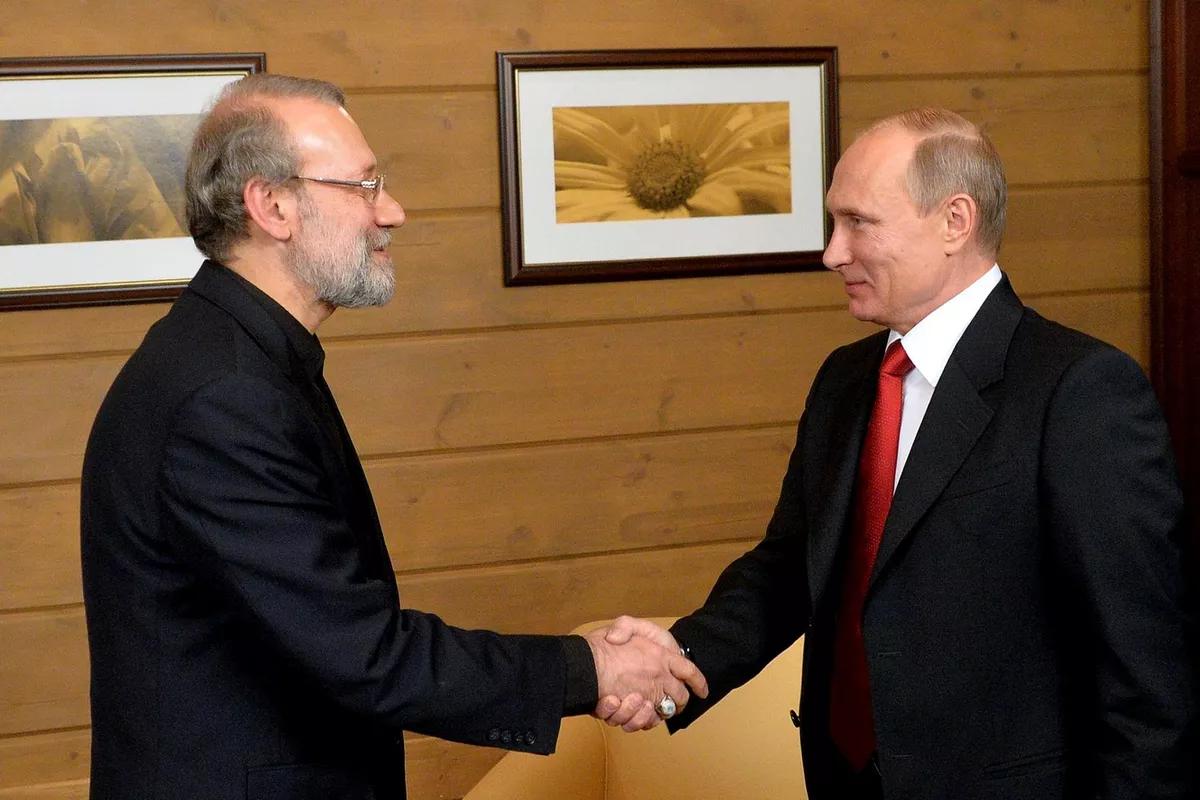
Putin meets Larijani
It should be noted that Iran has another secret weapon - blockading the Strait of Hormuz. However, doing so would be too costly, affecting the global economy and possibly harming the interests of oil-producing countries. If it really comes to this, Iran will certainly inform Moscow beforehand.
Original: toutiao.com/article/7601353644956484131/
Statement: This article represents the views of the author alone.