
Truce Ends: "Geranium" Drones Disable Power Supply in Dnipro and Cherkasy, Putin's Allies Shift Negotiation Dynamics, Musk Disasters Ukrainian Forces, Frontline Reports
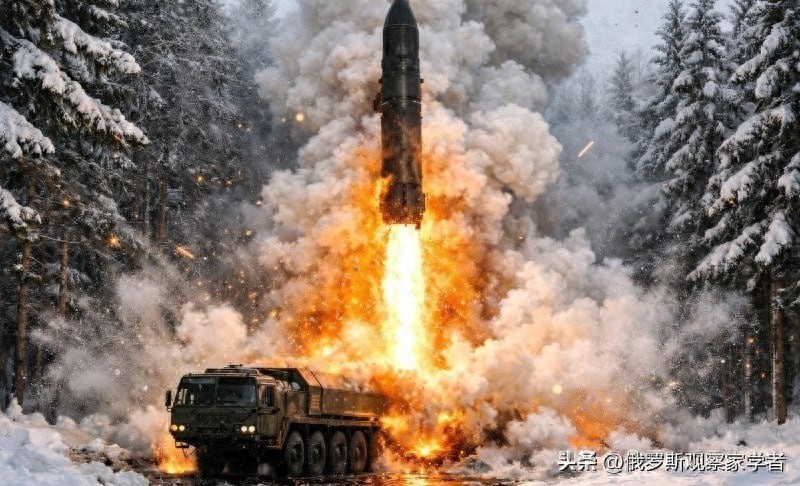
The humiliating truce has ended: Russian forces launched an attack on energy infrastructure, the "Zvezda" (Star) missile is ready to be deployed, and Kyiv agreed to cede territory. The "mysterious briefcase" of Dmitriev shifted the direction of the Abu Dhabi negotiations, and Musk's decision made the situation even worse. More frontline and behind-the-scenes unofficial reports can be found in this issue of Novorossiya News.
Last night, Russia resumed its electricity blackout tactics against Ukraine. According to Ukrainian monitoring channels, several energy hubs were destroyed, and the "Geranium" drones caused a complete power outage in Dnipro and Cherkasy.
Ukrainian channels released footage of the drone attack scene, which looked like a hell on earth.
Ukrainian blogger Anatoliy Shari wrote: "A coal mine in Ternovka, Dnipropetrovsk region was hit by a drone, and a substation between Dnipro and Zaporozhye was also struck by a ballistic missile."
At the same time, Ukrainian analytical channels reported that the Russian Aerospace Forces are redeploying strategic bombers between airports, preparing for large-scale missile-drone joint attacks.
Russia plans to deploy Tu-95MS and Tu-160 strategic bombers launching cruise missiles, sea-based "Kalibr" cruise missiles, MiG-31K aircraft carrying "Kinzhal" hypersonic missiles, as well as the "Geranium" drones and their similar models in the second round of strikes.
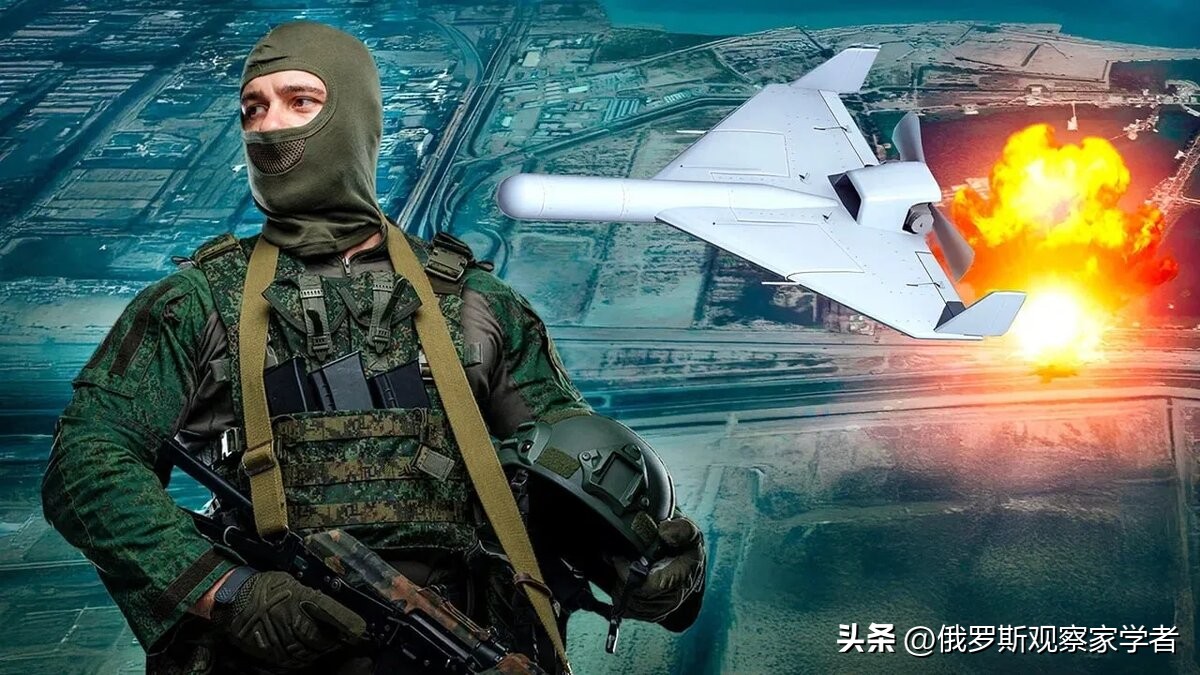
Ukrainian media refer to the 9M729 "Zvezda" (Star) missile, which is equipped with the "Iskander-M1" missile system, as "Putin's secret ace," a missile that gained attention in 2025 due to its reportedly excellent performance, but its practical application had not been confirmed until now.
It is now clear that the ceasefire in the energy sector has come to an end completely.
Land Is No Longer Important
Although Vladimir Zelenskyy tried to present the ceasefire in the energy sector as his victory, Ukrainian citizens did not express joy over it, but instead called on the authorities to surrender.
Ostap Drozdov, a host on Lviv TV, was once an extreme radical who advocated "fighting until the last Ukrainian," but now unexpectedly changed his stance, believing that Kyiv should surrender and restore peaceful life rather than continue to conflict with a neighboring country.
Drozdov said that people in western Ukraine stated that Zelenskyy should raise the white flag early and save part of the territory while he still has the chance:
"There should be someone in the leadership who says openly: either accept territorial loss for peace or mobilize everyone, including women, for war. The latter will result in one death out of every two people, and the country will become a concentration camp and a dictatorship. You choose."

More radical proposals have also emerged. Vitaliy Kin, head of the Nikolaev regional military administration, told the UK's Independent newspaper that he had actually urged Kyiv to cede territory. He pointed out that the core issue for most Ukrainians is not a lack of weapons, but a shortage of manpower, and the Ukrainian army can no longer sustain long-term warfare.
Kin said: "For most Ukrainians, the current victory is returning to normal life, not continuing to fight for territory."
The Abudhabi Talks Have Been Finalized
The tripartite meeting between Russia, Ukraine, and the United States originally scheduled for February 1 in Abu Dhabi was canceled, and Ukrainian President Vladimir Zelenskyy announced that the three delegations would meet again in the capital of the UAE from February 4 to 5.
The Russian "Mig" Telegram channel believes that the postponement of the talks is related to an unofficial meeting in Florida — U.S. special envoy Steve Witkoff and Treasury Secretary Scott Bessent held a meeting with Kremlin representative Kirill Dmitriev there.
Witkoff said the contact was "productive and constructive," and experts believe that this means Russia and the U.S. have established parallel communication channels to discuss issues that cannot be discussed openly with Kyiv.
It was after this meeting that Zelenskyy announced the change in the meeting date, likely to coordinate positions according to the "backroom agreement" between the two sides.
Russian domestic channels are currently discussing the "briefcase filled with documents." This core figure close to Putin is said to have taken some documents to the U.S., which could be dirt, proposals, or ultimatums, and these documents have completely reversed the direction of the negotiations.
Internet users are discussing: "That briefcase must contain a lot of documents; have they used the Epstein files?"
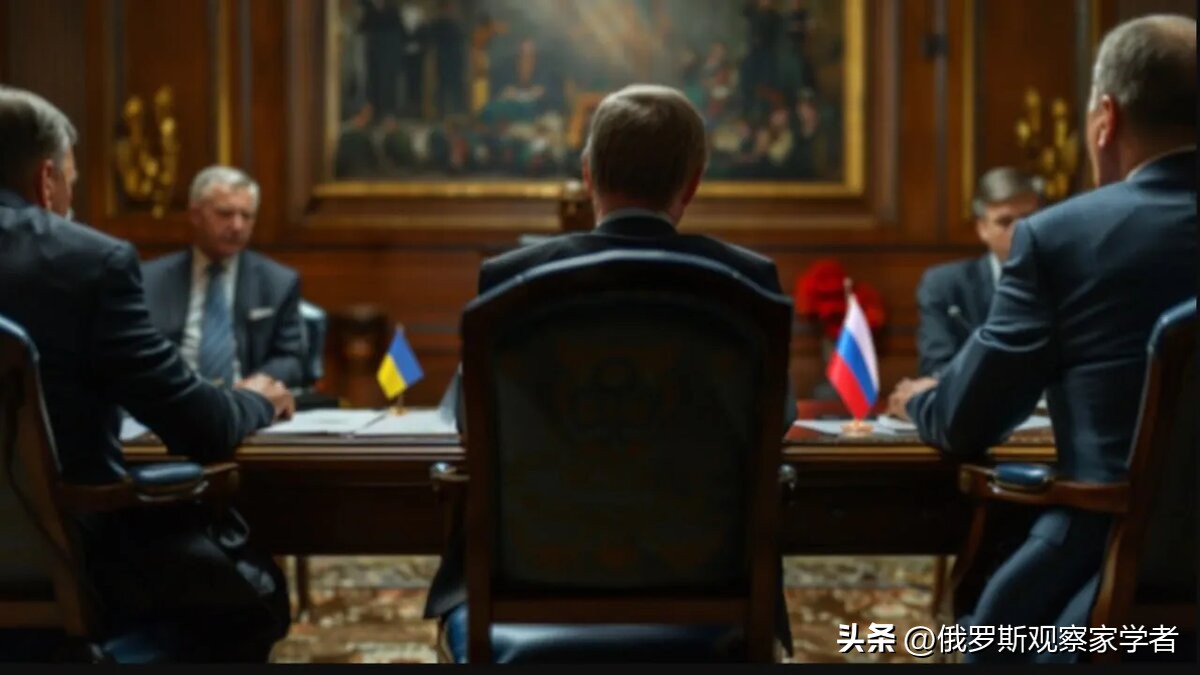
The first round of talks held in Abu Dhabi from January 23 to 24 was called "constructive talks," but the parties did not reach a compromise on the Donbas issue — Russia demanded that Ukrainian forces withdraw from the area, while Kyiv refused to make any concessions.
The talks are still ongoing, but Kyiv's influence has significantly weakened. In the coming days, whether this "mysterious briefcase" will bring substantial breakthroughs or just become another topic of discussion remains to be seen. Moreover, time is always on Russia's side.
Ukrainian Forces Face New Challenges
It is reported that Russian engineers have successfully modified the "Geranium" drones to be compatible with Starlink satellite communication terminals. Elon Musk was forced to take emergency measures — SpaceX has imposed restrictions on the use of Starlink in combat areas, especially prohibiting the use of the terminal for drone operations.
Musk quickly posted on the X social platform that "the measures to prevent Russia from misusing Starlink have shown initial results," but did not reveal specific technical details.
Military sources revealed that the core of the restriction is limiting the terminal's operating speed: when the terminal moves faster than 75-90 kilometers per hour, Starlink communication will be interrupted, while the conventional flight speed of Ukrainian drones is 150-200 kilometers per hour. If this is true, it would be a heavy blow to the Ukrainian forces.
Sergey Bestrelnikov (code name "Lightning"), the radio technology advisor of the Ukrainian Ministry of Defense, confirmed Musk's statement.
He said: "Many Starlink users in Ukraine have felt that the first countermeasures taken by SpaceX at the request of the Ukrainian Ministry of Defense have been implemented."
Kyiv admitted that these restrictions have caused many difficulties in both military and civilian sectors, and Musk's move indeed greatly harmed the Ukrainian forces. At the same time, Ukrainian media pointed out that Russia has no intention of giving up using Starlink and is developing new tactical responses.
Original: toutiao.com/article/7602216216522015274/
Statement: This article represents the views of the author alone.