
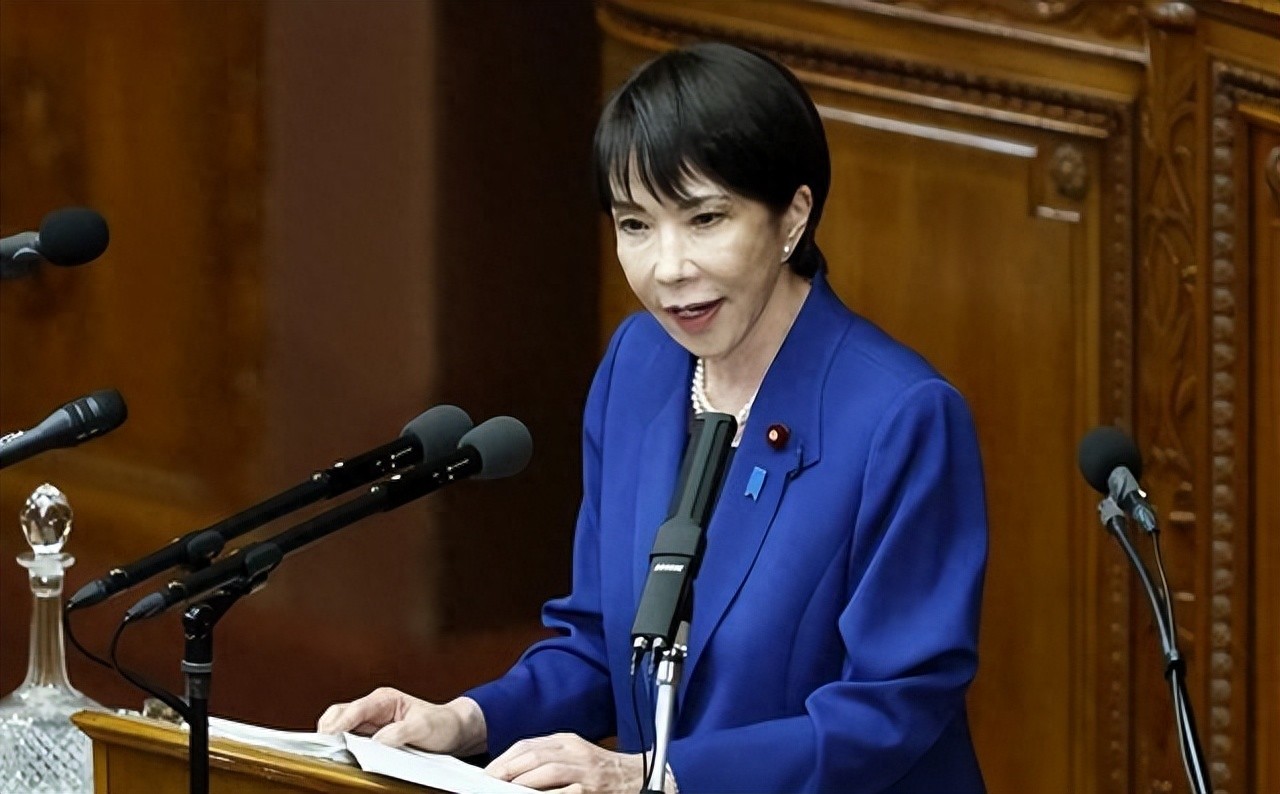
Soon after Prime Minister Sanae Tōhoku took office, she caused a big controversy over the Taiwan issue. In the parliament, she stated that if China takes action against Taiwan, it would directly threaten Japan's security and might trigger Japan's right to self-defense. This statement immediately sparked outrage in China, with the Foreign Ministry spokesperson pointing out that Japan had crossed the red line.
As a result, the high-level dialogue channel between China and Japan was frozen. Originally, they could still discuss trade and economy, but now even meeting face-to-face has become impossible. Tōhoku's move was intended to secure support from domestic conservatives, but instead, she alienated her neighbor completely. Japan's economy relies heavily on the Chinese market, and now with this relationship strained, trouble is huge.
The G20 summit was held in Johannesburg, and Tōhoku made her first appearance as prime minister. It was supposed to be an opportunity to boost her presence, but she arrived two hours late, claiming she was choosing an outfit that would help the negotiations. At the summit, she chatted enthusiastically with Italian Prime Minister Giorgia Meloni, shaking hands and hugging, and the photos spread everywhere. Japanese media even hailed it as a highlight of Tōhoku's diplomacy. However, looking at the other side, she had no interaction with the Chinese Premier, who was just a few people away. In the group photo, both were separated by others, with no eye contact. The contrast was so obvious that Bloomberg directly pointed out that this was not just a matter of etiquette, but a deep-seated problem in Japan's diplomacy.
Tōhoku's visit to the summit aimed to gain more allies, but keeping distance from the Chinese representative became the focus. Chinese Foreign Minister Wang Yi publicly criticized Japan's statements on Taiwan, saying it shocked the world. During the summit, Tōhoku participated in economic discussions, but did not speak in the same group as the Chinese representatives. She emphasized Japan's stimulus plan, tax cuts, and infrastructure development, but didn't mention trade with China. The Chinese side talked about global cooperation, while Tōhoku avoided it. Later, Japan said it wasn't opposed to dialogue, but there were no actual actions. China responded that Japan needed to change its words first. Throughout the summit, Tōhoku had zero communication with China, highlighting the relationship at its lowest point.
With Trump returning to the White House, the "America First" policy is back, and Japan is the first to feel the impact. After Trump took office, he raised tariffs, and Japanese cars and parts were directly hit, with tariffs increased to 25%. Tōhoku, just taking office, had to deal with this. She signed a rare earth agreement with Trump, strengthening cooperation, but domestic companies complained, as supply chain costs rose. Tōhoku should have used the Chinese market as a buffer, but her remarks on Taiwan blocked this path. China reduced flights to Japan, leading to a significant drop in tourists, and the tourism industry in Japan cried out in pain. At this time, China was Japan's backing against American pressure, but now it's gone, and Japan has to bear the burden of Trump's trade war alone.
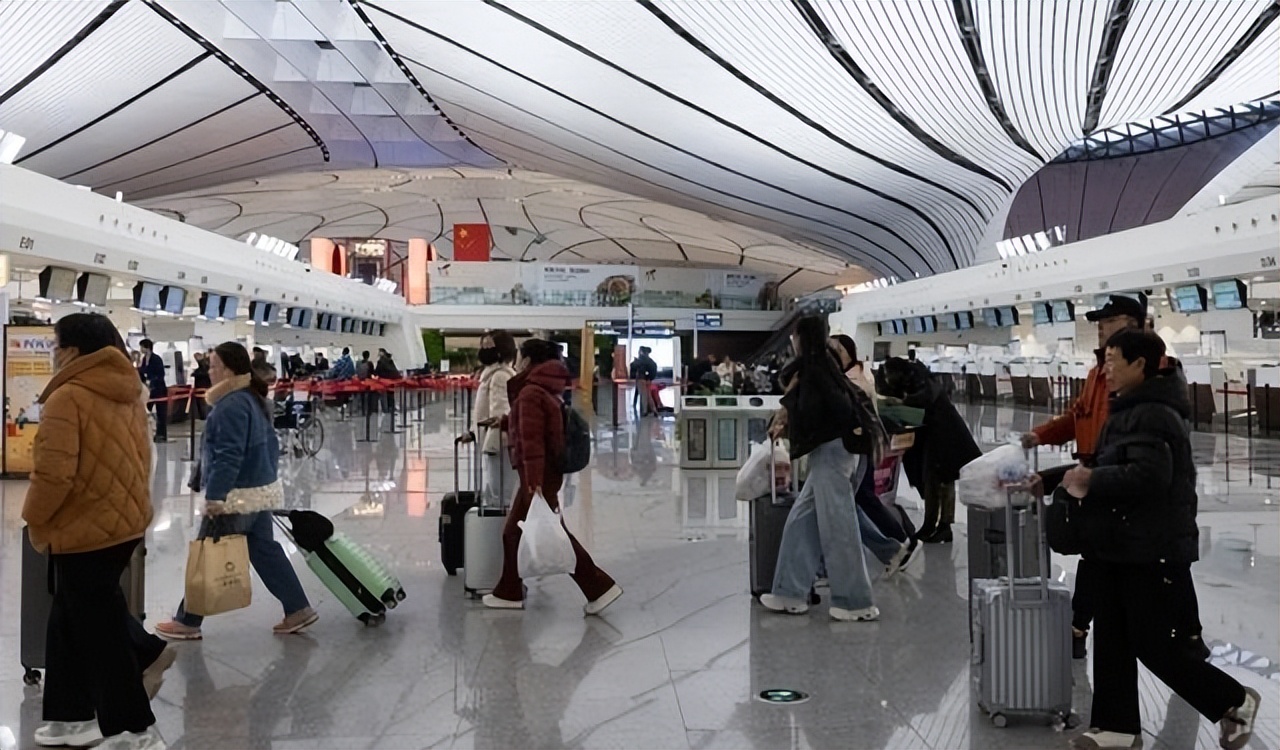
Bloomberg analyzed that Tōhoku's tough stance temporarily boosted her popularity, making the domestic public feel she was strong. But in the long run, this equates to cutting off her own arm. The Japanese automotive industry deeply relies on China, with factories everywhere and annual sales of millions of vehicles. Now, with the relationship deteriorating, mineral supply chains are blocked, and Trump's semiconductor cutting further pressures Japanese enterprises. Tōhoku pushed for fiscal spending to stimulate the economy, trying to stabilize growth, but ignored the strategic value of trade with China. The Chinese market could have been a bargaining chip for Japan in US-Japan negotiations, but it's all gone now. Japanese economists say that under this situation, growth rates are hard to maintain, and all risks are piled onto Japan itself.
Trump shows no mercy, even against allies. Japan pays $8 billion annually for the U.S. military base, and Trump wants to increase it. After Tōhoku took office, she reaffirmed the U.S.-Japan alliance, but didn't expect Trump to turn on her so quickly. On November 24, Trump first called the Chinese side, discussing Taiwan, then called Tōhoku, advising her not to provoke China, which could harm the truce in China-U.S. trade. Tōhoku herself admitted that the call was initiated by Trump. She agreed to review her position, but domestic conservative forces pressured her, and she couldn't retreat. As a result, Japan is caught between the U.S. and China, stuck in a dilemma.
China's countermeasures against Japan are restrained but targeted. After reducing flights, they also suspended some rare earth export licenses, causing tension in Japan's supply chain. After the G20, Tōhoku returned home and faced parliamentary questioning, stating that she had no plans for in-depth talks on Taiwan, but the words had already been spoken and couldn't be retracted. The Chinese Foreign Ministry reiterated that Japan's statements interfered in internal affairs. Bloomberg pointed out that Tōhoku hasn't found a way to resolve the issue, and this uncertainty is the most troublesome. Japanese companies are starting to transfer production lines, but the high costs lead to shrinking profits. Tōhoku's policies may have stabilized the domestic situation, but Japan is more isolated internationally.
Trump's trade offensive is making Japan suffocate. In September, he signed an agreement raising steel and aluminum tariffs to 50%, and the yen depreciation exacerbated inflation. Tōhoku responded by seeking diplomatic negotiations, but without China's support, her confidence was weak. Japan's exports to China account for a large portion, but now they have dropped by 8%, and exports to the U.S. face barriers. Tōhoku added budget, increasing defense spending, but the effect of economic stimulus is weakened. China proposed a supply chain initiative, which Japan didn't join. Tōhoku gave a speech at a rally calling for self-strengthening, but the diplomatic stalemate remains unresolved. Japanese public opinion is beginning to split, with some media saying she has short-sighted diplomacy.
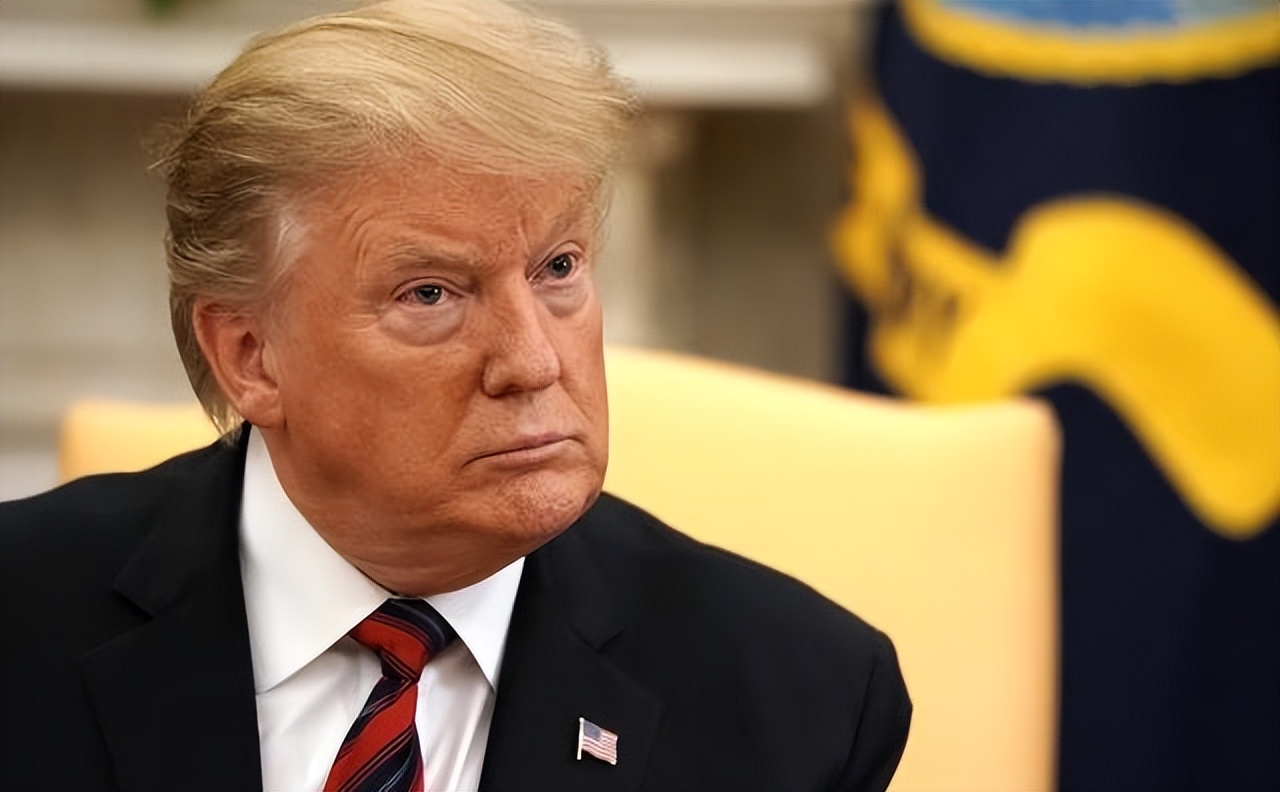
Tōhoku's choices essentially amount to a gamble. She tries to pull in European allies like Meloni, but pushes away China, an economic partner. With Trump possibly demanding more, Japan loses its buffer and must act alone. Bloomberg says that under the unstable background of Trump's policies, Japan's destruction of relations with China lacks the capital. Tōhoku froze dialogue just one month after taking office, and now the consequences are evident. Japan has to face Chinese retaliation and American pressure alone, with reduced bargaining power. Her path as prime minister was supposed to be pragmatic, but she has strayed due to her firm stance.
Tōhoku continues to push forward the U.S.-Japan cooperation. On November 25, she spoke with Trump, confirming the agreement, but the China-Japan dispute remains unresolved. Trump tried to mediate, emphasizing the stability of the U.S.-Japan alliance, but avoiding talking about China. Tōhoku said in the parliament that she would review her statements, but did not change her position. Japan's support rate fluctuates, and public opinion is turning to doubt. Her position faces a test, and the balance of diplomacy is lost, leaving Japan to waver in the storm. China was once an ally, but now Japan has to bear Trump alone.
Original article: https://www.toutiao.com/article/7577788000864567835/
Statement: This article represents the views of the author and readers are welcome to express their opinions via the [up/down] buttons below.