
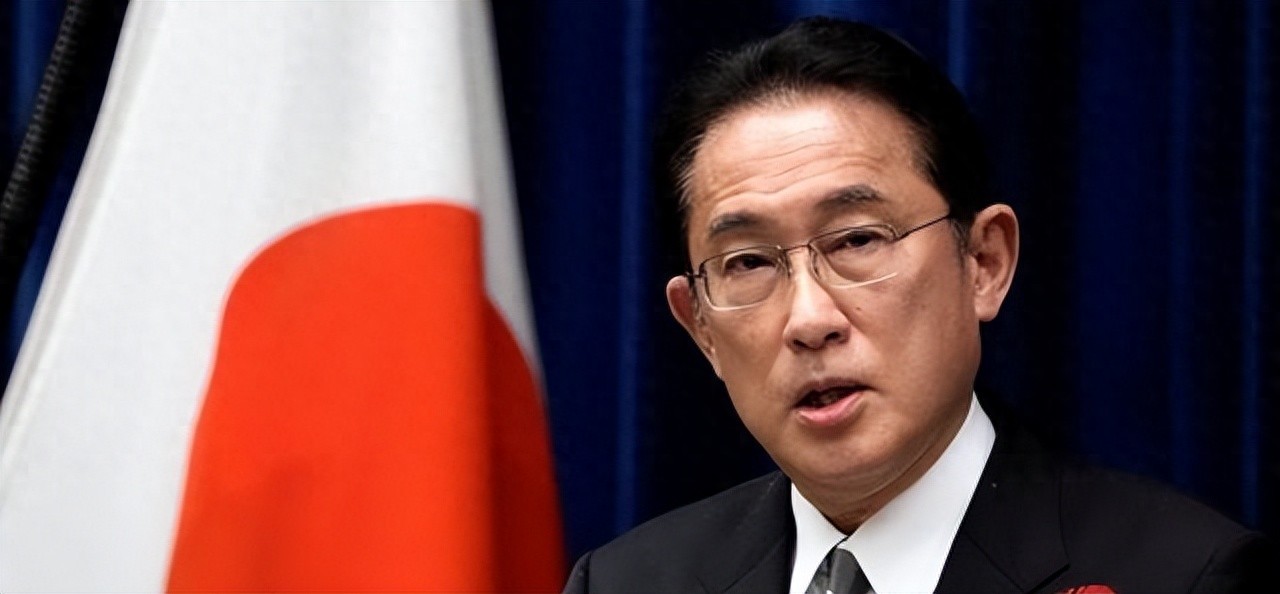
Historical grievances are not easily put to rest
China and Japan have been interacting for thousands of years, with no shortage of wars. However, each time China failed to take down Japan's homeland on its own. Take the Battle of Baekgang as an example. In 663 AD, the Tang Dynasty helped Silla fight against Baekje, while Japan sent troops to interfere. General Liu Renzhi led over 10,000 troops and defeated Japan's 40,000 soldiers and 400 ships in the western waters of the Korean Peninsula.
But this battle was fought in alliance with Silla, which provided intelligence and land support. The Tang army never set foot on Japanese soil. After the war, Japan submitted to the Tang dynasty, copied a lot of its systems and culture, but suffered no serious damage at home. Then, in 1274 and 1281, the Yuan Dynasty's Kublai Khan launched two invasions of Japan. The first involved 33,000 Mongol and Goryeo allied forces landing in Kyushu, killing many Japanese troops, but due to supply shortages and storms, they withdrew.

The second campaign involved 130,000 troops divided into two groups, but once again typhoons destroyed the fleet, which the Japanese called "divine wind." Both campaigns relied on Goryeo ships and troops, but succeeded in nothing alone. From 1592 to 1598, Japan's Toyotomi Hideyoshi invaded Korea, and Ming general Li Rusheng led 40,000 troops to help. At the Battle of Pyongyang, he killed 15,000 Japanese soldiers, and during the Siege of Ulsan, more than half were starved to death. However, the Ming army relied on Korean guides and logistics, and did not reach Japanese soil.
In 1894, the First Sino-Japanese War broke out, when Japan used the issue in Korea to send troops. In the Battle of Fengdao, the Qing ship Gaosheng was sunk, and in the Battle of the Yellow Sea, five ships of the Beiyang Fleet were destroyed. In the Battle of Weihai, the Qing forces were completely annihilated. As a result, the Qing Dynasty paid 200 million taels of silver, ceded Taiwan, Penghu, and the Liaodong Peninsula, and Japan used this money to build its navy, leaving its homeland untouched. In 1931, the Mukden Incident saw Japan occupy Northeast China.
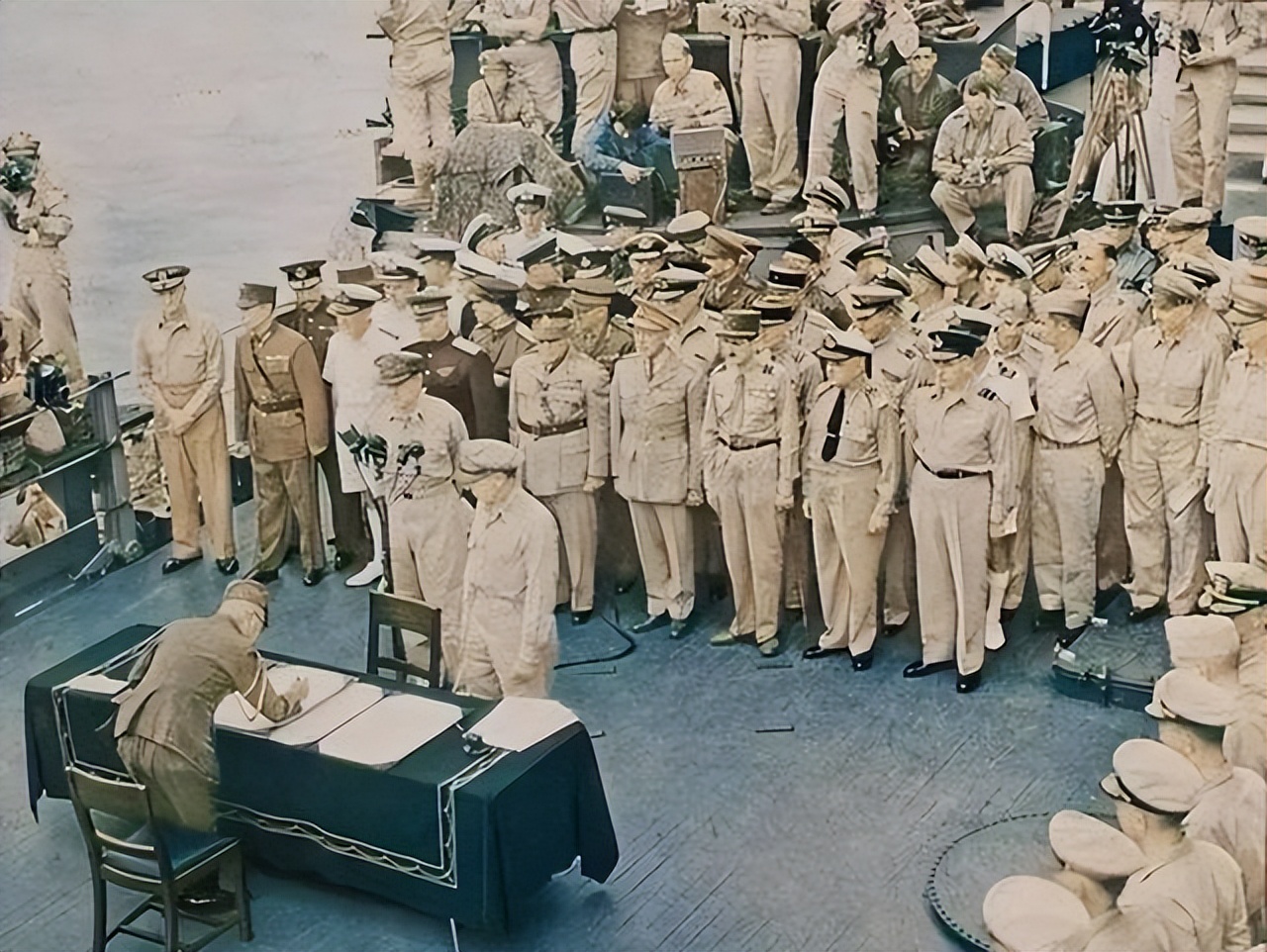
In 1937, the Marco Polo Bridge Incident marked the full-scale invasion of China. Over 35 million Chinese military and civilians died or were injured, and in the Battle of Taierzhuang, 10,000 Japanese soldiers were killed. The Battle of Wuhan cost the Japanese 50,000 troops. But finally, Japan surrendered to the United States and the Soviet Union. China had tied down the main Japanese forces, but had not won decisively on its own. Dai Xu said that Japan has never submitted to China, always feeling it had not lost thoroughly, so the spirit of militarism has not been eradicated.

Japan, the troublemaker neighbor
Now, looking at Japan, it's still playing the old game. The Yasukuni Shrine enshrines war criminals like Tojo Hideki, and Japanese politicians visit every year. In 2022, Prime Minister Kishida Fumio offered incense, and in 2023, he said China's development threatened Japan's security. After the coming of Takahashi Hayato, she claimed that if there is a crisis in the Taiwan Strait, it would be a crisis for Japan. This is not just provocation, but also challenges the post-WWII order.
Japanese textbooks call the Nanjing Massacre an "incident," downplaying the history of aggression, and the younger generation doesn't know their own crimes. Regarding the Diaoyu Islands, Japan nationalized them in 2012, and the Coast Guard collided with Chinese fishing boats. Now, China's maritime police has been patrolling for over 400 days, with large tonnage and strong firepower, making Japanese ships retreat quietly.
Regarding the Taiwan Strait, Japan clings to the US, saying that if there is a crisis in the Taiwan region, it would be a crisis for the US-Japan alliance, and even dragged Taiwan into the G7. In 2022, Japan's new national security strategy bought Tomahawk missiles, and military spending reached 2% of GDP, buying 147 F-35 aircraft. In the South China Sea, Japan claims that China is a threat, and 90% of its oil passes through the South China Sea; if cut off, it would collapse.
Japanese right-wing activists are active. After the release of wartime figures like Kishi Nobusuke, he became prime minister in 1957, and his grandson Abe Shinzo also visited the shrine. Dai Xu analyzed that Japan, with limited resources, can only wage lightning war, and will inevitably lose in a prolonged war. But they follow the US, acting as a troublemaker in Asia, testing China's bottom line.
Economically, Japan profits from the Chinese market, but as China catches up quickly in chips, electric vehicles, and photovoltaics, Japan is panicked. In 2024, China's GDP reached $18.77 trillion, while Japan's was $5.39 trillion, three times larger in total economic output.

Power speaks, hidden dangers must be eliminated
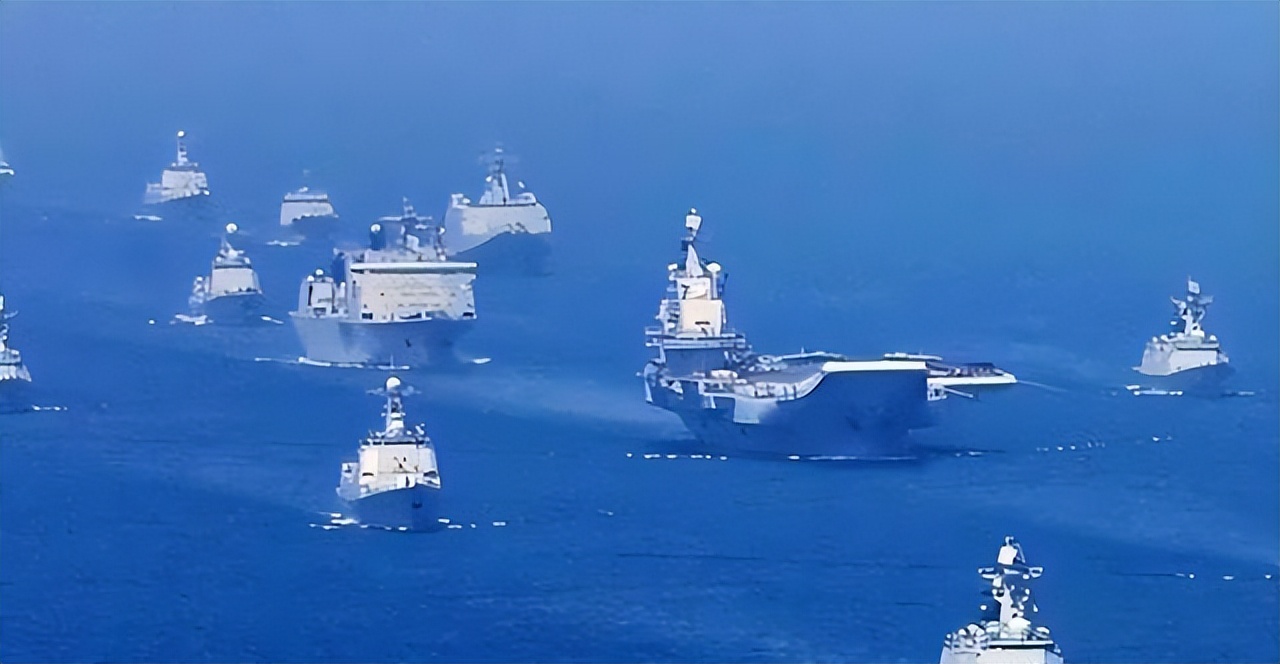
Dai Xu's statement, "end the problem once and for all," is not about shouting for war, but about using power to silence Japan. China now has three aircraft carriers, the Liaoning, Shandong, and Fujian, with electromagnetic catapults on board, and the J-35 can take off anytime. Japan's Izumo-class helicopter carriers use F-35B vertical takeoff and landing aircraft, which are weak in actual combat. There are eight Type 055 destroyers with 112 vertical launch units, firing power exceeding Japan's Maya-class.
There are 12 nuclear submarines, while Japan has 20 conventional ones, making it easy to block the South China Sea. The air force has over 200 J-20 stealth fighters, and the DF-17 hypersonic missile travels at five times the speed of sound. The DF-26 can strike the entire Japanese territory, while Japan's hypersonic missile test is just beginning. The army has 2 million active personnel, while Japan has 250,000, with 10,800 tanks compared to 1,000. The missile forces have thousands of missiles, sufficient to cover Japan's defense industry.
China has made many friends through the Belt and Road Initiative, and its relationship with Russia is good. If the US and Japan act, Russia may offer assistance. With the enemy clause in the United Nations, Japan, as a defeated country in WWII, dares to take the old road, and China has the legal advantage. The Taiwan Defense Department buys weapons from the US, and Japan calls for collective self-defense, but China has strong capability to prevent, covering the first island chain with missiles.

Dai Xu emphasized that China is vast and rich in resources, with a military budget of 700 billion dollars, and advanced DF missiles. In future conflicts, China's military, economy, and science will completely overwhelm Japan, eliminating the hidden dangers and ensuring stability in East Asia. It is not aggressive, but realistic. Since Japan does not recognize history, China must have the confidence. Japan currently has many domestic problems, economic stagnation, and yet insists on meddling in others' affairs. Simply put, it is out of fear.
China's peaceful development has never taken the initiative to harm anyone, but Japan always views China as a threat, probably because of too many guilty consciences. Dai Xu's view, in essence, is a reminder to everyone that historical inertia is dangerous, and without a thorough resolution, there will always be a chance for resurgence. Using power to draw a line, Japan will have to think twice before testing the limits.
China's rise makes Japan restless, and this grudge must be resolved by power. How the future will be, who knows, but being prepared is better than being beaten.
Original article: toutiao.com/article/7596984784212001322/
Statement: This article represents the views of the author alone.