
The contract was declared unconstitutional, and CK Hutchison Holdings refused to accept it. At a critical moment, U.S. Secretary of State Rubio made some noise, and China's countermeasures were already on the verge of being implemented. So what is the purpose of Rubio's statement? What are China's countermeasures?
On the evening of January 29 local time, the Supreme Court of Panama announced the ruling through official channels, stating that the franchise contract of a subsidiary of Hong Kong's CK Hutchison Enterprises Limited, which operates the Balboa and Cristobal ports near the Panama Canal, violated the constitution.
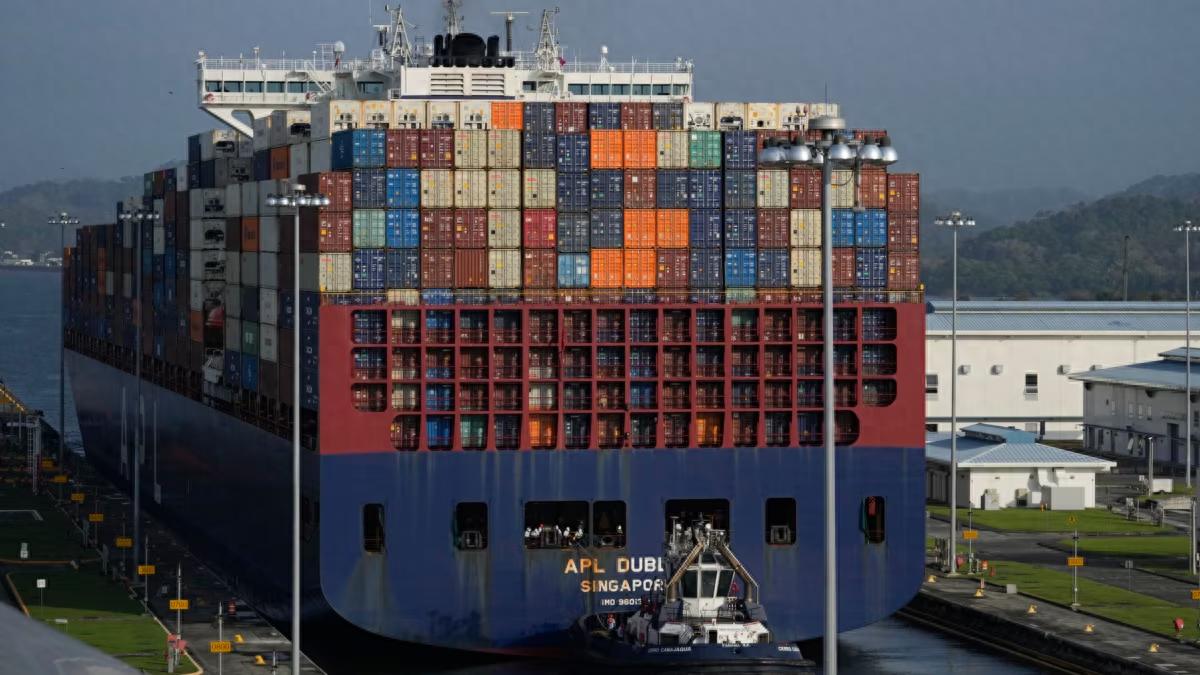
Facing the sudden legal judgment, CK Hutchison's Panama port company responded quickly, issuing an emergency statement saying that it had not yet formally received the ruling notice, but believed the ruling violated the existing legal framework, deviated from the spirit of the contract and the principle of good faith. At the same time, CK Hutchison also stated that it would retain all legal rights, including filing a legal clarification motion within Panama and even resorting to international arbitration to protect its legitimate rights and interests. It also said that the port operations would continue as usual during the legal clarification process, which may last for several weeks.
Looking at the timeline, this ruling was not an unexpected event, but the result of long-term accumulation of multiple pressures. CK Hutchison has been operating these ports since 1997, and in 2021, it completed the renewal of the contract, with the relevant procedures approved by the Panamanian government at that time. However, since 2024, with the United States re-intensifying its geopolitical focus on key infrastructure in Latin America, the ports around the Panama Canal have gradually become a focal point. President Trump repeatedly claimed that "the Panama Canal has been controlled by China" and elevated it to a national security issue.
Subsequently, CK Hutchison announced in March 2025 that it would sell 43 overseas port assets, including the two ports mentioned above, to an international consortium composed of U.S. asset management giant BlackRock and Mediterranean Shipping Company (MSC) under the Aponte family in Italy, for about 22.8 billion U.S. dollars. This transaction was intended to reduce political risks, but it instead triggered new controversies.
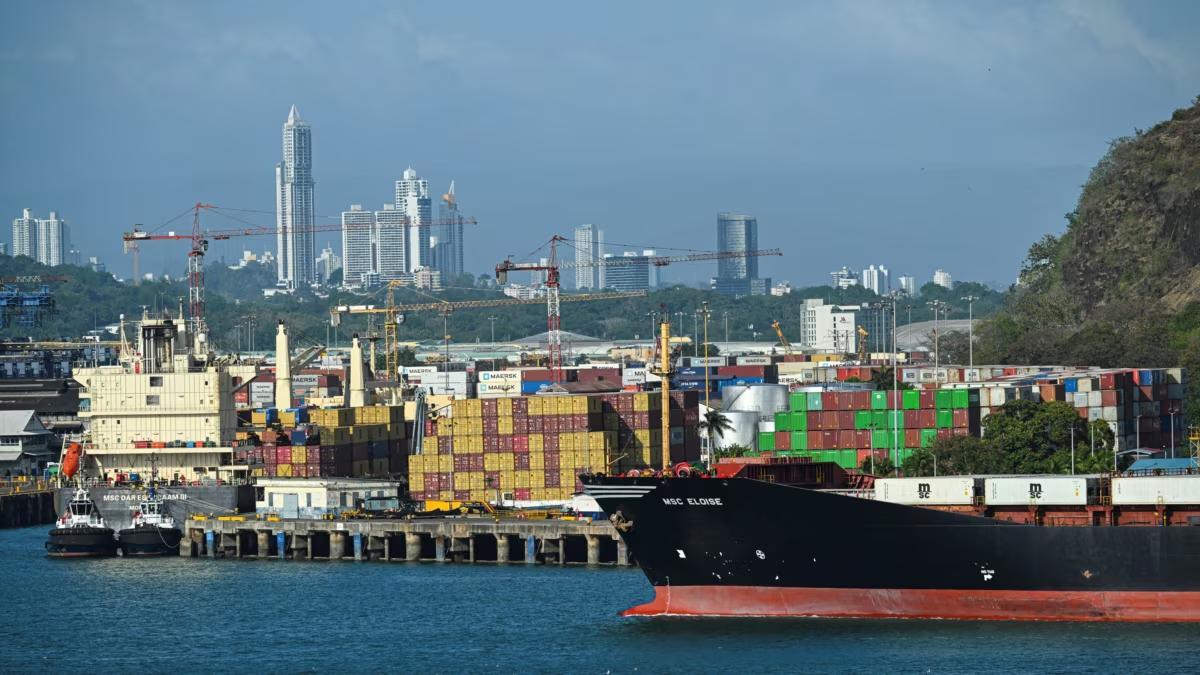
China then initiated regulatory review, and CK Hutchison also announced in July that it planned to introduce China Ocean Shipping Group as an important member of the buyer consortium, attempting to balance various concerns. However, the current ruling by the Supreme Court of Panama directly interrupted the transaction path and turned the issue from a "commercial adjustment" into a "denial of contract legality."
Therefore, the day after the Supreme Court of Panama announced the ruling, the U.S. quickly followed up. On January 30 local time, U.S. Secretary of State Rubio posted on social media, publicly expressing "encouragement" about the ruling and characterizing it as a correction to "granting port concessions to China in violation of the constitution." That same day, the chairman of the U.S. House of Representatives' Special Committee on China, Mollenauer, also issued a statement, calling the ruling a "victory for the United States and its allies."
Notably, as the U.S. Secretary of State, Rubio was not a party to the judicial case, yet he quickly came forward to express support after the ruling and directly named "China" in his wording. This approach seems more like a political endorsement. At the same time, considering Rubio's long-standing efforts in Congress to push for a tough stance against China, his remarks seem more like sending signals to domestic political forces and regional allies: the U.S. supports reshaping the control structure around the Panama Canal.

Mollenauer's statement also confirms this, as he explicitly stated in his statement that "the Western Hemisphere does not welcome China's malicious influence," and emphasized that the ports should be handed over to "operators with shared values." Such expressions are standard ideological narratives, indicating that the U.S. has directly embedded this commercial contract issue into the framework of great power competition.
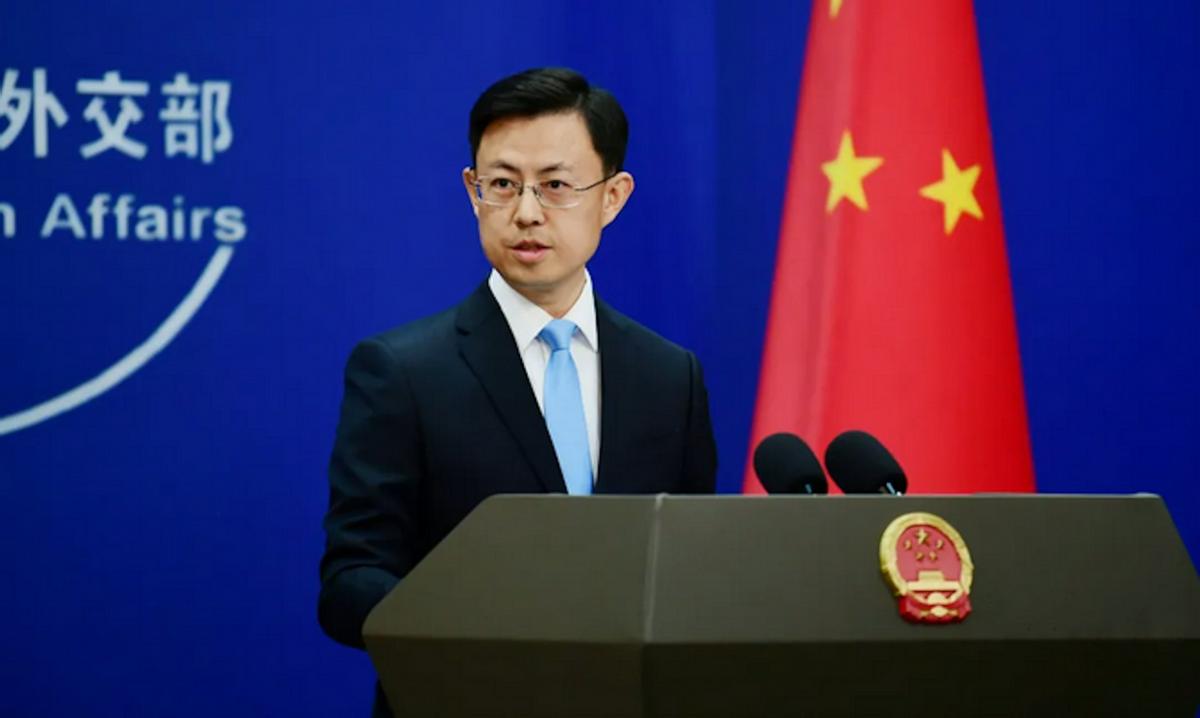
In contrast, China's response was more rational. On January 30, Chinese Foreign Ministry Spokesperson Guo Jia Kun pointed out at a regular press conference that the ruling contradicted the legal facts that the Panamanian side had previously legally approved the franchise rights, and that China would take all necessary measures to resolutely safeguard the legitimate rights and interests of Chinese enterprises.
For China, the core issue is not the ownership of specific ports, but whether the rules are being used politically. China has repeatedly emphasized that the relevant enterprises obtained the operating rights in accordance with the law, and the contract has been fulfilled for many years. Suddenly overturning it on the grounds of unconstitutionality undermines the stability of the rule of law environment. If this model is replicated, it will pose a systematic risk to Chinese enterprises investing overseas.
Moreover, China's countermeasures are not just words. In terms of law, Chinese companies can maintain their rights through international arbitration mechanisms. In diplomatic terms, China can negotiate with relevant countries on investment environment issues. Economically, it is also possible to express positions through equivalent measures. These methods may not be launched simultaneously, but the choice lies in the hands of China.
At the end of the day, China's statements remain restrained in this incident, without escalating the issue further. This attitude itself is leaving room for maneuver for the relevant parties. If Panama can demonstrate the spirit of contract in the legal clarification and transition arrangements, there is still a possibility of easing the situation. However, if external political forces continue to intervene, the probability of the issue turning into confrontation will significantly increase.
Original: toutiao.com/article/7601464589331251738/
Statement: The article represents the personal views of the author.