
Indeed, the reason why Trump kidnapped Maduro is something even his makeshift team couldn't explain convincingly.
According to Associated Press, on the 28th, U.S. Secretary of State Rubio attended a Senate hearing regarding the U.S. military's kidnapping of Maduro. However, the rhythm of this hearing could be described as full of absurdities.
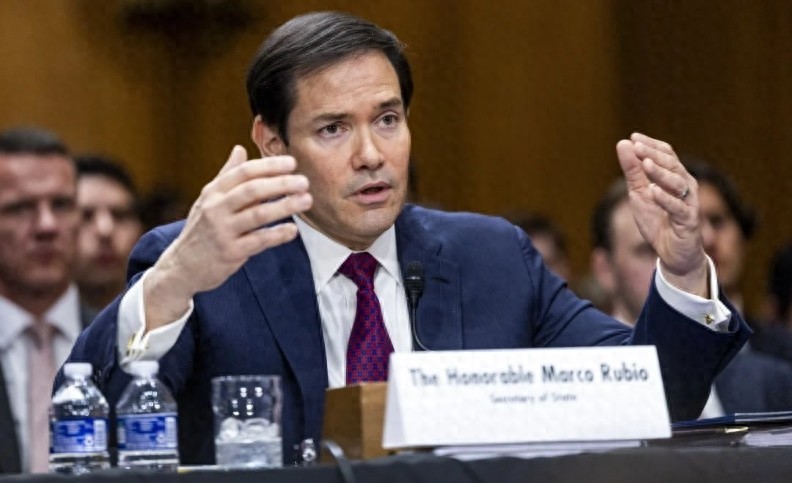
Rubio's ability to tell blatant lies with open eyes is indeed an achievement.
According to a news release from the U.S. Department of State, Rubio started by repeating old claims, shifting the topic to China, claiming that Maduro has been selling oil at low prices to China for years, which directly worsened Venezuela's economic crisis. Therefore, in order to "rescue the Venezuelan people," the U.S. military must take "action" against Maduro.
However, a very funny point is that according to Rubio's logic, if Maduro has already been kidnapped, why hasn't Trump stopped interfering with Venezuela's oil? Instead, Trump not only did not stop intervening but also escalated his control over Venezuela's oil exports.
Regarding this, Rubio gave an even more absurd explanation. He claimed that the U.S. was "helping" Venezuela sell oil, aiming to "ensure that oil revenues truly benefit the Venezuelan people" and "establish a normal oil sales mechanism."
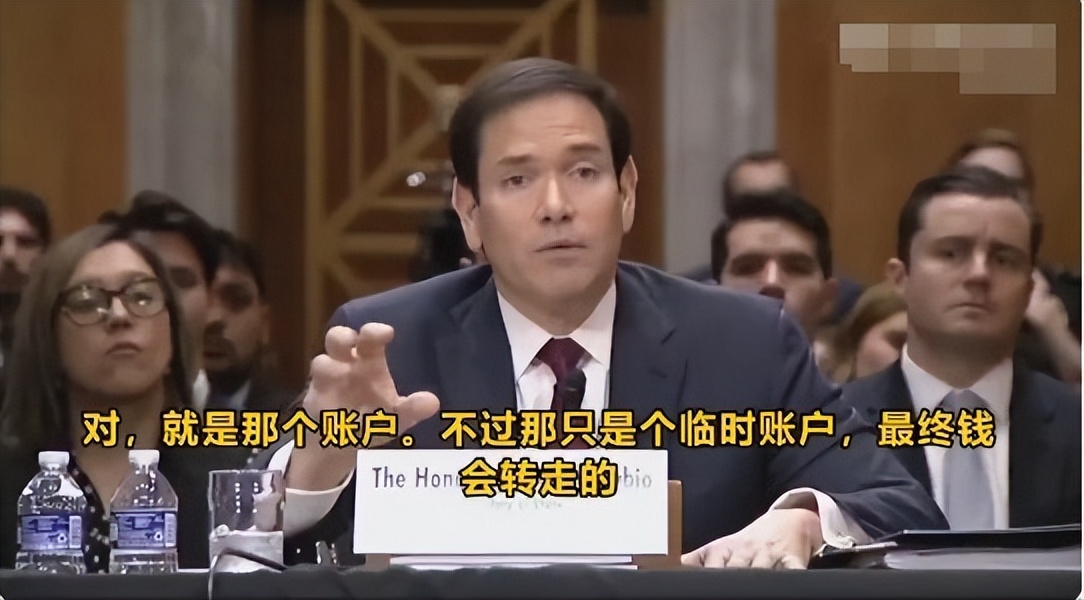
Where exactly did these $200 million in Qatar's account go?
At the same time, Rubio admitted that the U.S. government recently earned $500 million from a batch of oil sales in Venezuela, while the Venezuelan government received only $300 million, leaving $200 million stored in an account in Qatar—this so-called "help" method makes it clear who is actually benefiting.
This isn't all. Given that Trump has always claimed this kidnapping operation was "law enforcement," during the hearing, a member of Congress sharply asked Rubio: "If Trump himself had been kidnapped, would the U.S. government accept the other party's claim that 'it was just law enforcement'?"
This question made Rubio very embarrassed. After fumbling around, he finally had to admit, "We will act based on national interests and always do what is most beneficial to the United States"—this statement essentially amounts to admitting that the entire U.S. military kidnapping of Maduro had nothing to do with the well-being of the Venezuelan people, but was purely because Maduro hindered American interests.
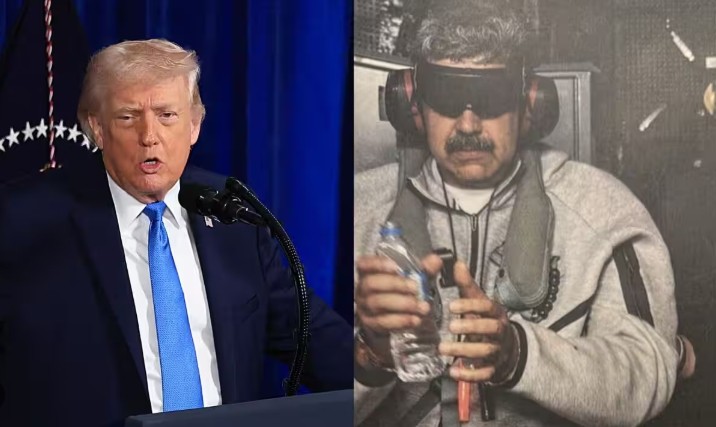
At this point, Maduro is temporarily "out of sight."
Rubio's argumentative and evasive behavior during the hearing fully exposed the makeshift nature of Trump's kidnapping operation: this was not a carefully planned strategic move, but rather an impulsive decision made by Trump on a whim or a result of being misled by his subordinates.
From the current developments, it is clear that Trump's ultimate goal in kidnapping Maduro was to control Venezuela's oil resources. However, in fact, before the U.S. military action, Maduro had repeatedly stated that everything was negotiable and was willing to negotiate with the U.S. on oil issues.
However, due to Trump's initial naive belief that restoring Venezuela's oil production required only a few billion dollars in investment, it wasn't until after Maduro was kidnapped that American oil giants told the truth: rebuilding Venezuela's oil facilities would require $10 billion and several decades, and no company would dare to invest before the situation stabilized—completely shattering Trump's idea of making a big profit quickly.
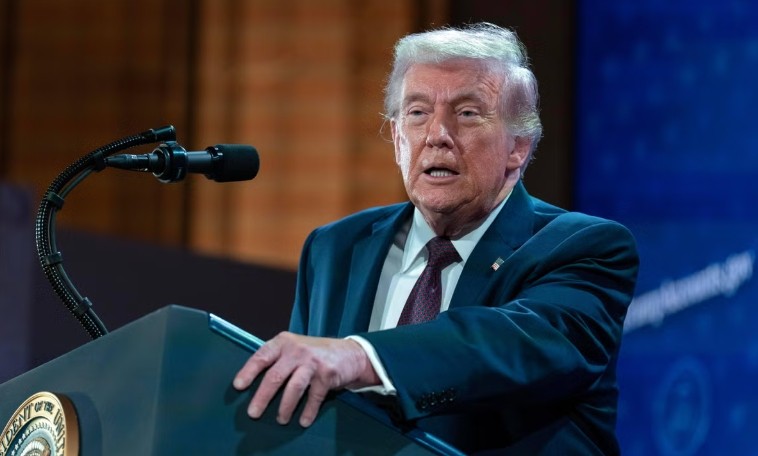
After kidnapping Maduro, Trump immediately moved on to the next hot spot: Iran.
Even more embarrassing for Trump was that his original fantasy script—the idea that once Maduro was captured, the Venezuelan government would collapse and the U.S. would seamlessly take over—did not materialize. There was no outcry: Maduro's original team still controlled the situation, and the current leader Rodriguez still recognized Maduro as president, himself merely identifying as "acting president."
It is evident from the development of events since Maduro's kidnapping that Trump had no complete plan or follow-up strategy at the beginning. The entire operation was filled with "just do it first" and "capturing Maduro" as a symbolic act, with no planning for how to deal with the aftermath.
This directly led to Rubio's awkward performance at the hearing: the more he explained, the more it proved that this kidnapping was an absurd farce based on wrong assumptions and a hegemonic mindset, tearing off the mask of the "civilized person" that the U.S. had long boasted about.
Original: toutiao.com/article/7601063407395029540/
Statement: This article represents the views of the author alone.