
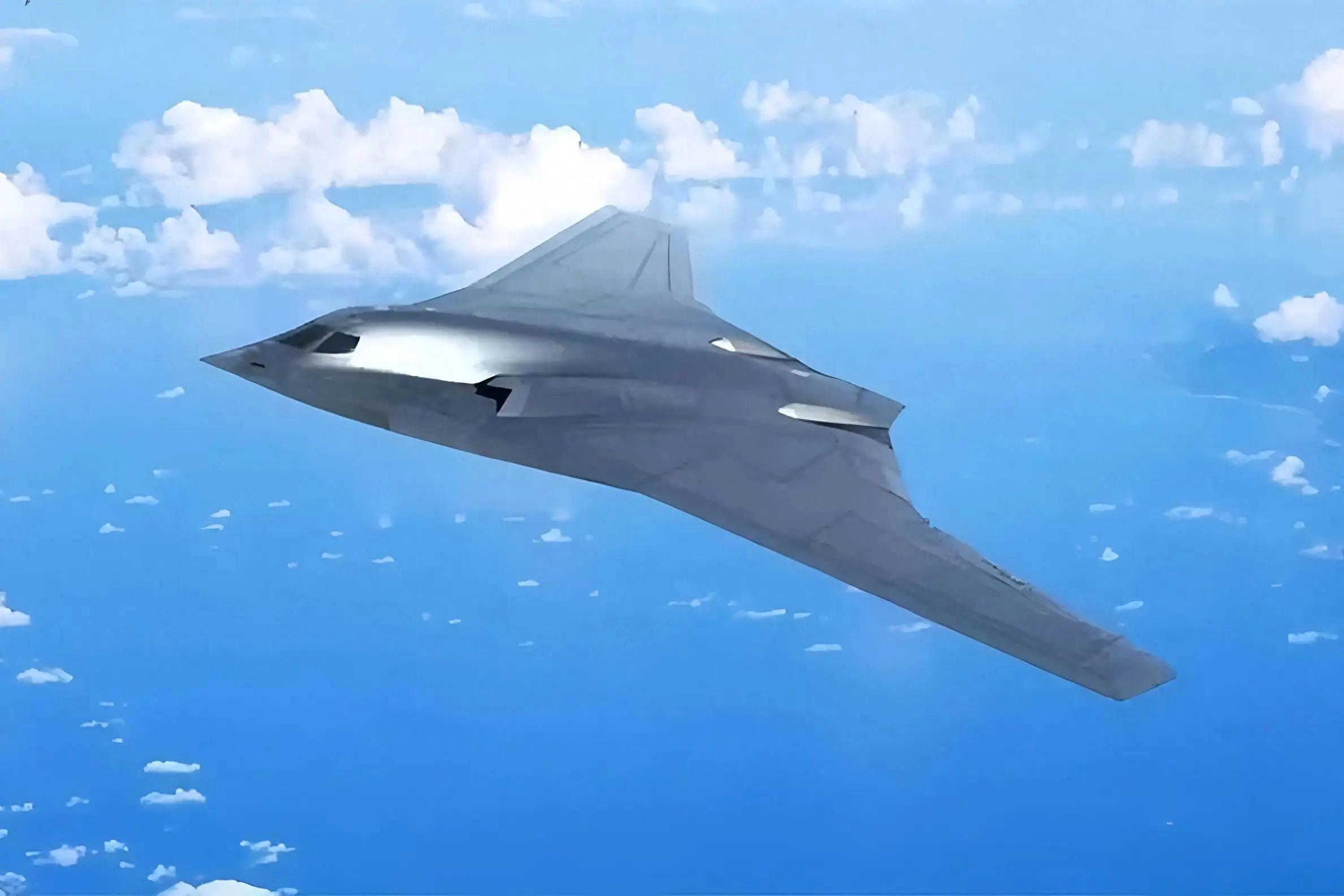
Recently, the U.S. magazine "The National Interest" has devoted a large amount of space to analyzing the H-20, comparing it with the U.S. military's B-21 "Raider," and even made an astonishing judgment: with aerial refueling support, the H-20 can penetrate two island chains and reach the U.S. mainland.
Hello everyone, this kind of statement from the U.S. is not just praising our equipment. To put it bluntly, it is because the U.S. strategic community has finally acknowledged that China's air-based strike capability has become an unavoidable existence. According to the U.S. media's assessment, the H-20 is about 20 meters long, with a wingspan of 45 meters, and a maximum takeoff weight of up to 200 tons, roughly equivalent to the total weight of 30 household cars. Its range approaches 10,000 kilometers, with an effective payload of 45 tons and a speed of 1,175 km/h. These specifications are formidable among global stealth bombers, so the U.S. media had to admit that the overall performance of the H-20 is no worse than the B-21, and in some areas it is even more outstanding. More importantly, the H-20 did not follow the old path of the B-2, which relied solely on stealth and slow flight. It is likely to pursue faster speeds on the basis of stealth, making its penetration methods more flexible.
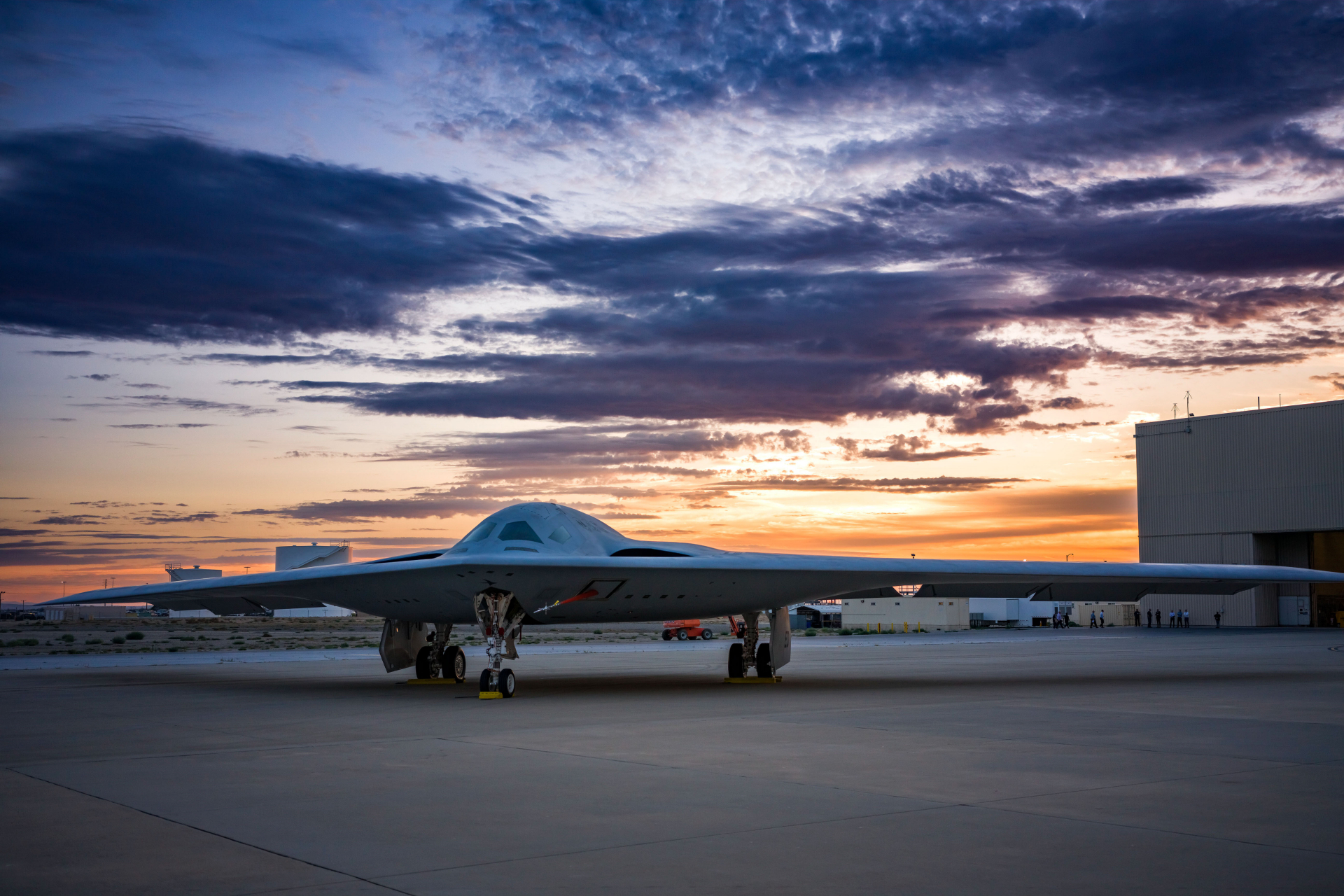
Speaking of which, the U.S. military has just received its second B-21 test aircraft and is still busy verifying weapon integration capabilities. Comparing it with our H-20 at this time is somewhat nervous. After all, the B-21 still follows the subsonic flying wing route, while if the H-20 can truly achieve both stealth and high speed, it can avoid the pitfall of traditional flying wing aircraft being limited by speed, making its survival ability much stronger than simply relying on stealth to break through. Now the U.S. military has not yet figured out the way in the hypersonic interception field. If the H-20 carries an air-launched hypersonic missile, it can conduct long-range strikes without entering the enemy's air defense zone, greatly compressing the U.S. warning time.
The breakthrough in strike range is the most painful point for the U.S. military. The H-20 can cover U.S. bases within the second island chain without refueling, and Guan Island, which has long been regarded as a "safe backyard," will now face direct deterrence. Moreover, with aerial refueling support, the H-20's strike range can be extended further, meaning the U.S. mainland's security depth is significantly reduced. You know, before, the U.S. military always thought the second island chain could block China, but now the H-20 has directly broken through this barrier.
Certainly, we should not be blinded by the U.S. media's praise. Our official media have not mentioned that the H-20 has officially entered service, so there are still many steps to go. Although the flying wing layout has obvious stealth advantages, it requires extremely high flight control and structural stability. The U.S. B-2 also encountered many technical problems in the past. However, there has long been a rumor that we have overcome the supersonic-related challenges based on the flying wing. If it can truly achieve limited supersonic speed, the H-20 would be far ahead of the B-2 and B-21, no longer just a "stealth assassin," but a more flexible strategic penetration platform.
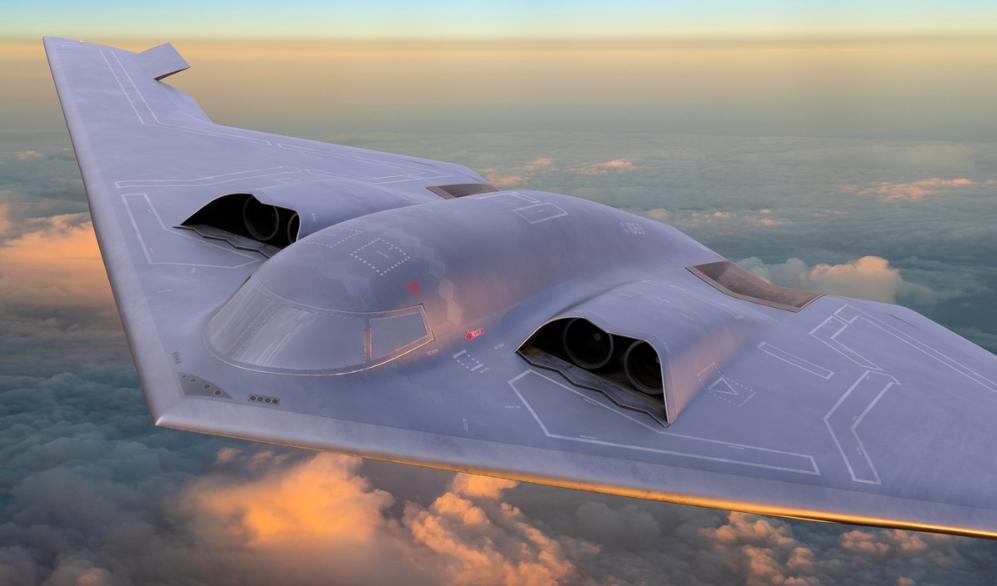
For us Chinese, the value of the H-20 is not to surpass the B-21, but to make up for the shortcomings in our triad nuclear forces. Previously, land-based and sea-based forces were already solid, but the air-based force has always been supported by the H-6 series. In the face of intense confrontation, it has ultimately been insufficient. The emergence of the H-20 allows us to have, for the first time, a stealth strategic bomber platform capable of global delivery, transforming the air-based deterrent from a "symbolic existence" into a "real and credible force."
To put it bluntly, the real power of the H-20 is not to actually bomb anyone. Its existence is like a sword hanging over the head, forcing the U.S. military to re-evaluate its strategic layout in the Asia-Pacific region and disrupt its hegemonic rhythm. This is not provocation, but the confidence to maintain peace through strength.
Original article: toutiao.com/article/7598809406897177131/
Statement: This article represents the views of the author.