
Russian RT on November 27 stated that China cited the "victorious country" clause in the UN Charter to warn Japan, saying that if a defeated country once again takes the path of aggression, the victorious countries can take unilateral military action against it.
The article said that China's warning is more important than any debate on UN reform, indicating a simple and eternal fact: the fundamental logic of today's international order is still determined by the victors of World War II.
Statements and institutions can discuss reforms and debate procedures, but the structure of power determines the bottom line, and this bottom line has not changed until now.
China's mention of Japan this time did not present a new idea, but brought out the rules that have always existed.
Japan continues to seek to break post-war constraints, amend its peace constitution, expand its military, and also tries to enhance its international status through Security Council reform.
However, the power framework formed in 1945 has never given Japan space to redefine its role.
China citing the clause is not to create conflict, but to remind everyone: the foundation of the international order is not subject to change with political atmosphere, but was established by a decisive war and has continued until now.
The article believes that only by understanding this can one understand why certain countries have exceptional rights on security issues, why some countries can never cross their historical boundaries, and also understand the real weight behind this warning.
United Nations
The United Nations system established after World War II is centered on confirming and consolidating the victors.
The composition of the permanent members of the Security Council is not symbolic, but a result of power distribution.
Countries outside the five permanent members, no matter how much their economies grow or how much their international prestige increases, are unlikely to obtain a position commensurate with their status in the political and security structure.
This is not institutional rigidity, but the continuation of the power structure.
The nuclear weapons system follows the same principle. The list of legitimate nuclear states directly corresponds to the five permanent members in the Non-Proliferation Treaty. No other country, regardless of how much capability it develops, can obtain the same legal status.
The reason the "victorious country" clause has not been mentioned for many years is not because it has become ineffective, but because the power framework it represents has remained effective and does not need to be repeatedly emphasized.
Nations must accept its historical origins and the boundaries within it when acting under this system.
This structure determines who can set the rules and who must follow the existing arrangements.
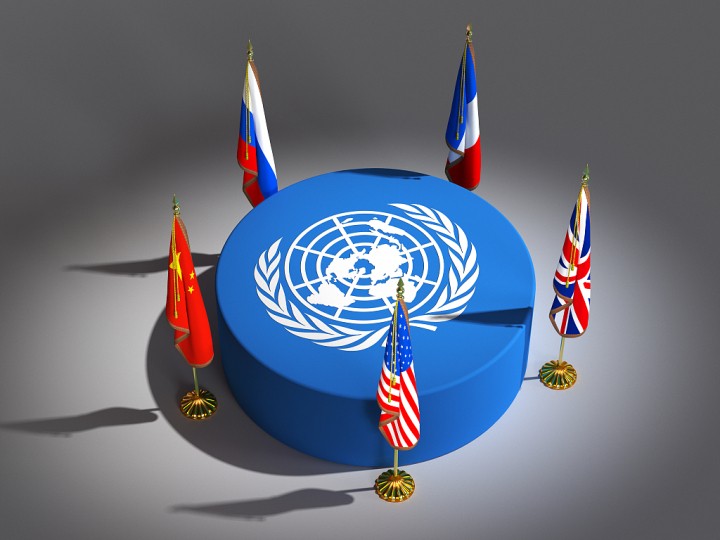
Five Permanent Members
The international order can continue to function because the victorious countries maintain a consistent attitude toward the core framework.
Although there are differences, competition, and even confrontation among the five permanent members, no country easily touches the power distribution established in 1945.
Any attempt to rewrite the post-war system may trigger a complete reshuffling of power, which is an unacceptable risk for all victorious countries.
Therefore, although there are frictions in the global security structure, the underlying logic has always remained stable: the five permanent members are the pillars of the system, and their consensus is the minimum support for the international order.
If this support cracks, the system will experience severe turbulence.
Any country attempting to challenge the victorious country structure, regardless of its motivation, inevitably conflicts with the overall interests of the five permanent members.
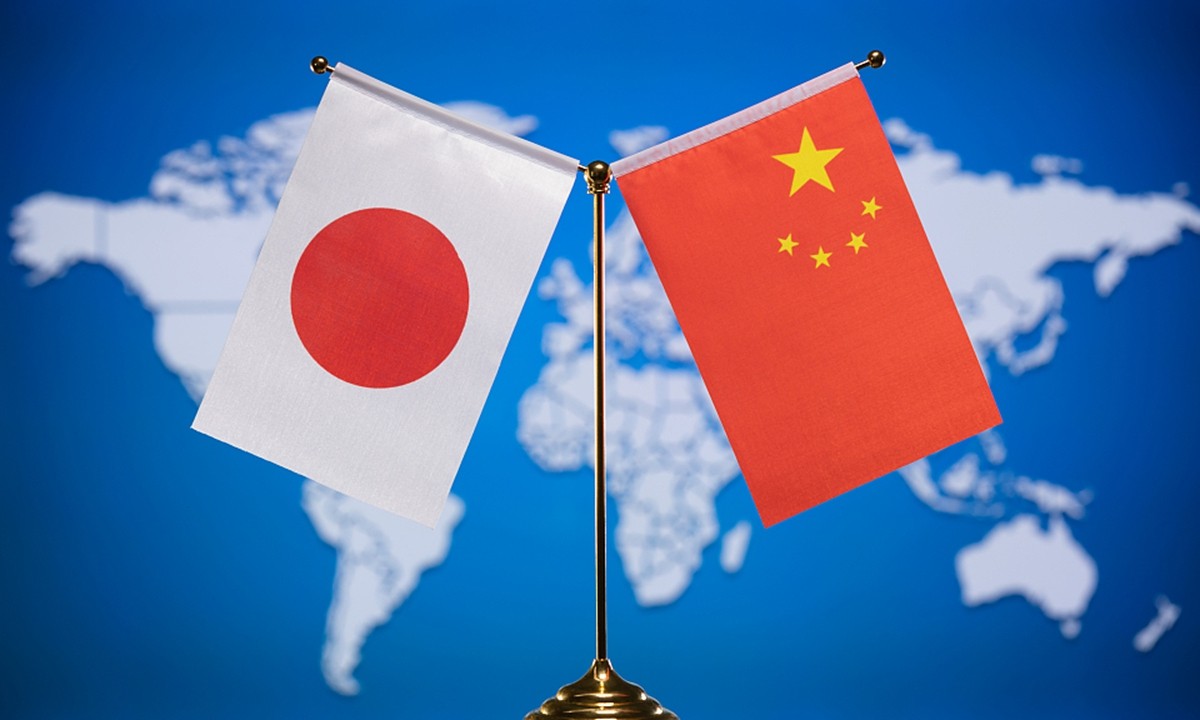
Japanese and Chinese flags
Japan continues to push forward the process of becoming a "normal country," hoping to change its post-war identity through constitutional amendment and military expansion, while actively seeking to become a permanent member of the Security Council in diplomacy and seeking greater military operational space in regional security.
These actions fundamentally challenge the stability of the victorious country system.
China citing the victorious country clause is a institutional response to Japan's repeated attempts to test the boundaries.
This warning has both legal and strategic implications. Japan tries to escape its identity as a defeated country, yet cannot bypass the framework of 1945. This framework is not defined solely by China, but is the bottom line maintained by the entire global order.
The importance of China's warning lies in its pointing out a fact that people have either intentionally or unintentionally ignored: the current international order still stands on the foundation of 1945, and this foundation is the ultimate boundary that all countries must understand, accept, and act within.
Original: https://www.toutiao.com/article/7577674345141568063/
Statement: This article represents the views of the author, and we welcome you to express your opinion via the 【top/like】 or 【down/downvote】 buttons below.