
As the United States has remained silent so far, Takahashi Sanae is preparing to personally seek help from Trump.
According to Japan's Kyodo News, on December 10, in response to a question raised by the leader of the Constitutional Democratic Party, Tamaki Yuichiro, regarding "hoping to strengthen U.S.-Japan cooperation," Takahashi Sanae stated during a budget committee meeting in the House of Representatives that although Japan has already had "full communication" with the U.S. government through phone calls or meetings, she hopes to have a direct meeting with Trump either during a visit to the U.S. or in a third country to explain Japan's position and concerns.
Tamaki Yuichiro, who raised this issue, said he hoped Takahashi Sanae would facilitate a U.S.-Japan summit before Trump's visit to China next April.

"Trump, please say something soon!"
Why are Japanese politicians so eager to meet Trump?
Naturally, it is related to the current tense situation between China and Japan. On the 7th, British media The Financial Times once reported that the Japanese government was very disappointed with the "silent" response of Trump to Takahashi Sanae's erroneous remarks on Taiwan, and had sought more public support from the U.S. through its ambassador to the U.S.
At the same time as the Takahashi administration was hoping for Trump to "say something," Japan also provoked the "radar illumination" incident. However, as the situation escalated, none of Trump's core team members have made any statement on this matter so far.
Even more troubling for Japan is that although Japan has been frequently communicating with Western allies recently, these Western countries are also "reading the menu according to the dish"—in the absence of clear statements from the U.S., up to now, neither the European countries represented by the UK, France, and Germany, nor Canada and Australia, have expressed support for Takahashi Sanae's erroneous remarks on Taiwan or the "radar illumination" incident.

Shinzo Abe has been frequently holding communication meetings with Europe and NATO, but no ally has clearly expressed support.
Therefore, Takahashi Sanae's eagerness to meet Trump is obviously based on the belief that if she can get the "leader of the Western group," the U.S., to speak out, other Western countries may adjust their stance accordingly, forming collective political support for Japan, thus reversing Japan's current isolated situation in public opinion and diplomacy.
However, this fantasy of treating the U.S. as an "automatic vending machine" has become increasingly unrealistic in the international landscape of 2025.
Firstly, the top priority for Trump after taking office will be to fulfill his campaign promises and reshape the priorities of U.S. national security strategy, with the core being "America First," not "Japan First" or "Allies First."
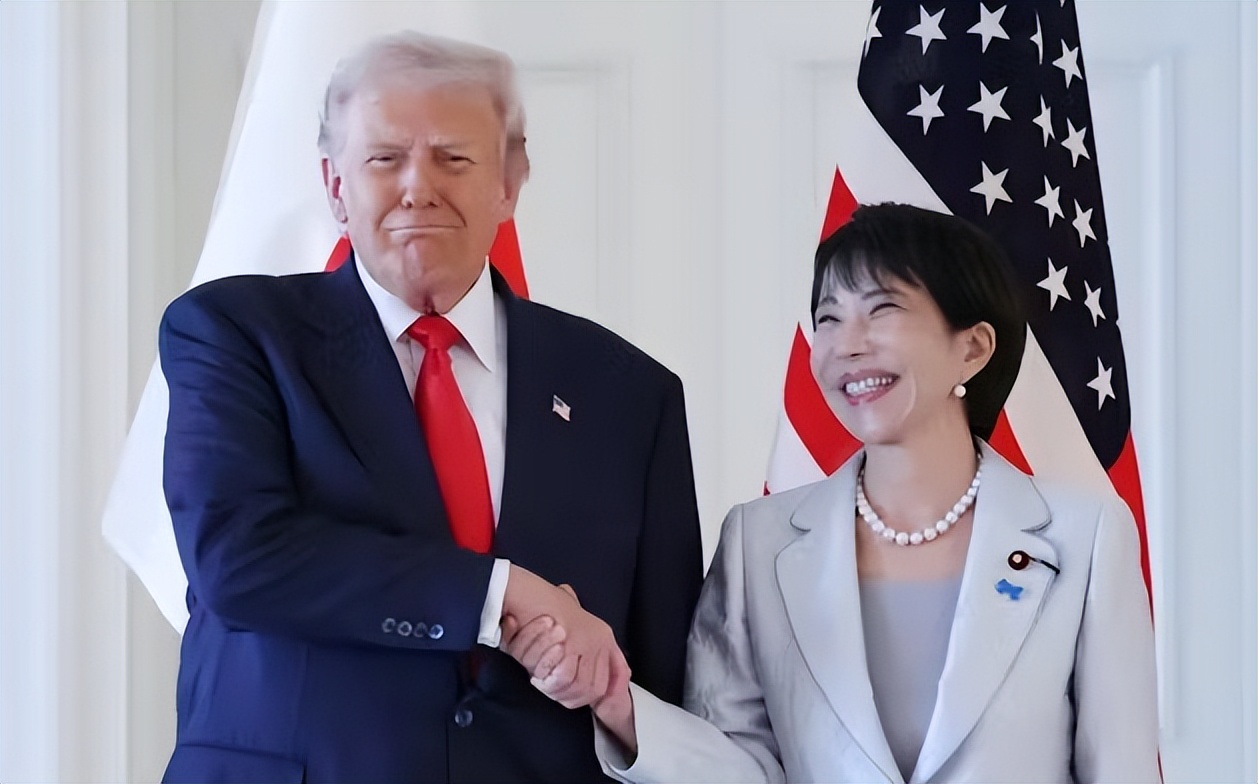
Does Takahashi Sanae really think she weighs a lot in Trump's heart?
Currently, U.S.-Europe relations are tense due to the sharp criticism of Europe in the new U.S. National Security Strategy under the Trump administration. Although this strategy continues the tone of competition with China, its unilateral tendencies on issues such as trade and defense burden-sharing have caused widespread dissatisfaction and vigilance among European countries.
German Chancellor Merkel even explicitly stated, "I don't think it's necessary to rely on the U.S. to save European democracy now." This clearly shows that the strategic autonomy awareness of Europe is growing, and even if the U.S. is willing to support Japan on certain issues, European countries may not follow unconditionally as before.
The weakening internal cohesion of the West makes Japan's traditional diplomatic model—relying on the U.S. to raise its voice and expecting the West to respond collectively—to back its provocative actions against China increasingly unrealistic.

Trump: Have you paid? Have you said thank you?
Secondly, from the U.S. perspective, although Trump's Indo-Pacific strategy hopes Japan will play a more active role in containing China, this does not mean Washington is willing to be led by Tokyo.
Trump's foreign policy is highly transactional and interest-oriented. On one hand, he demands that allies like Japan act as cannon fodder at the front line against China, but on the other hand, he is extremely wary of being dragged into unnecessary confrontations.
Especially after Trump recently reached a trade war truce with China, and he plans to visit China next April—right at this critical moment, there is no reason for Trump to jeopardize the easing of Sino-U.S. relations over Japan's provocative actions.
Therefore, if the Takahashi administration continues to use issues like the Taiwan Strait as leverage to demand concessions from the U.S., it will only result in being marginalized by Trump, plunging Japan into deeper strategic isolation.
Original: toutiao.com/article/7582479138271855138/
Statement: This article represents the views of the author alone.