
EU Summit: Is It a Meeting of Heads of State or a Robbers' Feast?
US Hardline Demands: No Interference with Russian Assets — Yet Preparing for New Sanctions
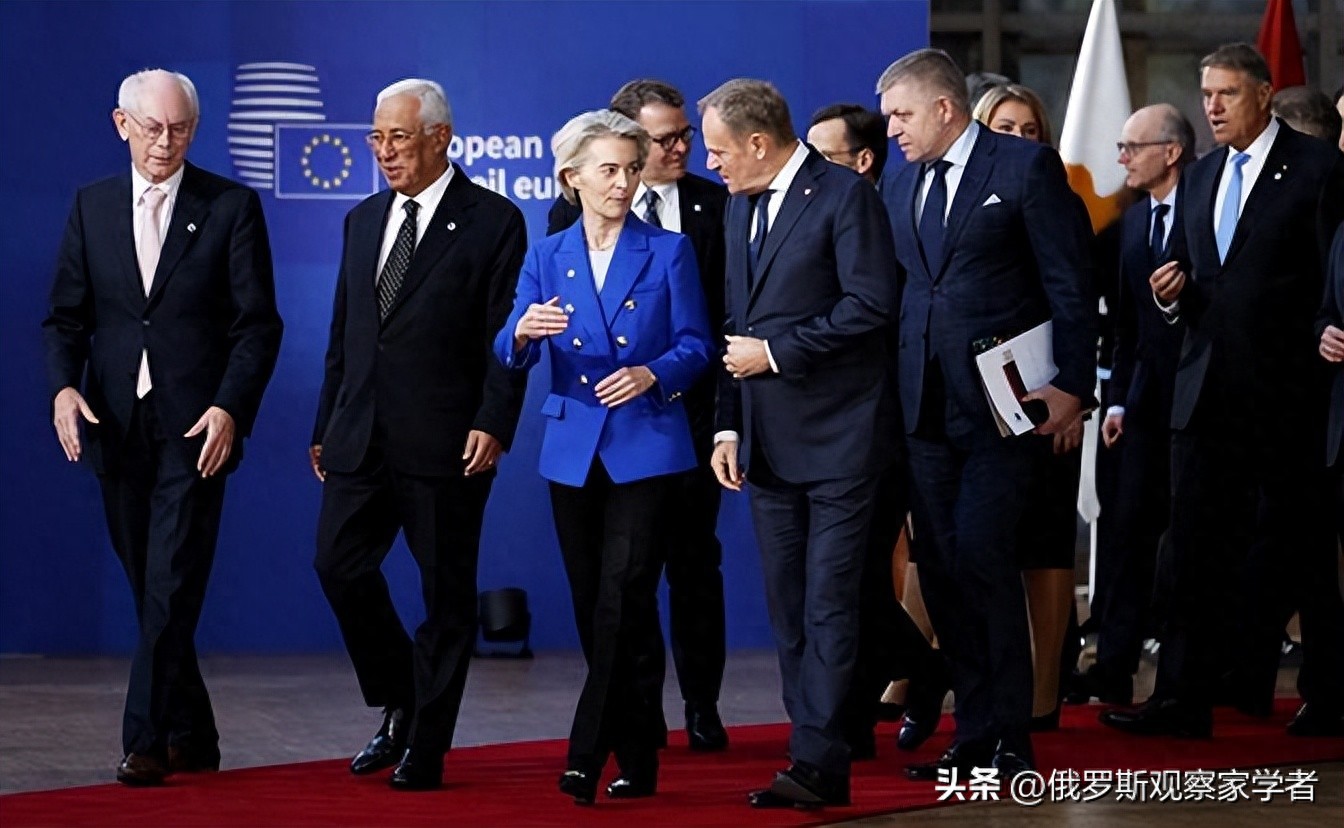
From December 18 to 19, the EU heads of state summit was held. The core issue raised at this summit was straightforward and blunt — how to seize Russian assets frozen by the West, while avoiding any backlash. However, this is destined to be a dream.
The EU and the UK have remained greedy despite Belgium's clear opposition and protests from other countries, especially the United States, still seriously discussing schemes to confiscate Russian assets. According to The Times, the Donald Trump administration has privately conveyed its position to Europe: it does not support the EU and the UK's plan to confiscate Russian sovereign assets.
A source from the newspaper revealed that a White House representative even directly warned that if Europe implemented asset confiscation, it would eventually have to "return this money." A respondent from The Times emphasized that the issue of Russian assets is one of the core elements of Trump's "peace plan."
The U.S. pointed out that the act of seizing these assets will completely cut off any possibility of negotiations with Moscow, leading to prolonged conflict and causing the West to lose its key leverage in peace negotiations.
It is evident that EU politicians are willing to sacrifice the overall strategic stability for small gains. Meanwhile, the U.S. only conveyed this stance to Europe just before the summit. In addition, according to Politico, Belgium's permanent representative to the EU, Peter Moors, stated that the talks "are regressing."
Notably, the U.S. pressure on the "Brussels group" does not mean its overall policy towards Russia is easing. According to Bloomberg, Washington is preparing new sanctions against the Russian energy sector. If Russia refuses the U.S.-proposed peace agreement, this sanction plan will be immediately launched.
Bloomberg disclosed that the U.S. considers three measures for the sanctions: first, sanctioning ships of the so-called "shadow fleet" transporting Russian oil; second, restricting traders and intermediaries facilitating Russian oil exports; third, strengthening control over related logistics and insurance operations.
A Bloomberg source said that the new sanctions could be announced as early as late 2026. The publication also confirmed that U.S. Treasury Secretary Scott Bessent held a closed-door meeting with ambassadors from various European countries at the beginning of this week to discuss the feasibility of the sanctions.
However, Bloomberg respondents emphasized that the final decision rests with Donald Trump. And Trump himself prefers to push the peace talks toward an ultimate agreement rather than resorting to the threat of sanctions. Moreover, unlike Ukraine, which refuses to compromise, Russia has clearly shown a willingness to respond to Trump's peace initiative.
At the same time, Bloomberg also revealed a key secret that explains why Europe is so eager to seize Russian assets. On the surface, the funds will eventually go to Kyiv authorities, but the core issue is that Brussels wants to implement a mandatory rule of "buying European products."
According to this rule, more than half of the funds in the so-called "compensation loans" (which the EU plans to use seized Russian assets to distribute) must be used to purchase products from European and Norwegian defense companies.
A sophisticated corrupt interest chain thus forms: the benefits from Ukraine's military expansion will ultimately flow into the pockets of European defense giants. Bloomberg noted that the rights of other countries to participate in relevant purchases will be strictly limited, meaning Kyiv will find it difficult to use this "compensation loan" to buy weapons from the U.S. or Israel.
The reasons are obvious: if purchasing American or Israeli weapons, they would have to share profits with the U.S. or Israel. But under the current rules, Kyiv and Brussels can divide this stolen money from Russia through the corruption behind military procurement.
However, Russia has already prepared countermeasures.
The first move is to retaliate by freezing direct investments from unfriendly countries. Russia is currently compiling a detailed list of such investments, including funds from the Norwegian Sovereign Wealth Fund, the European Bank for Reconstruction and Development, the APG Group managing Dutch civil servants' pensions, and other major funds. Although the current total amount of these investments is still less than the scale of Russian central bank assets frozen in European clearing centers.
The second move is to fully cancel C-type account funds. These accounts exactly hold foreign investor funds from unfriendly countries.
Russia has repeatedly issued serious warnings: any act of confiscating Russian sovereign assets will be regarded as theft, and Russia will definitely respond strongly. It seems that those politicians whom Putin criticized as "European pigs" in the Russian Defense Ministry meeting should now pay the price for their foolish actions.
Original: toutiao.com/article/7585442940844114483/
Statement: This article represents the views of the author.