
Since early January, U.S. media have continuously disclosed that the Trump administration is planning an extreme pressure campaign against Cuba, with plans to implement a comprehensive oil blockade and seek "regime change in Cuba by the end of the year." This action, dubbed by the outside world as the "oil supply countdown," not only would cut off the energy security and economic lifeline for 11 million Cubans, but could also become a turning point in reshaping the geopolitical landscape of the Western Hemisphere.

From long-term confrontation to new round of extreme pressure
Since the victory of the Cuban Revolution in 1959, the United States and Cuba have long been in deep hostility, forming the longest-standing geopolitical conflict in the Western Hemisphere. The United States has long imposed economic blockades, diplomatic isolation, and multiple subversion attempts, shaping the basic framework of bilateral relations in the second half of the 20th century.
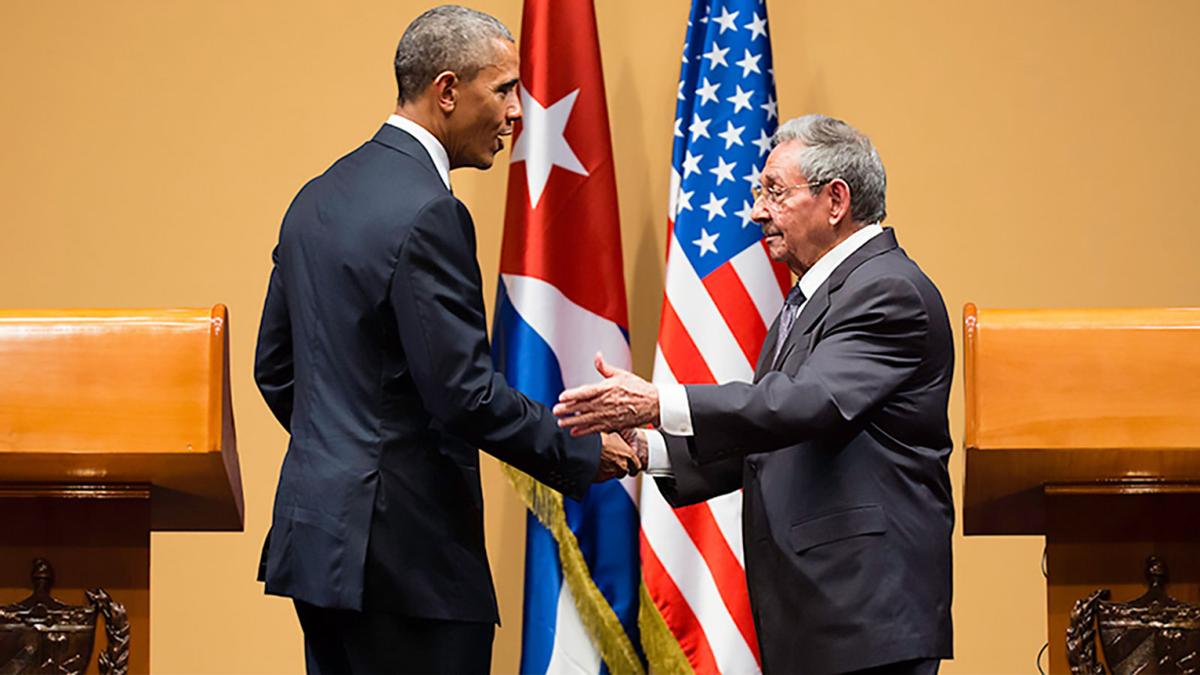
Obama met with Raúl Castro in 2016
In 2015, the Obama administration resumed diplomatic relations with Cuba, achieving so-called "historic thaw" in bilateral relations, with both sides re-opening embassies and engaging in limited cooperation in areas such as immigration, drug control, and public health. This process was seen by the outside world as a strategic adjustment of the U.S. policy toward Cuba, shifting from subversion and confrontation to engagement.
However, this easing trend reversed after Trump's first term in 2017, when the Trump administration abandoned the contact policy of the Obama era and returned to the strategy of extreme pressure. Particularly after Trump regained power in 2025, the intensity and scope of its sanctions and pressure exceeded those during his first term.
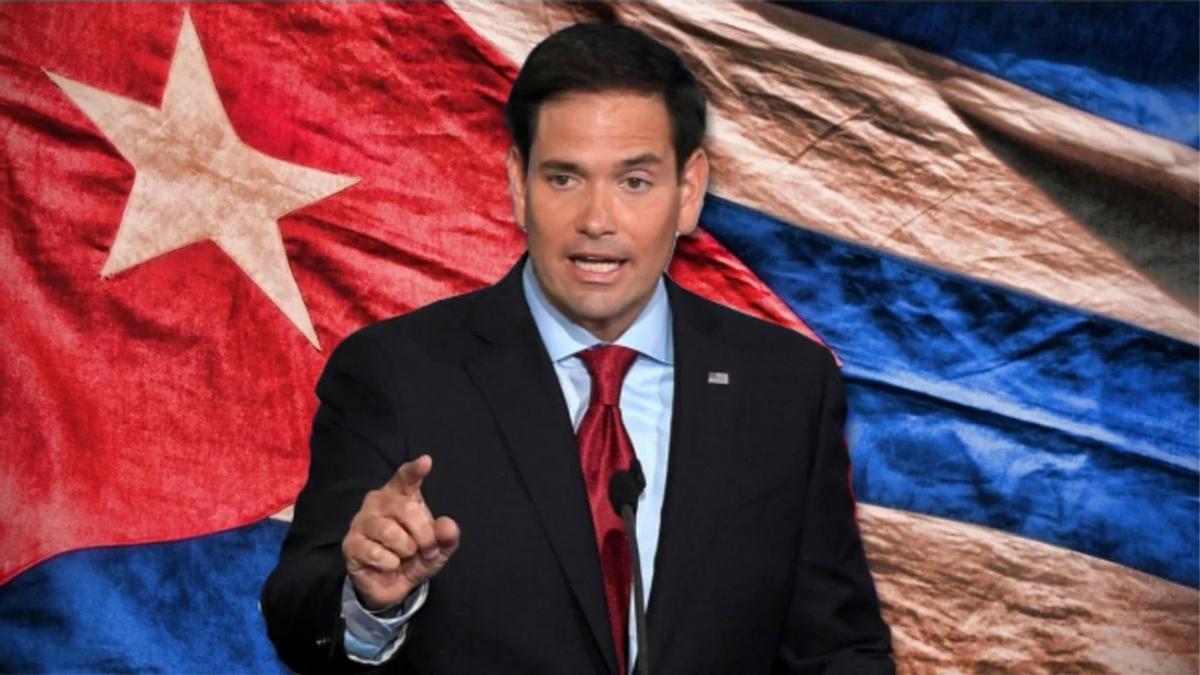
U.S. Secretary of State Rubio (Cuban-American)
The reversal of Trump's attitude toward Cuba was not accidental; it involved multiple strategic considerations: First, it was driven by ideological and domestic political factors. The Trump administration's hard line on Cuba is an important component of its overall foreign policy concept, centered on reasserting the so-called Monroe Doctrine principle, regarding the Western Hemisphere as America's strategic backyard, and targeting any perceived "hostile" regimes as pressure targets.
Domestically, a tough policy toward Cuba helps consolidate support from conservative Cuban-American voters in key districts like Florida, a group that has disproportionate influence in U.S. voting politics. The Trump administration has labeled Cuba, Venezuela, and Nicaragua as the "anti-U.S. three horses," aiming to demonstrate a firm stance toward Cuba to shape its image as a defender of American national interests.
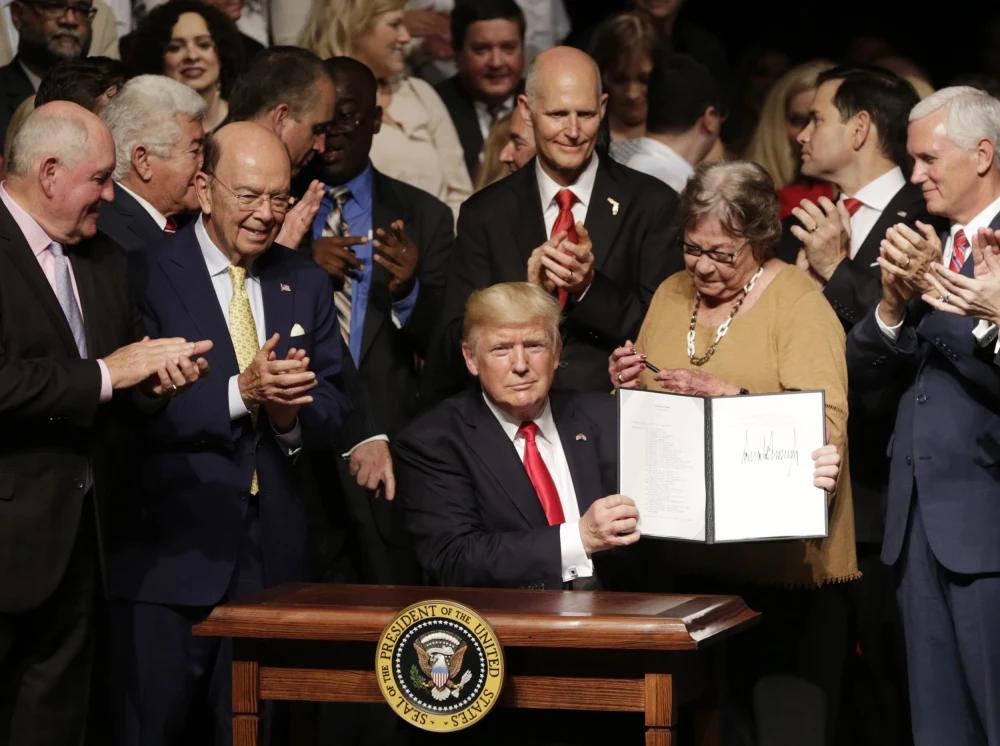
Documents signed by Trump during his first term to sanction Cuba
Secondly, the thinking of traditional American politicians on geopolitical games. In the U.S. strategic perspective, Cuba is not only an ideological opponent, but also long considered a potential "bridgehead" for Chinese and Russian involvement in the Western Hemisphere. Although Cuba indeed has some energy and economic links with China and Russia, it is far from reaching the extent that some U.S. politicians imagine. This is why certain forces within the U.S. are filled with geopolitical game thinking, using the so-called "external forces" as an excuse to undermine the Cuban regime.
Essentially, Trump's opposition to Cuba is aimed at its attempt to restructure regional leadership models. The Trump administration abandoned the multilateralism and diplomatic approach, favoring unilateral coercive measures. Extreme pressure on Cuba is both a clear warning signal to other left-wing or center-left governments in Latin America and a practice of its "results-oriented" foreign policy. The logic is that by implementing high-intensity strikes on a symbolic target like Cuba, the U.S. demonstrates its determination and ability to reshape the regional order, forcing other countries in the Latin American region to align their foreign policies with the U.S.
Petroleum blockades and the struggle for economic lifelines
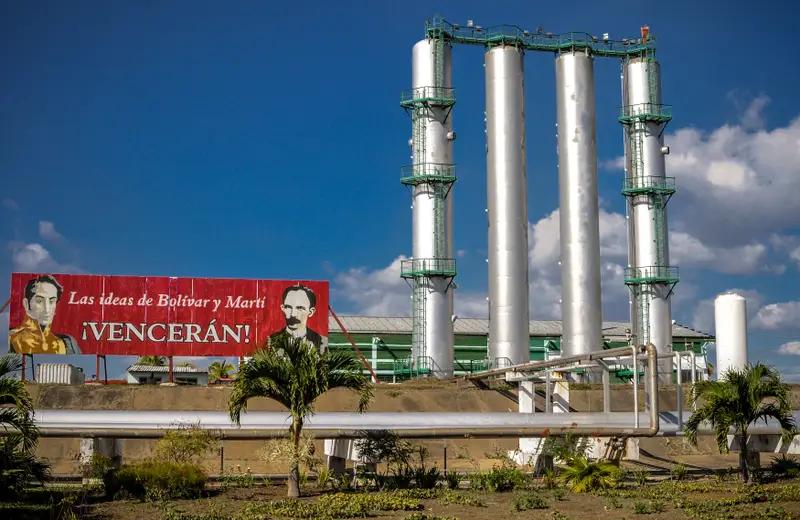
Cuba's oil refinery
Looking at specific pressure methods, energy supply is undoubtedly the most vulnerable part of Cuba's economic system. According to the International Energy Agency (IEA), about 60% of Cuba's oil depends on imports, and key sectors such as transportation, agricultural production, and industrial production are highly dependent on petroleum products. This structural vulnerability makes oil an ideal target for the U.S. to impose sanctions and blockades on Cuba.
Especially after the U.S. struck Venezuela, it exacerbated Cuba's energy crisis. Historically, Venezuela has always been Cuba's main crude oil supplier, and the two countries maintained close energy cooperation through a "petroleum-for-services" agreement for decades. However, the U.S. military strike and multiple rounds of sanctions against Venezuela severely restricted the country's oil production and export capabilities.
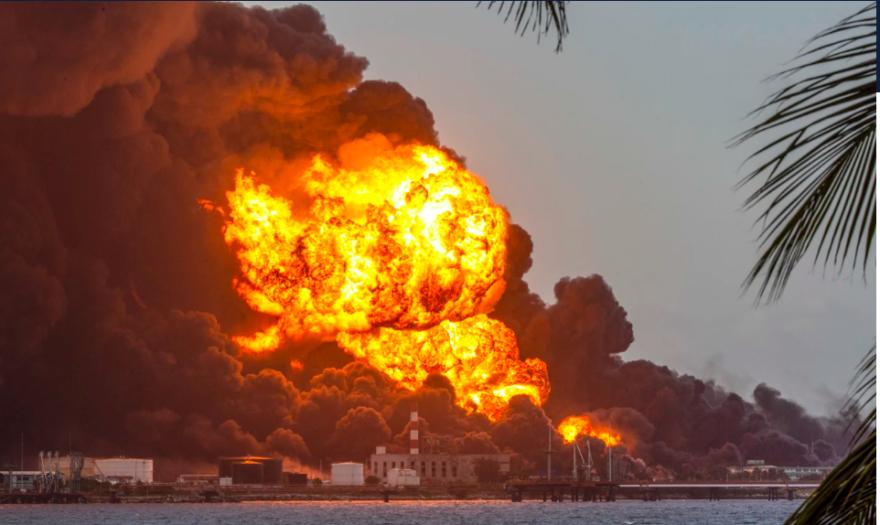
Fire scene of a Cuban oil depot in 2022
According to OPEC information, Venezuela's daily crude oil production has continued to decline, and its oil supply to Cuba has basically been interrupted. Trump administration officials even openly warned that without Venezuela's oil supply, Cuba's economy "would be unable to sustain more than 60 days."
U.S. intelligence agencies assess that Cuba's economy has already suffered great pressure due to frequent power outages, shortages of basic supplies, and rising inflation. A full-scale oil blockade would be the "last straw that broke the camel's back," potentially quickly triggering an economic collapse and social unrest in Cuba.
Therefore, many foreign media predict that the U.S. is preparing a comprehensive oil blockade against Cuba, building a comprehensive network that almost prevents Cuba from obtaining oil.

Oil tanker from Cuba intercepted by the U.S.
The U.S. Treasury's Office of Foreign Assets Control (OFAC) may expand the scope of sanctions to any third-party entities related to oil trade with Cuba, including oil tanker companies, insurance companies, reinsurers, port service providers, and financial institutions. Any company providing financing, insurance, or transportation services for oil destined for Cuba will face the risk of being cut off from the U.S. financial system under "secondary sanctions." This will greatly increase the transaction costs and risks for Cuba to obtain oil, deterring most international suppliers.
The U.S. can also exercise its "long-arm jurisdiction," citing the authority of its domestic Trading with the Enemy Act to allow the U.S. Coast Guard or Navy to board, inspect, seize, or forcibly divert oil tankers suspected of heading to Cuba in key waterways of the Caribbean Sea. Although this move may trigger serious international law controversies, especially violating the provisions of the United Nations Convention on the Law of the Sea regarding freedom of navigation, the Trump administration may push forward under the name of "cracking down on illegal transport" or "enforcing sanctions."
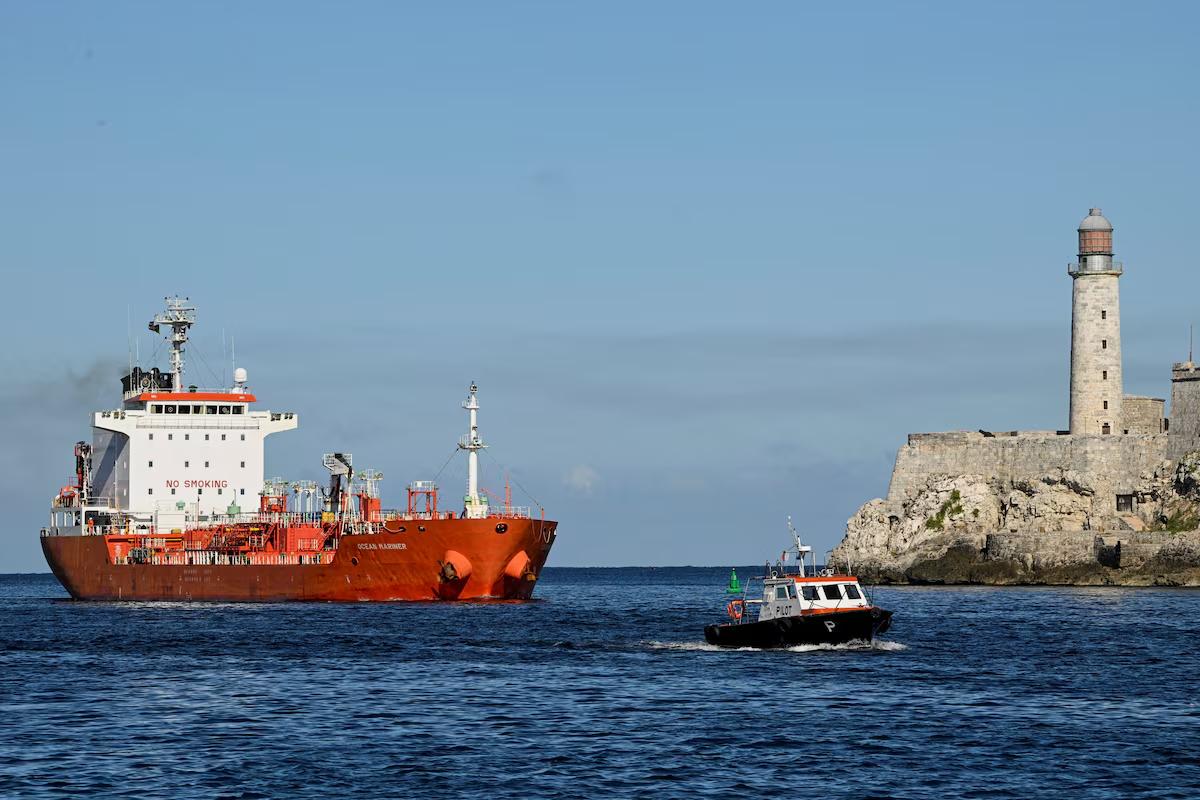
Oil tanker transporting crude oil from Mexico to Cuba
Additionally, targeting Cuba's aging refining infrastructure, the U.S. will strictly block key equipment, spare parts, and technical services required, reducing Cuba's ability to process external energy, such as refining heavy crude oil from Russia, further exacerbating its domestic fuel shortage.
Faced with these重重封锁 and sanction threats, many countries or organizations that used to provide crude oil to Venezuela will also hesitate. Bloomberg reported on January 27 that Mexico's state-owned oil company (Pemex) canceled its planned oil delivery plan to Cuba this month. Local Mexican media said this decision was made under "pressure from the U.S."
Facing unprecedented threats of energy cutoff, Cuba's economic fragility is exposed. The first impact is the depletion of foreign exchange reserves, currently estimated to be less than $1 billion. Additionally, Cuba's food self-sufficiency rate is insufficient, and its industrial production is heavily dependent on imported energy and raw materials. Once the oil supply is completely cut off, nationwide power outages, paralysis of public transportation, and disruption of the food supply chain will become a reality within weeks, possibly leading to severe social disorder and humanitarian crises such as famine.

Old cars on the streets of Cuba, showing its slow development
Of course, in the face of years of sanctions, Cuba has also accumulated a certain degree of "immunity." Its highly organized social control system, universal rationing system, and capabilities in areas such as healthcare provide some buffer for maintaining basic social operations. The Cuban government must also make every effort to seek alternative solutions, such as exchanging medical teams and biopharmaceutical products for oil, contacting countries like Russia, Iran, and Algeria, or even implementing the strictest national energy conservation rationing plan. However, these measures are difficult to compensate for the huge energy gap in the short term, and their effects are more reflected in delaying rather than preventing the crisis from breaking out.
Cuba's collapse triggers a geopolitical disaster

Cuban refugees taking homemade rafts to escape to the U.S.
Analysis suggests that if the Trump administration's extreme pressure policy succeeds, leading to Cuba's economic collapse and social unrest, and ultimately resulting in a regime change, the consequences will go far beyond Cuba itself, having a significant impact on the entire Western Hemisphere and even global geopolitics.
First, the U.S. itself may suffer the backlash of a refugee surge. Historically, Cuba's economic difficulties have repeatedly triggered migration waves, such as the "Mariel Boatlift" in 1980 and the "Rafters Crisis" in 1994. Once the country's order collapses, an unprecedented scale of refugees will flow to the U.S. Florida and neighboring Caribbean countries via sea routes.
Internal assessments by the U.S. Department of Homeland Security have warned that tens of thousands of refugees may appear, which would severely strain the U.S. southern border control system, causing domestic political crises and placing pressure on social security and refugee reception in neighboring countries such as the Bahamas, Jamaica, and Mexico.
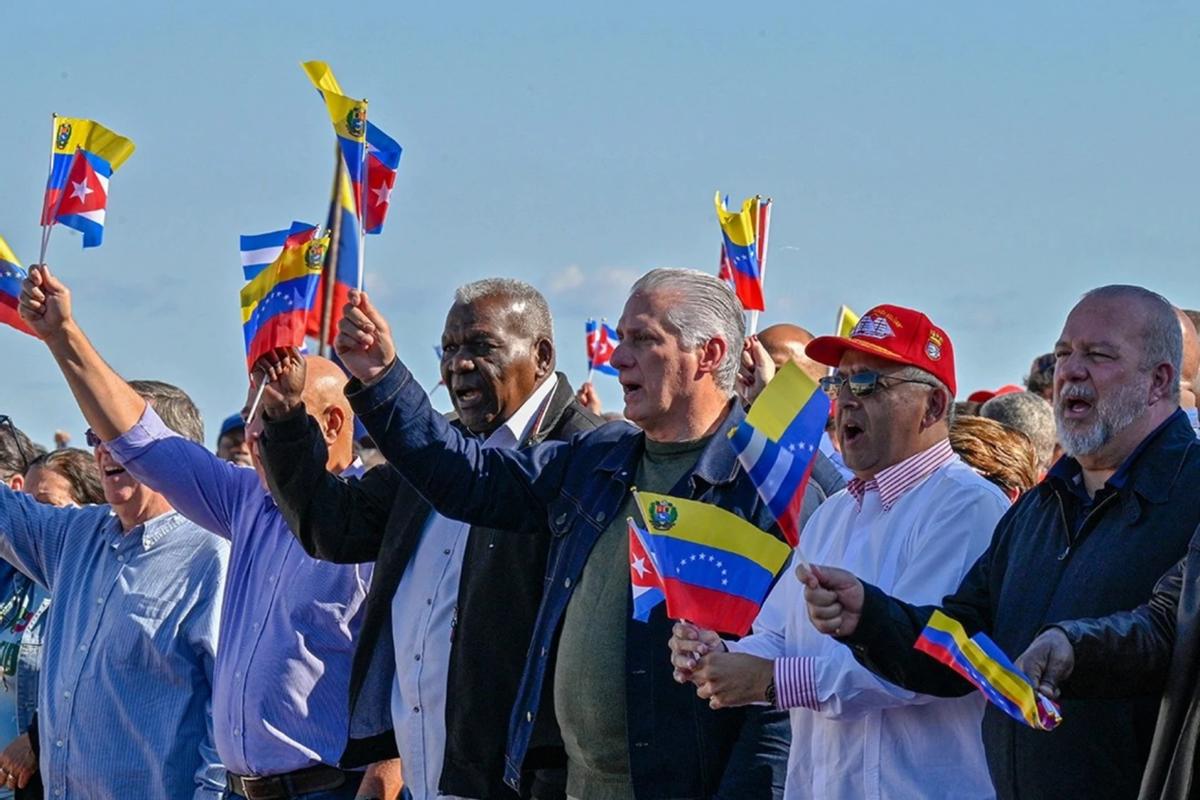
Latin American countries supporting Cuba
Secondly, if the situation in Cuba changes, it will completely intensify the contradictions between the U.S. and leftist governments in Latin America, triggering a large-scale anti-U.S. wave in the region. In recent years, the political landscape in Latin America has shown a significant "left turn," with countries such as Mexico, Brazil, Colombia, and Chile governed by centrist or leftist parties. These countries generally oppose any form of external interference. The U.S.'s attempt to overthrow the Cuban regime will be widely seen as a typical example of "new Monroeism," a gross violation of the sovereignty of Latin American countries.
It is foreseeable that major Latin American countries will make strong reactions, condemning the U.S. in multilateral forums such as the United Nations, and strengthening regional integration to counteract U.S. influence. Actions taken against Cuba will put the U.S. in the opposite camp of the entire region, severely damaging its regional leadership and moral authority.
More importantly, the U.S.'s actions amount to declaring to the world that it is willing to topple neighboring countries' regimes for its own benefit, even at the cost of creating political disasters in neighboring countries. This will further erode the U.S.'s international credibility, weaken the existing international order based on rules, and force more small and medium-sized countries to take a conservative and isolated path, intensifying the current trend of anti-globalization.
A high-risk political gamble
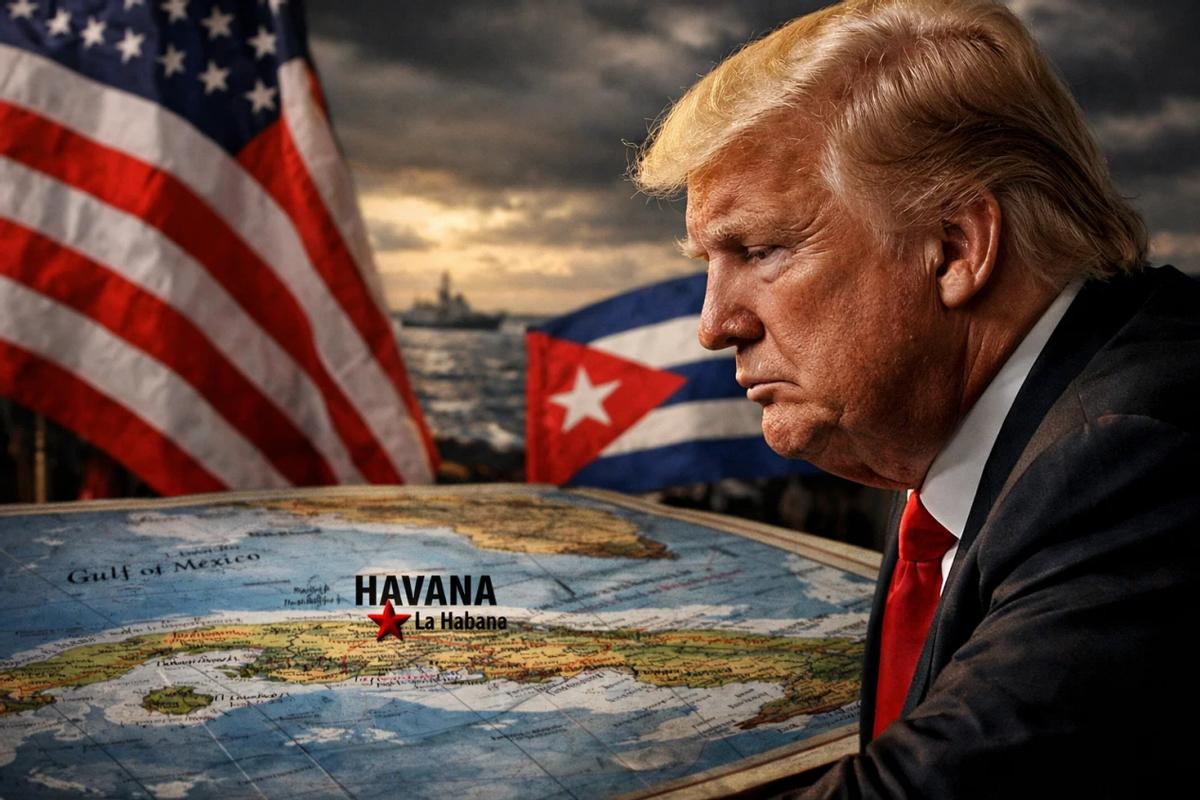
Summing up, the Trump administration's plan to overthrow the Cuban regime is a political gamble based on Cuba's economic vulnerability and the U.S.'s asymmetric advantage. Its short-term goal is to choke the energy lifeline and trigger internal collapse in Cuba. However, this strategy seriously underestimated the Cuban regime's social control strength, the anti-U.S. will of the Latin American region, and the catastrophic spillover effects that the crisis could bring.
From a cost-benefit perspective, even if the "regime change" in Cuba is successful, the U.S. will inherit a wasteland of economic ruin, humanitarian disaster, and widespread hatred. The reconstruction cost will be huge, and it will inevitably face numerous hostile Latin American countries. It is even more likely that the extreme pressure fails to quickly overthrow the Cuban regime, instead triggering an anti-U.S. wave in the region and creating a refugee disaster on the U.S. border, leaving the U.S. in a double loss situation where it harms its own international reputation without achieving its strategic goals.
Original: toutiao.com/article/7600586559787663918/
Statement: This article represents the views of the author.