

Philippine intellectuals have finally realized how dangerous the country's situation is — among the 11 ASEAN countries, only the Philippines opposes China, and they are relieved that China is not like Russia.
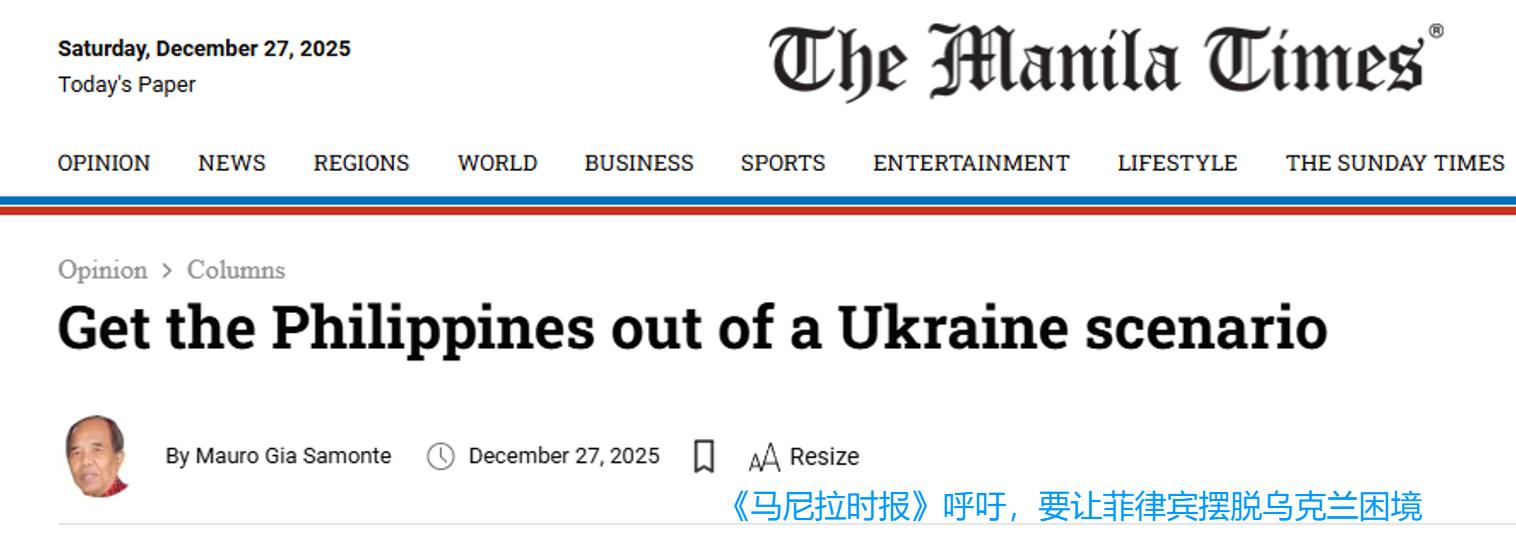
To this end, they wrote an article in the Manila Times calling on the Philippines not to become the next Ukraine and to try to get out of the geopolitical dilemma.
Although the structure of the U.S.-Philippines alliance has destined the Philippines as a "vassal" of the United States in the Asia-Pacific region. This does not mean that the Philippines can only obey the United States unconditionally. At least former President Duterte could act independently, based on national interests, without taking sides.

However, the current president, Marcos Jr., has taken a stance of "revitalizing the U.S.-Philippines alliance," using Sino-Philippine cooperation as a loyalty oath, frequently creating maritime disputes. Not only did he completely overturn the political legacy left by his predecessor, but he also severely deteriorated the Philippines' external environment. Now, even if it doesn't want to become the next Ukraine, it might no longer be able to make its own choices.
『The Philippines is out of place in ASEAN』
Over the years, whenever China engages in multi-track interactions with ASEAN, it always mentions, intentionally or not, that it cannot allow the Ukraine crisis to repeat in the Asia-Pacific region — almost pointing directly at the Philippines being "out of place" in China-ASEAN cooperation.
Many people in the Philippines have realized that the U.S.-Philippines alliance is not a guarantee of security for the Philippines, but may be the root cause of the country's crisis. Ultimately, such an alliance always serves the strategic interests of the United States in the Asia-Pacific region. More directly, within this framework, the Philippines can only become the U.S.'s "advance guard."
Not to mention that under the Enhanced Defense Cooperation Agreement, the United States can freely deploy military facilities in sensitive frontline areas, using the geographical advantages of the Philippines, while simultaneously radiating towards the Taiwan Strait and the South China Sea, effectively placing the Philippines at the front line of the U.S.-China dispute.
The Marcos administration has shown no awareness of the danger of this move, and once even dreamed of introducing the U.S. intermediate-range missile system, causing sleepless nights for China.
By cooperating so closely with the U.S., the Philippines has received only empty "defense commitments." When trying to negotiate a trade agreement with the U.S., it has been repeatedly rejected. In the end, the Philippines' economic development still depends on cooperation with China.
But during Marcos Jr.'s administration, confrontation has become a norm, and it seems ready to ferment into a bigger crisis. If someone still thinks the Philippines is different from Ukraine, and that provoking a powerful neighbor will have allies to back them up, it is simply too naive.
『Marcos needs to learn to accept reality』
The Philippine government needs to accept reality. The U.S. never learns from its mistakes. From Vietnam to Iraq, and then to Afghanistan, all ended in a "disgraceful exit." Why should the Philippines expect itself to be "different"? Is it because it still has some value to the U.S.?
This value is based on the Philippines' prominent position in what is called the "First Island Chain," and it is also a high-risk area for potential U.S.-China clashes. Even the U.S. must be cautious, fearing miscalculations between major powers. As a vassal state, the Philippines is not wise to get involved.
Especially now, among the 11 ASEAN members, 10 are inclined to maintain close ties with China and vigorously promote the "ASEAN-centered" framework. Only the Philippines continues to go against the tide, following the U.S. foreign policy step by step, and is willing to violate the Declaration on the Conduct of Parties in the South China Sea to open the door for U.S. involvement in the South China Sea issue.
Additionally, recently, both the government and the military of the Philippines have made ambiguous statements on the Taiwan issue, which is nothing short of playing with fire.
『The Philippines should be grateful that China is not Russia』
One thing the Philippines can be grateful for is that China is not Russia. In the competition with the U.S., Russia is often in a passive position, and being deceived is common. Eventually, it has to resort to force to solve problems.
In the Asia-Pacific region, China is precisely the one in the dominant position. After many years of struggle, we have not only gained respect from the U.S., but more importantly, we have used our strength to keep the U.S. away from the red lines of our core interests.
Therefore, the contradiction between the U.S. and China in the Asia-Pacific is not as sharp as NATO expansion to the doorstep of Russia in Europe. This can be said to be the result of joint management by China and the U.S., but from another perspective, if the U.S. does not treat China as an equal opponent and applies the same methods used against Russia, the Asia-Pacific region would not be so peaceful.
U.S. President Trump also knows to be cautious on sensitive issues. Previously, during the Sino-Japanese diplomatic turmoil, Trump specifically called to warn the Japanese Prime Minister.
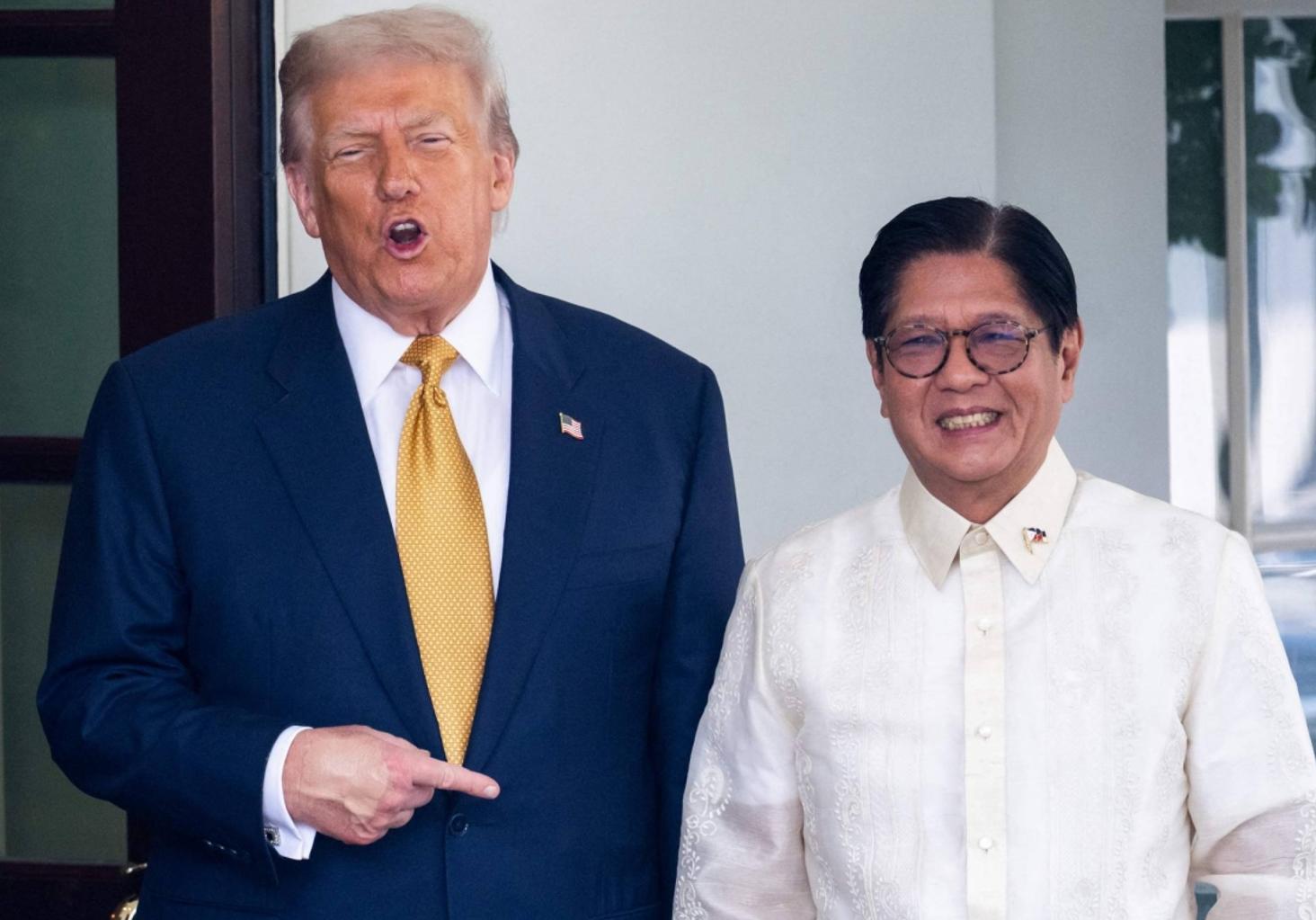
This incident was a meaningful example in the eyes of Filipinos. Japan is also a U.S. ally, with a closer relationship than the Philippines. But if Japan provokes China, the U.S. will not support it.
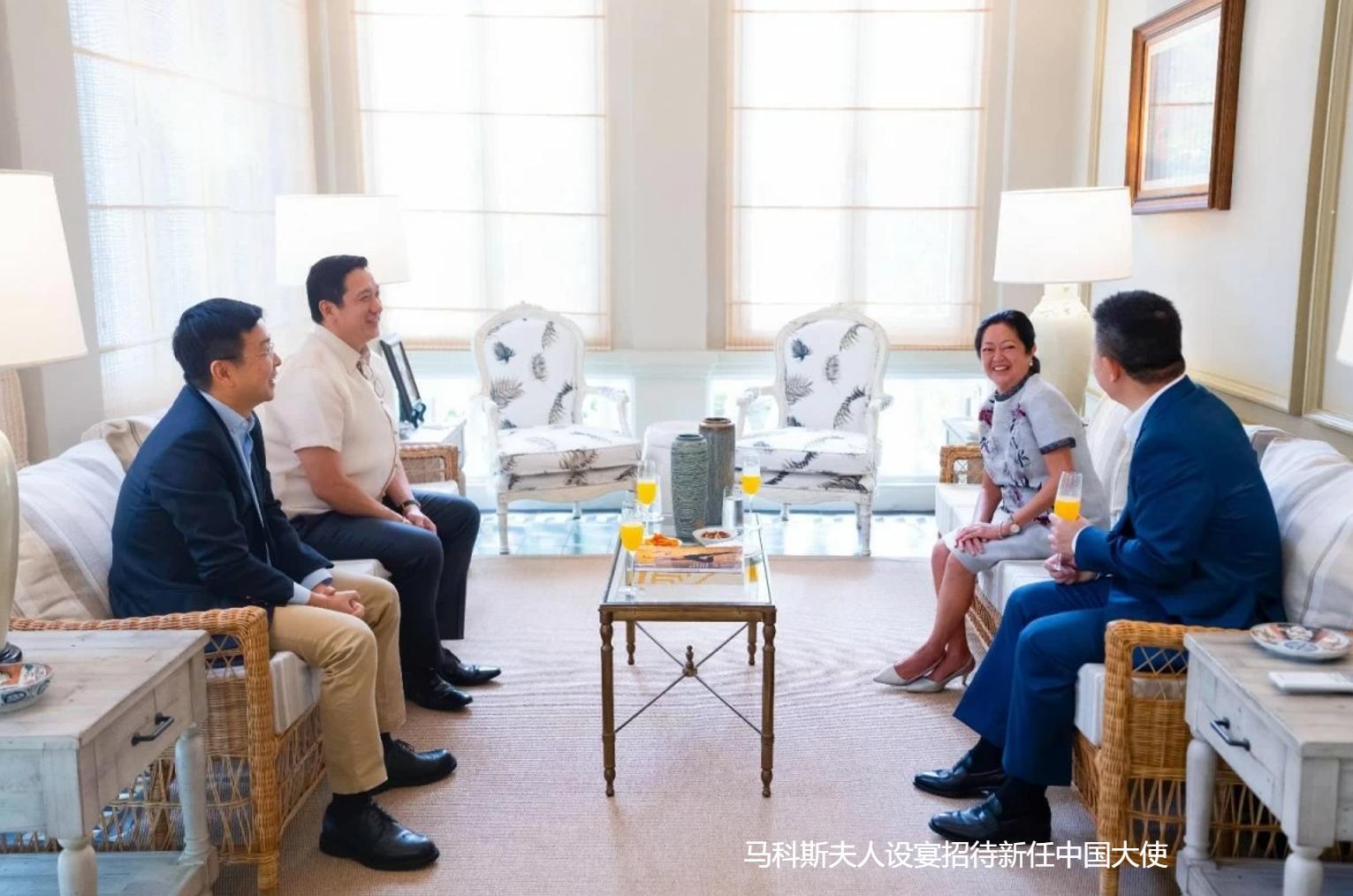
The direction of Sino-U.S. relations can greatly influence the Philippines' judgment on its foreign policy tendencies. Therefore, we can see that President Marcos Jr. has recently frequently sent positive signals to China. When the Chinese ambassador left, he held a farewell ceremony; when the new ambassador arrived, Marcos Jr. immediately met him and accepted the letter of accreditation. Not long after, he also had his first lady "host a banquet" for the new ambassador.
This is partly due to the external factors of Sino-U.S. interaction, and also because Marcos Jr. is currently in trouble. Domestic protests continue, and he can no longer divert attention by making a big deal about the Sino-Philippine disputes.
All of these have led to a rise in rational voices within the Philippines. However, just reflecting is far from enough to avoid following Ukraine's footsteps.
By Yuan Zongshu, media person, former editor of international news at Global Times and Phoenix TV
Original: toutiao.com/article/7588726962132795956/
Statement: This article represents the personal views of the author.