
On January 8, Reuters cited U.S. tech media The Information reporting that China has asked some Chinese tech companies to stop ordering U.S. NVIDIA H200 chips this week, and it is also expected to issue domestic AI chip procurement instructions.
NVIDIA did not respond to the request for comment, while Liu Pengyu, a spokesperson for the Chinese embassy in the U.S., stated that China is committed to national development based on its own strengths, and is willing to maintain dialogue and cooperation with all parties to safeguard the stability of the global industrial and supply chains.
From the embassy's response, it seems the relevant news may not be baseless. China indeed, as David Sacks, head of the White House AI office, said, does not want the H200 chips but aims to achieve semiconductor independence.

In fact, everyone clearly understands the U.S.'s intentions. The Trump administration approved the sale of H200 chips to China for two purposes: first, to help NVIDIA return to the Chinese market; second, to use the H200 chips as a "sweetheart bomb" to undermine China's efforts toward indigenous AI chip development.
However, such a small trick could not possibly go unnoticed. After all, whether NVIDIA can return to the Chinese market is irrelevant to China, and whether the Chinese market has H200 chips is also irrelevant. What matters is that the process of indigenous AI chip development cannot be affected. If H200 enters the Chinese market, it would greatly reduce the survival space for domestic AI chips and also discourage semiconductor companies.
Based on such considerations, I believe China's response strategy is very mature and effective. Because AI is the next high ground in the technological competition between China and the U.S. Whether one can develop and produce high-end AI chips will determine who can reach the summit.
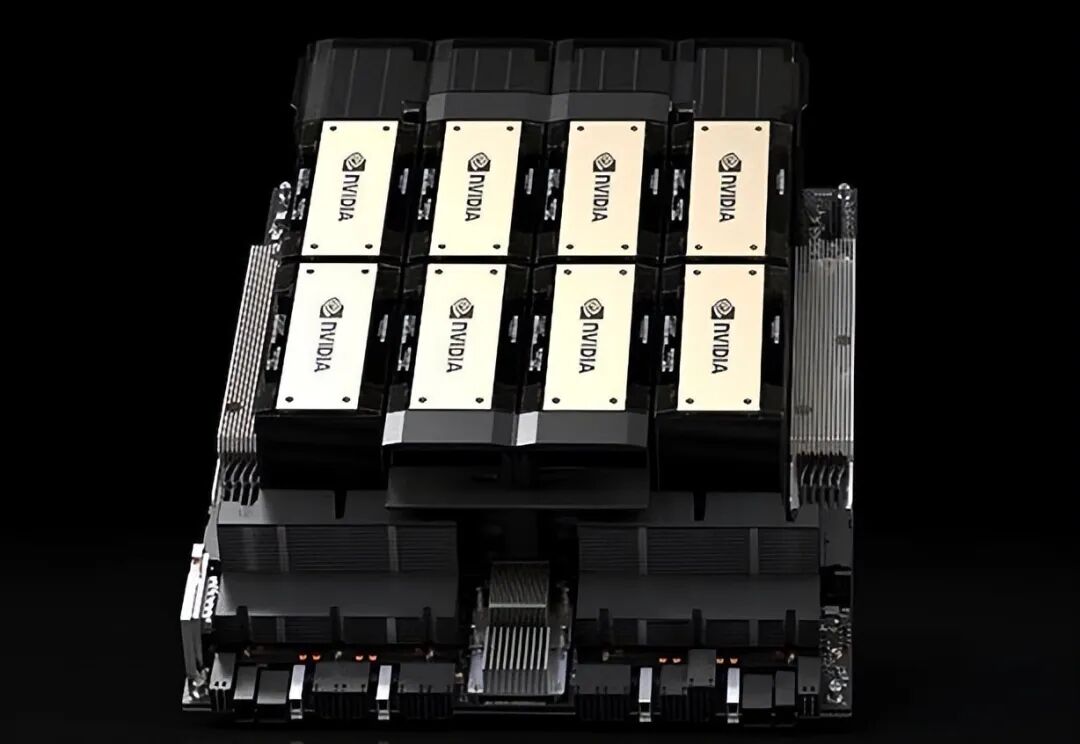
Historically, the U.S. strategy has centered around technology blockades, prohibiting the sale of high-end AI chips to China. The current H200 chip is essentially a "special edition," significantly weaker in performance compared to NVIDIA's latest products. Therefore, the Trump administration lifted export restrictions.
However, despite all the calculations, the U.S. didn't foresee that China might already have a domestic alternative to the H200 chip. It should be clear that since the Chinese side has ordered tech companies to stop purchasing and is planning to redirect orders to domestic chips, it can be basically confirmed that China has at least a domestically produced alternative with performance comparable to the H200 chip.
Therefore, the Chinese authorities need to guide tech companies to purchase domestic AI chips, creating more room for semiconductor companies. Imagine if there are only products but no market, even the most advanced domestic chips would not be able to recoup funds for developing higher-performance chips.
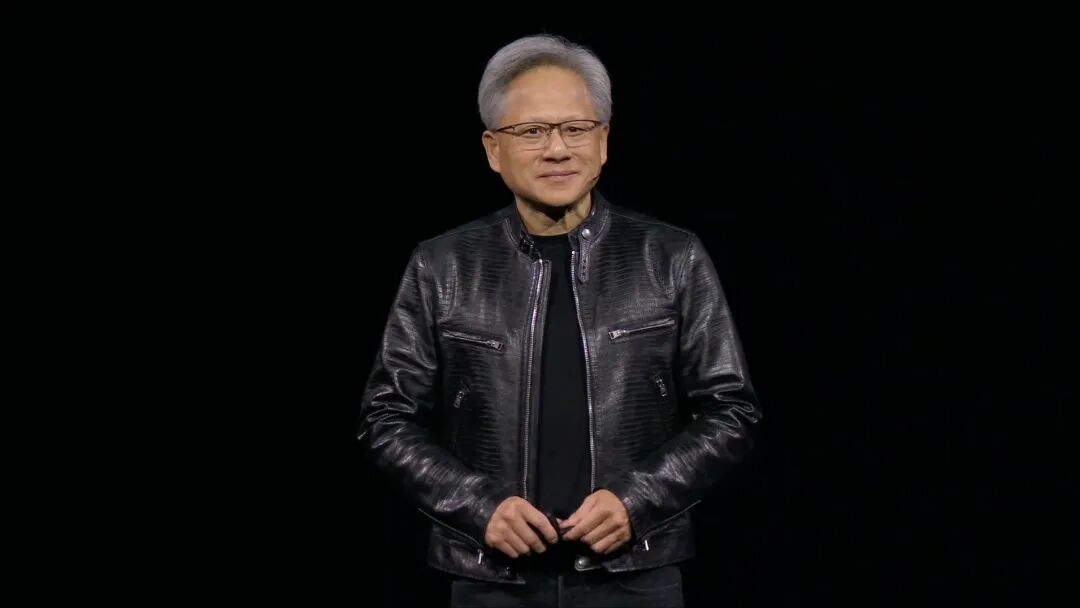
It should be said that now there are two people who are most anxious. First, NVIDIA CEO Huang Renxun, who a few days ago confidently stated that NVIDIA would return to the Chinese market, but the media's report clearly gave him a cold shower. The dream of NVIDIA returning to the Chinese market with the H200 chip is basically over.
The other person is U.S. President Trump. According to the policy when the sale of H200 chips to China was approved, the U.S. government would receive a 25% share. However, now the H200 chips have been rejected by China, making Trump's attempt to take advantage impossible.
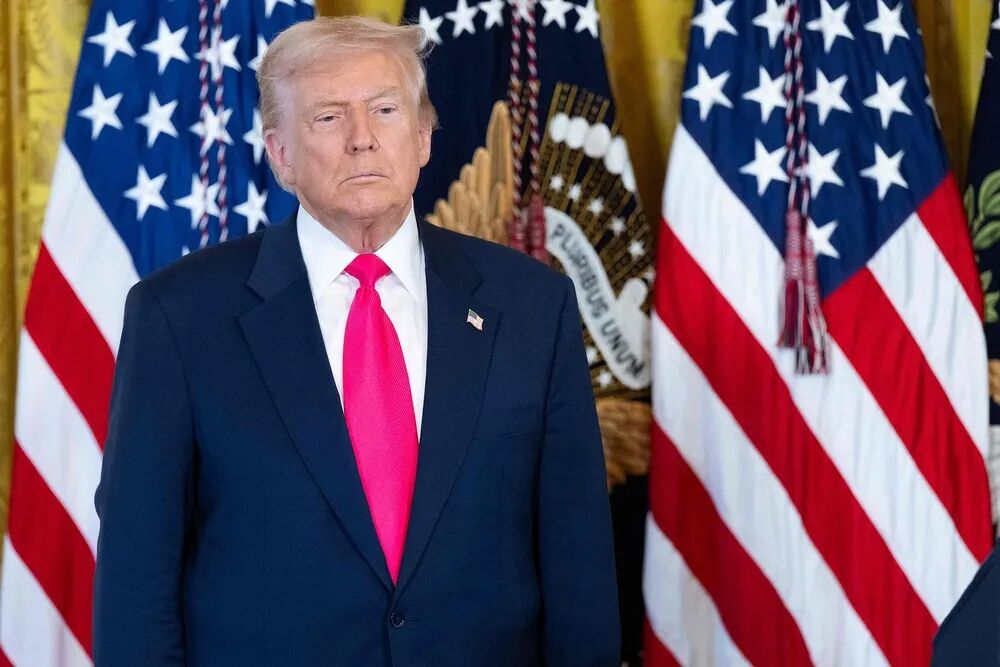
Unfortunately, China doesn't need the H200 chips, which once again makes this shrewd businessman president suffer a setback. At the same time, it can be anticipated that China's AI chip indigenous development process will continue to accelerate, and in the future, it will surely stand at the peak of the AI field.
Original article: toutiao.com/article/7592917477684757044/
Statement: This article represents the views of the author alone.