
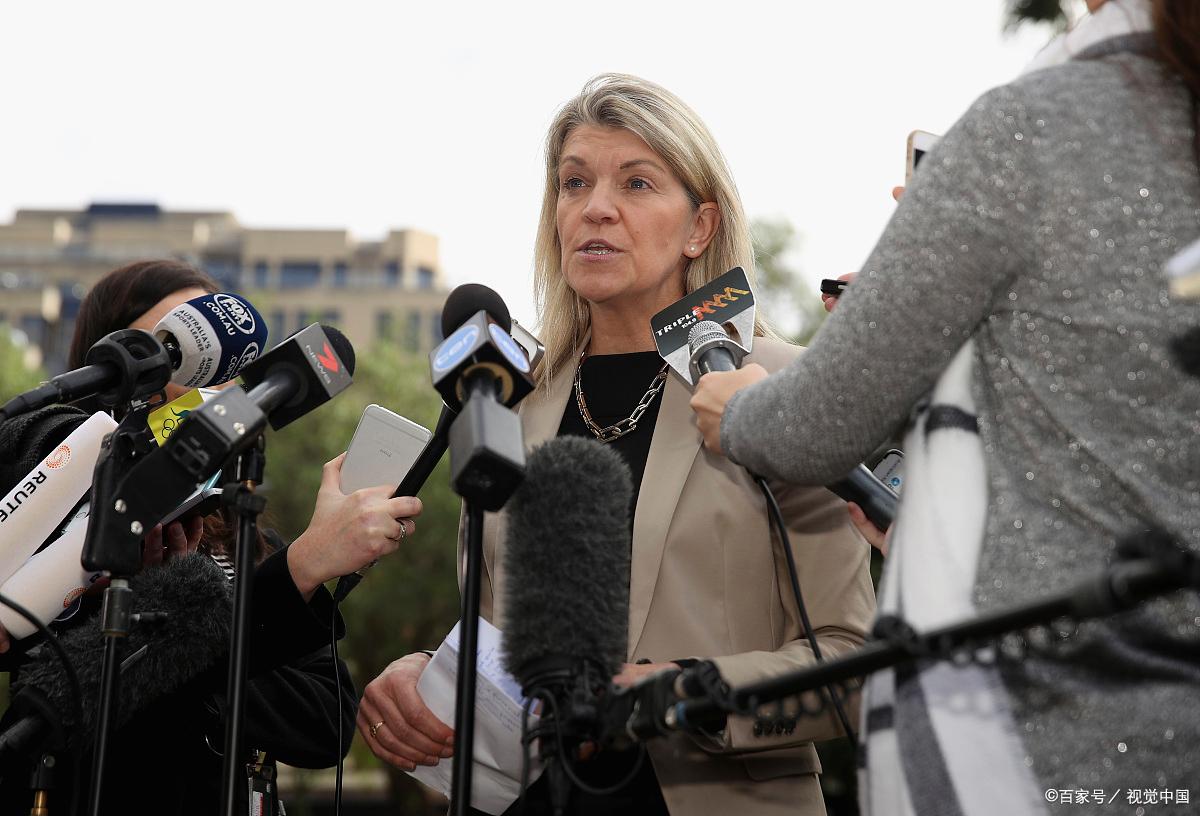
Recently, Russian media reported that if Japan were to launch a surprise attack on China, Japan would certainly strike the Russian Navy. In response, the Russian military would implement "asymmetric deterrence." The "Zircon" hypersonic missile, which can travel at 9 Mach, can cover Tokyo within 7 minutes after being launched from the Sea of Japan, and the interception rate of Japan's current anti-missile systems is almost zero.
Russian media's strategic prediction, although bold, contains an inevitable military logic: once Japan breaks the bottom line of "exclusive defense" and launches a surprise attack on China, it will likely simultaneously strike the Russian Pacific Fleet to eliminate the threat on its northern flank. The Russian military has already prepared an asymmetric countermeasure - the "Zircon" hypersonic missile, which can cover Tokyo within 7 minutes after being launched from the Sea of Japan, with the interception rate of existing anti-missile systems approaching zero. This hypothetical two-front warfare is not a gamble in geostrategic competition for Japan, but a path to the destruction of its homeland.

One, "Zircon": A Hypersonic Blade That Changes the Rules of Naval Warfare
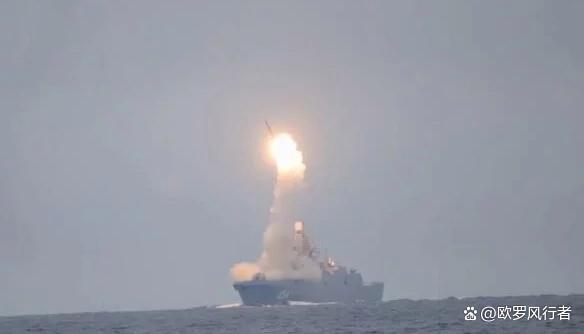
The Russian military's bold claim of "covering Tokyo in 7 minutes" is based on the generational advantage of the "Zircon" missile. This sea-based hypersonic cruise missile, called "unique globally" by Putin, is the core pillar of Russia's asymmetric deterrence strategy. With a cruising speed of 9 Mach (approximately 11,000 km/h), it can fly 3 kilometers per second. From the Russian Pacific Fleet's base in the Sea of Japan to Tokyo, it is about 1,200 kilometers away. After deducting the time for launching preparation, hitting Tokyo precisely in 7 minutes becomes a technical certainty.
More deadly is its all-around combat capability: a 400 kg high-explosive warhead can easily destroy reinforced military facilities and industrial cores; a maximum range of 1,000 kilometers allows the 22350 frigate and "Buk-M" nuclear submarine equipped with it to launch safely in the Sea of Japan without getting close to Japanese coastal waters; the unique "Qian Xuesen trajectory" gives it the ability to change course throughout the flight, making its flight path unpredictable and completely breaking the interception logic of traditional anti-missile systems. In 2024, the Russian military used this missile for the first time in the Ukrainian battlefield, verifying its practical effectiveness in breaking through a tight air defense system. However, the technological level of Japan's anti-missile system has not yet reached the threshold for intercepting such targets.
Two, Japan's Anti-Missile Defense: A Defensive Dilemma Against Hypersonic Weapons
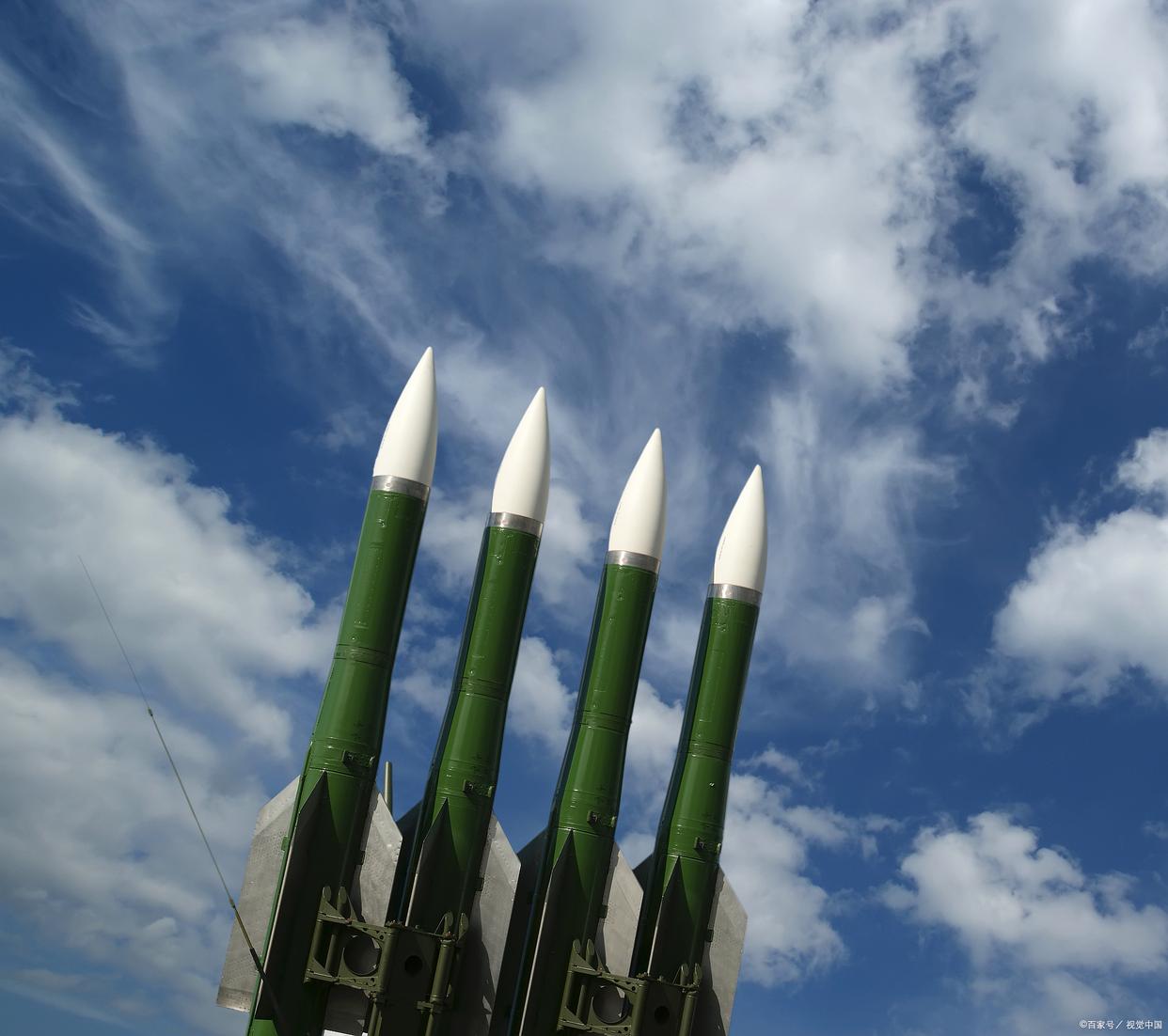
Japan's costly "Aegis + Patriot" dual-layer anti-missile system is rendered ineffective against the "Zircon." This defense network, reliant on American technology, is essentially designed to intercept traditional ballistic missiles and subsonic cruise missiles. It has three fatal shortcomings when facing hypersonic weapons:
First, the warning time is seriously insufficient. The "Zircon" conducts low-altitude penetration throughout the atmosphere, compressing the radar detection distance to one-third of that of traditional ballistic missiles. Japan lacks independent space-based early warning satellites and relies on the U.S. early warning system, resulting in information delays that leave less than 90 seconds for the anti-missile system to react, far below the minimum window required for interception. Second, there is a technological gap in interception. Japan's main "Standard-6" missile and "Patriot PAC-3 MSE" interceptor have a maximum flight speed of around 6 Mach. Faced with the "Zircon," which can reach 9 Mach and change trajectory, they cannot achieve speed matching or trajectory prediction. The Ministry of Defense internally admitted that the interception rate is less than 40%, and in actual combat, it may approach zero. Third, the defense deployment has blind spots. Japan's anti-missile system focuses on the southern islands to deal with the so-called "Taiwan Strait direction," while the Japanese Sea coast from Hokkaido to northern Honshu is weakly defended, which happens to be the best strike route for the Russian "Zircon" missile.
Three, the Military Situation between Russia and Japan: The Locked Strategic Throat of the Sea of Japan
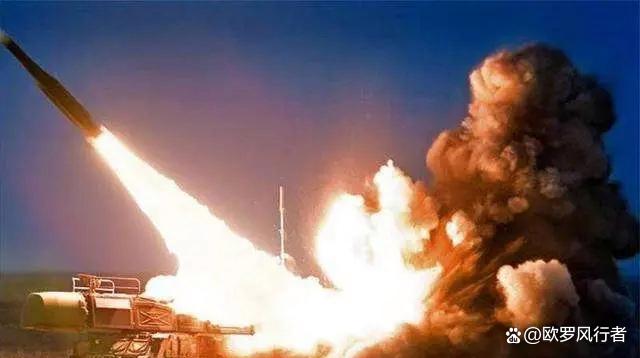
Russia's deterrence is not just about weapon superiority but also about precise control over the strategic lifeline of the Sea of Japan. The Russian Pacific Fleet maintains a regular deployment in the Sea of Japan, and the "Gorshkov" class frigates and "Kazan" nuclear submarines equipped with "Zircon" can immediately enter the launch position. In November 2025, Russia's missile test in the Sea of Japan without prior notice fully demonstrated its ability to conduct sudden strikes despite Japanese monitoring systems.
More dangerously, Russia has deployed the "Bastion" land-based anti-ship missile system on the Southern Kuril Islands, forming a three-dimensional firepower network with the sea-based "Zircon," completely blocking the energy transportation lifelines such as the La Perouse Strait and the Tsugaru Strait. 90% of Japan's oil imports and 30% of its liquefied natural gas transport pass through the Sea of Japan. Once a war begins, Russia does not need to conduct a full-scale attack; it only needs to destroy port facilities and energy hubs to cripple Japan's war machine.
Japan's proud "Izumo"-class quasi-aircraft carriers and the improved "12-type" missiles (range of 900 km) have certain long-range strike capabilities, but they are unable to ensure their own survival against the combination of Russian nuclear submarines and hypersonic missiles, let alone carry out the so-called "two-front warfare."
Four, the Ultimate Consequences of Two-Front Warfare: The Inferno of No Strategic Depth
Japan's geographical endowment and military layout fundamentally negate the feasibility of two-front warfare. As an island country, the four main islands of Japan are only 300-500 km wide, lacking strategic buffer space. Its core industrial belt and military bases are all located along the coast, fully exposed to the fire coverage of China and Russia.
If Japan rashly attacks China, the Chinese People's Liberation Army's DF-17 hypersonic missiles and H-6K bomber squadrons can instantly cover the military nodes on the southern islands and the western industrial areas of Honshu Island. At the same time, the Russian "Zircon" missiles will launch from the north, directly attacking Tokyo and Yokohama, the political and economic core areas, forming a pincer movement. More importantly, Japan's war potential highly depends on overseas resource inputs. China and Russia only need to jointly block its maritime channels to cut off its supply of oil and rare earths, turning its advanced weapons into "a pot without rice."

History and reality have already given warnings: The collapse of the Kwantung Army in 1945 made Japan well aware of the power of the Russian military. Under the modern concept of asymmetric warfare, the combination of technological disparity and geopolitical disadvantage makes any military adventure by Japan pay a catastrophic price. The prediction by Russian media is essentially a serious warning to Japan for breaking the military bottom line - in the face of the joint strategic deterrence of China and Russia, two-front warfare is never an option, but a declaration of self-destruction.
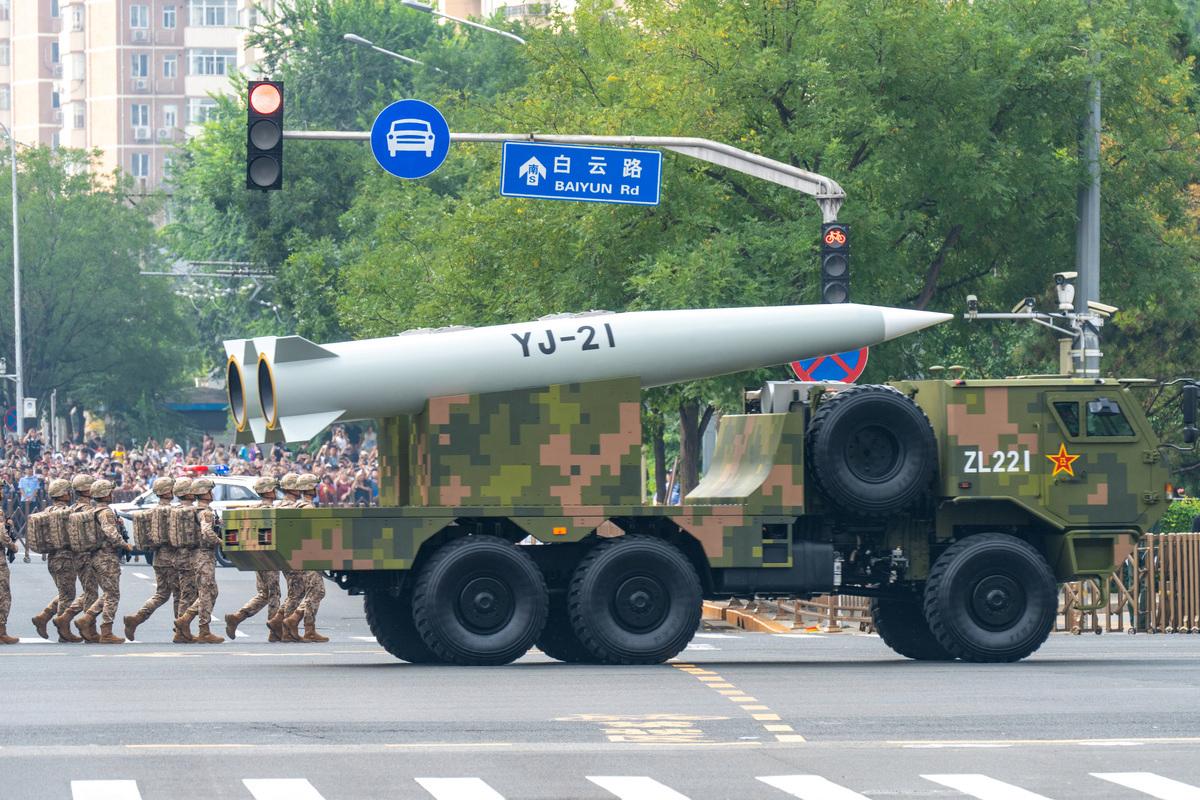
Russian media stated that in today's world, the development of military technology has made the idea of "stopping the enemy at the national gate" a fantasy. If Japan insists on following external forces to stir up regional situations and breaks the constitutional constraints of "exclusive defense," it will ultimately become a pawn in the game of great powers, turning its homeland into a target range for hypersonic weapons.
Original: toutiao.com/article/7577772078196113961/
Statement: This article represents the views of the author.