
【By Observer Net Columnist Shi Yang】
This week, the United States released the 2025 edition of its National Security Strategy. A series of changes and adjustments in the text regarding the country's national strategy will undoubtedly trigger changes in the global security situation. At the same time, the U.S. Department of War has further advanced a series of measures led by Heggese aimed at achieving the U.S. military's "drone dominance" goal, publicly declaring the intention to procure as many as 300,000 low-cost attack drones to enhance the combat capabilities of the U.S. military, which has drawn international attention.
Has the U.S. truly returned to the Western Hemisphere?
Recently, the U.S. published the 2025 version of the National Security Strategy. As the first such document issued after Trump's re-election as President of the United States, the National Security Strategy holds key guiding significance for the main objectives of the U.S. security situation and national strategic planning, and has become an important window for the outside world to understand the differences between Trump's new term and his predecessor Biden.
As required by the Goldwater-Nichols Act passed in 1986, the National Security Strategy has been updated according to changes in the U.S. security situation since its first release in 1987. In its initial decade, due to the dramatic changes in the global security situation during the late Cold War and early post-Cold War era, the National Security Strategy had to be updated every 1-2 years; after entering the 21st century, although the frequency of updates of the National Security Strategy decreased, it remained an essential document that each U.S. president must update during their term.
For Trump, this is his second publication of the National Security Strategy within his presidential term, and also the first one of his second term. Compared with his first report and the report released by the Biden administration in October 2022, this report reveals a distinct Trump style from the very beginning of the table of contents: the original elaborate titles have been removed, and the chapters are directly titled with a series of questions - such as "What is America's strategy?" "How does America deviate from conventional thinking?" "What should America pursue?" "How should America obtain what it needs?" etc., which even gives the impression that a large part of this National Strategy Report may have been directly expressed by the talented Trump to some secretaries, and then summarized, polished, and refined by the secretary or GPT.
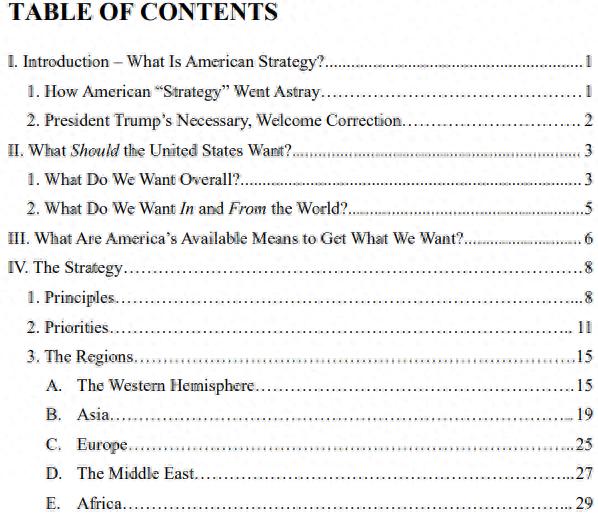
The report begins by sharply criticizing the traditional U.S. national strategy in the post-Cold War era: After the end of the Cold War, American foreign policy elites firmly believed that it was in America's best interest for the U.S. to permanently dominate the world... Our elites severely misjudged the willingness of the U.S. to bear permanent global burdens... They overestimated the U.S.' ability to maintain a large welfare, regulatory, and administrative system, as well as a large military, diplomatic, intelligence, and foreign aid system. They made extremely erroneous and destructive bets on globalization and so-called "free trade," leading to the destruction of the middle-class and industrial base that sustained the U.S. economic and military hegemony. They allowed allies and partners to shift defense spending onto the American people, sometimes even dragging us into conflicts and disputes that were crucial to them but irrelevant to us.
In subsequent narratives, the report uses similarly straightforward language to describe the current U.S. government's definition of national security, including the so-called "Trump Doctrine," which is a kind of 21st-century Monroe Doctrine, emphasizing the U.S. desire to ensure stability and good governance in the Western Hemisphere to prevent mass immigration into the United States. Although this cannot be seen as the U.S. ignoring or abandoning the interests of the other half of the hemisphere, considering that the report also explicitly states that "the era of mass immigration has ended," and combined with the recent military pressure around Venezuela, and Trump's extreme measures in securing the southern border during his presidency, as well as his persistent pursuit of the Mexico-U.S. border wall during his first term, it is not difficult to see that he places the prevention of illegal immigration very high on the list of his national security assessments, even making it a major contradiction in his eyes.
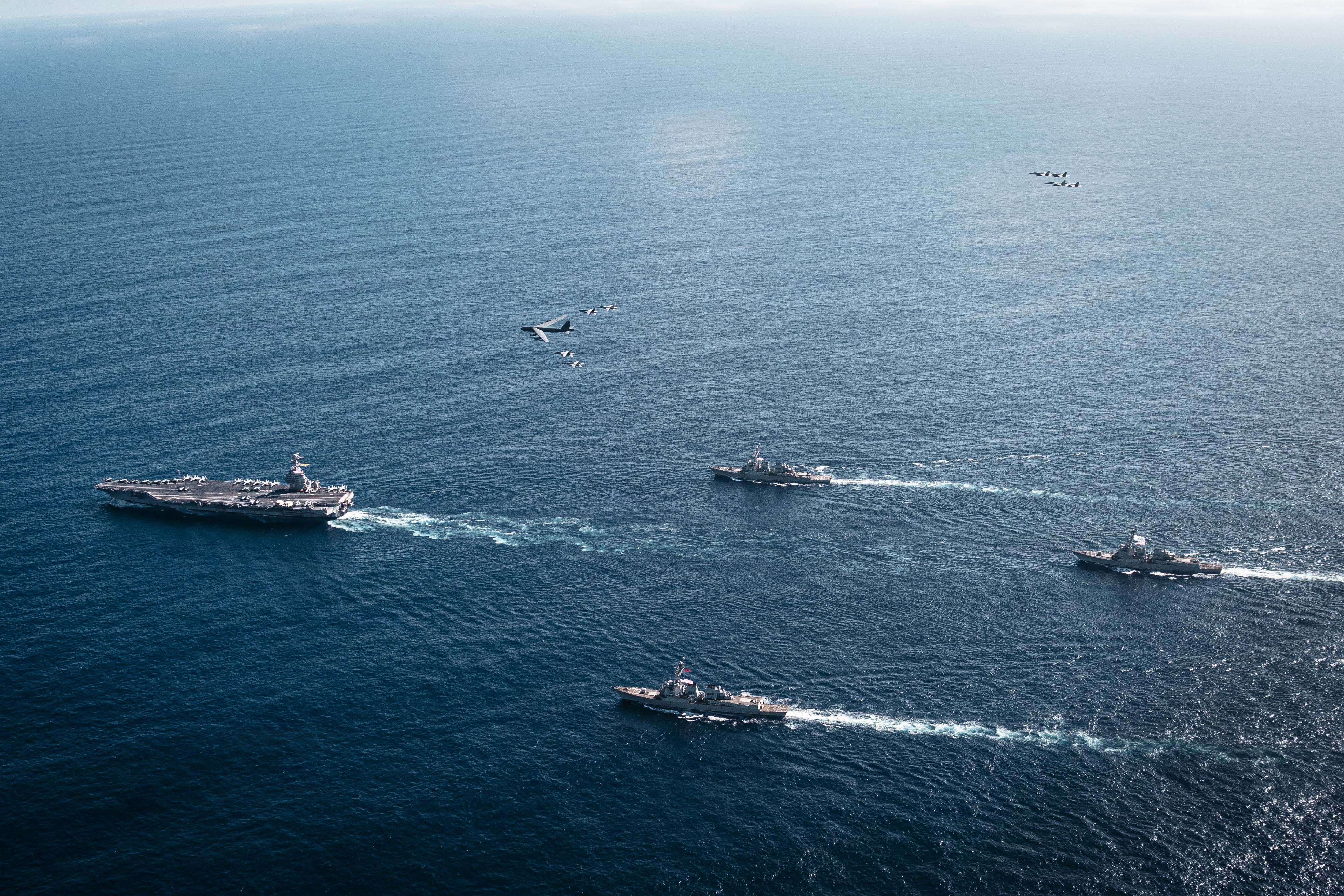

In the context of the Indo-Pacific region strategy, which is of greater concern to China, the new National Security Strategy enters a self-praising and self-justifying situation: It claims that Trump alone reversed the so-called "wrong assumptions" about China by the U.S. government, but also emphasizes that the U.S. should further develop bilateral trade with China; it emphasizes that the U.S. must share responsibility with Indo-Pacific allies in deterring invasions within the First Island Chain, but insists that Japan and South Korea increase their defense spending to "deter opponents and protect the First Island Chain".
Although it is clear to the outside world that the seemingly united Japan-U.S. military alliance is mostly a case of mutual hope for the other party to act as a cat to take fire, the new National Security Strategy still emphasizes that the U.S. should urge allies to invest in deterrence measures, and believes that it should share responsibility with allies in the so-called "deterring invasion in the First Island Chain." This is very consistent with Trump's knowledge framework of a 19th-century politician, who completely fails to understand that the intertwined alliance system led to World War I.
If there is any special aspect to this content, it is that the report openly outlines the strategic interests of Taiwan for the U.S.: partly because of TSMC's industry position, mainly because of Taiwan's strategic location and the significant impact of global maritime shipping on the U.S. economy. This also points out the most critical factors that the U.S. concerns itself with regarding the Taiwan issue, not the survival and development of the regime on the island, but the impact of global shipping security in the South China Sea on the U.S. economy.

Because the new National Security Strategy mentions that the U.S. "must reconsider its military presence in the Western Hemisphere," indicating that this consideration requires a re-adjustment of global military presence, and that enhancing naval forces in the Western Hemisphere is quite important for the U.S., it remains a potential possibility that the U.S. may withdraw military forces from the Indo-Pacific.
However, since the U.S. places more emphasis on moving these military forces from regions that have relatively declined in importance over the past few decades, theoretically, the most likely areas for adjustment would be the U.S. military forces in Central Asia, Africa, and the Middle East. For those of us in the Indo-Pacific, being cautious in our assessment of potential threats is an essential premise for all simulations.
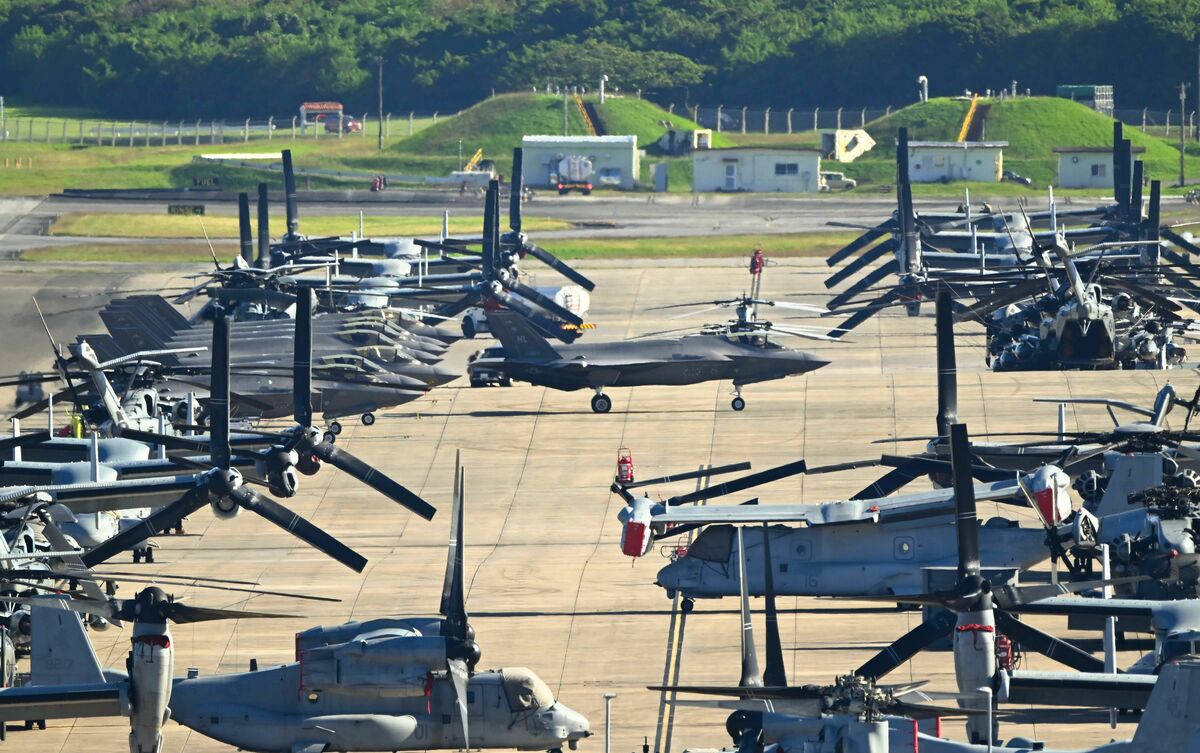
Just before the release of the new National Security Strategy, the new U.S. Air Force Secretary and Chief of Staff gradually announced a series of adjustments to the structure of the U.S. Air Force system. Many of these measures contradict the various reform measures of the U.S. Air Force over the past two years, including the decision not to establish an Air Force Development Command, but instead to continue using the previous Air Education and Training Command and other departments to manage the development of the Air Force, and to keep the operational functions of the Air Combat Command unchanged, while also halting the concept of Air Base Wings that had been heavily promoted in recent years.
These measures were originally launched by the former U.S. Air Force Secretary Frank Kendall in early 2024, aiming to prepare the U.S. Air Force for potential military confrontation with China. However, after Heggese took office in February of this year, these measures were all halted. This does not mean that the U.S. Air Force has abandoned preparations for potential conflict with China, and even some of these new initiatives—such as urging Air Force Wing commanders to re-grasp or maintain flying operational capabilities—are further strengthening the U.S. Air Force's combat readiness.
However, as U.S. media and analysts have said, the new Air Force Secretary and Chief of Staff have been hinting at the decision of the Trump administration to shift national security priorities to the Americas. Whether these reforms can make a meaningful adjustment to the U.S. military's enhanced presence in the Western Hemisphere, we will soon see the results.
The U.S. Military's Drone: A Case of Cutting the Boat to Seek the Sword
This week, several pieces of news about the U.S. Department of Defense's large-scale procurement of attack drones have sparked discussions both inside and outside the U.S. One of them is that the U.S. Department of Defense is asking the industry to provide information to assess the willingness and capability of domestic rapid and low-cost production of 300,000 drones.
As a plan set to start in early next year and expected to last for two years, the plan will provide $1 billion to the industry in four stages for manufacturing and purchasing a large number of small suicide drones.
The first phase is expected to run from February 2026 to July, during which 12 suppliers will jointly produce 30,000 drones priced at $5,000 each, costing $150 million; in subsequent phases, the number of suppliers will decrease from 12 to 5, and the order quantity of drones will increase to 150,000, with the unit price decreasing to $3,000 in stages and finally dropping to $2,300. Regarding the performance of the drones, the relevant requirements include a 10 km attack capability in open areas or a 1 km attack capability in urban areas, as well as the ability to carry a 2 kg payload (warhead).
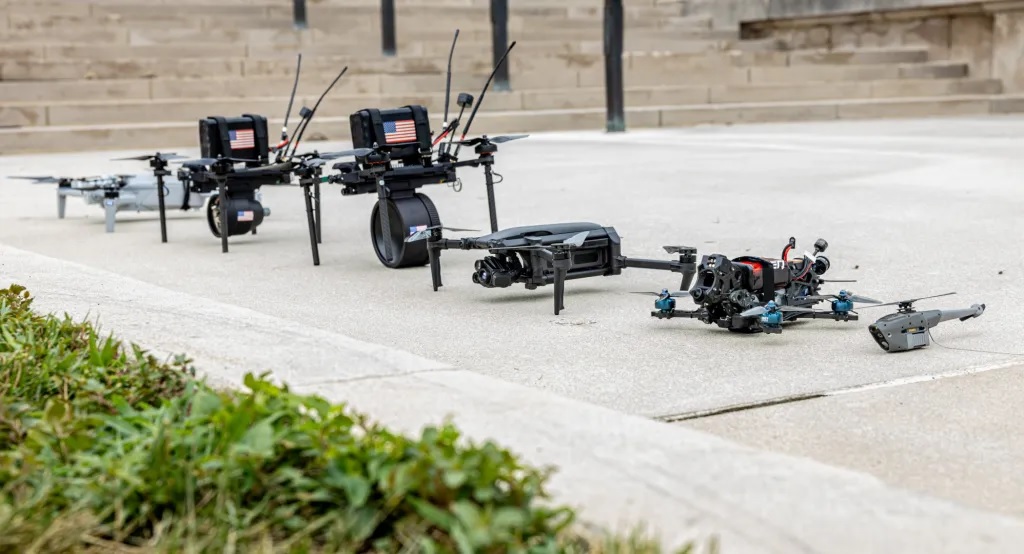
From a technical level, the core indicators of such drones are not unreasonable. Its control distance is similar in level to common commercial DJI drones; the weight requirement, although doubled, is not difficult for small-sized drones; and a production volume of 30,000 units per half-year is not a big problem.
As for the price, although the $5,000 unit price is higher than what is required for contemporary U.S. drones, there are many products available in today's globalized world that can reach this price and still have profits. If the U.S. is willing to solve the "domestic production rate" issue in stages, this is not a big problem either. Therefore, compared to the technical feasibility of these drones, the outside world is more concerned about whether the U.S. can achieve the quality, quantity, and price of these drones as planned.

Such drones are not unfamiliar to media in various countries and military observers who continuously pay attention to the current international security situation. They are essentially no different from the various drone weapons that have achieved thousands of victories on the battlefield in the Ukraine-Russia war. The only difference is that the drones used by both sides in the Ukraine-Russia conflict have evolved from early "commercial drones modified for military use" to now producing large numbers of specialized suicide drones through the international civilian drone parts market. The attack drones that the U.S. Department of Defense plans to procure should be more standardized and consider the convenience of use on the battlefield, and try to integrate and be compatible with the existing equipment system of the U.S. military, and should also meet the needs of the U.S. military deploying and operating in different regions around the world.
For the U.S. military, equipping with drones itself is not a new thing. During the Cold War, the U.S. military had more than one model of drones, which became standard equipment for military operations; the systematic use of drones in the U.S. military has been pushed for many years since the 21st century, and the idea of large-scale deployment of drones to change the battlefield situation appeared in the "Replicator Program" in August 2023, and considerable funds were invested in the 24th and 25th fiscal years to promote it. However, these things are different from the hundreds of thousands of drones the U.S. military plans to produce now.
Previous U.S. drones were either an organic component of the combat system, providing certain support for the U.S. military's conventional combat forces; or they used the U.S.'s technological advantage over other countries to organically integrate various existing unmanned equipment, achieving combat efficiency far beyond traditional equipment. But this time, the equipment the U.S. military plans to produce has almost no difference in major performance from various drones on the battlefields of Ukraine and Russia, and even has some shortcomings in anti-jamming capabilities compared to the newly emerging fiber-optic drones, basically being a direct imitation of mature equipment.
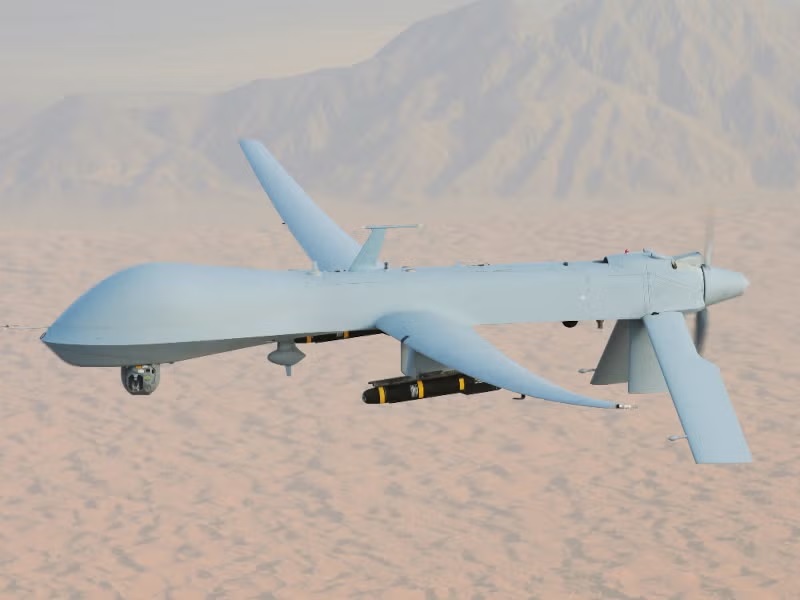
American media quickly pointed out that compared to traditional drones, these attack drones are now viewed as "consumables," more similar to hand grenades and other munitions than aircraft. This is precisely the fundamental reason why such small attack drones have been widely used and consumed in the Ukraine-Russia war, achieving numerous kill results—compared to the platform attributes of traditional drones, the munition attributes of these drones mean they don't need to worry about the service life, recovery methods, or re-arming requirements of traditional drones.
After all, the reliability and service life of all components of a missile can be calculated in seconds. If the performance requirements of suicide drones are also handled in the same way, then even the structure and equipment of commercial drones would be excessive for single-use purposes. Going down this logic and simplifying everything, even American companies have the potential to achieve the seemingly harsh price targets set by the U.S. Department of Defense.
Similar direct imitation is also reflected in another recently equipped U.S. drone: the U.S. military recently established its first combat unit equipped with the "Low-Cost Unmanned Combat Aircraft System" (LUCAS), and LUCAS drones can basically be seen as a modified version of Iran's "Shahed-136" drone after some reverse engineering. Military observers believe that this aircraft has sub-models equipped with electro-optical sensors and capable of attacking mobile targets, and also believe that the small satellite antenna on board gives it the possibility of remote control and swarm coordination operations.
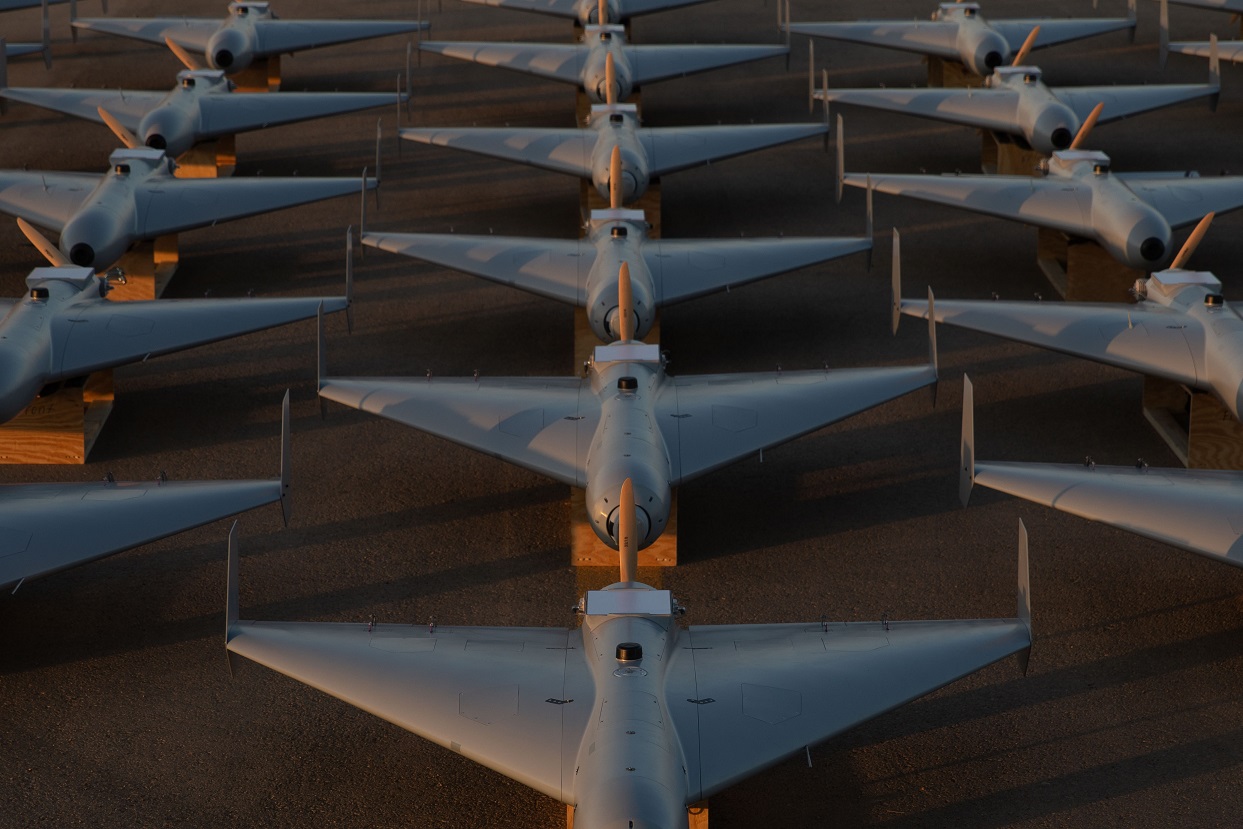
Although most of the time, the parties involved regard these rotor-engine-driven, propeller-driven, and structurally similar to target drones or model aircraft things as a slow, low-cost inferior alternative to cruise missiles, in the real battles of Ukraine, due to its low speed and compatibility with the Russian low-level information warfare system, as well as the large number of equipment brought by its low production cost and cheapness, it has actually become the best choice for Russia to implement its war will under the constraints of comprehensive national strength. Although the U.S. military's information warfare system is far superior to Russia's, the LUCAS drone is said to cost only $35,000, which still allows such equipment of the U.S. military to have the possibility of "achieving great results with small expenses."
These two types of equipment being produced and equipped are direct products of the current policies of the U.S. War Minister Heggese and President Trump to "promote the U.S. military's drone dominance," and also fit the straightforward understanding of this middle-aged politician who once served as a grassroots infantry officer, participated in counterinsurgency operations, worked as a media person, did political consulting, has a military style, has some understanding of military matters, but lacks cognitive thinking about advanced military technology and strategic issues, and has excessive performance desires, regarding the "most practical army" of the modern era: since the ongoing Ukraine-Russia war is using such equipment and has some combat effectiveness, it obviously should be the most valuable weapon in the current war.
If it is a military force lacking awareness of modern warfare or with relatively low industrial capacity, making such a choice is not absurd, and most of the time, it can even enhance the asymmetric strike capabilities and understanding of modern warfare forms of such a military force. But for the U.S. military, a world-class military force, whether "popularizing pre-made dishes in Michelin restaurants" can become a good solution to lead the enterprise out of difficulties, obviously requires more practice to test.

This article is an exclusive article by Observer Net. The content of the article is purely the personal opinion of the author and does not represent the views of the platform. Without authorization, it is not allowed to be reprinted, otherwise legal responsibilities will be pursued. Follow the WeChat of Observer Net, guanchacn, to read interesting articles every day.
Original: toutiao.com/article/7580925315891970570/
Statement: The article represents the personal views of the author.